On November 24, 2026, Tidal announced a December 9 policy change: the streaming service will reject newly submitted tracks made entirely with generative AI. It also says it will start removing existing tracks it identifies as wholly generated. For musicians wondering whether a particular tool puts their song in scope, the useful word in that announcement is recording.
The rule targets the recording
A generated composition and a generated recording are different things. Someone can take a machine-suggested melody and perform it in a studio. That does not make the resulting recording wholly AI-generated. Conversely, a finished recording generated entirely by a model is the kind of upload the December change addresses. Tidal’s support page says it takes no action on AI-generated compositions themselves. That is not a blanket approval for every partially generated recording or an exemption from its other content rules.
The narrower scope matters because Tidal’s broader policy language also describes substantially generated music. Its operational guidance says it is limiting action to wholly generated recordings for now because it wants to avoid false positives. The public policy does not set out a reliable percentage test for mixed recordings.
A label used to leave listeners a choice
Under Tidal’s earlier approach, it could flag a fully generated recording and let listeners turn off playback for that category. The December policy makes that choice at the catalog level instead: a recording identified as fully generated can be removed even if a listener would have chosen to keep it. Tidal described the labeling approach in June. December 9 is when the company says removals begin, not a claim that the catalog is already cleared today.
The hard part is correcting a wrong call
Tidal’s help page provides an AI flag review path for artists who believe their human-made recording was incorrectly tagged. The change raises the stakes of that process: the wrong label could now become a missing track. Tidal does not give an appeal turnaround time in its announcement. The meaningful measure of the new rule will be how quickly the service can correct mistakes, not just how many tracks it removes.
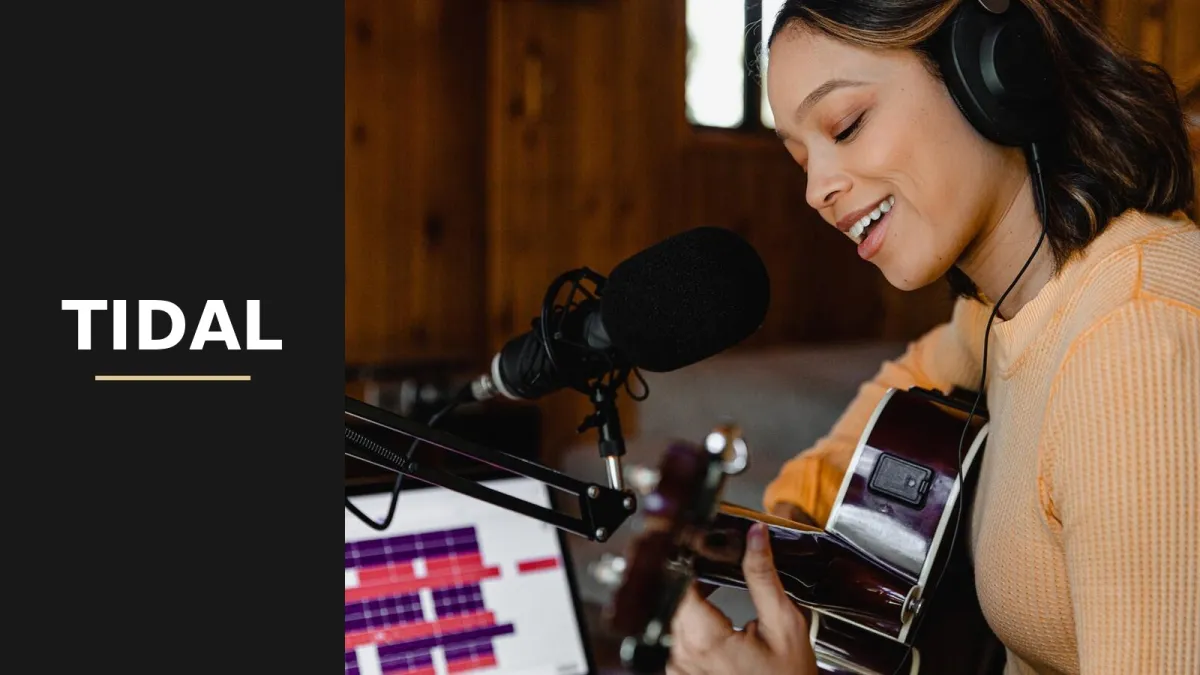
P.S. The cover is a recording-studio photograph by Soundtrap, supplied in Tidal’s press kit. It illustrates the distinction between a composition and a studio recording, not a track involved in the policy change.
Frequently Asked Questions
Q: When does Tidal’s new policy start?
A: Tidal says it will begin rejecting wholly generated submissions and removing fully generated recordings on December 9, 2026.
Q: Does any use of AI trigger removal?
A: The stated removal scope is wholly generated recordings. Using an AI tool does not by itself make a recording wholly generated.
Q: What about a song written with AI but performed by people?
A: Tidal’s support guidance distinguishes AI-generated compositions from wholly generated recordings and says it does not take action on compositions themselves.
Q: Is the existing listener setting the same as the new rule?
A: No. The setting restricts playback of labeled recordings for an individual listener. The new rule concerns what can remain in the catalog.
Q: Can an artist dispute a flag?
A: Tidal’s support page documents an AI flag review for recordings the creator believes were incorrectly tagged.