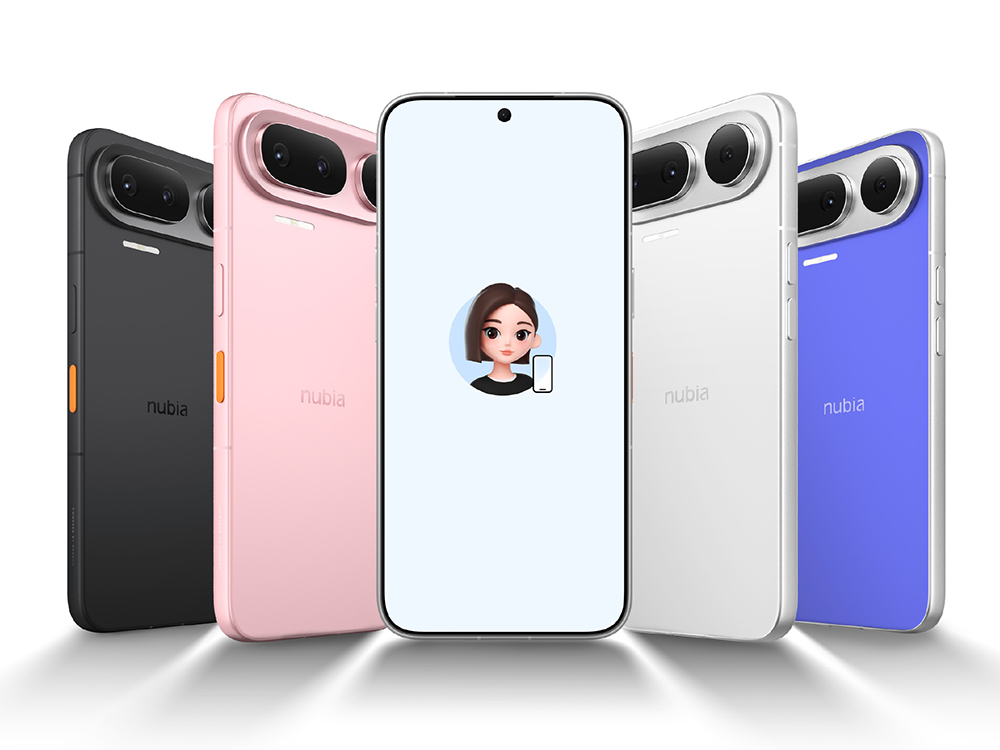
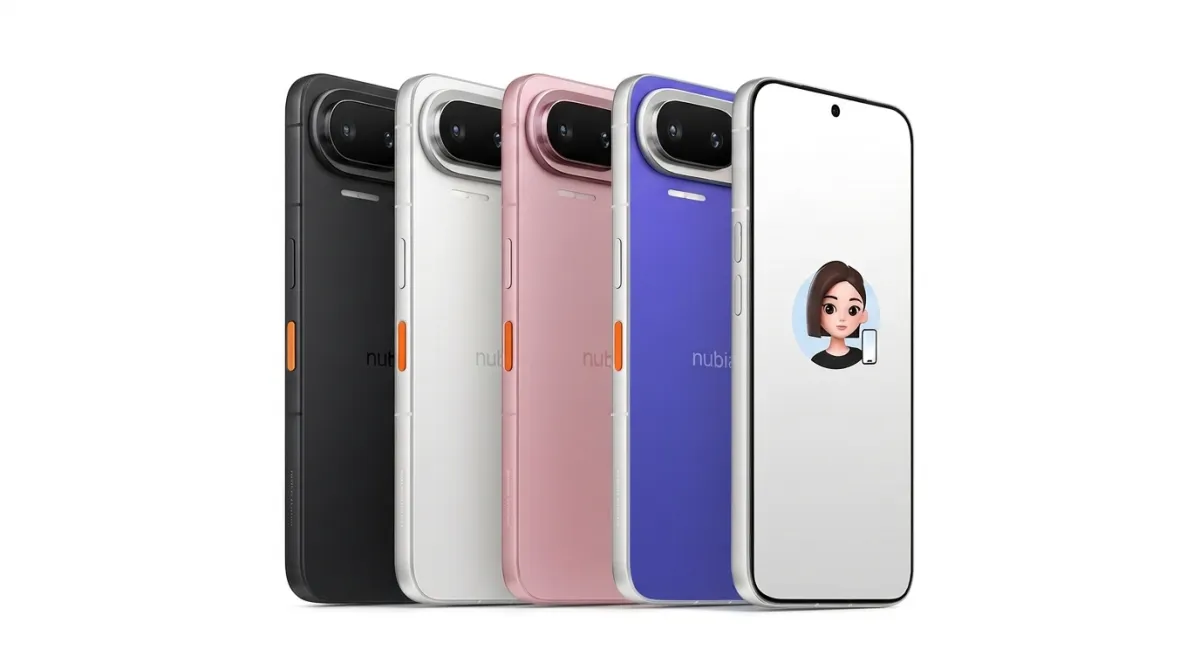
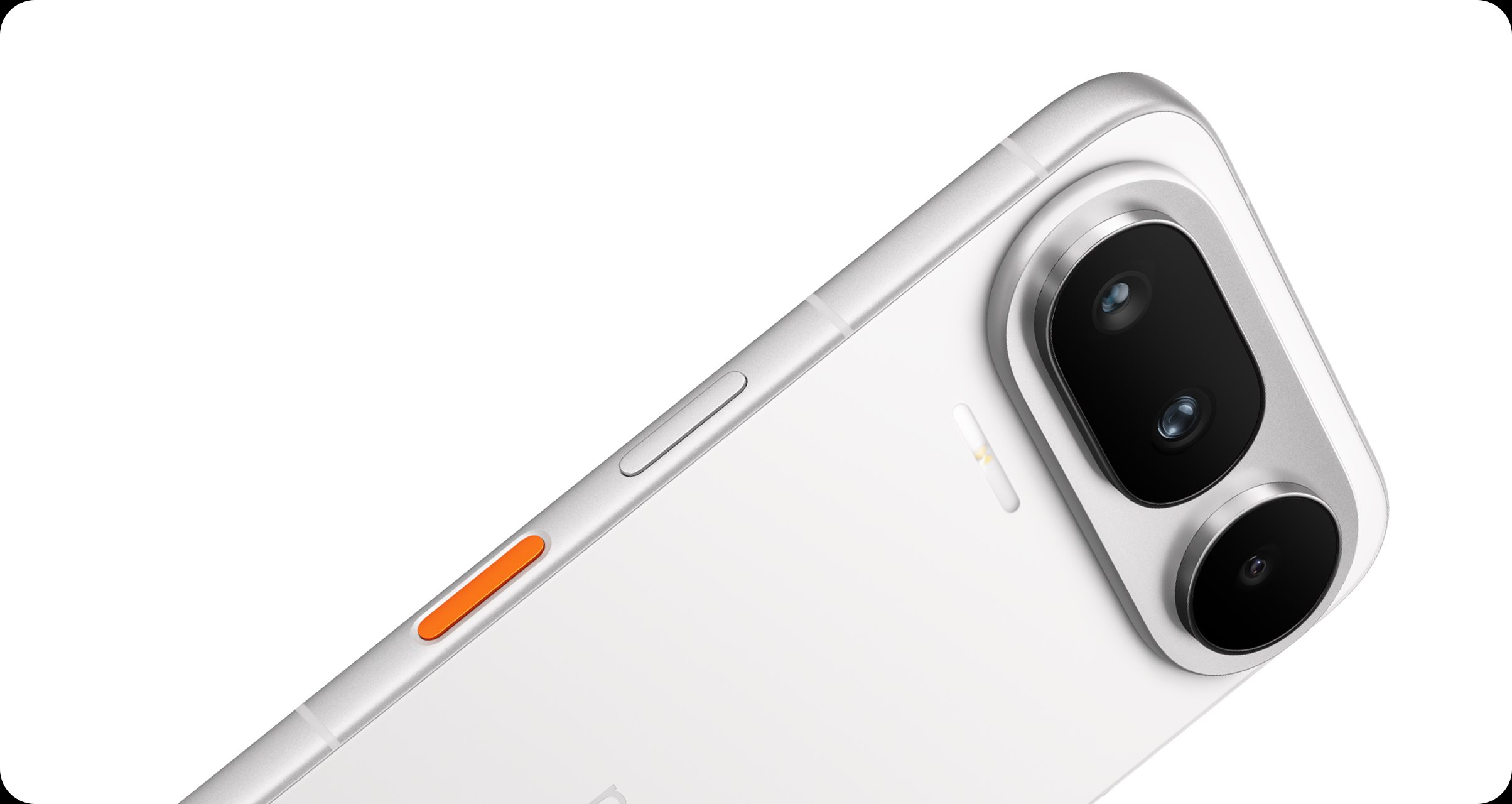
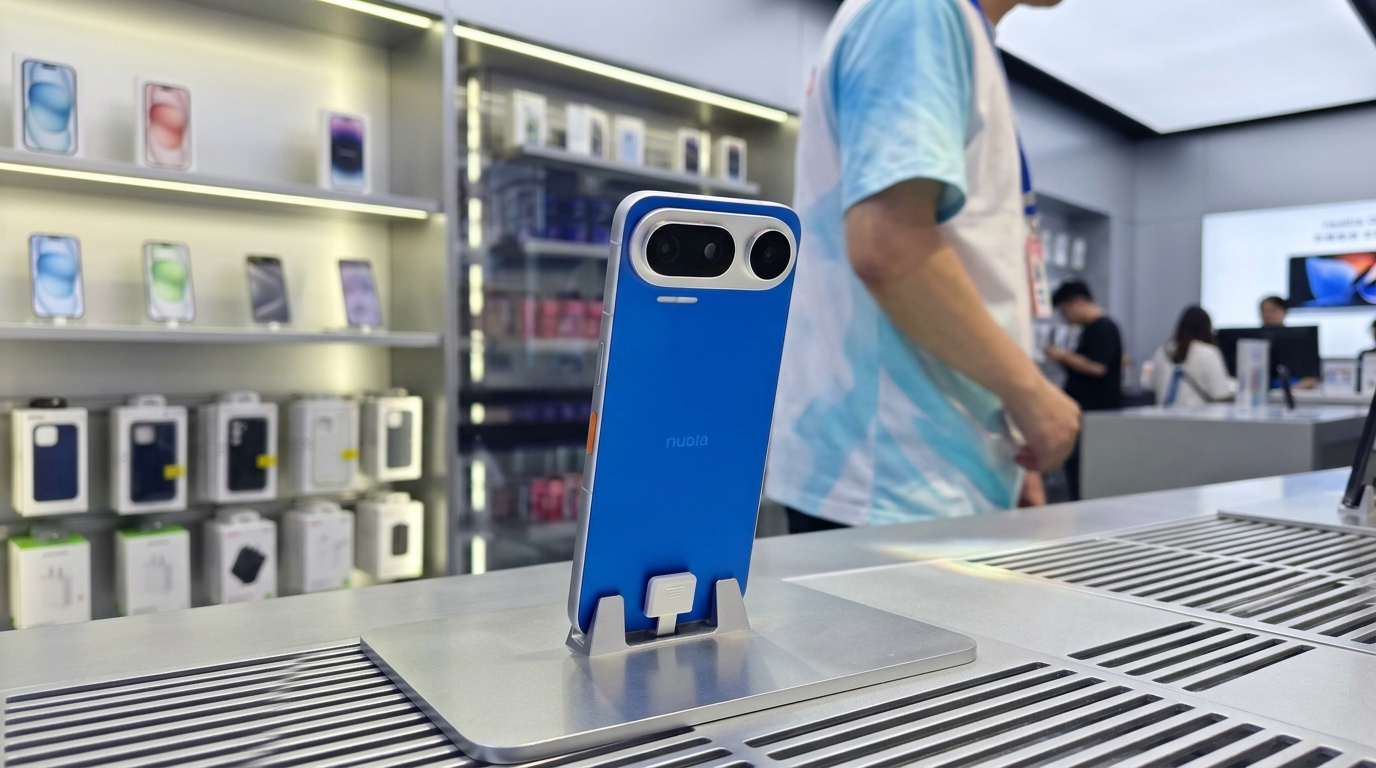
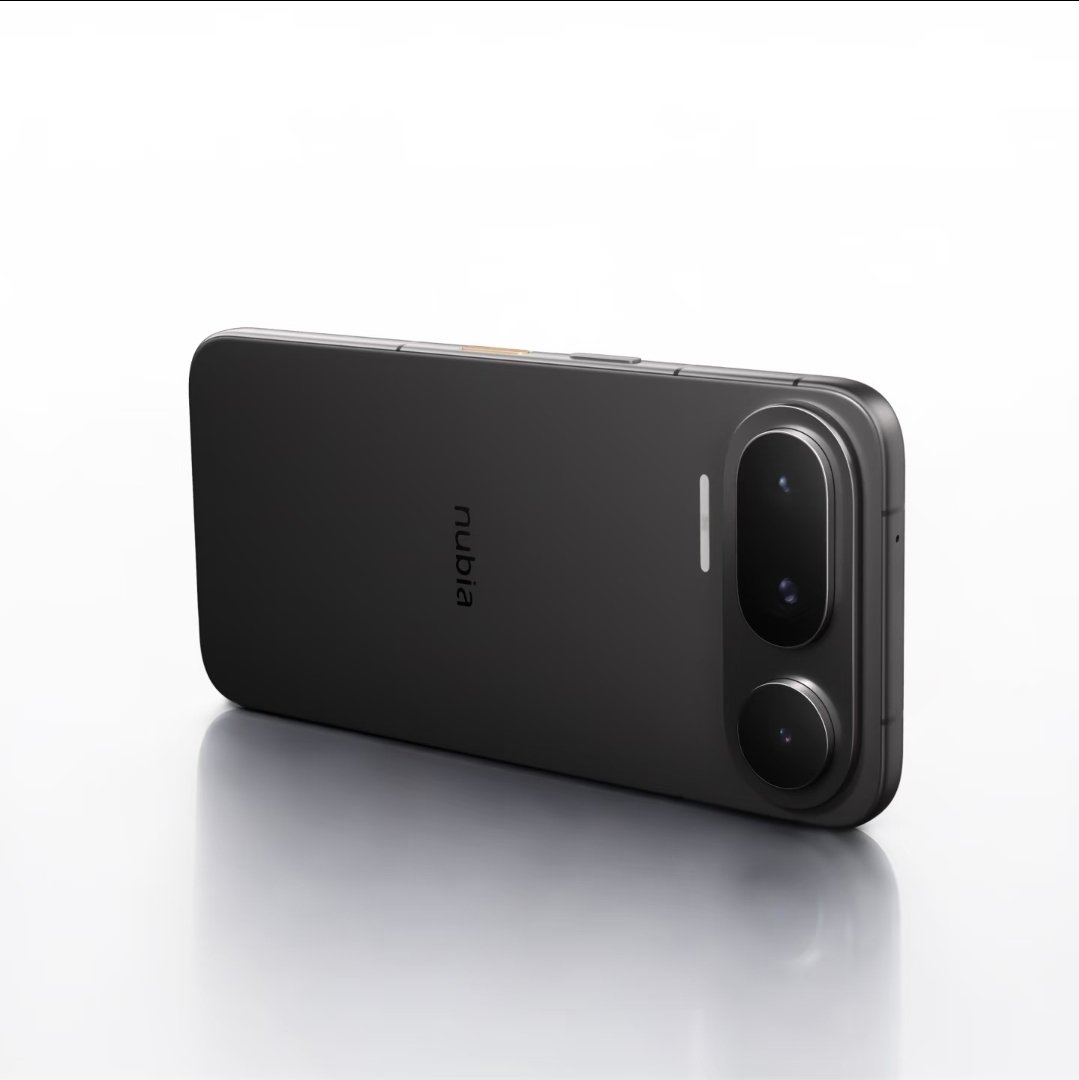
On September 16, ZTE's Nubia brand launched the NaviX Ultra in China, marketing it as the world's first mass-produced AI-agent smartphone. The hardware is flagship-grade: Snapdragon 8 Elite Gen 5, a 6.78-inch 144Hz LTPO display, a 7,100mAh battery in a 7.62mm body, a 200MP main camera, and a 64MP periscope telephoto. The 12GB/512GB model starts at 5,999 yuan, about $770 after China's consumer subsidy.
Its core promise is one sentence: say what you need, and the AI completes the task across multiple apps. Nubia claims an end-to-end task success rate above 80%.
What it can actually do is currently constrained by a 30-day protocol window.
The 30-Day Rule That Makes Every Review Premature
NaviX Ultra's agent capability runs on SAEP, a screen automation declaration protocol that took effect September 14 and runs through a public comment period ending around October 15.
The rule: during the comment period, third-party apps are not operated by the AI unless they explicitly opt in. After the period closes, apps that haven't explicitly refused default to open. Apps that refuse are never operated.
Testing bears this out. Multiple outlets found the Doubao assistant can open WeChat, Taobao, Meituan, and Xiaohongshu but cannot execute actions inside them — posting, ordering, or purchasing are all blocked. WeChat stated it is a “risk-controlled application.” Fully adapted apps are limited to ByteDance's own properties and a handful of third-party services.
After October 15, that boundary flips. What reviews measure today is a temporary state. The phone's real capability set will be determined after the default changes.
Why This Phone Only Exists in China
NaviX Ultra's premise requires a structure that doesn't exist in the West: one company that is simultaneously a hardware maker, a model provider, and a content platform, negotiating directly with other super-apps.
ByteDance, through Doubao, can integrate its own properties — Douyin, Feishu — while negotiating interface access with WeChat, Taobao, and Meituan. That negotiation is possible because China's super-app ecosystem is highly concentrated. There are a handful of gatekeepers, and one table.
The US has no equivalent. There is no WeChat-scale super-app, and app boundaries are governed by Apple's and Google's platform rules. NaviX Ultra isn't absent from the US because the models aren't good enough. It's absent because no American company occupies all three roles — hardware, model, and platform — and can demand access from another platform.
Apple and Samsung Are Building the Same Thing From the Opposite Direction
Apple introduced App Schemas and App Intents at WWDC26. The logic mirrors SAEP: developers declare what the AI is permitted to do. Samsung's Galaxy AI runs a multi-agent ecosystem with Gemini handling cross-app actions.
The difference is order. Apple and Samsung start with platform rules and let AI in. NaviX Ultra starts with AI capability and forces platform rules to catch up.
That order determines the default. Apple's default is “the developer must declare what AI can do.” NaviX Ultra's default is “unless you refuse, it's open.” The default determines whether users have to make a choice — and how far the agent can go without one.
Flagship Hardware, With a Cost That Doesn't Show in Benchmarks
A 7,100mAh battery in a 7.62mm body is a genuine engineering result. At 208g, it's competitive. The display hits 4,500 nits peak brightness, and the phone carries IP68/IP69 ratings.
The cost of “AI does the work for you” isn't in benchmark scores. An 80% success rate means one in five tasks fails. The review question is what happens on failure: does the model misunderstand, does the app refuse, or does payment require manual confirmation?
Multiple outlets report that payment steps still require manual action. The full “one sentence, done” loop breaks at checkout. The agent can compare, fill forms, and jump to the payment page. The last step is always yours.
The Market Is Already Repricing “First”
JD.com logged 370,000 reservations. Nubia reported one billion yuan in sales in the first second. At a 5,499 yuan starting price, that's roughly 13,000–17,000 units — a reservation conversion rate under 5%.
The first-generation M153 was limited to 30,000 units and resold for as much as 7,999 yuan. For the second generation, scalper listings on Xianyu asked for 199–1,000 yuan premiums before launch. After the sale opened, those premiums collapsed to the original price, and most JD.com models remained in stock half an hour later.
The market's willingness to pay a premium for a “limited engineering device” was far higher than for a “mass-produced retail phone.” Once “first” stopped being scarce, the premium disappeared.
The Verdict
NaviX Ultra proves that the agent phone is technically possible. It also proves something else: its capability ceiling isn't in the phone. It's at the negotiating table with super-apps.
ByteDance handed the choice to third-party developers. That's a pragmatic compliance strategy and a commercial concession. Whether the AI can operate WeChat isn't decided by the model. It's decided by whether WeChat opens the door.
On October 15, the default state of that door changes. Until then, every conclusion about what this phone can do is provisional. After that, the real review begins.
P.S. Nubia says it plans to open system-level agent capabilities to ecosystem partners. If that happens, SAEP could shift from a ByteDance protocol to an industry one — and Apple and Google would have to answer the same question: who decides the default permission for an AI agent operating inside someone else's app?
Frequently Asked Questions
Q: What is the NaviX Ultra?
A: It is a smartphone launched by ZTE's Nubia brand in China on September 16, 2026, marketed as the world's first mass-produced AI-agent phone. It runs ByteDance's Doubao assistant at the system level.
Q: Will it be sold in the US or Europe?
A: No. ZTE is under an FCC ban in the United States, and Nubia has announced no Western release. It is a China-only product.
Q: What is SAEP, and why does it matter?
A: SAEP is a screen automation declaration protocol that took effect September 14. During its 30-day comment period, third-party apps are not operated by the AI unless they opt in. After the period closes around October 15, apps that haven't refused default to open.
Q: Why does that make current reviews premature?
A: Every review published now measures the comment-period state, where apps like WeChat, Taobao, and Meituan can be opened but not operated. After October 15, that default flips for apps that haven't refused. The phone's real capability set won't be known until then.
Q: Why does this phone only exist in China?
A: It requires one company to be simultaneously a hardware maker, model provider, and content platform, negotiating directly with other super-apps. ByteDance can do this in China's concentrated ecosystem. No US company occupies all three roles.
Q: How does this compare to Apple and Samsung?
A: Apple's App Schemas and Samsung's multi-agent Galaxy AI address the same question from the opposite direction — platform rules first, then AI. NaviX Ultra is AI capability first, forcing platform rules to catch up.
Q: What does the market data show?
A: JD.com logged 370,000 reservations, but the first-second sales figure implies a conversion rate under 5%. Scalper premiums collapsed to zero within half an hour of launch, and most models remained in stock.
Q: What's the core limitation?
A: An 80% success rate means one in five tasks fails, and payment steps still require manual confirmation. The agent can compare, fill forms, and reach the checkout page, but cannot complete the transaction.