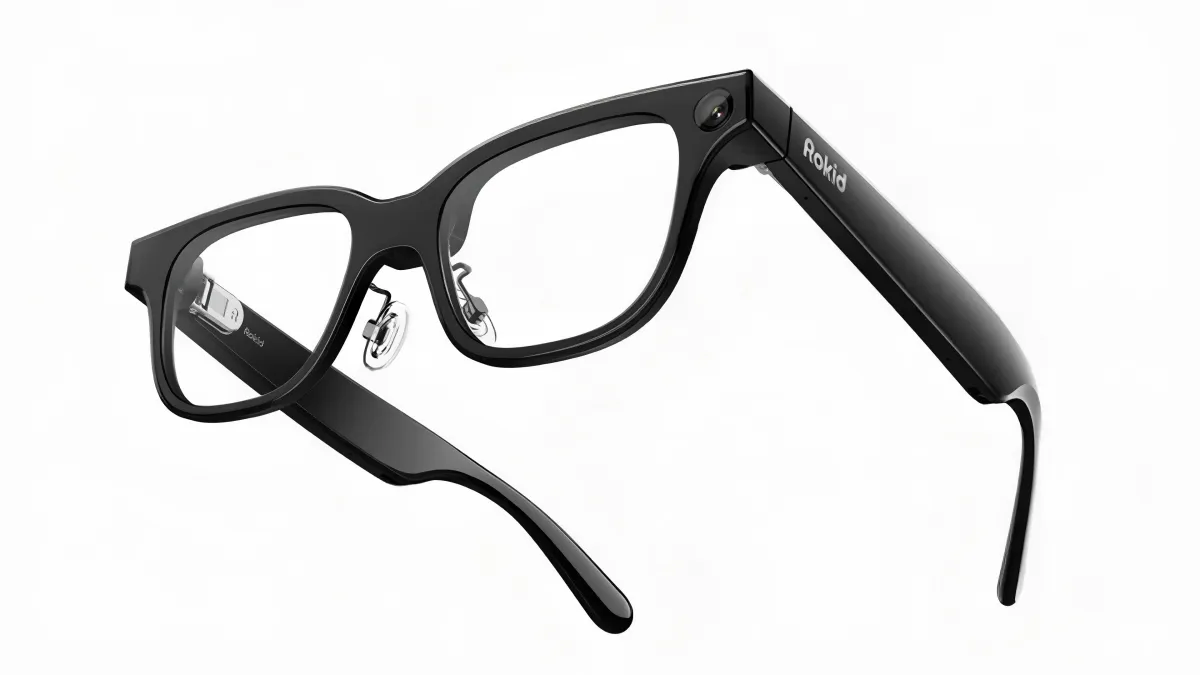
Most AI glasses today are phones you wear on your face. They run Android, they mirror notifications, and they rely on a paired device. Rokid's YodaOS takes a different approach: an operating system built from the ground up for glasses, not phones.
The hardware is competent. The ecosystem is the story.
Hardware That Stays Out of the Way
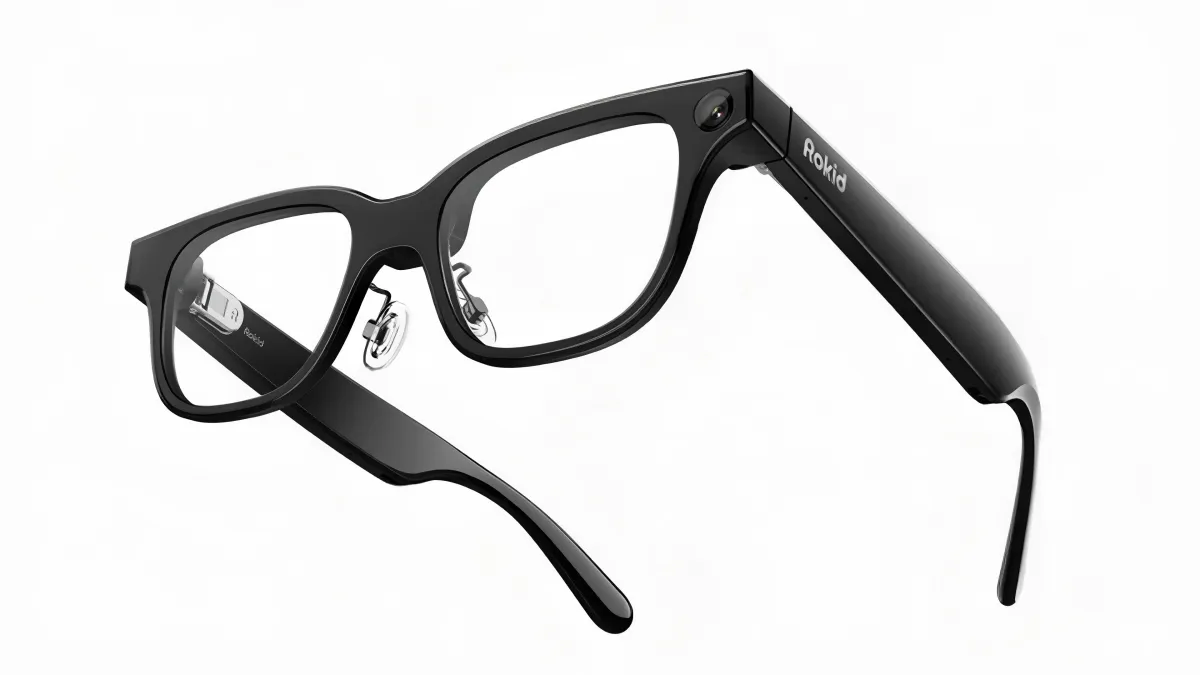
Rokid Glasses weigh 38.5 grams (without prescription lenses), among the lightest in their class. The Wayfarer-style design looks like normal eyewear, which is the point.
Spec | Details |
|---|---|
Weight | 38.5g (frame only) |
Processor | Snapdragon AR1 Gen 1 |
Camera | 12MP Sony IMX681 |
Battery | 210mAh |
Charging | Magnetic cable / Power Capsule |
Price | $249-$349 |
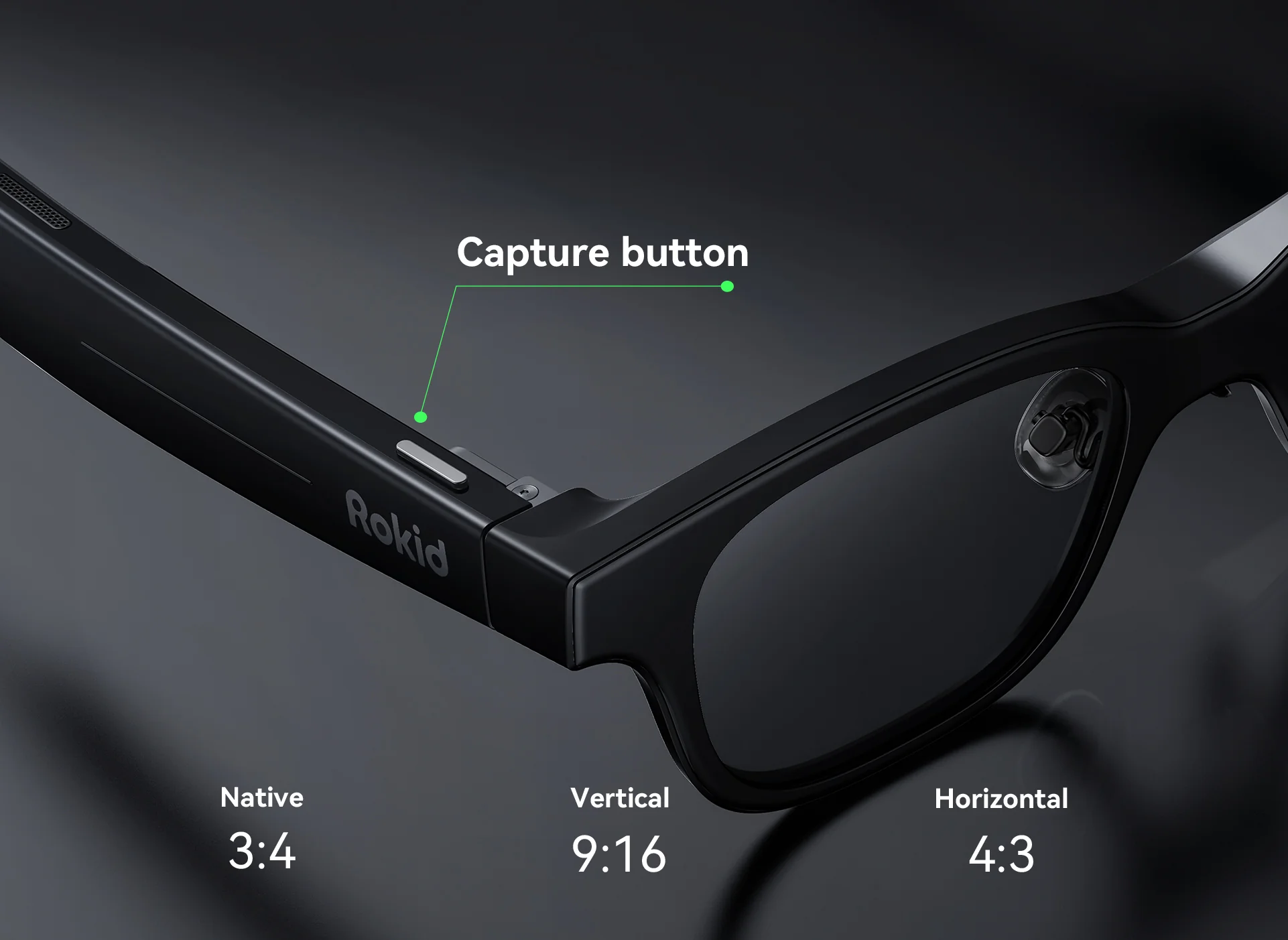
The camera sits on the left edge, which is slightly off-center, making framing trickier than centered designs. But in bright daylight, the 12MP Sony sensor produces sharp, natural-looking photos without the aggressive HDR processing that plagues some competitors. Video recording is solid for a wearable — up to 10 minutes per clip with acceptable stabilization.
Battery life is the Achilles' heel. Real-world use varies: a full day with light use, about two hours of continuous translation, or 40-45 minutes of video recording. The $129 Power Capsule accessory adds six charges, but the charger itself is expensive for what it does.
YodaOS: A Real Operating System, Not a Skin
YodaOS is the most interesting part of the Rokid story. It is a full operating system built specifically for glasses, not Android with a custom launcher.
The system architecture has four layers:
Interaction: two-word wake, 0.2-second response
Perception: dual-chip setup for always-on sensing without killing battery
Intelligence: user memory, knowledge graphs, and tool integration
Scenarios: 20 OTA updates, 500 features added since launch
YodaOS also introduces AIUI, a graphical interface that replaces text-heavy AI responses with visual cards. Ask about a sports schedule, and you get a formatted card with game times and analysis — not a spoken paragraph.
The Ecosystem Strategy
Rokid is betting heavily on developers. The company's app store launched six months ago and now hosts over 440 live agents, with 5,000 more in development. The platform has attracted over 33,000 registered developers and 10,000 certified ones.
Rokid's approach is "to D" — to Developer. It's a deliberate choice: build the ecosystem first, let the killer app emerge, and scale consumer adoption later.
How It Compares to Meta
Rokid Glasses are a direct competitor to Ray-Ban Meta Glasses. The differences are striking:
Rokid Glasses | Meta Ray-Ban | |
|---|---|---|
Price | $249-$349 | $379+ |
China ecosystem | Alipay + WeChat + Amap | None |
AI models | Gemini, ChatGPT, DeepSeek, Qwen | Llama only |
Operation | WiFi direct, can work without phone | Requires phone pairing |
AI capabilities | Voice + vision + QR code scanning | Voice primarily |
Rokid is the first AI glasses to support both Alipay and WeChat Pay, and has integrated with Amap for ride-hailing, JD Health for medication lookup, and bike-sharing services. For users in China, it's functional in ways Meta's product simply isn't.
The Verdict
The Rokid Glasses are not a perfect product. The off-center camera takes getting used to. The AI sometimes glitches. The battery requires careful management. But the product is not the point.
YodaOS positions Rokid for a longer game. The developer ecosystem is growing quickly, and the vision of AI glasses as a platform rather than an accessory is coherent. The hardware will improve. The software will evolve. The ecosystem might actually get there.
P.S. If you're shopping for AI glasses today, the choice is simple: Rokid if you're in a Chinese ecosystem and want a product that actually works there; Meta if you're in the US and want a mature photo-sharing device that works with what's already on your phone. But if you're watching the category, pay attention to YodaOS. The operating system is the long-term bet, and it's a smart one.