In October 2026, Meta confirmed on its third-quarter earnings call that Muse has passed 10 million users, with roughly 25% of configured users engaging daily. Mark Zuckerberg disclosed a more telling figure: more than a quarter of active users shop through Muse, at an average order value above $200. Plaid told Meta it had never seen connector activity like it on any other service.
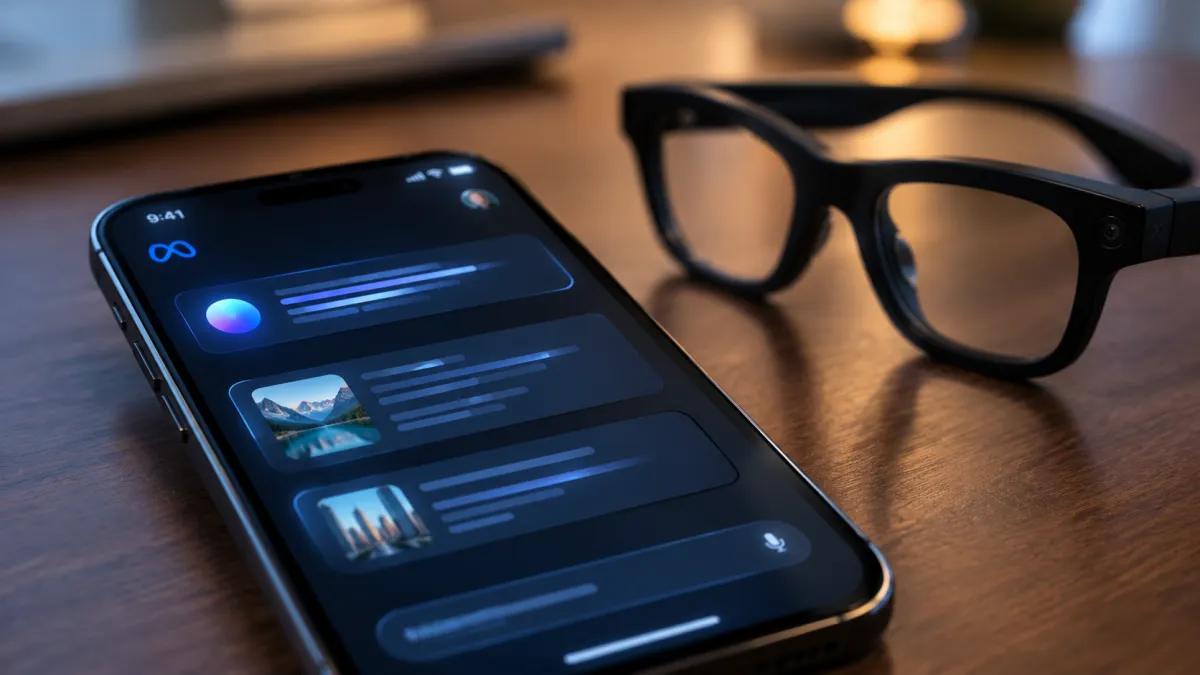
Muse arrives on Meta's smart glasses in November. Users say a wake word to summon Muse for workout coaching, meal logging or help choosing an item in front of them. Meta calls Muse the primary interface for the glasses.
Meta removed the camera, not the microphone
At Connect in September, Meta unveiled Ray-Ban Meta Audio at $349 — its first smart glasses with no camera and no display. A six-microphone array sits at the center of the voice interface. Zuckerberg framed the camera removal as design freedom: without a camera, a lot of new design possibilities open up.
But the Audio glasses still record audio, and they give bystanders no clear signal that recording is happening, MediaNama reported. Camera glasses carry an LED indicator. Microphones do not. IDC analyst Jitesh Ubrani put it plainly: "It's all about consent. Meta has to find a way to alert people that they're being recorded, even if it's just audio."
The problem surfaced before Muse reached the glasses. In mid-October, multiple Ray-Ban Meta users reported that the glasses recorded conversations and saved transcripts without the "Hey Meta" wake word being spoken. One user observed the behavior across three different pairs, including second- and third-generation models. Meta confirmed the issue and said it was fixed, but did not explain the cause, how many users were affected, or where the captured audio went.
Malwarebytes was direct: Meta still owes users an explanation of what went wrong and what it did to ensure it does not happen again.
Shopping is the top use case, and glasses keep it always on
TechCrunch confirmed shopping as one of Muse's leading use cases. Meta has integrated retailers including Walmart, Best Buy, Gap and Sephora, connects payment apps through Plaid, and completes transactions through Stripe and Shop Pay. Zuckerberg said demand ran so high that Meta had to ask Stripe to raise its credit limit.
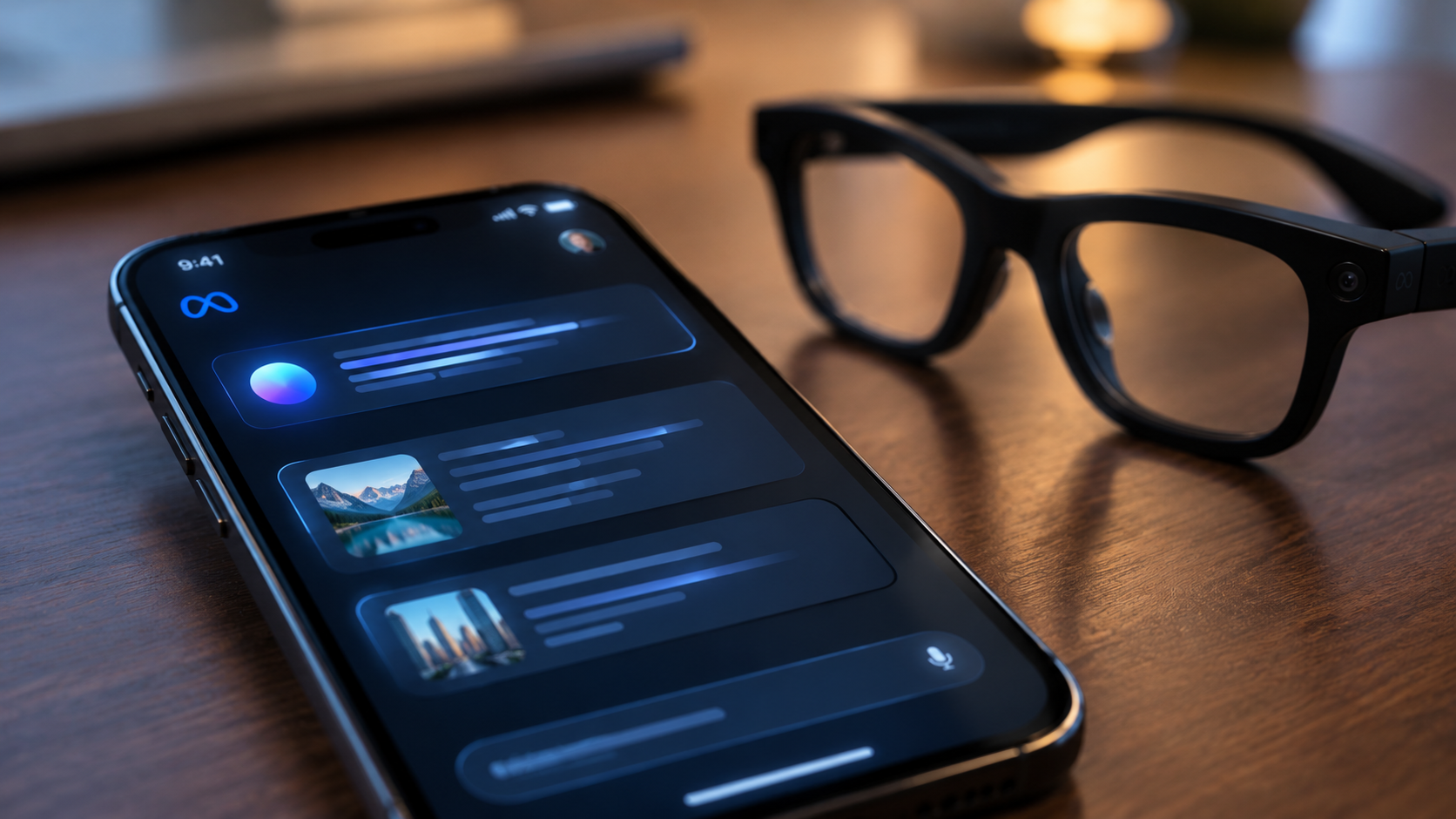
On a phone, a shopping agent requires the user to open an app, type a request and confirm a purchase. On glasses, the user looks at a shelf or a flyer and asks Muse directly. That is the demo Meta showed: Muse helping choose an item in front of the wearer.
The difference is not a matter of convenience. A phone agent is a tool — you pick it up, you put it down. A glasses agent is an environment — you put it on, and it listens. When shopping is the leading use case, that always-listening environment acquires a clear commercial motive: encourage seeing and buying in the same moment. Meta plans to take a commission on agent-facilitated transactions, a second revenue path alongside advertising.
Privacy protects Meta from seeing, not bystanders from hearing
Meta's privacy narrative for Muse centers on Secure VM and an upcoming Confidential VM. Zuckerberg said Secure VM protects user data and Confidential VM will prevent "even Meta itself" from viewing user content. A Sentinel system checks actions and outbound data, so Muse proposes actions but only Sentinel can authorize execution.
Those measures answer one question: can Meta see your data. They do not answer another: can the people around you tell that you are recording. That second question is the core of smart glasses privacy. An LED on camera glasses is a social signal — it tells bystanders someone is filming. A microphone has no equivalent. When Muse waits on the glasses for a wake word, the device must continuously listen to ambient audio. Bystanders cannot distinguish waiting for a wake word from recording them.
Ubrani's assessment points at the same gap: "They're addressing some of the privacy concerns, but there's still the potential for misuse of audio or recording audio without consent."
P.S. Meta says putting Muse on glasses makes the assistant more natural. But natural runs in two directions: more natural for you means less visible to everyone else. With a camera, you know it is filming. With a microphone, you do not know it is listening.
Frequently Asked Questions
Q: What did Meta announce about Muse?
A: Muse passed 10 million users in October 2026, with about 25% of configured users engaging daily. Meta will bring Muse to its smart glasses in November as the primary interface, summoned by a wake word.
Q: Why does the microphone matter more than the camera?
A: Camera glasses have an LED that signals recording to bystanders. Microphones have no equivalent indicator. Since Muse must continuously listen for a wake word, people nearby cannot tell waiting from recording.
Q: Did the glasses record without the wake word?
A: Yes. In mid-October, multiple users reported the glasses captured conversations and saved transcripts without the wake word. Meta confirmed and said it fixed the issue but did not explain the cause, the number affected, or where the audio went.
Q: Why is shopping significant?
A: Shopping is a leading Muse use case, with over a quarter of active users and average order values above $200. On glasses, a purchase can be triggered by what the wearer sees, making the assistant an always-on commercial interface.
Q: Does Meta's privacy design address this?
A: Partly. Secure VM and Confidential VM limit Meta's own access to user data, and Sentinel authorizes actions. None of these signal to bystanders that audio is being captured.
Q: What does Meta take from transactions?
A: Meta plans to take a commission on agent-facilitated purchases. Shopping gives the always-listening device a direct commercial motive alongside advertising.