On November 23, Canva made its Model Context Protocol server generally available, removing the waitlist for developers who want to connect an assistant or app to its creative tools. Agents could already use Canva through partner connectors and earlier developer access. This release broadens who can build those integrations and gives developers a clearer choice between a conversational tool, a direct API call and a command-line workflow. Readers who already use the Canva connector should look for new capabilities and availability, not a new place to sign in.
The handoff is the feature
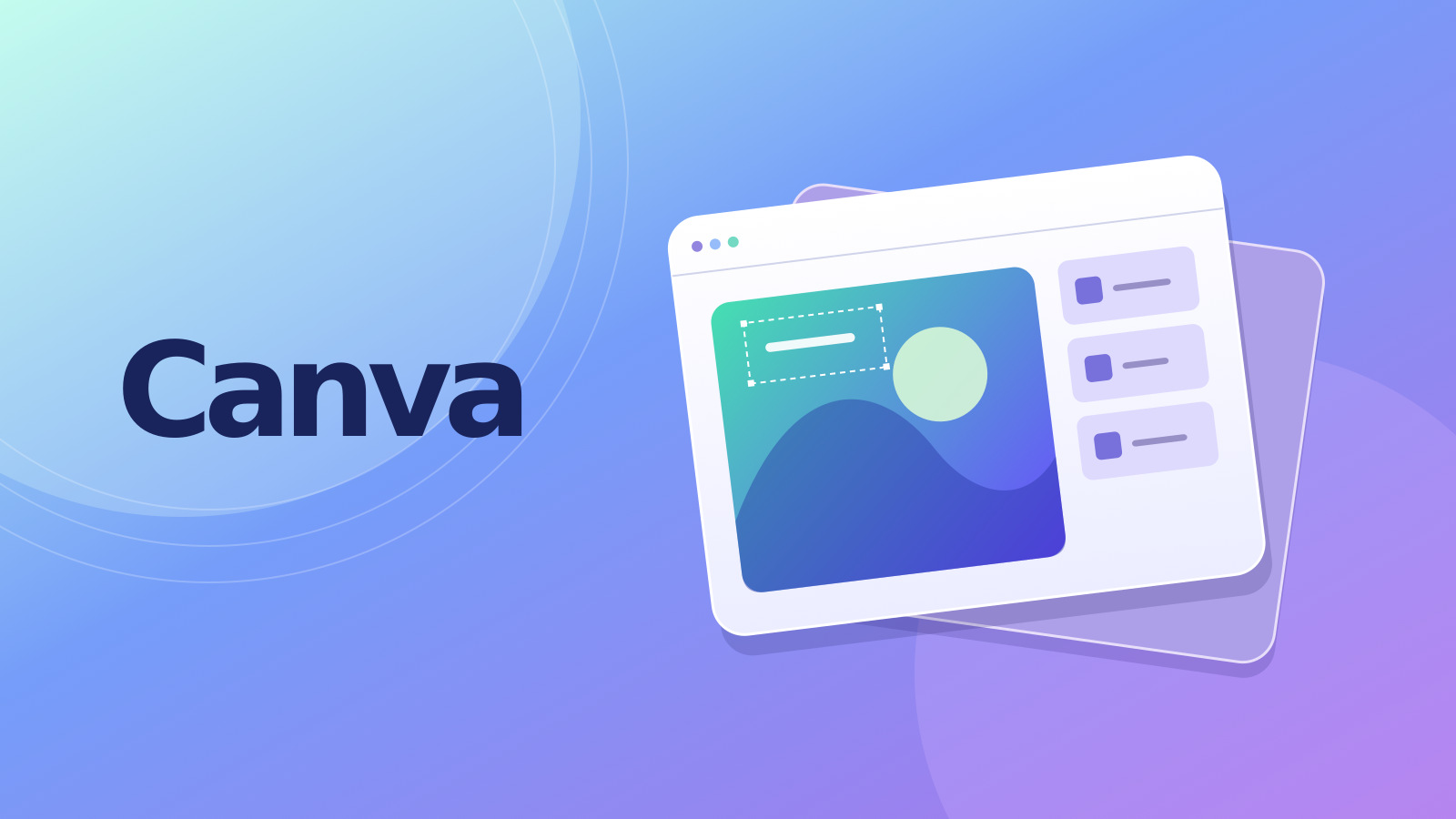
A flat image is easy to send and awkward to correct. Imagine a marketing team making three versions of a launch poster from one brief. A last-minute change to the date should mean editing a text element, not asking the model to redraw the whole image and hoping it preserves the layout. Canva says agents can create editable designs, and Magic Layers can turn a flat image into a layered design. The test is whether the resulting file has the right editable pieces, not whether the first preview looks polished.
The companion video rollout makes that distinction clearer. Canva says people can review a production plan before generation and revise the resulting project. Video inside ChatGPT and Claude is available in select markets; the open developer program does not make every tool available in every assistant.
The login belongs to the editor
Canva’s developer documentation says each MCP user still signs in with their own Canva account. An assistant can only edit files that person already has permission to edit. Core design generation, editing and exports are listed for all Canva plans, while brand kits, brand templates and autofill require Pro or above.
For a software team that needs a repeatable backend task rather than an agent deciding which tool to call, Canva points to its REST APIs. The company documents service accounts for supported REST operations separately; they do not replace individual sign-in for MCP. Canva’s expanded CLI can also create designs and run autofill workflows. The right route depends on who needs to make the last edit and whose permissions the job should use.
The first preview is not the deliverable
Canva reports that MCP usage rose 93% from September to October. That is the company’s measure of activity before this announcement, not evidence that teams ship more quickly. For a practical pilot, give it a template, make one deliberate correction after generation, and hand the file to a colleague. If they can pick it up without retracing the prompt, the integration has done something a finished export cannot.
P.S. If you try one task, pick a design that is guaranteed to change tomorrow. That is where an editable file earns its keep.
Frequently Asked Questions
Q: What changed on November 23?
A: Canva made its MCP server generally available and removed the developer waitlist. Earlier partner connectors and developer access already existed.
Q: Does each person still need a Canva account?
A: Yes. Canva requires individual authentication for MCP, and available operations follow the user’s permissions.
Q: Which design features require Canva Pro?
A: Canva lists brand kits, brand templates, and autofill as Pro and above. Its core design generation and editing are listed for all Canva plans.
Q: Can every ChatGPT or Claude user generate Canva videos?
A: No. Canva says video through these connectors is available in select markets, with availability also depending on the partner.
Q: Can an MCP app run as a Canva service account?
A: Not for MCP. Canva documents service accounts for supported REST API workflows; MCP requires per-user authentication.