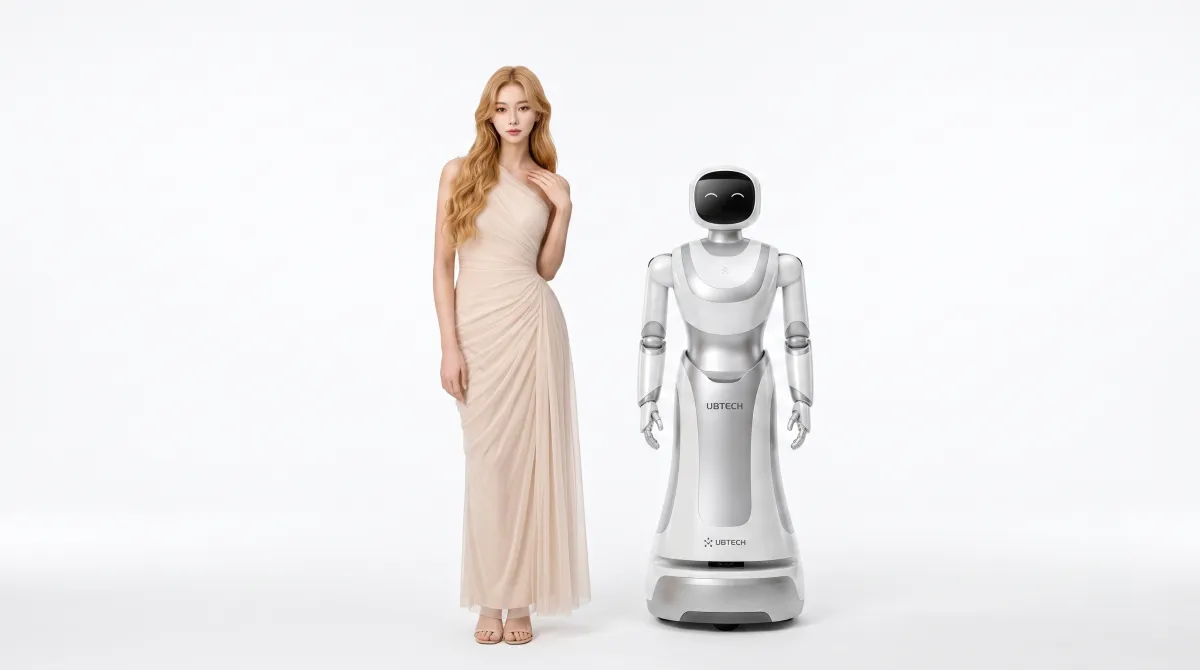
When you watch a smooth promo video of a hyper-realistic robot walking and talking fluidly, you might not see what U1 Pro was actually doing on the WAIC show floor: standing still.
This is the biggest gap in consumer robotics today: the promo videos promise everything. The actual units barely move.
Over 300 robots were on display at WAIC 2026. For the first time, a full price ladder of consumer humanoid robots under $14,000 emerged. The cheapest, Songyan's Bumi, costs just $1,400 — and can dance, chat, and be programmed by kids.
But the price barrier has fallen. The capability barrier is still very high.
There are many that can keep you company. Very few that can do chores.
Three Truths, One Takeaway
1. The sub-$14,000 category is now crowded
Product | Price | Core Features | Household Chores |
|---|---|---|---|
Songyan Bumi | $1,400 | Voice wake, educational Q&A, dance | None |
Unitree R1 Air | $4,200 | Running, backflips, multimodal chat | None |
Qiyuan Q1 | $2,800 | Multimodal interaction, force control | None |
Booster K1 | $4,200 | Competitions, STEM teaching | None |
A full price tier now exists — from under $1,400 to $4,200, at least four models are available.
But they all share one thing in common: none of them can do chores.
Songyan's Bumi has a payload under 4.4 lbs and a battery life of just 1.5 hours. It can help kids learn English, tell stories, and teach basic programming. It cannot mop floors, wipe tables, or cook.
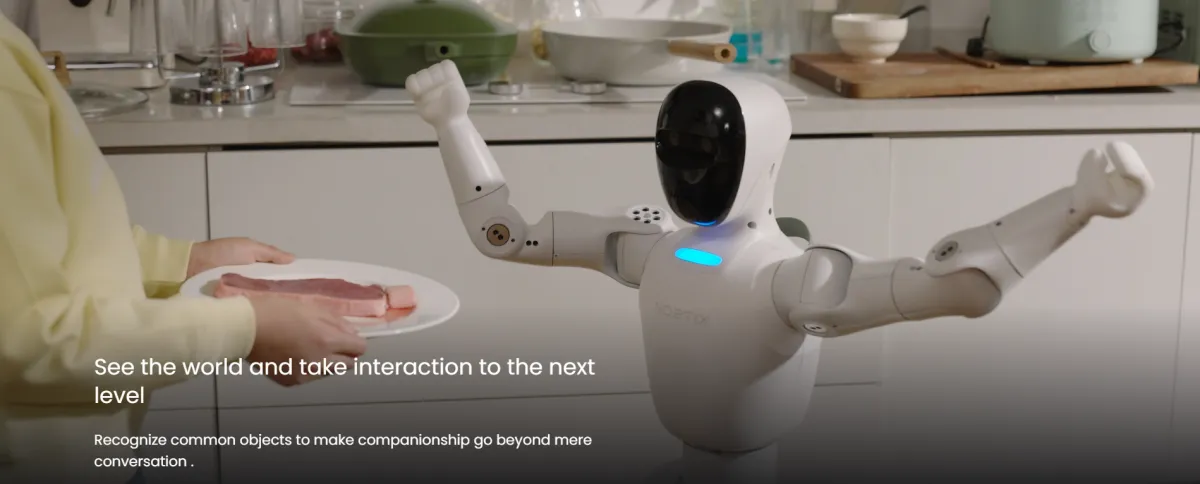
2. UBTech U1: The Promo vs. The Reality
The UBTech U1 series is the most controversial consumer robot of 2026. Pre-orders have surpassed 13,000 units — at roughly $24,000 for the Pro version, that's over $300 million in orders.
But the live demo triggered widespread complaints about a "bait-and-switch."
What we saw at the show floor: the U1 Pro's Latin dance was stiff and jerky, like a marionette; its walk was wobbly as it followed professional models down the runway. Facial expressions were mechanical, and dialogue occasionally froze. While its silicone skin has some elasticity, it still feels like "cold silicone" to the touch.
The feature gaps are more direct. Of the three models:
U1 Lite ($17,000) : torso and head only — no limbs, no walking
U1 Pro ($24,000) : full humanoid form, but cannot walk — only small movements in place
U1 Ultra ($125,000-$140,000) : the only version that can walk — with limited gait fluidity
One industry observer put it bluntly: "The pre-launch hype raised expectations too high. The actual demo was disappointing."

3. The Capacity Gap: Orders, Delivery, and Reality
13,000 units on order. Annual production capacity: roughly 6,000 units. At that rate, fulfilling all orders could take over two years.
UBTech's target is to deliver 10,000 units this year and scale to 50,000 units per year by next year. But founder Zhou Jian admitted: "The difficulty of mass production at this scale is rare in human manufacturing history."
Unlike traditional industrial robots, humanoid robots require manual insertion of eyebrows, eyelashes, and hair — no automated production line exists. Traditional wax-figure factories produce only a few hundred units annually. UBTech is building entirely new production lines from scratch.
Why Haven't Household Robots Arrived?
IDC data shows global humanoid robot shipments reached roughly 18,000 units in 2025. Less than 0.8% went to private households. 2026 projections of 50,000-70,000 units still only allocate about 5% to home environments.
The core reason: home environments have zero tolerance for errors.
Industrial settings are fixed environments with fixed coordinates and standardized commands — requiring nothing but repetition. Home settings are random clutter, unpredictable commands, and interference from children and the elderly — thousands of scenarios, none identical.
Current VLAM (Vision-Language-Action Models) training datasets are critically short of the long-tail data needed for personalized home scenarios. Building that data takes 10+ years of continuous deployment.
The bottom line: truly useful home robots are still 5-10 years away. That's not a technical delay — it's a reality the industry quietly avoids discussing.
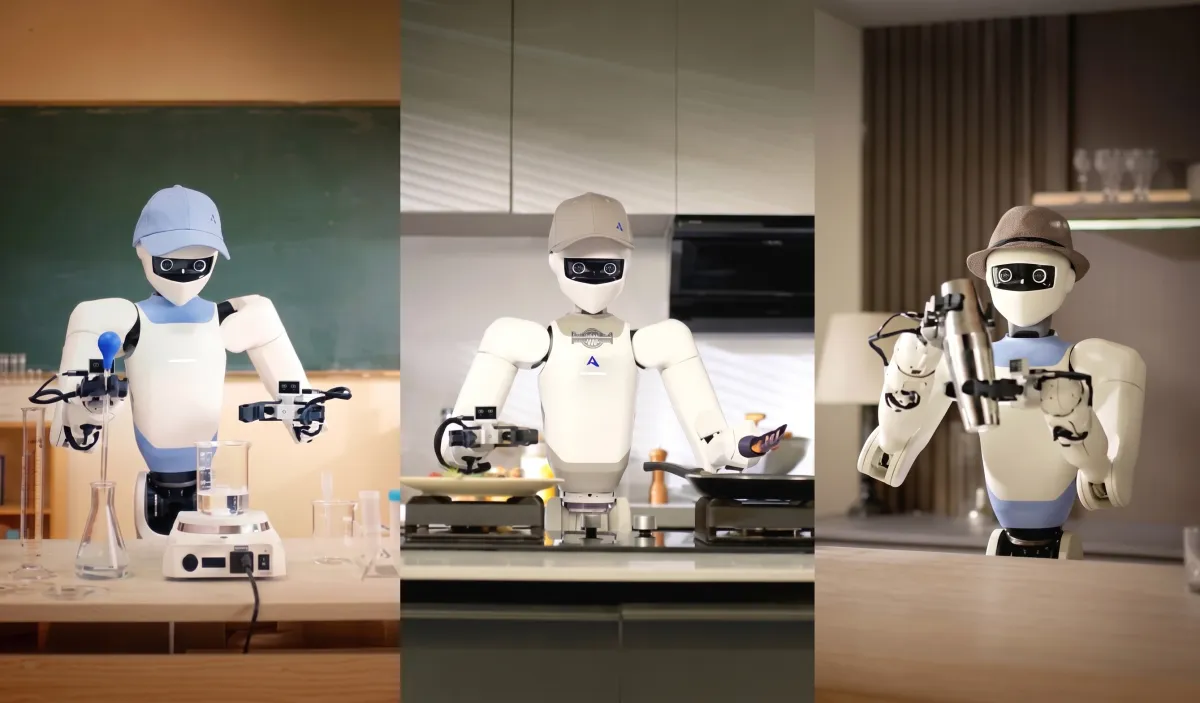
Who Is Actually Buying These Robots?
Behind 13,000 pre-orders, who are the real buyers?
Commercial early adopters — nursing homes, hospitals, tourist attractions, company reception desks. A robot replacing a receptionist's salary pays for itself in about two years.
Individuals buying emotional value — young singles and empty-nest seniors have real emotional needs. A robot is always patient, never argues, and provides a "stable emotional outlet."
For anyone expecting a robot that "cleans, cooks, and does laundry," the UBTech U1 is not that product. Its core purpose is emotional companionship — not household labor.
P.S. If you're considering buying one, ask yourself three questions: are you buying company or help? Are you paying for emotional value or practical return? Can you accept a 2+ year delivery timeline? Once you've answered those, the decision becomes a lot simpler.