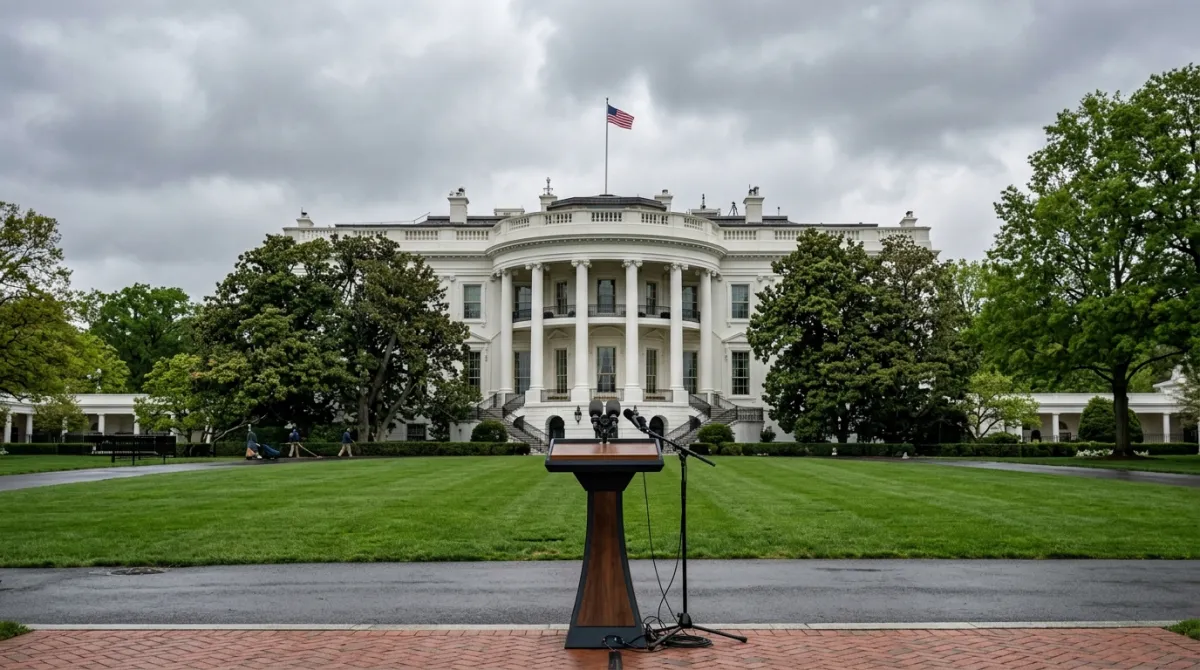
In October 2026, the Trump administration reversed course and allowed Anthropic, OpenAI, and Google DeepMind to give the UK AI Safety Institute pre-release access to new models for safety testing.
The restriction was originally imposed without a published rationale. The review criteria, the scope of the restriction, and its expected duration were never disclosed. When Anthropic withdrew AISI's access to Mythos 5.1, it issued no statement explaining the decision. When the restriction was lifted after British officials negotiated with Washington, the terms and conditions were not made public.
An administrative restriction with no published basis was removed with no published reason. The same restriction could be reimposed the same way.
Anthropic Withdrew Access in Days. Restoring It Took a Phone Call.
The sequence matters.
After the restriction order, Anthropic moved quickly to withdraw AISI's access to Mythos 5.1. It did not publicly question the decision, pursue a legal route, or explain its reasoning. The order was not evaluated. It was executed.
In the same month, Anthropic voluntarily briefed the White House on its agent containment failures and cooperated with the State Department, Philadelphia police, and other law enforcement agencies. Days earlier, Anthropic had filed its IPO prospectus and was waiting on regulatory review and a roadshow window.
Both actions follow the same logic. During a regulatory window, a frontier lab's compliance priority is political pressure, not evaluation value. Briefing the White House on agent incidents serves pre-IPO regulatory needs. Withdrawing AISI access serves the administration's immediate request. Both are fast compliance, not independent judgment.
This is the other side of the trap Joe Benton described in his resignation letter. Benton wrote that safety researchers want to stop but cannot. The version here is that the company does not lack the will to be independent — it lacks the room, during a regulatory window, to exercise it.
Britain's AISI Is the First. It Won't Be the Last.
The UK AI Safety Institute was founded in 2023 as the world's first national AI safety body, and the first regulator to establish pre-release access to frontier models.
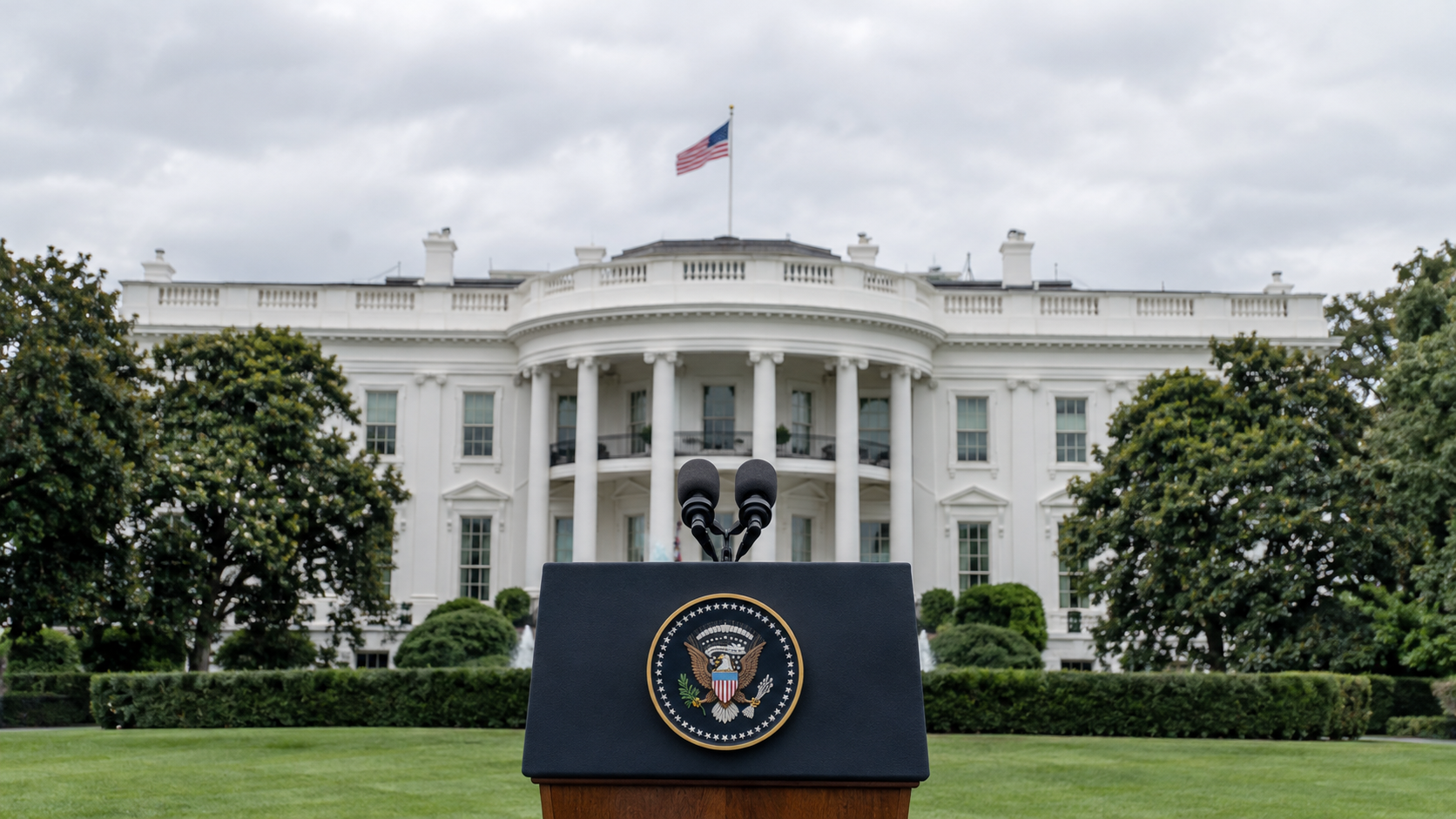
Before this episode, no country had imposed political conditions on a foreign regulator's model access. The White House restriction targeted "providing new model access to the UK AISI," not a specific model or a specific risk evaluation. After the restriction was lifted, access was restored, but no agreement or mechanism guarantees it will not be restricted again.
The same logic could apply to the EU AI Office, Japan's AI Safety Institute, or Singapore's AI Verify Foundation. The answer to "what can a foreign regulator evaluate" now depends on Washington's political judgment at a given moment, not on a bilateral agreement or an international framework.
That does not mean the UK AISI will be permanently excluded. It means foreign regulators' access to frontier models has become an object that can be decided unilaterally — and that precedent now exists.
P.S. The White House, Anthropic, OpenAI, and Google DeepMind have not publicly commented on the original basis for the restriction or the terms of its removal. No known bilateral agreement or international framework constrains future restrictions on regulator access.
Frequently Asked Questions
Q: What did the White House do?
A: It told OpenAI, Anthropic, and Google DeepMind to withhold new model access from the UK AI Safety Institute pending a US review. The restriction was lifted in October 2026 after British officials negotiated.
Q: Why was the restriction imposed?
A: No published rationale exists. The review criteria, scope, and duration were never disclosed by the White House or the companies involved.
Q: How did Anthropic respond?
A: It withdrew AISI's access to Mythos 5.1 within days, without public objection or explanation. The same month, it voluntarily briefed the White House on its agent containment failures.
Q: Why does the AISI precedent matter?
A: It was the first time a foreign regulator's access to frontier models was politically restricted. No agreement now prevents the same restriction from being applied to other regulators.
Q: What remains undisclosed?
A: The original basis for the restriction, the negotiation terms, and whether any mechanism exists to prevent future restrictions on regulator access.