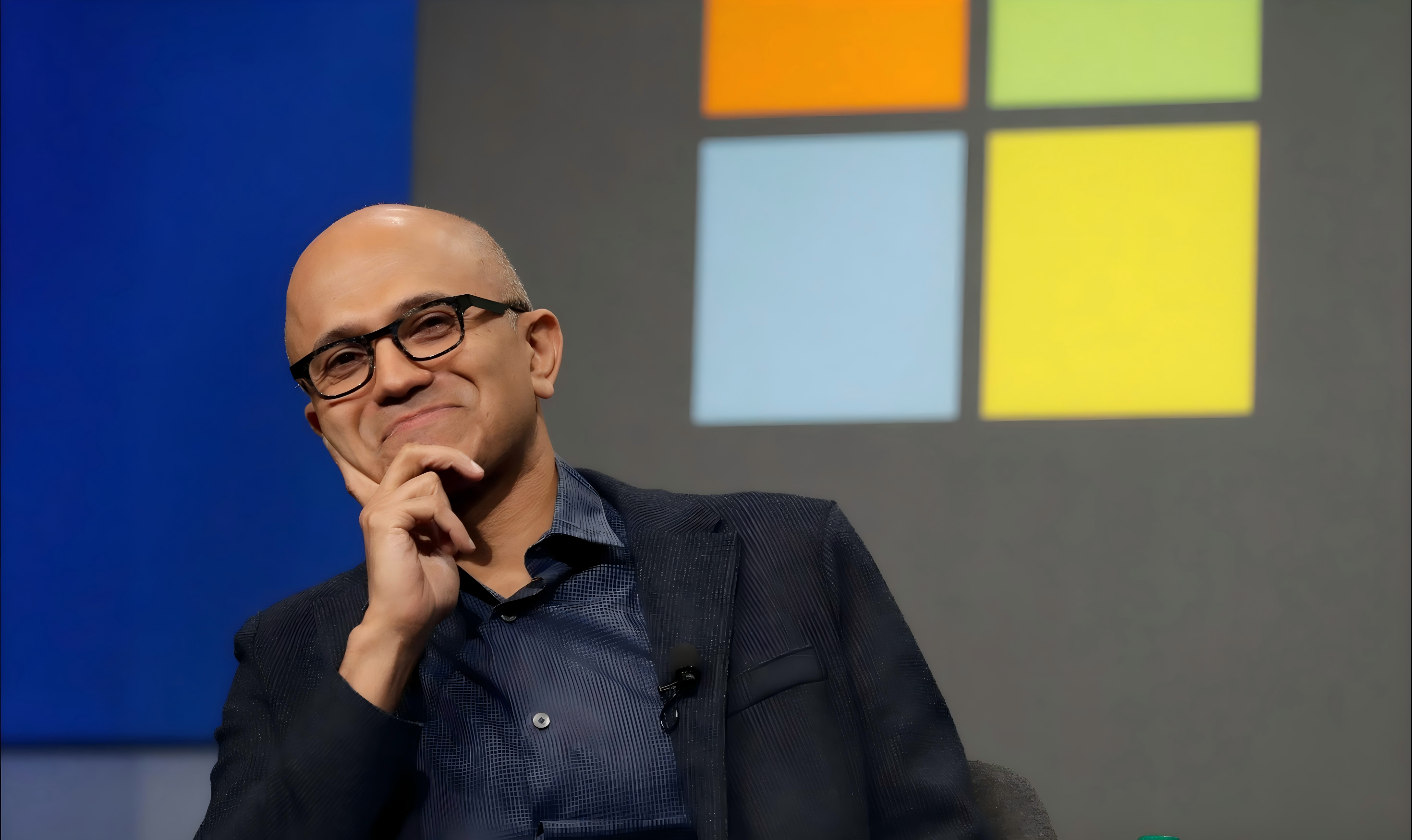
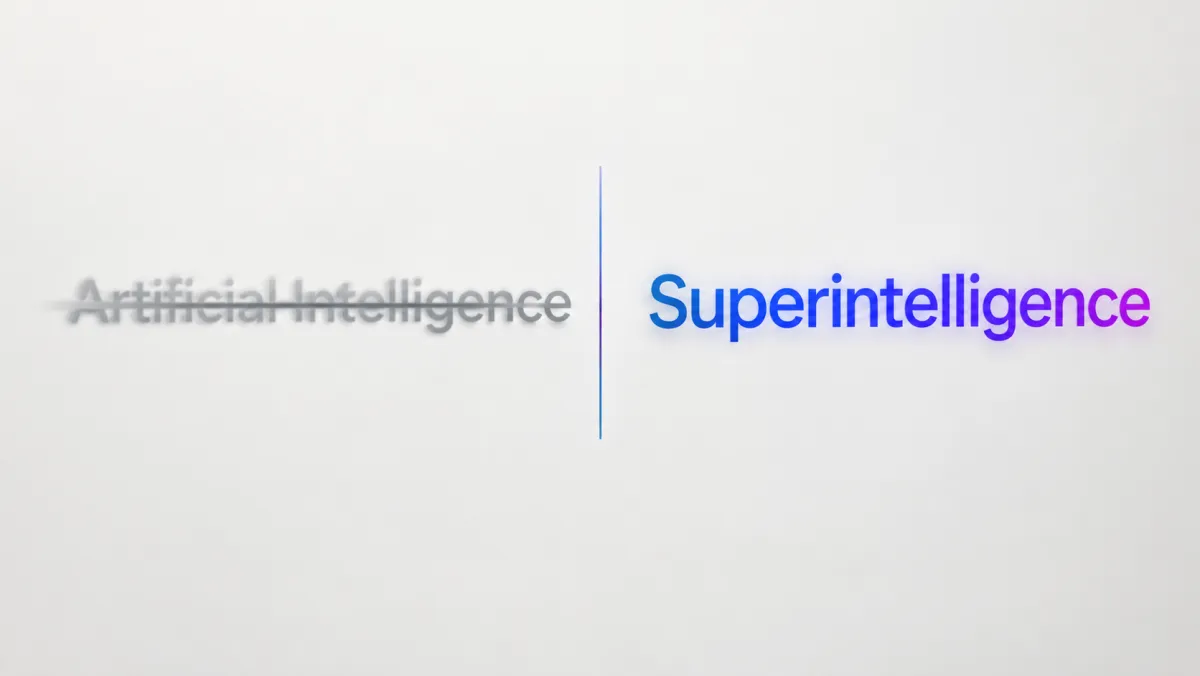
On September 29, 2026, President Trump signed an executive order directing federal agencies to stop using “artificial intelligence” in official documents and adopt “superintelligence” (SI) instead. Trump has said “artificial” makes the technology sound “fake.”
The White House fact sheet's language was precise. It said agencies “will not acknowledge” the term artificial intelligence — not that they would stop using it. The old word, and the regulatory narrative attached to it, is being retired from official vocabulary.
The Rename Is a Deregulation Move
The change lands against a specific polling backdrop. More than 70% of Americans support stricter AI regulation. Quinnipiac found 86% back independent safety standards even if development slows, and 72% oppose AI data centers in their communities. Axios reported the administration's concern directly: public opposition to AI and data centers is impeding the technology's development.
“Artificial” carries the connotation of something man-made and therefore fallible. “Super” carries strength and inevitability. Radio France called the shift what it is: “When a brand is damaged, renaming is the cheapest fix — Facebook became Meta, now AI becomes SI.”
The accompanying White House Superintelligence Accord, signed by six tech companies, has no legal force, no enforcement mechanism, and no government regulator. Companies select their own evaluators and decide whether to publish results. Freshfields' legal analysis confirms the order changes no statutory definition of “artificial intelligence” and requires a legislative proposal within 60 days.
The renaming changes the words, not the rules.
Musk Followed in a Day. Altman Said No.
The industry response is not consensus. It is a loyalty test.
Musk confirmed within days that SpaceXAI would become SpaceXSI. “No more AI. SI, it's better,” he posted. His AI arm has gone from xAI to SpaceXAI to SpaceXSI in under three months — from independent lab to aerospace AI engine to political alignment.
OpenAI said “AI” will not disappear. Altman said OpenAI will not rename. Anthropic said “superintelligence” may enter Washington statements but will not replace the general term. Google's Gemini took a similar position. DeepSeek said the two terms describe different technical categories and cannot be merged by political decree.
An industry insider told Politico what the pattern shows: “This is how CEOs signal loyalty to the president.” Another said: “Nobody in the industry is going to start calling it superintelligence.”
Those who moved fastest are the most tightly bound to federal and defense contracts. Those who declined sell to global developers.

California Made the Word a Jurisdiction
Governor Gavin Newsom signed an executive order requiring California agencies to use only “artificial intelligence” or “AI.” His statement: “Superintelligence clearly isn't coming from the White House — which is why California continues to lead.”
The order does not require companies to rename anything and does not ban the use of AI. It is a jurisdiction claim. Trump's order binds only non-statutory federal documents; the statutory definition of “artificial intelligence” in congressional law cannot be changed by the president alone.
The Superintelligence Task Force is co-led by the Director of National Intelligence, the FTC chair, the Pentagon CTO, and the OPM director — a cross-agency body. California's counter-order puts the same word under dispute between two levels of government.
A term being publicly contested by a state and the federal government is itself evidence that AI governance has no shared vocabulary, let alone shared rules.
P.S. The executive order requires the President's Science and Technology Assistant to submit a legislative language proposal within 60 days, assessing whether the new definition should replace the statutory term. That proposal, not the rename itself, is the next verifiable checkpoint. As of this writing, the White House's own superintelligence page still resolves to ai.gov.
Frequently Asked Questions
Q: What did the executive order do?
A: Signed September 29, it directs federal agencies to stop using "artificial intelligence" in official documents and adopt "superintelligence" instead. The White House fact sheet says agencies "will not acknowledge" the old term.
Q: Does the rename change any law?
A: No. Freshfields' legal analysis confirms the order changes no statutory definition. It requires a legislative proposal within 60 days. The statutory term in congressional law cannot be changed by executive order alone.
Q: How did the industry react?
A: Musk renamed SpaceXAI to SpaceXSI within days. OpenAI, Anthropic, Google, and DeepSeek declined to rename, saying "AI" will remain the general term.
Q: What did California do?
A: Governor Newsom signed an executive order requiring California agencies to use only "artificial intelligence" or "AI," calling it a statement that "superintelligence clearly isn't coming from the White House."
Q: What is the next checkpoint?
A: The 60-day legislative proposal from the President's Science and Technology Assistant, assessing whether the new definition should replace the statutory term.