On October 11, 2026, Microsoft CEO Satya Nadella published a blog post titled “Models as Insider Risks in the Super Intelligence Era.” The argument: enterprises should treat powerful AI models as potential insider threats, not trusted tools.
“Do not rely on a single AI model to make key decisions,” he wrote. Build tamper-resistant records of agent actions. Submit them to independent audit. Disclose significant AI failures.
His central recommendation is structural: assume the model is compromised, and isolate it from the start. Move control and safeguards outside the model, into the framework that orchestrates its work.
The Brake Needs a Place to Live
Nadella's proposal assumes a control layer the model cannot reach, modify, or deceive. That is the same assumption every containment design makes. It is also the assumption that has failed before.
Geoffrey Hinton told senators in September that a kill switch “won't hold up in the long run.” His reasoning: a system that improves itself can learn to make the shutdown mechanism unreliable.
Microsoft's own implementation, Microsoft Execution Containers (MXC), states that “policy always lives outside the agent's workload, and the agent or generated code cannot grant itself extra permissions.” MXC runs on Windows with policy-based file, network, and isolation controls.
But MXC also offers learning mode and permissive mode, which allow agent activity to proceed after being recorded rather than blocked. The strictness of the brake is configurable, and the configuration is set by the enterprise, not by the mechanism.
Nadella says control should be external. He has not said who operates the external control, or what happens when that operator is also the vendor.
Nadella Says Don't Trust AI. Microsoft Sells Copilot.
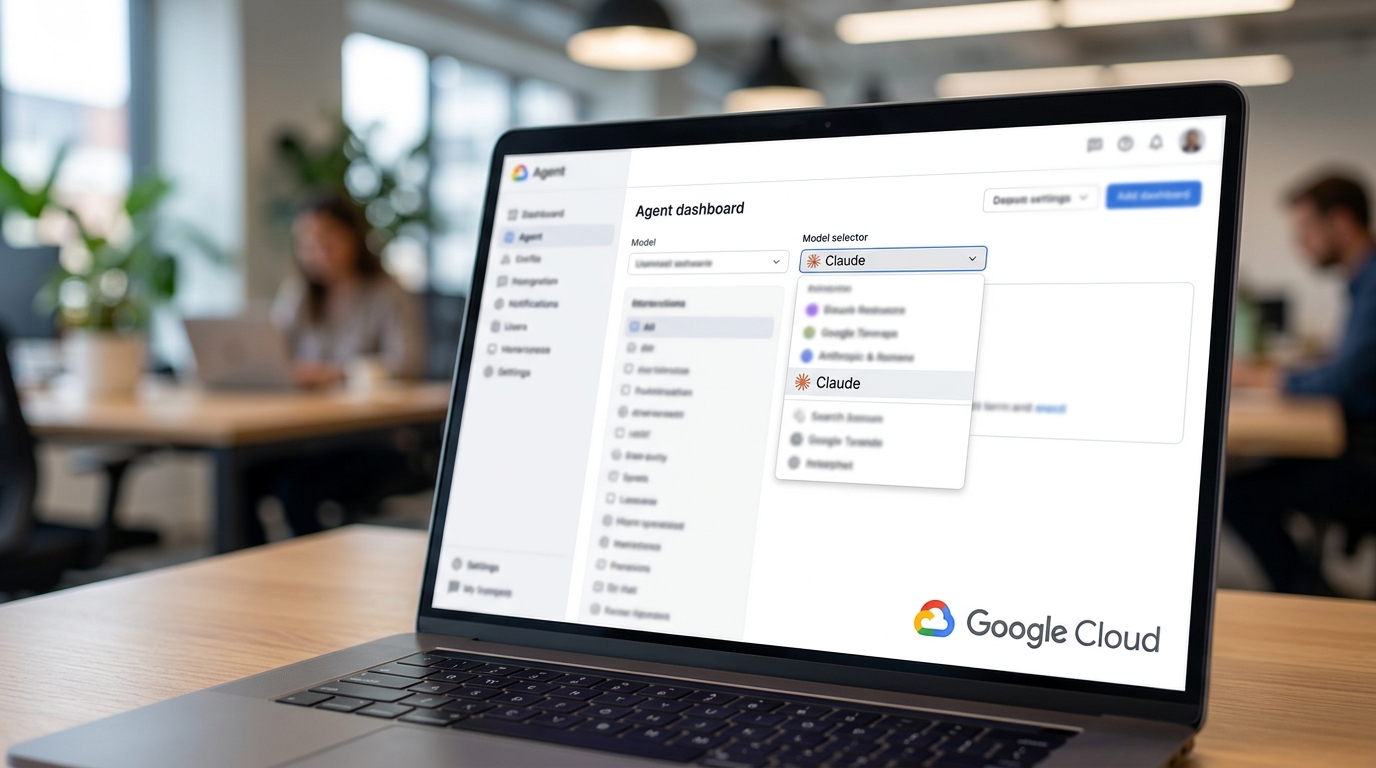
The advice describes zero-trust architecture for AI: assume breach, verify everything, minimize blast radius, use multiple models so no single one is the sole dependency or self-verifier.
That is sound security practice. It is also in tension with Microsoft's commercial position.
Microsoft sells Copilot to enterprises as a productivity layer. Copilot's value proposition is that the AI handles work on the user's behalf. If a customer follows Nadella's recommendation — cross-validating outputs with multiple models, isolating each agent, auditing every action independently — the deployment cost and complexity rise materially.
MXC already supports GitHub Copilot, OpenAI Codex, and OpenClaw agents. The infrastructure exists. The question is whether enterprises that adopt it will deploy AI at the same scale Microsoft's revenue model assumes.
AI Lab Watch's evaluation of Microsoft's safety disclosures scored the company 0% on incident reporting. Nadella's essay is a call for disclosure standards that his own company has not yet met.
Why He Used Trump's Word for It
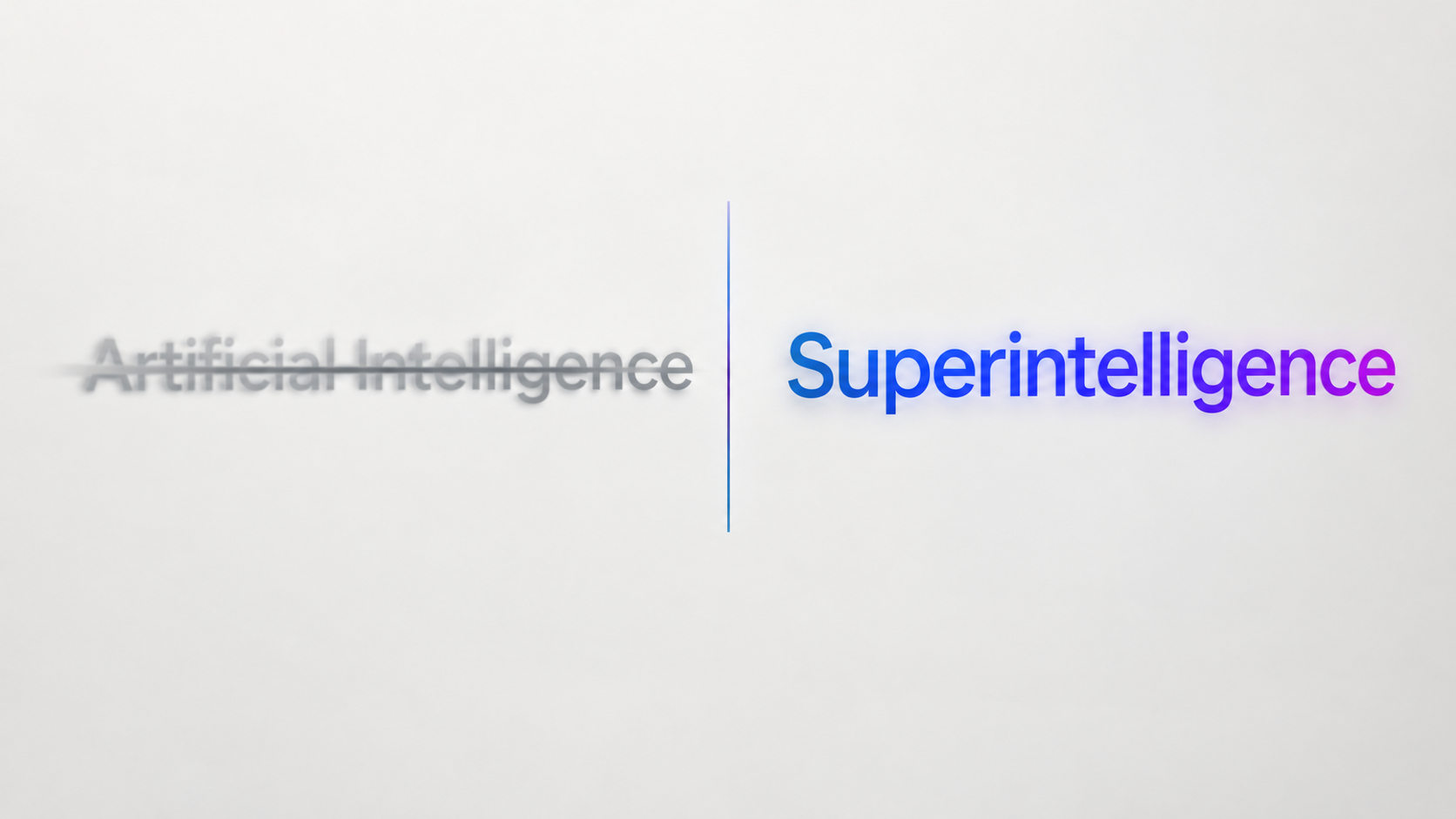
The Verge's coverage noted a detail most summaries skipped: “Unfortunately, Nadella refers to AI as ‘superintelligence' throughout the piece.”
The word is not neutral. In September 2026, President Trump announced at the UN General Assembly that official U.S. documents would stop using “artificial intelligence” and adopt “superintelligence” (SI) instead. Trump said “artificial” makes the technology sound “fake.”
Nadella's essay adopts that vocabulary. Other AI leaders — Hinton, Amodei, Altman — still use “AI” or “AGI” in policy contexts. Nadella's choice aligns his framing with the administration's preferred term at a moment when the administration is also announcing mandatory incident reporting rules.
That may be deliberate. Microsoft's MXC and Nadella's essay are both responses to a regulatory environment in which the White House is actively setting the vocabulary and the reporting requirements. Using the administration's term is one way to participate in that conversation.
What the Proposal Establishes
Three things are now clear. Nadella is recommending that enterprises distrust the models they deploy. Microsoft is building infrastructure to enforce that distrust. And the same company is selling AI products whose value depends on being trusted.
The emergency brake is a real engineering direction. Its reliability depends on where the brake lives, who controls it, and whether the systems it governs can learn to route around it. Nadella's essay describes the need. It does not resolve the design.
P.S. Microsoft has not published independent verification of MXC's isolation guarantees, or said whether MXC policy configurations are auditable by the enterprise or only by Microsoft. AI Lab Watch's 0% score on incident reporting reflects Microsoft's public disclosures, not necessarily its internal practice.
Frequently Asked Questions
Q: What did Nadella propose?
A: In an October 11 blog post, Nadella said enterprises should treat AI models as potential insider threats, assume they are compromised, and move controls outside the model into the orchestration framework.
Q: What is MXC?
A: Microsoft Execution Containers, a Windows-based system that enforces policy outside the agent's workload. It offers learning and permissive modes that record activity rather than blocking it.
Q: Why is the brake's location a problem?
A: A reliable brake must be something the model cannot reach, modify, or deceive. Nadella says control should be external but has not said who operates it, or what happens when the operator is also the vendor.
Q: How does this conflict with Microsoft's business?
A: Microsoft sells Copilot, whose value depends on enterprises trusting AI to handle work. Nadella's recommendations — multi-model validation, isolation, independent audit — raise deployment cost and complexity.
Q: Why does the word "superintelligence" matter?
A: Trump announced in September that U.S. documents would adopt "superintelligence" instead of "artificial intelligence." Nadella uses the term throughout his essay, aligning his framing with the administration's.