The 2026 World Artificial Intelligence Conference in Shanghai became an unlikely showcase for the next battleground in consumer tech: the AI phone. Three devices, each claiming to be "world's first," offered three radically different answers to the same question. And none of them have figured out the hard part yet.
Core Specs and Test Results
Dimension | Honor Robot Phone | Nubia NaviX Ultra | StepFun STEPX Neo |
|---|---|---|---|
Approach | Hardware-defined AI ("Physical AI") | Agent-defined AI (GUI + MCP) | OS-defined AI (Native Agent OS) |
Core Differentiator | 4DoF titanium mechanical gimbal | Cross-app GUI agent + active memory | Step AOS, built from scratch for agents |
AI Partner | Alibaba Qwen | ByteDance Doubao | Trip.com, Alipay, Didi, Meituan, WPS |
Processor | Snapdragon 8 Elite Gen 5 | Snapdragon 8 Elite Gen 5 | TBD |
Battery | ~6000mAh, 120W fast charging | 7000mAh, 90W wired + 100W wireless | TBD |
Display | 6.3-inch, 1.5K | TBD | TBD |
Main Camera | 200MP F1.6 gimbal main + 200MP periscope telephoto + 50MP ultra-wide | 50MP triple camera | TBD |
Stabilization | CIPA 5.5, 96% walking shake compensation | — | — |
AI Response Speed | Gimbal pops out in 0.8 sec | Multi-step tasks: 30 sec average | Memory recall: 15ms; on-device tasks: ~100ms |
Task Error Rate | — | Claims 42% reduction | — |
Intelligent Terminal Certification | — | — | L3-level (highest available, only certified) |
WAIC Award | — | SAIL Award | "Zhen Guan Zhi Bao" |
Release Timeline | Q3 2026 (pre-orders open) | TBD (mass production planned) | TBD (October 2026 demo, L3 certified) |
Tested Issues | Gimbal power draw +30%, heavy use ~3-4hrs; yield rate reported at 63% for first 500K units | 1st-gen blocked by WeChat/Taobao; 2nd-gen shifting to MCP protocol | Ecosystem partners don't include WeChat/Taobao/TikTok yet |
Core Risk | Will users pay extra for a "dancing camera"? | App makers may refuse to open APIs | Ecosystem must be built from scratch |
Honor Robot Phone: The "Hardware-First" Bet
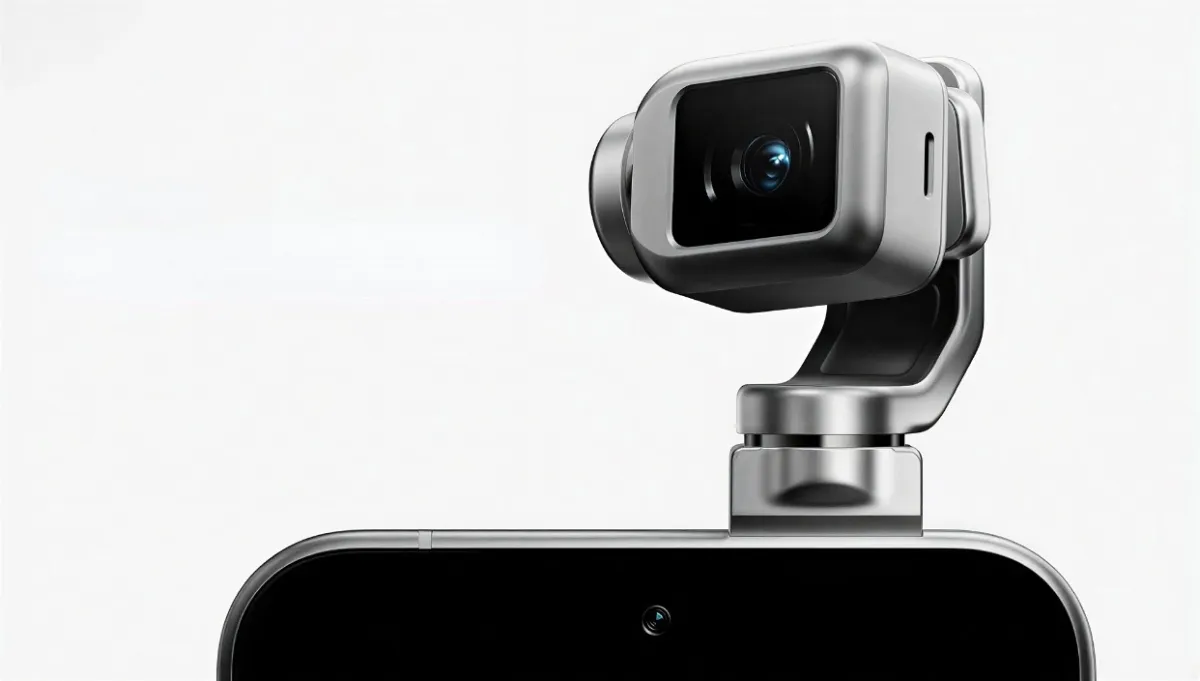
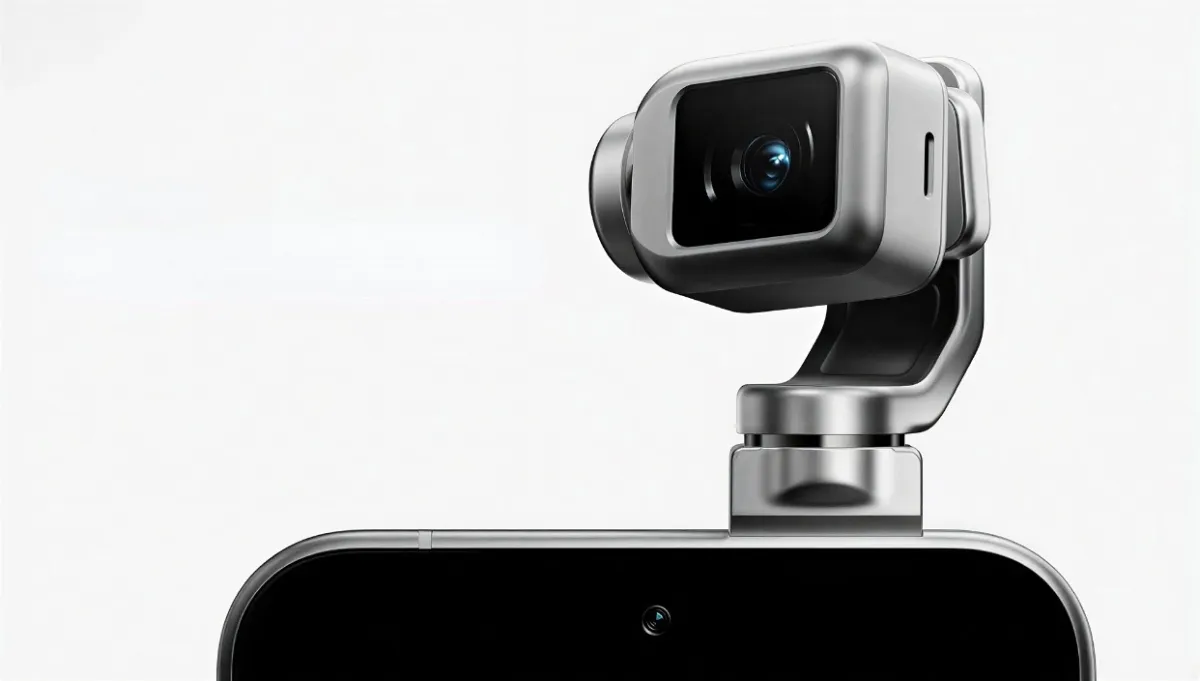
Honor's Robot Phone is the most visually striking of the three. It integrates a four-degree-of-freedom titanium mechanical gimbal into the phone body — a camera that physically moves, follows subjects, and creates cinematic tracking shots . The mechanism pops out in 0.8 seconds, rotates 360 degrees horizontally with ±180-degree tilt, and offers CIPA 5.5-level stabilization with 96% walking shake compensation .
The hardware specs are competitive: 200MP F1.6 gimbal main camera, 200MP periscope telephoto, 50MP ultra-wide, ARRI Log-C encoding and LUTs, Snapdragon 8 Elite Gen 5, ~6000mAh battery with 120W fast charging . The gimbal has passed 100,000 lift-and-rotate durability tests .
But the numbers reveal engineering trade-offs. In May 2025 tests, gimbal activation increased power draw by 30% compared to same-chip conventional phones; sustained heavy filming lasted 3-4 hours, normal use about 6.5 hours . At MWC 2025, after 20 minutes of continuous gimbal operation, the mechanism showed noticeable heating and a 15% drop in response speed . The micro-motor yield rate for the first 500,000 units was reportedly only 63%, with daily gimbal assembly capacity under 8,000 units .
The question is not whether the hardware works — it's whether users will carry the extra weight and thickness when a $30 third-party gimbal does the same job . Honor's counterargument: it competes against "a flagship phone + a Pocket combo," not a standalone gimbal .
Nubia NaviX Ultra: The "Agentic Delegation" Bet
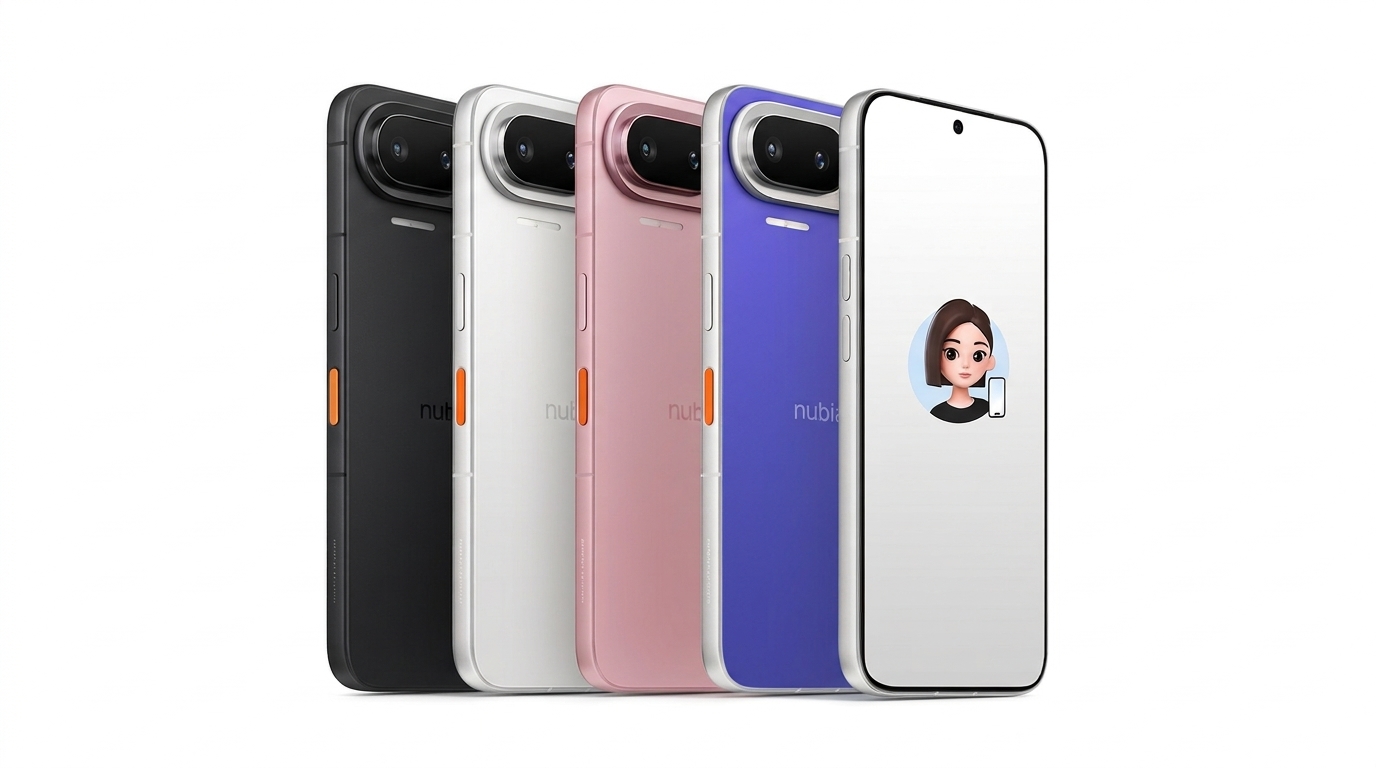
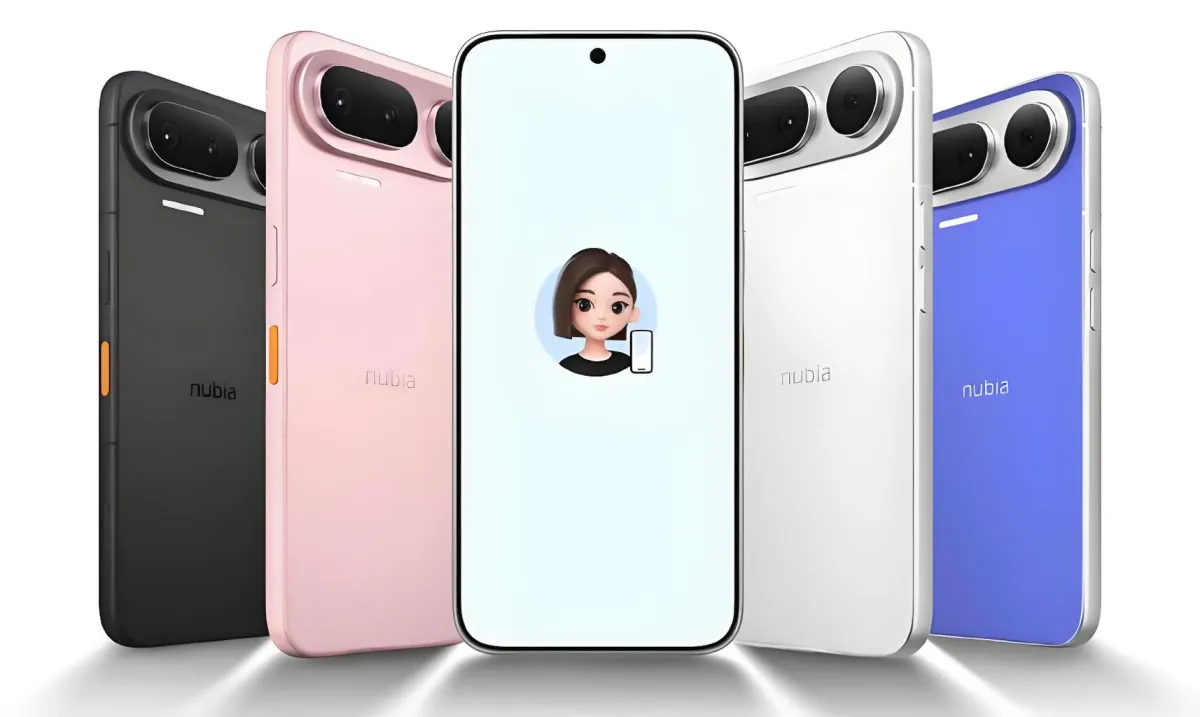
Nubia's NaviX Ultra (the second-generation "Doubao phone") takes the pragmatic middle path. It keeps Android but gives ByteDance's Doubao assistant deep system-level access to operate apps and complete multi-step tasks across them . The device boasts a 7,000mAh battery, Snapdragon 8 Elite Gen 5, 50MP triple camera, and a dedicated orange AI button .
Hands-on testing at WAIC reveals the practical reality . When asked to "find two cat videos on Douyin," the assistant autonomously opened the app, searched, and returned results in about 30 seconds. Real-time task progress displayed execution steps, thought processes, and visual animations. Multi-task queuing was demonstrated: simultaneously requesting Douyin search, flight search on Qunar, and iced Americano order on Luckin — unprocessed tasks automatically entered a queue .
The key differentiator is "active memory." The system remembers user preferences and favorites across apps, creating a sense of the phone getting smarter with use . Nubia's core four metrics: natural language understanding, task completion, habit memory, and privacy protection .
However, the first-generation Doubao phone was blocked by WeChat, Taobao, and banking apps within days of launch because its GUI-based "simulated tap" approach was flagged as automated, abnormal behavior . The second generation shifted to MCP and A2A protocols, where apps voluntarily expose capabilities rather than being operated through system-level taps. But the underlying tension remains: app owners decide whether to participate, not the phone maker .
StepFun STEPX Neo: The "OS Rewrite" Bet
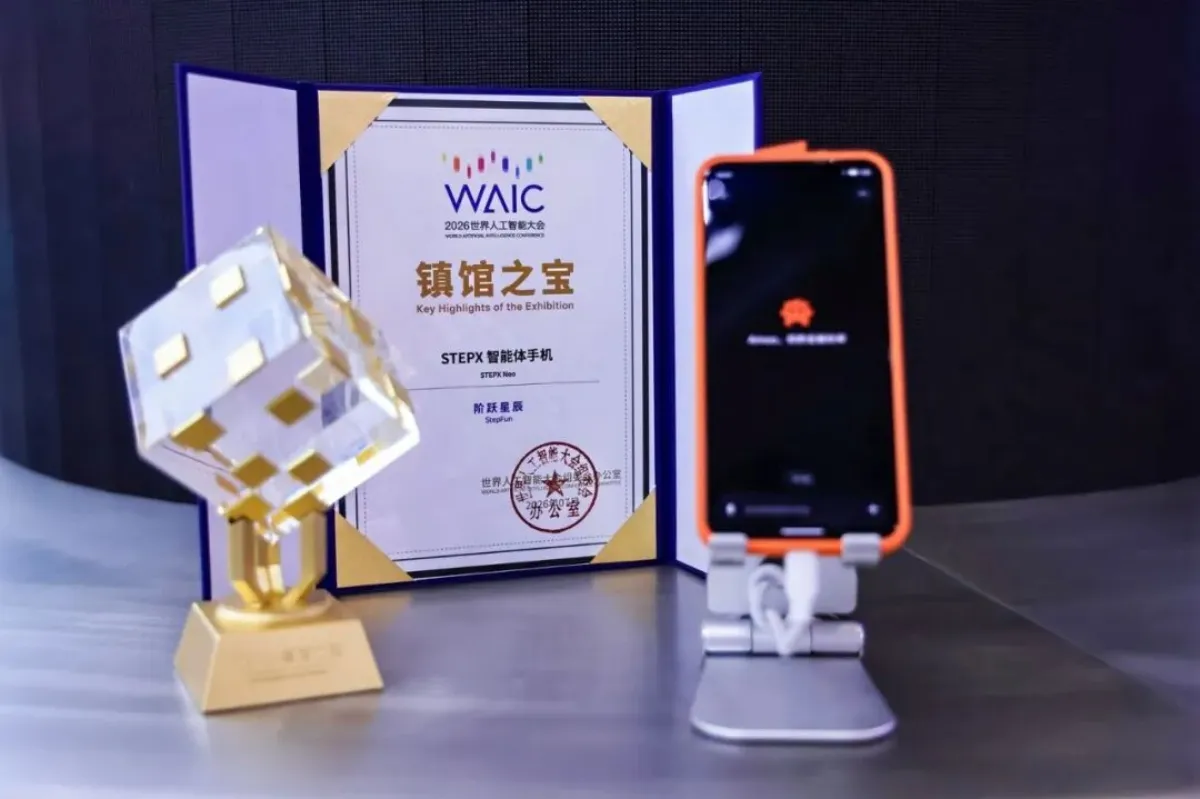
StepFun's STEPX Neo is the most ambitious of the three. It runs Step AOS, an operating system built from scratch for AI agents — not Android with an AI assistant bolted on . The phone has no app icons in the traditional sense . The interface is a single conversation box where users state intent, and the agent handles the rest .
The core innovation is a "dual-domain memory" system: user domain records preferences and habits, agent domain accumulates execution experience . StepFun claims memory recall in everyday queries takes as little as 15 milliseconds . Routine tasks like setting alarms are handled on-device in about 100 milliseconds .
The device earned L3-level intelligent terminal certification — the highest level currently available for open testing, and the only one to achieve it . It won WAIC's "Zhen Guan Zhi Bao" award .
StepFun founder Yin Qi framed it as a fundamental choice: "On an old system, an agent is always a visitor. Build it a house, and it becomes a resident" .
The vision is compelling. But the practical ecosystem challenge remains. The first batch of partners includes Trip.com, Alipay, Didi, Meituan, WPS, and Jianyin — but not WeChat, Taobao, or TikTok . Those are the apps that would actually make the phone useful for most users. StepFun claims to be in "deep discussions" with Tencent, but that's exactly where the first-generation Doubao phone crashed .
One Crucial Shared Flaw
All three share one crucial flaw: none has solved the "80% problem." A 5-step cross-app task, where each step has a 90% success rate, only succeeds 59% of the time . In real-world usage, that's not a "smart" phone; it's a frustrating gamble. Reliability, not capability, is the real barrier to AI phones becoming mainstream.
Nubia itself acknowledges this: "The fourth and most important [challenge] is security and privacy" . The transition from "single success" to "stable experience" is the hardest part of engineering an agentic phone . StepFun's ecosystem partners are hand-picked; Nubia's app integration is still navigating permission regimes; Honor's mechanical solution is elegant but creates a new set of engineering problems.
The Verdict
If you're a product manager at any phone maker, the WAIC lineup is a useful reminder: the race isn't about who ships first — it's about who solves the 80% problem. Who can make an AI that actually works, reliably, across enough apps and contexts, that users stop treating it as a feature and start treating it as infrastructure? That's probably still three years away. And the company that gets there first might not be the one with the flashiest demo. It will be the one that figured out the hard part.
P.S. If you're a product lead at a phone maker, the WAIC lineup is a useful reminder: the race is not about who ships first. It's about who solves the 80% problem — who can make an AI that actually works, reliably, across enough apps and contexts, that users stop treating it as a feature and start treating it as infrastructure. That is probably still three years away, and the company that gets there first might not be the one with the flashiest demo. It will be the one that figured out the hard part.