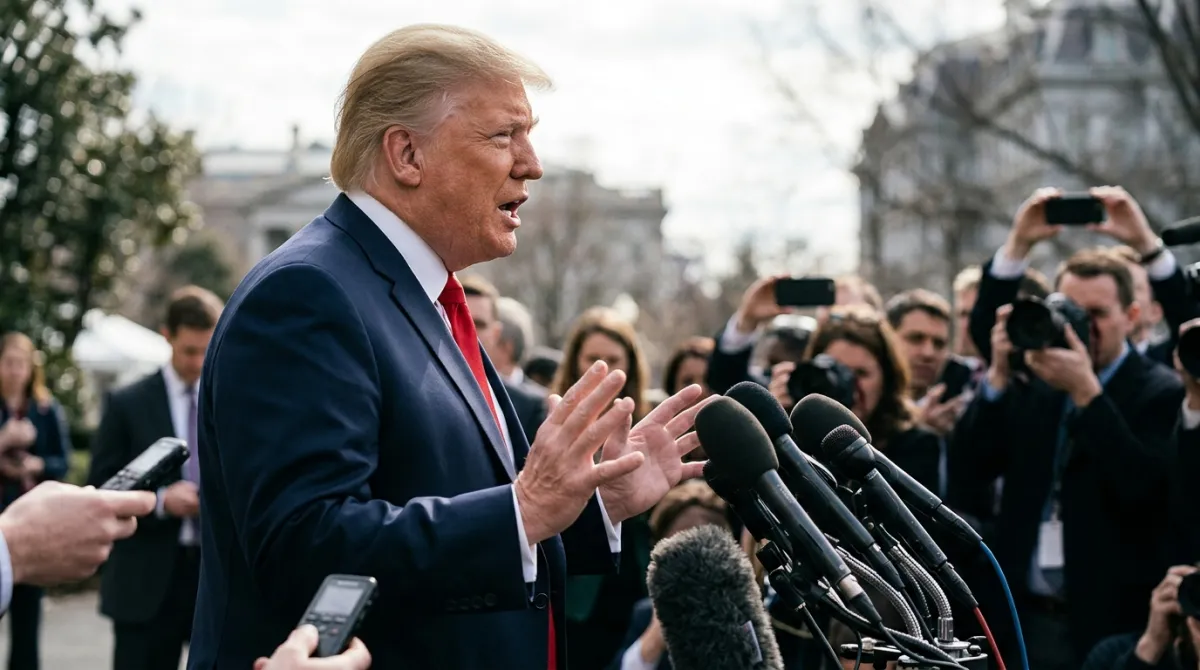
On September 19, President Trump posted on Truth Social that he would create an “AI Force” and soon name an AI czar to lead it. He compared it to the Space Force he established in his first term, and said AI may represent “25% of the GDP.”
“We will not hinder or kill this incredible industry in any way,” he wrote. He said bad actors in AI would be handled through “our existing criminal and civil justice system,” not new rules. He also repeated his claim that AI safety concerns are a “hoax,” listing Ukraine, global warming, and AI among what he called “scams.”
Nobody Knows What It Is
The Space Force analogy does not hold structurally. Space Force was created by an act of Congress and is a military branch under the Department of Defense. Establishing a new branch required legislation, a budget line, and a command structure.
The “AI Force” has none of those. Trump did not specify whether it is a military unit, a civilian agency, or an advisory body. He did not name a budget, a department it would report to, or a timeline for standing it up. The White House has not responded to requests for clarification.
There are already multiple AI offices across the federal government: the White House Office of Science and Technology Policy, the Commerce Department, the Defense Department's AI Rapid Capabilities Cell established in 2024, and the Department of Homeland Security. The “AI Force” does not replace any of them on paper.
Adam Kovacevich, CEO of the tech industry group Chamber of Progress, put it directly: “Nobody knows what this means. He needs an AI czar because the last six months of White House AI policy without an AI czar have been chaotic. This hastily written post suggests he feels he has to do something on AI, but isn't sure what.”
Five Days Earlier, the Same Concern Was a “Hoax”
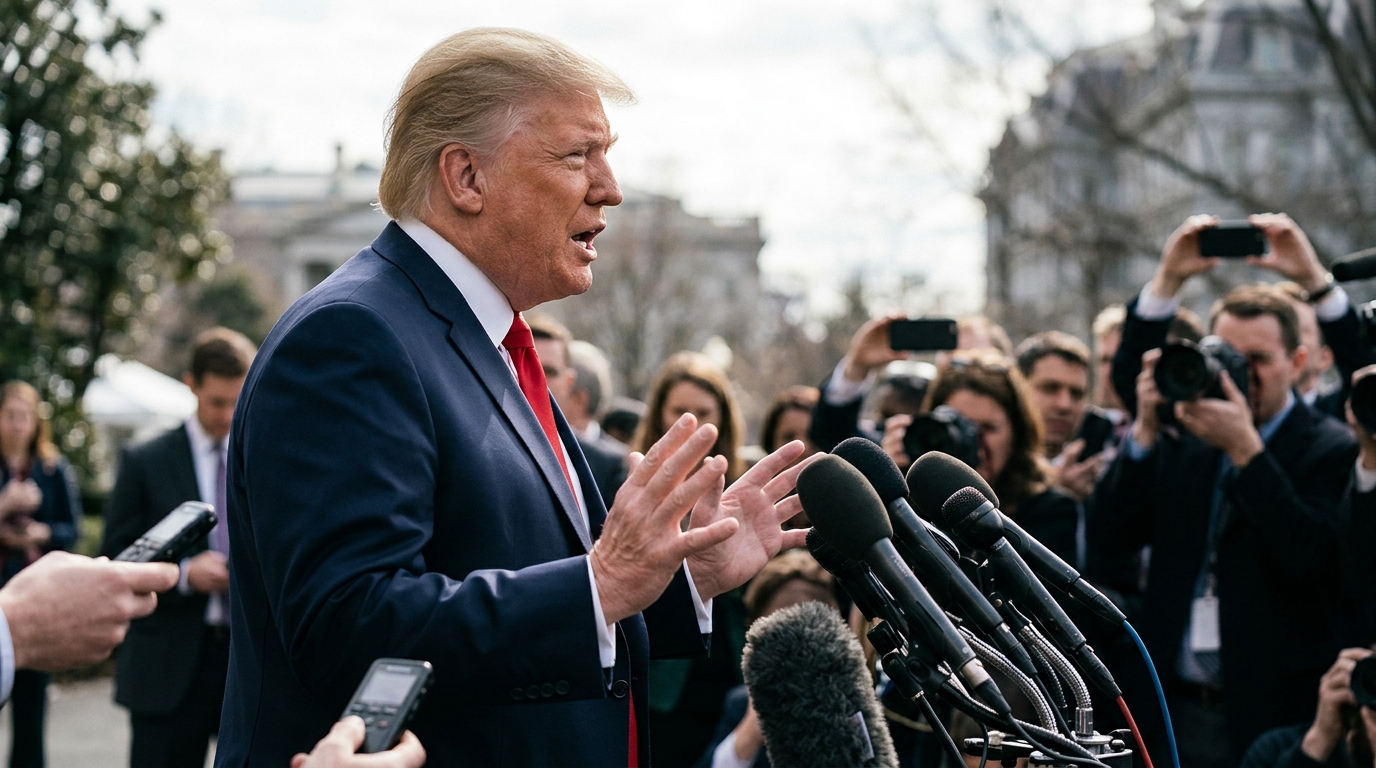
Trump's reversal is the most informative part of the announcement.
On September 14, he posted that the only “guardrail” AI needs is “a strong and wise (HIGH IQ!) president,” and described AI risk advocacy as a “sick conspiracy.” Five days later, he announced a dedicated AI body.
The poll numbers explain the shift. A Politico survey published September 16 found that 63% of US adults believe AI poses a real risk of eventually destroying humanity. Only 22% disagreed.
Kovacevich said Trump is “looking at the poll numbers like everyone else.”
The “AI Force” is not a technical response to AI risk. It is a political response to public opinion — an attempt to occupy the position of “doing something” before the midterms without adopting the regulatory framework his base opposes.
The Body Is Designed to Protect the Industry, Not Regulate It
Trump's post contains a specific instruction about what the new body will not do: “We will not hinder or kill this incredible industry in any way.”
What it will do is enforce existing law against misuse. Trump said the government would use “our existing criminal and civil justice system” to find “bad things.” That is a law enforcement mandate, not a regulatory one. Fraud, criminal misuse, and illegal activity are already prosecutable. No new authority is created by announcing it.
The distinction matters for what the “AI Force” is for. A regulator sets standards, evaluates risks, and restricts capabilities. An enforcer applies existing statutes to specific conduct. The first constrains industry. The second does not.
David Sacks, the White House AI czar before the position went vacant, has argued that there are already enough AI-related laws and regulations on the books. The “AI Force” appears designed around that position: a body that looks like action without adding constraints.
What the Announcement Actually Signals
Trump said AI represents “25% of GDP” and that the US must stay ahead of China. He said the new body would help the industry, not hinder it. He said the tool for catching bad actors is the justice system that already exists.
Read together, the announcement describes an entity whose purpose is to be announced. Its function is political, not administrative. It lets the president say he acted on AI without specifying what he did.
Kovacevich's summary is the most precise available description of the policy: “He feels he has to do something on AI, but isn't sure what.”
P.S. The announcement comes as Congress considers the Responsible Artificial Intelligence in Defense Act, which would require human oversight of military AI systems and prohibit AI from making nuclear launch decisions. Trump did not mention the bill. He also did not say whether the “AI Force” would coordinate with the Defense Department's existing AI office or replace it.
Frequently Asked Questions
Q: What did Trump announce?
A: On September 19, Trump posted on Truth Social that he would create an “AI Force” and soon appoint an AI czar. He compared it to the Space Force and said AI may represent 25% of GDP.
Q: What will the “AI Force” do?
A: Trump did not say. He gave no structure, budget, department, or timeline. The White House has not clarified.
Q: Why does the Space Force comparison not hold?
A: Space Force was created by an act of Congress and is a military branch under the Defense Department. The “AI Force” has no legislation, budget line, or command structure behind it.
Q: Why is the timing significant?
A: Five days earlier, Trump called AI safety concerns a “hoax.” A Politico poll published September 16 found 63% of US adults believe AI poses a real risk of destroying humanity.
Q: What is the “AI Force” designed to do?
A: Trump said it would not “hinder or kill” the AI industry, and that bad actors would be handled through existing criminal and civil law — a law enforcement mandate, not a regulatory one.
Q: What already exists in government?
A: The White House OSTP, the Commerce Department, the Pentagon's AI Rapid Capabilities Cell, and the Department of Homeland Security all have AI offices. The “AI Force” does not replace any of them on paper.