
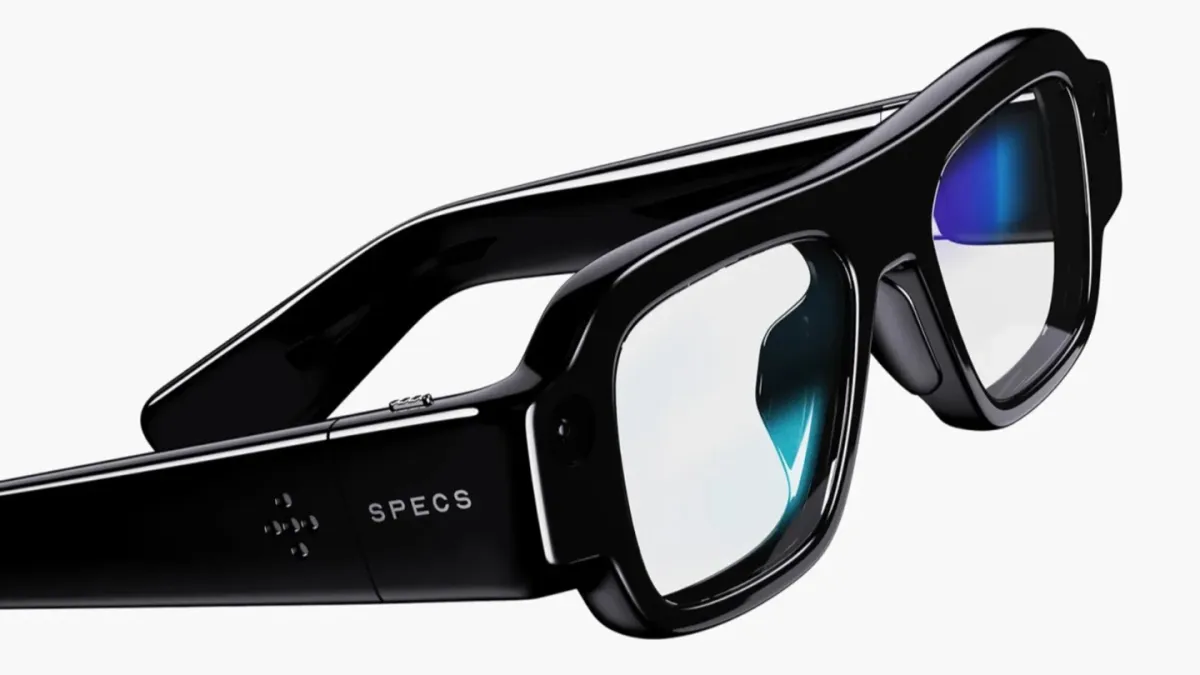
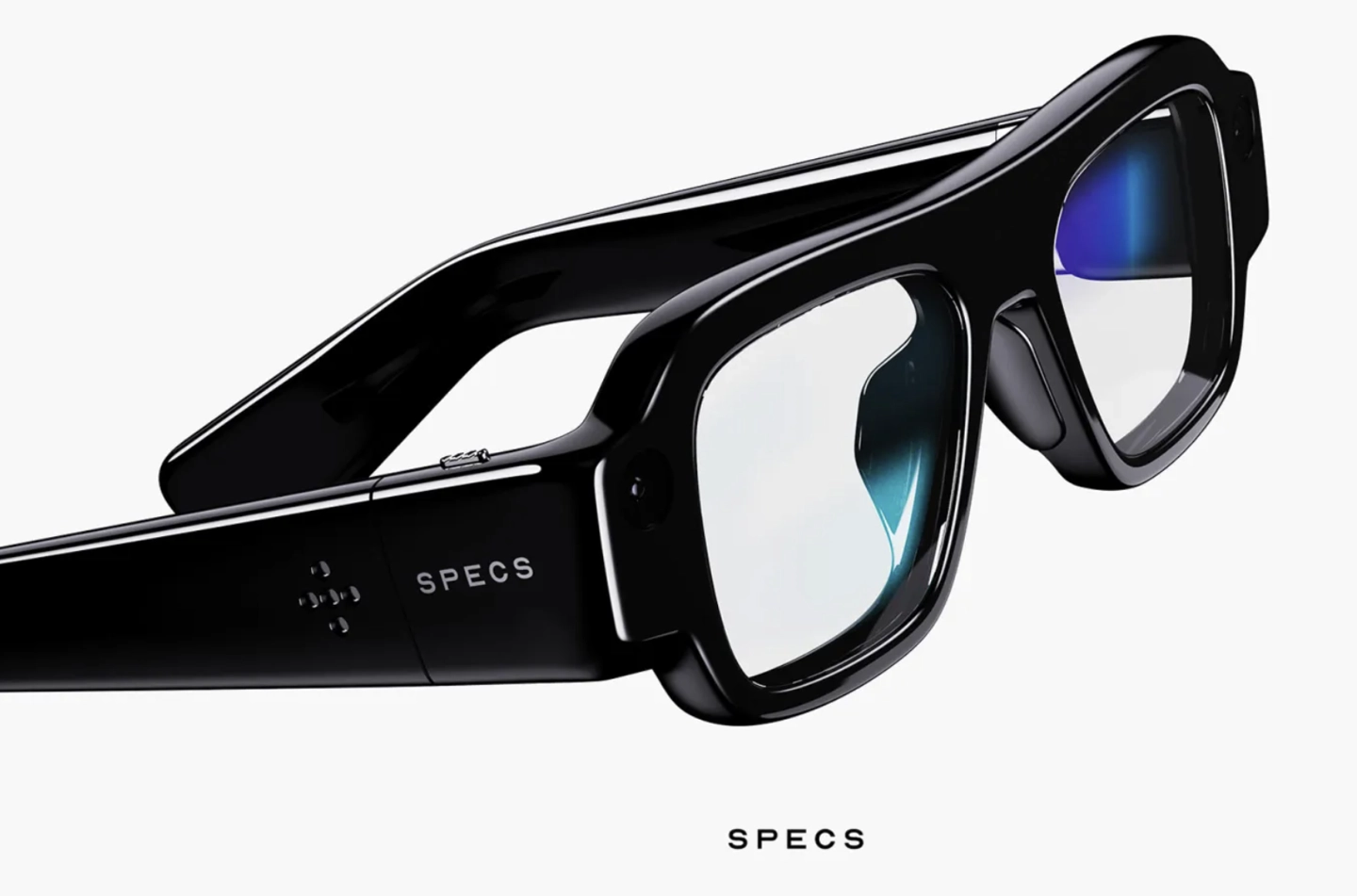
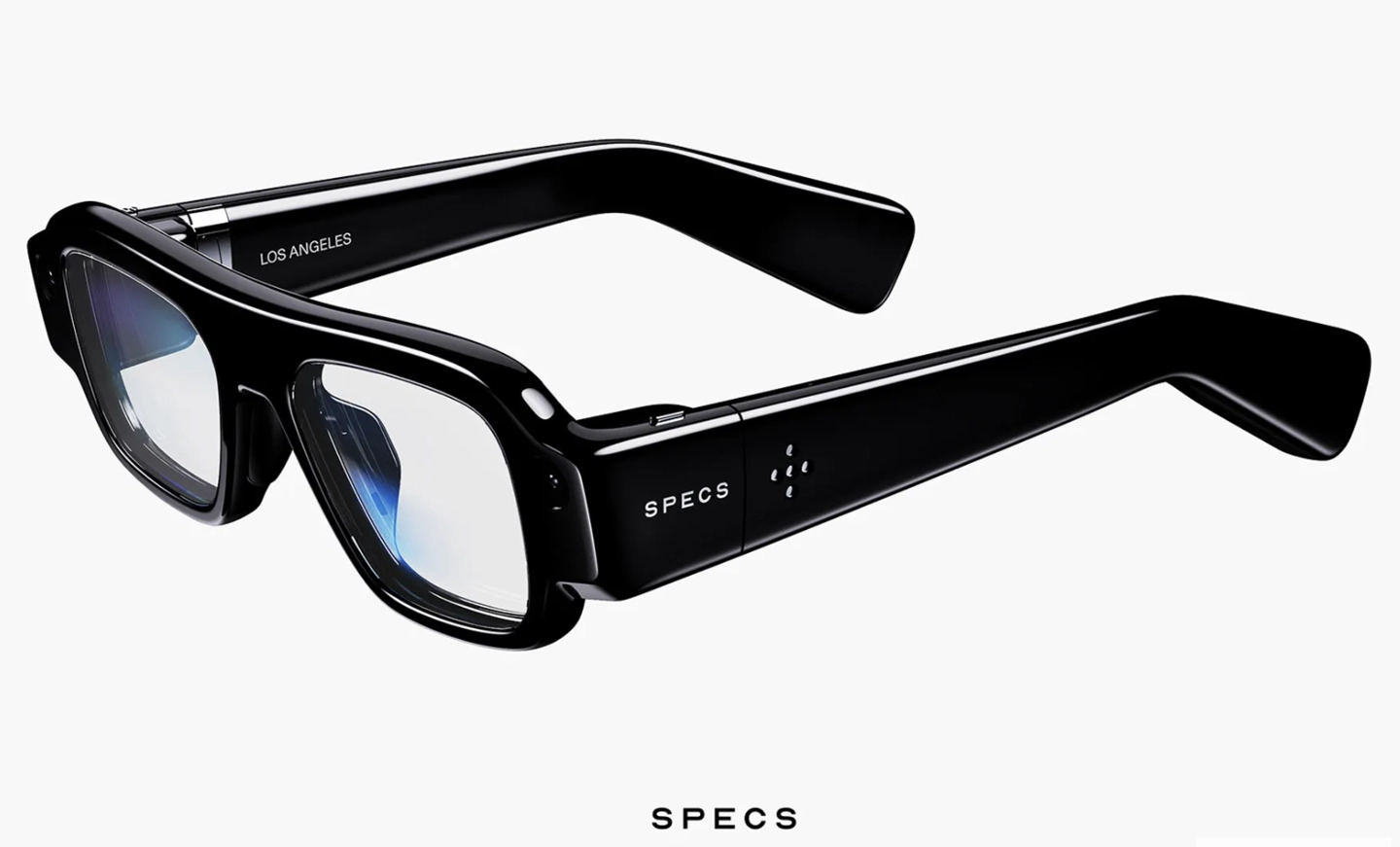
Snap released Specs on June 16. It is the first consumer AR glasses that works without a phone. Two Snapdragon processors. 51-degree LCoS display. Electrochromic lenses that switch from clear to dark in 10 seconds. 132 grams. Four-hour battery life. $2,195 .
The stock dropped 5% on the announcement . Investors saw the price and walked away.
Evan Spiegel, Snap's CEO, called it "a middle product" between Meta's Ray-Ban and Apple's Vision Pro . The problem is that the middle is the hardest place to be — not cheap enough to be accessible, not powerful enough to justify the premium.
The Market Is Moving Toward AR, but Slowly
The industry is rotating toward lightweight smart glasses. Omdia projects AR display shipments to hit 4.1 million units in 2026 — up 154% from last year . Counterpoint reports that global smart glasses shipments grew 83% year-over-year in Q1 2026, with AR glasses up 136% and non-display AI glasses up 210% .
Meta leads the category with roughly 82-84% market share, but its Ray-Ban glasses have no display . They are audio glasses with a camera, not AR glasses.
Rokid leads the waveguide AR category with 41% market share, followed by Meta at 38% . RayNeo leads the Birdbath AR category with 41% . The market is fragmented by technology, not unified by product.
The Product Is a Decade in the Making
Snap has been working on AR glasses for ten years. The first Spectacles shipped in 2016 — camera glasses, no AR, no AI, a $40 million write-off. The AR versions in 2021 and 2024 were developer-only.
Specs is the first version for consumers. The software is where Snap has an edge: Snapchat has over 350 million daily active AR users, and its Lens Studio has been training AR developers for years . Snap acquired Looksery in 2015 for its facial tracking tech, Illumix in 2026 for spatial AR. The OS is built for AR, not adapted from a phone OS.
But the hardware trade-offs are real. Four-hour battery life means it's not an all-day device. 132 grams is heavier than Meta's Ray-Ban (around 70 grams). The 51-degree field of view is not immersive compared to Vision Pro's 100+ degree FOV.
The Price Is the Problem
IDC analyst Jitesh Ubrani said it plainly: high inflation is a terrible time to launch a premium product — and Snap's core audience skews young and cannot afford this .
Evan Spiegel told CNBC that the price is justified because it's a "computing device," not a "phone accessory." He compared it to the first Macintosh, which cost roughly $8,000 in today's dollars when it launched in 1984 . The difference is that the Mac had a clear productivity use case. Specs does not — yet.
Three Competing Visions
The AR glasses market is split into three routes:
Vision | Product | Price | Weight | Display | Strategy |
|---|---|---|---|---|---|
No display AI | Meta Ray-Ban | ~$224 | ~70g | None | Cheap, familiar, high volume |
AR display | Snap Specs | $2,195 | 132g | 51° FOV | Bold, early, high-risk |
High-end headset | Apple Vision Pro | $3,499 | ~600g | ~100° FOV | Premium, immersive, expensive |
The Window
Snap is first to market with a consumer AR product that works standalone. Meta's Orion consumer version is expected in late 2027. Apple's AR glasses are expected in 2027, with no display in the first generation .
But being first is not the same as winning. Snap needs to prove that enough users will pay $2,195 for a device that can't last a full workday and doesn't have a killer app. The market is saying "not yet."
P.S. Snap Specs is the boldest consumer AR product in years. It is also the most expensive, the heaviest, and the least proven. The industry is rotating toward AR, but the rotation is slow. The product is impressive. The timing is uncertain.
Frequently Asked Questions
Q: How much does Snap Specs cost and when will it ship?
A: Snap Specs costs $2,195 with a $200 refundable deposit for preorders. Shipping begins fall 2026 in the US, UK, and France . The glasses come in two sizes: 47mm at 132 grams and 52mm at 136 grams.
Q: What makes Snap Specs different from Meta Ray-Ban and Apple Vision Pro?
A: Specs is a fully standalone AR computer that doesn't require a smartphone tether . It sits between Meta's screen-free AI glasses (~$350) and Apple's Vision Pro headset ($3,499) . Meta prioritizes wearability with no display; Apple prioritizes immersion with a headset form factor; Snap prioritizes independent AR in a glasses form factor.
Q: What are the core specs?
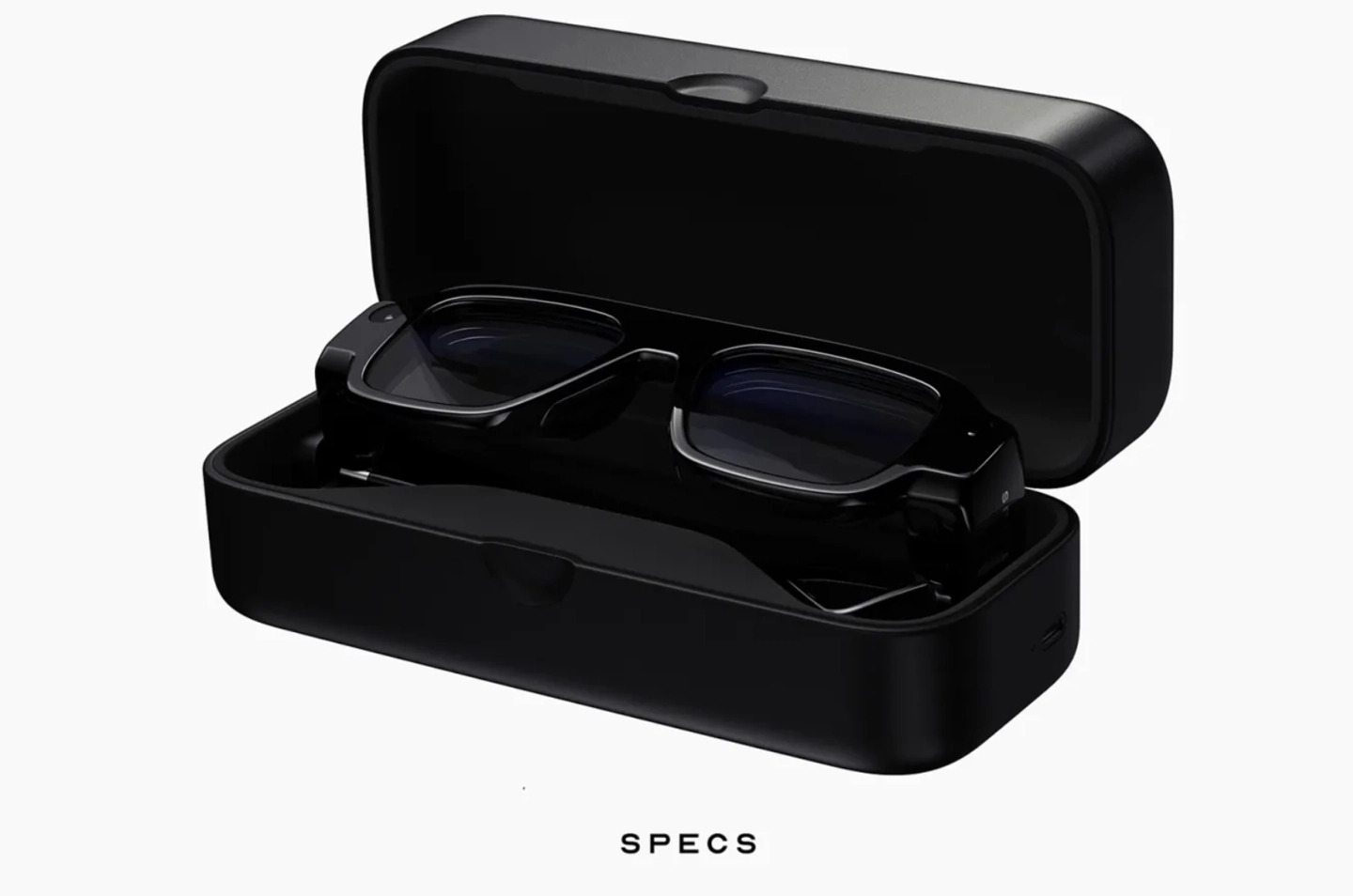
A: 51-degree field of view, dual Snapdragon processors, hand tracking with 7ms latency, LCoS display supporting 16 million colors, electrochromic lenses that switch in 10 seconds, and 4-hour battery life (20 hours with the charging case) .
Q: Why did Snap's stock drop after the announcement?
A: Shares fell 5-10% due to concerns that the $2,195 price is too high for Snap's core young audience and that the category lacks a proven mass-market use case . IDC analysts noted that high inflation makes this a difficult time to launch premium hardware .
Q: Is there a killer app for Specs?
A: Not yet. Use cases include a private display for streaming and remote work, "contextual AI" that answers questions about what you're looking at, spatial navigation, and AR gaming via "EyeConnect" (shared experiences through eye contact) . Hundreds of developer Lenses exist, but Snap has not demonstrated a must-have daily use case .
Q: Has Snap done AR glasses before?
A: Yes. The first Spectacles (2016) were camera-only and lost $40 million. Developer-only AR versions followed in 2021 and 2024. Specs is the first consumer AR version after more than a decade of development and over $3.5 billion spent, with more than 7,000 AR-related patents filed .
Q: Who is the intended user for Specs?
A: Early adopters and developers, not the mass market. Snap CEO Evan Spiegel acknowledged the first generation is more of a smartphone supplement than a replacement . IDTechEx noted the device is not comfortable enough for extended use and the eyepiece transparency is low, creating social barriers for mainstream adoption .
Q: How does Snap Specs compare to Google Glass?
A: Both are standalone wearable computers in glasses form factors — the category Google Glass tried and failed to create . Specs improves on the concept with more advanced AR capabilities (51° FOV, hand tracking) and better social acceptability, though the $2,195 price and 132g weight remain significant barriers .