
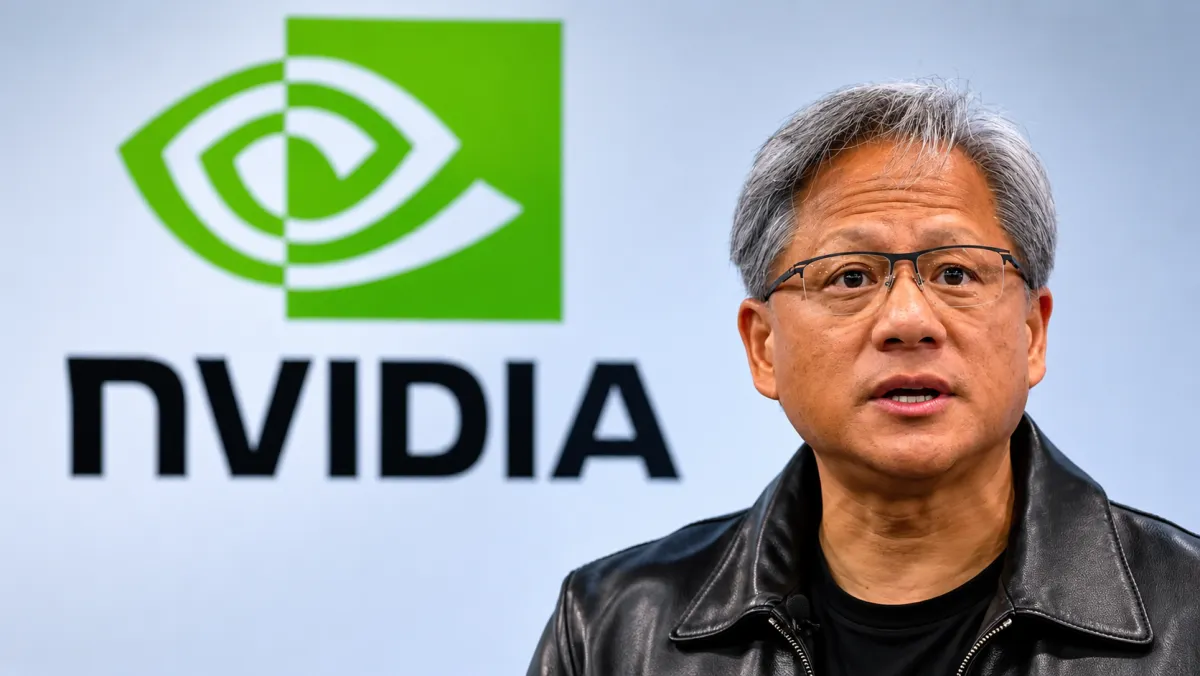
On November 20, 2026, Nvidia fell 14% in a single session, its seventh consecutive decline. The week's cumulative loss reached about 23%. The Nasdaq dropped 5.28%, the Philadelphia Semiconductor Index fell 10.73%, and the S&P 500 entered correction territory. The immediate trigger was a Reuters report that the SEC is examining Nvidia's accounting practices. The report did not specify what is under review, when the inquiry began, or whether enforcement action is likely.
Nvidia's earnings earlier in the week were not weak. Third-quarter revenue was $115.8 billion, up 103% year over year. Data center revenue reached $107.6 billion, up 110%. Fourth-quarter guidance was $130 billion. Interim CEO and CFO Colette Kress said the Vera Rubin platform had begun shipping.
The earnings did not break. Something else did.
Kress opposed the financing before Huang left
A Reuters report on November 12 disclosed a fact Chinese coverage missed: Kress had been the only executive willing to push back against Huang's multibillion-dollar AI investments for years.
The conflict centered on circular financing. Huang offered guarantees and financing to new cloud companies and startups that could not otherwise afford Nvidia chips, so they could use the money to buy Nvidia chips. Kress and her staff clashed with Huang and the sales team over these arrangements, including investments in OpenAI and infrastructure companies like Lambda.
One concrete figure: a proposed $25 billion support package for OpenAI's Ohio data center was pared down to $12 billion. Kress questioned the pricing logic and return calculations internally.
SBS reported a sharper detail: Huang once convened a summer meeting because he was concerned the circular financing had grown too large, but at that meeting he berated Kress, then CFO, as a CFO who only reports. By the end of the third quarter, Nvidia's total guarantee exposure had risen to $118 billion from $108.5 billion at the end of the second quarter. No visible strategic reversal occurred during Huang's tenure.
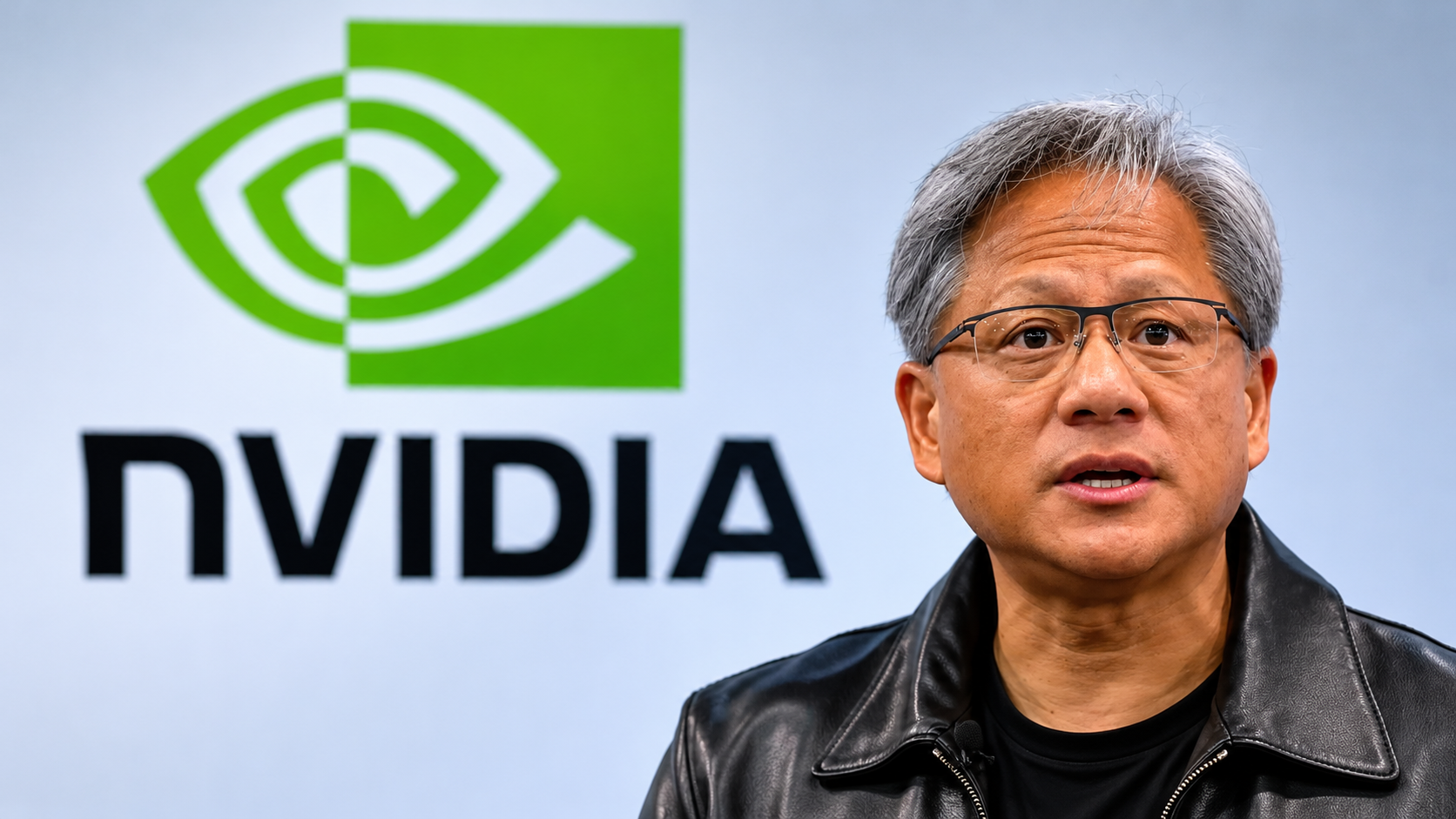
The SEC examines the books; the market fears the loop
The SEC inquiry's exact target is unclear, but multiple reports point in one direction: Nvidia's change to its regional revenue disclosure.
The FT reported the numbers: Nvidia booked $104 billion in revenue through its Singapore subsidiary in 2025, up 72% in twelve months. Nvidia changed its regional revenue basis from customer billing address to customer headquarters location, and Singapore stopped appearing as a separate line item. Before the change, Singapore contributed $23.7 billion in the quarter ending January 2025, 18% of global revenue and Nvidia's second-largest geographic region.
Singapore is where Megaspeed is headquartered. U.S. authorities are investigating whether Megaspeed participated in smuggling Nvidia chips to China, and whether Alice Huang, who has a personal relationship with Huang and served as an executive at Megaspeed, is a Chinese intelligence asset.
Seoul Economic Daily connected the lines: the SEC inquiry may examine why Nvidia excluded Megaspeed-related sales from disclosures, and whether circular transactions constitute accounting irregularities.
Robert Walker of the Lowy Institute told the FT: this may be a rational response to export control rules, because you do not want to be at the front line of an investigation, but even without malicious intent, concealing information invites suspicion and can backfire.
Earnings were strong, but the market priced the quality of growth
The third-quarter numbers are real. Revenue doubled, data center revenue rose 110%, and guidance beat analyst estimates. Kress said leading frontier AI labs are expected to contribute about 15% of data center revenue this year.
The market's Friday pricing was not a reaction to that report.
The WSJ noted that the stock did not stop falling after the earnings release. Friday's 14% drop brought the weekly loss to 23%, the worst week since the financial crisis. Anthropic, which closed up 17% on its Thursday debut, fell 8.5% on Friday to $88.91, near its $83 IPO price.
Swissquote analyst Ipek Ozkardeskaya told the WSJ: AI buildout still needs a lot of money, financing costs are rising, and signs of credit stress are appearing.
That points to the structural weakness in Nvidia's circular financing model. When a company is simultaneously the chip supplier, the investor in AI companies, and the guarantor of data center construction, some share of its revenue growth is external demand and some is its own money flowing back to buy its chips. Kress asked that question internally. Huang's answer was to call her a CFO who only reports.
Now the market is asking it for her. And the SEC is examining the books the arrangement left behind.
P.S. The 14% drop came after strong earnings, and that is the point. Revenue did not break, guidance did not fall, and the stock still lost 23% in a week. The market was not pricing a quarter. It was pricing the financing structure behind the quarter.
Frequently Asked Questions
Q: Why did Nvidia stock fall 14% on Friday?
A: Reuters reported that the SEC is examining Nvidia's accounting practices. The report did not specify what is under review or whether enforcement action is likely. The stock had already been falling before the news and extended its losing streak to seven sessions.
Q: What did Colette Kress oppose before becoming interim CEO?
A: Kress and her staff clashed with Huang and Nvidia's sales team over multibillion-dollar financing deals that fed what critics called a circular AI economy, including investments in OpenAI and AI infrastructure companies like Lambda. A proposed $250 billion OpenAI Ohio data center plan was pared to $120 billion.
Q: What is the Singapore disclosure change about?
A: Nvidia switched its regional revenue reporting from customer billing address to customer headquarters location, and Singapore stopped appearing as a separate line item. Singapore booked $104 billion in revenue in 2025, up 72%, and is home to Megaspeed, a company under investigation for possible chip smuggling to China.
Q: Is the SEC investigating Megaspeed links?
A: Reports suggest the SEC inquiry may examine why Nvidia excluded Megaspeed-related sales from disclosures and whether circular transactions constitute accounting irregularities. Nvidia has not commented on the specifics.
Q: What did Nvidia's Q3 earnings show?
A: Revenue of $115.8 billion, up 103% year over year. Data center revenue was $107.6 billion, up 110%. Fourth-quarter guidance was $130 billion. The results beat analyst estimates, and the company said Vera Rubin had begun shipping.
Q: Why did the stock fall despite strong earnings?
A: The selloff reflected concerns about the sustainability and quality of AI revenue growth, not the quarter's results. Financing costs are rising, credit stress is emerging, and the market is repricing the circular financing structure that supported Nvidia's demand.