On September 16, developers inspecting the deepseek-harness repository found an apps/desktop directory that hadn't been there before. The package is @deepseek-ai/dsh-desktop. The version is 0.1.5-rc.2. Code signing, auto-update, and notarization are configured. The update feed points at download.deepseek.com.
No announcement. No release notes. No installer.
download.deepseek.com.Community Built the Installers First
While the official desktop app sits unbuilt in the repo, community versions are shipping.
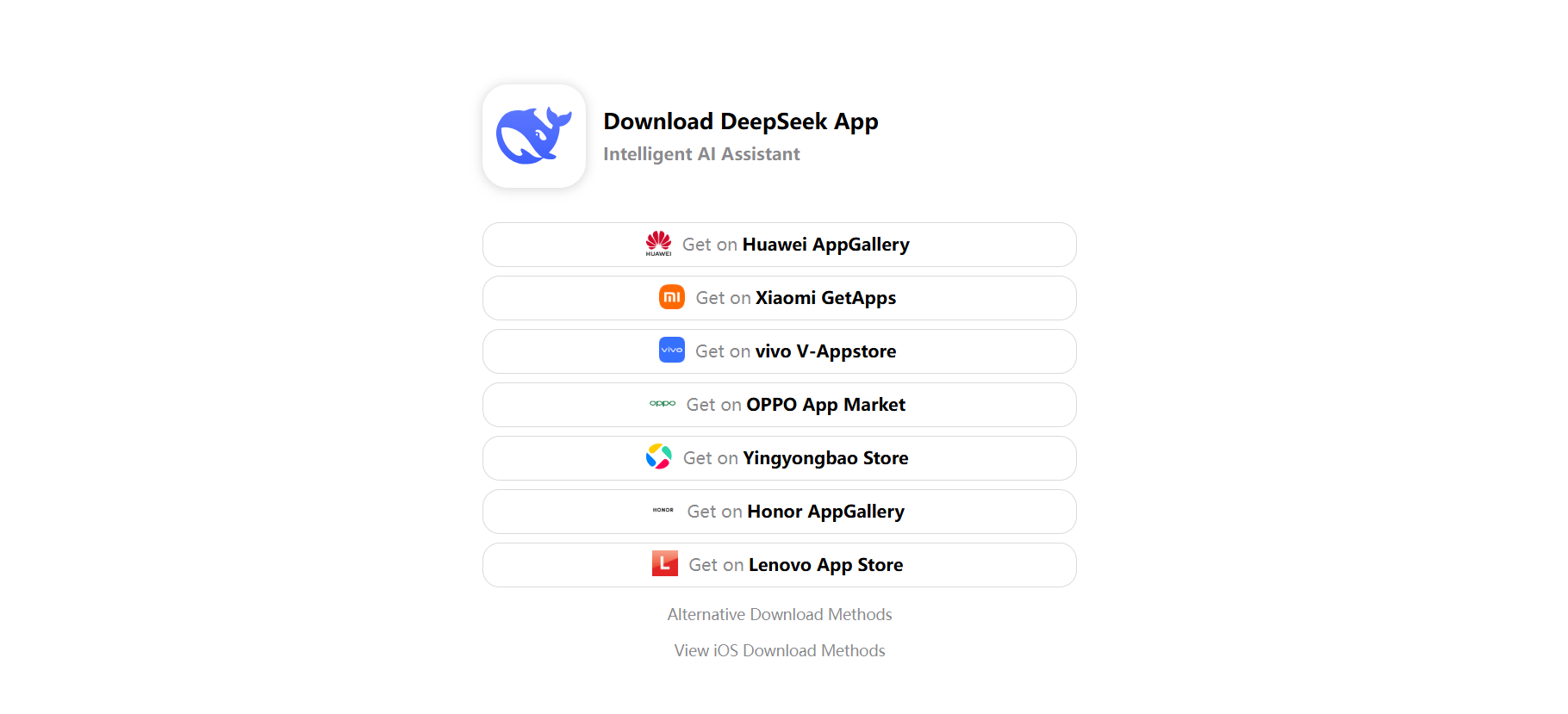
Harness Desktop, a community Windows tool, reached version 1.1.1 and bundles Node.js, npm, and pnpm so users don't need a development environment. It includes file upload, a plugin marketplace, and a one-click installer.
The official app requires cloning the repo, installing pnpm, running pnpm install, then pnpm run dev:desktop. One early tester reported an obvious bug: paste doesn't work anywhere in the app, forcing manual entry of an API key.
The gap between “official but unbuilt” and “community but shipped” is the first signal of what DeepSeek is optimizing for.
The Real Difference Isn't the Installer. It's the Port.
Community desktop clients — whether Electron or Tauri — follow the same pattern. They start a local HTTP server on 127.0.0.1 and point a desktop window at it. One version explicitly notes that “anyone on the same local network can operate this machine” in its documentation.
The official desktop app doesn't do this. It uses a custom dsh-app:// protocol. Requests and streaming responses travel through a framed byte pipeline. Process lifecycle control runs over Node IPC. No listening port exists.
For a developer working from a home office, the difference is theoretical. For a developer on a corporate network, it's the difference between a tool that passes a security review and one that doesn't. AI agent frameworks are moving from personal experiments to internal engineering tools, and “does this open a port?” is the first question a security team asks.
The official app also bundles the Electron shell, DSH backend, and Node runtime as a single signed update unit. Community versions that download a runtime on first launch introduce a network dependency and a failure mode the official app avoids.
V4.1 Flash Made the Economics Real. The Desktop App Makes the Workflow Usable.
The desktop app is arriving alongside a model release that changed the cost math for agent workloads.
DeepSeek V4.1 Flash compresses KV Cache to one-quarter of the previous generation, cutting cache-hit input pricing by 60% to 0.02 yuan per million tokens. One benchmark running DeepSeek Harness against a C# numerical project processed 2.15 billion tokens across three days for $19.22 — a 99.30% input cache-hit rate.
That workload is exactly what a desktop client serves: a long-running agent repeatedly reading the same codebase, accumulating context, making incremental changes. Without the cache economics, it's unaffordable. Without a client that keeps the session alive and connected, it's inconvenient.
What DeepSeek Hasn't Said
The official desktop app is a developer preview without an installer. DeepSeek hasn't said when it will ship. The community versions are already available and, in some cases, more feature-complete.
The choice for developers is concrete. A community client gets you a working desktop app today, with the tradeoff of an open local port and a runtime that may drift from upstream. The official client, when it ships, offers a closed network surface and a versioning guarantee.
DeepSeek built the official desktop app quietly, for people who were going to check the repo anyway. The ones who matter will read the architecture notes before they read the release notes.
P.S. One detail from the community build notes deserves attention: the official desktop app's plugin surface (ctx.desktop) isn't exposed by upstream today. A community fork is maintaining an Electron build specifically because that capability has no official equivalent yet. The desktop app may close the port gap, but it hasn't closed the plugin gap.
Frequently Asked Questions
Q: What is DeepSeek Harness?
A: DeepSeek Harness is an open-source AI agent framework released in August 2026. It crossed 200,000 GitHub stars in its first week and is built around a “everything is a plugin” architecture.
Q: Did DeepSeek announce a desktop app?
A: No. Developers found an apps/desktop directory in the official repository on September 16, 2026. The package is @deepseek-ai/dsh-desktop, version 0.1.5-rc.2. Code signing, auto-update, and notarization are configured, but no installer has been released.
Q: How is the official desktop app different from community versions?
A: Community clients start a local HTTP server on 127.0.0.1 and point a desktop window at it. The official app uses a custom dsh-app:// protocol with a framed byte pipeline and no listening port.
Q: Why does the open port matter?
A: For developers on corporate networks, an open local port can fail security review. One community version notes that “anyone on the same local network can operate this machine.” The official app avoids this entirely.
Q: What is the V4.1 Flash connection?
A: V4.1 Flash compresses KV Cache to one-quarter of the previous generation, cutting cache-hit input pricing by 60% to 0.02 yuan per million tokens. A benchmark running Harness against a C# project processed 2.15 billion tokens across three days for $19.22, with a 99.30% input cache-hit rate.
Q: Why does a desktop client matter for agent workloads?
A: Long-running agents repeatedly read the same codebase, accumulating context. Without cache economics, this is unaffordable. Without a client that keeps the session alive, it's inconvenient. The desktop app and the model pricing work together.
Q: When will the official desktop app ship?
A: DeepSeek hasn't said. The code is merged and the release infrastructure is configured, but no installer or release note has been published.
Q: Should developers wait for the official app?
A: It depends. Community clients work today but open a local port and may drift from upstream. The official client offers a closed network surface and a versioning guarantee, but isn't available yet.
Q: What is the plugin gap?
A: The official desktop app's plugin surface (ctx.desktop) isn't exposed by upstream today. A community fork maintains an Electron build specifically because that capability has no official equivalent yet.
Q: What does this tell us about DeepSeek's release strategy?
A: DeepSeek merged the desktop app quietly, without announcement, for developers who check the repository regularly. The ones who matter will read the architecture notes before the release notes.