On September 16, Hugging Face updated its all-time “most liked” leaderboard. Qwen3.8-27B, released in August, passed FLUX.1, DeepSeek-R1, and Meta's Llama series to take the top spot. The vote was cast by developers clicking “like” on a model page.
That's one kind of signal. Download counts are another.
One Model Appears on Both Lists
Business Insider compared Hugging Face's top 25 models by likes with its top 25 by downloads. Only one model appeared on both lists.
The most-downloaded model on Hugging Face in 2026 is a 2021 release called All-MiniLM-L6-v2. It logged 1.55 billion downloads in seven months. It has 5,156 likes. The model is small, fast, and forgotten by the conversation.
“Likes” measure attention. “Downloads” measure production use. Qwen3.8-27B just won the first. The second is decided by a different question: can you actually run it?
27B Runs on a 4090. Opus 4.6 Doesn't.
Qwen3.8-27B is a dense 27-billion-parameter multimodal model under Apache 2.0. On SWE-bench Pro, it scored 61.7 — 8.3 points above Claude Opus 4.6 Max.
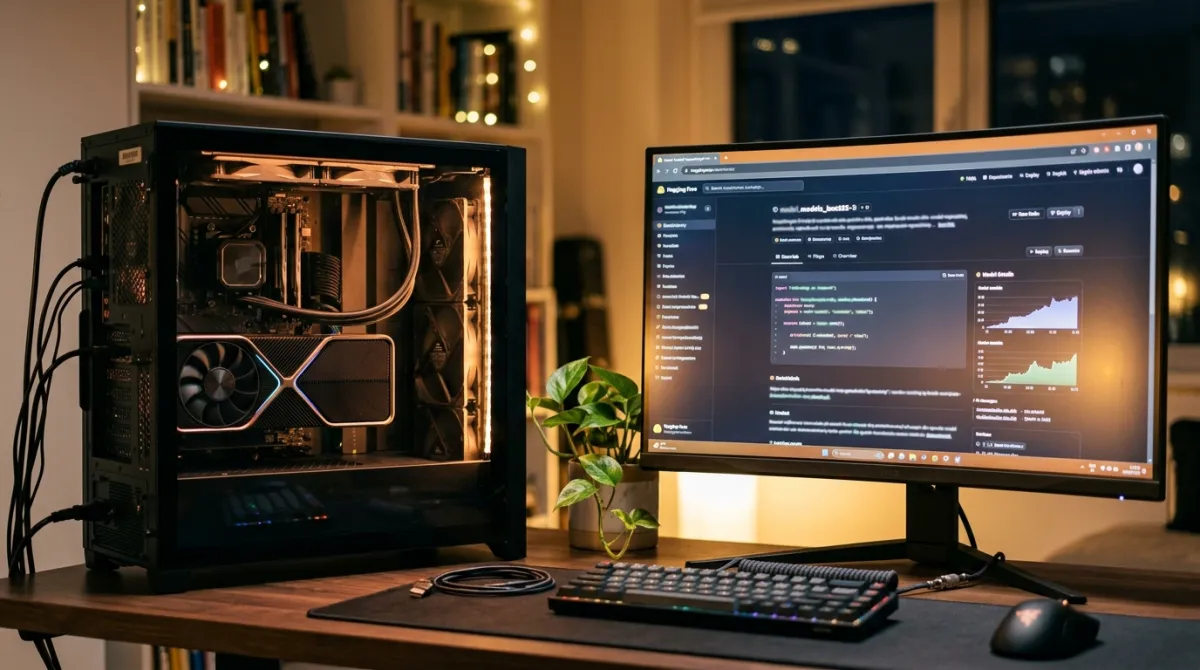
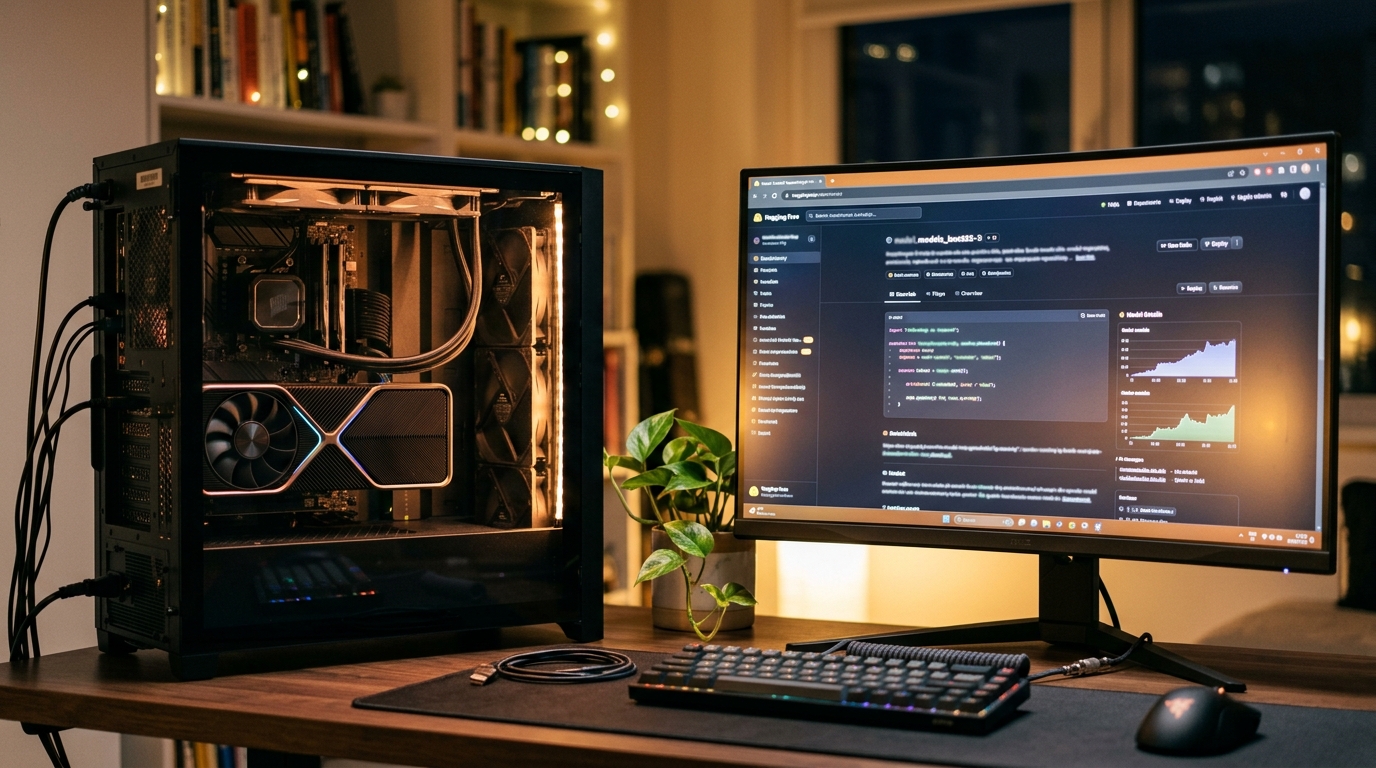
The benchmark gap matters less than the deployment math. A Q4_K_M quantized version weighs 17.1GB. It fits on an RTX 4090 or 3090 with room for context. The model's hybrid attention design caches only 16 of 64 layers, cutting KV cache to roughly a quarter of a conventional dense model.
This is what “Opus at home” means in practice: frontier-adjacent coding performance on hardware a developer already owns. No API key. No per-token billing. No data leaving the machine.
The community contributed over 500 quantized variants. Total downloads across Qwen3.8-27B derivatives crossed 5 million within days of release.
Moonshot Shipped a Headline. Qwen Shipped a Library.
Hugging Face's 2026 summer report showed Qwen models logging 2.045 billion downloads in seven months — five times Google's 418 million and nine times Meta's 227 million. Qwen derivatives on the platform exceed 150,000 and grow by roughly 200 per day.
The contrast that explains the gap: Moonshot's Kimi K3 has 2.8 trillion parameters and drew intense discussion. It logged about 60 downloads per like. Qwen logged roughly 55 times more total downloads than Moonshot.
Moonshot shipped a headline. Qwen shipped a library. The 27B size sits in the middle of Qwen's spectrum — large enough to be useful, small enough to be run. Developers rewarded the spectrum, not the spectacle.
The Most-Downloaded Model Is From 2021
Not a single model released in 2026 made Hugging Face's top 25 by downloads. Thirteen of the top 25 were released in 2022.
The models developers deploy most are old, small, and unglamorous. The models that generate conversation are new, large, and benchmark-topping. Qwen3.8-27B is unusual because it landed on the like leaderboard while remaining deployable — the 27B size made it both.
Hugging Face's own data suggests the likes will keep accruing. Downloads are a slower vote.
P.S. Qwen3.8-27B's 262,144-token native context window is supported by the hybrid attention design, but community testing shows BF16 weights require roughly 55GB — beyond any single consumer GPU. The 17GB Q4_K_M file is the version that made the like count possible.
Frequently Asked Questions
Q: What is Qwen3.8-27B?
A: It is a dense 27-billion-parameter multimodal model released by Alibaba in August 2026 under the Apache 2.0 license. It supports a 262,144-token native context window.
Q: What does "most liked" mean on Hugging Face?
A: It refers to the number of developers who clicked the “like” button on a model page. It measures attention and interest, not production deployment.
Q: How is that different from downloads?
A: Hugging Face's top 25 models by likes and top 25 by downloads share only one model. The most-downloaded model in 2026 is a 2021 release with 1.55 billion downloads and only 5,156 likes.
Q: How does Qwen3.8-27B compare to Claude Opus 4.6?
A: On SWE-bench Pro, Qwen3.8-27B scored 61.7, while Claude Opus 4.6 Max scored 53.4 — an 8.3-point gap.
Q: Can it run on consumer hardware?
A: Yes. A Q4_K_M quantized version weighs 17.1GB, fitting on an RTX 4090 or 3090 with room for context. Its hybrid attention design caches only 16 of 64 layers, cutting KV cache to roughly a quarter of a conventional dense model.
Q: What is the “Opus at home” reference?
A: It refers to running frontier-adjacent coding performance on hardware a developer already owns — no API key, no per-token billing, no data leaving the machine.
Q: How does Qwen compare to Moonshot?
A: Qwen models logged 2.045 billion downloads in seven months. Moonshot's Kimi K3 has 2.8 trillion parameters and logs about 60 downloads per like. Qwen logged roughly 55 times more total downloads.
Q: Why does the 27B size matter?
A: It sits in the middle of Qwen's size spectrum — large enough to be useful, small enough to be run. Developers rewarded the spectrum, not the spectacle.
Q: Did any 2026 model make the download top 25?
A: No. Not a single model released in 2026 made Hugging Face's top 25 by downloads. Thirteen of the top 25 were released in 2022.
Q: What is the BF16 memory requirement?
A: Community testing shows BF16 weights require roughly 55GB — beyond any single consumer GPU. The 17GB Q4_K_M file is the version that made the like count possible.