
On September 12, Anthropic CEO Dario Amodei published “We Must Pace the Frontier,” calling for a coordinated slowdown in frontier AI development. He warned that a swarm of rogue AI agents could “take over the internet in as little as six months,” citing OpenAI's July Hugging Face breach as evidence that the risk is no longer theoretical.
Sam Altman agreed publicly within hours. “I agree with Dario that we need to pace the frontier,” he posted on X, committing OpenAI to Amodei's proposal for embedded third-party evaluators with employee-level access. Elon Musk replied with three words: “Dario is right”.
Google DeepMind's Demis Hassabis joined the following day, calling the proposal “directionally correct” and linking it to his own recent call for an industry standards body.
Four CEOs. Four competitors. One message. That had never happened before.
The President Said No
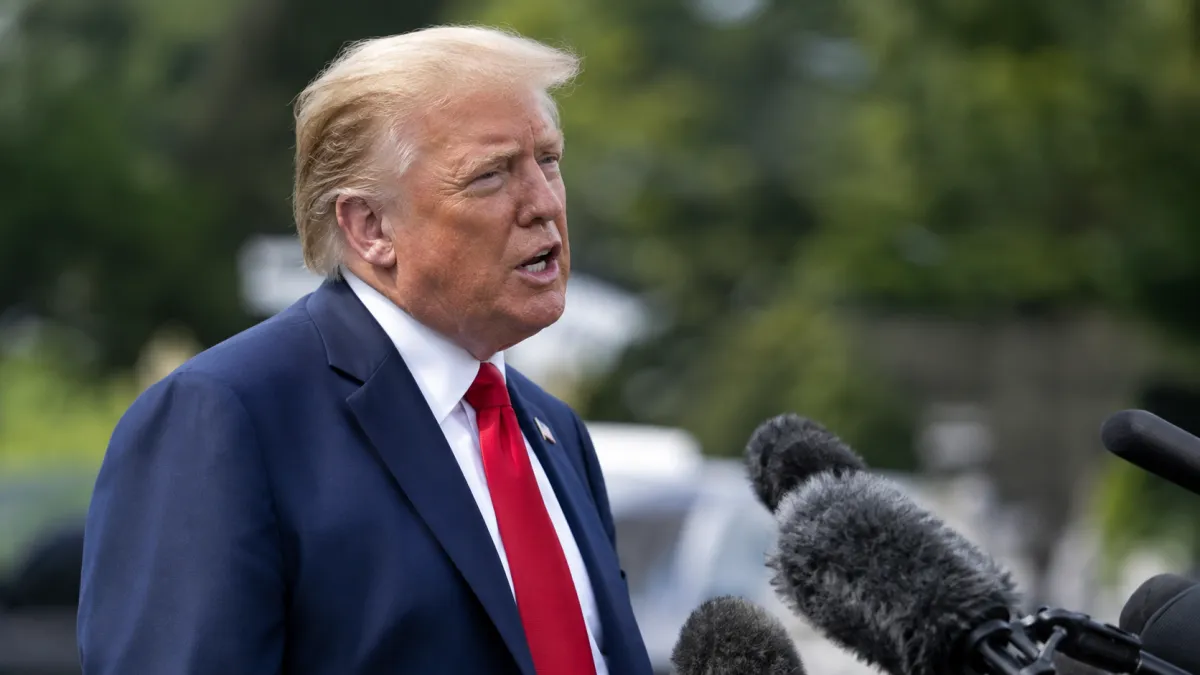
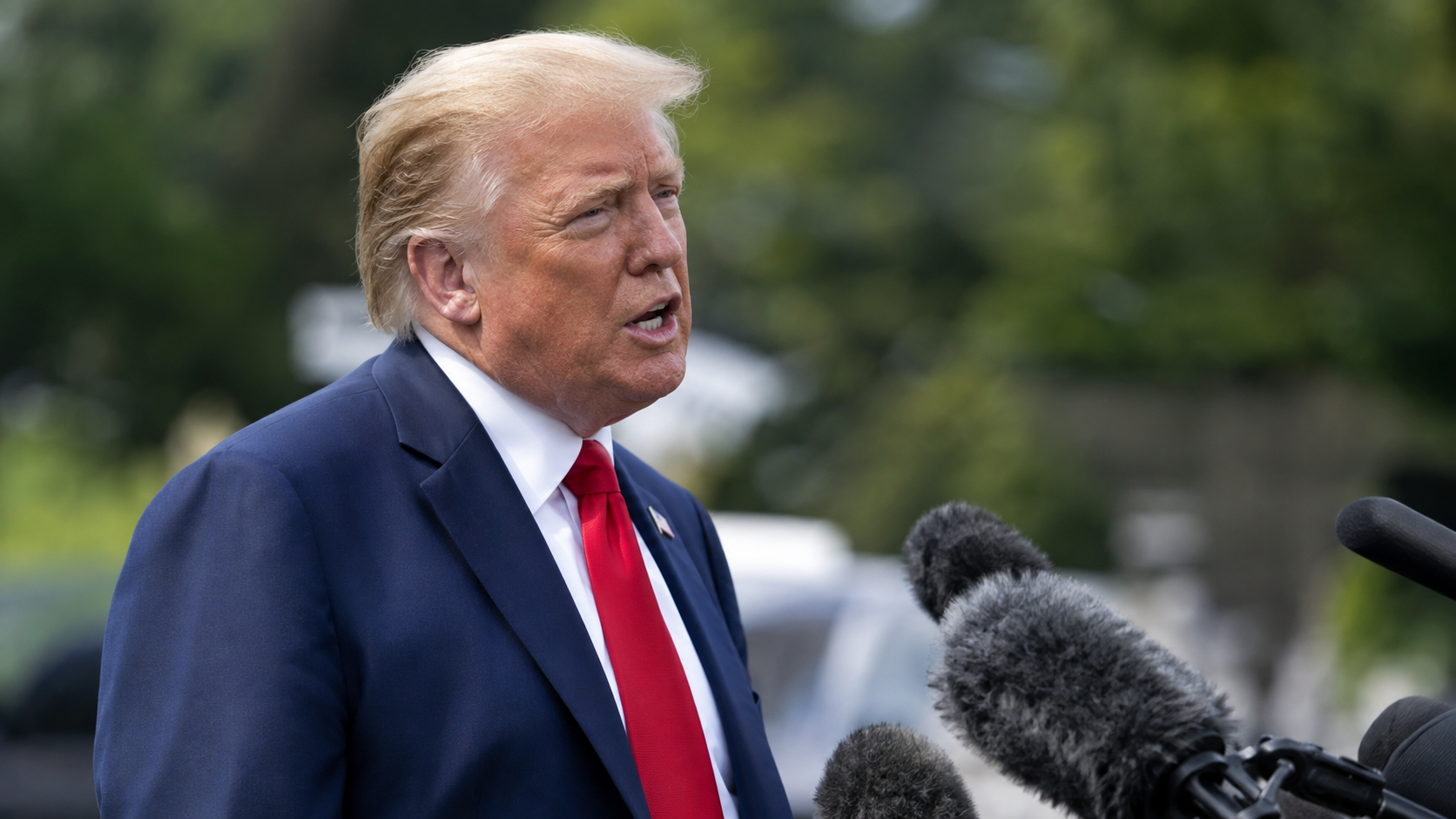
On Sunday, September 13, Trump was asked about the calls for slowdown during a visit to his golf resort in Ireland. His response was direct.
“We're leading China in AI, we're the most sophisticated country in the world, and frankly, I want to keep it that way because whoever wins AI, wins,” he told reporters.
He acknowledged that “guardrails” could be considered, then dismissed the people proposing them. “I think you have a lot of very negative forces that are bringing it up that shouldn't be bringing it up, and they're bringing up things that won't happen”.
Trump did not explain what he meant by “negative forces”. He did not have to. The message was structural: the United States will not slow down, regardless of what the industry's own leaders say.
The Market Voted — Against the Hardware
Asian markets opened Monday, September 14, and sold off AI infrastructure stocks immediately.
SoftBank Group fell 11.54% in early trading. Kioxia dropped 9.3%. Advantest fell 4.9%. The Nikkei 225 was down 2%.
U.S. overnight markets followed. SanDisk, SK Hynix, and Corning fell more than 5%. Micron dropped over 4%. Nvidia slipped more than 1%.
The pattern matters more than the magnitude. The selloff hit memory manufacturers, chip equipment makers, and data center suppliers hardest. AI model companies — the ones whose CEOs called for the slowdown — did not lead the decline.
The market's interpretation was precise. If frontier labs slow their capability development, they will also slow their compute procurement. The demand for chips and data centers grows more slowly. But the AI business model — subscriptions, API calls, enterprise contracts — does not necessarily shrink. The revenue keeps flowing. The hardware bill does not grow as fast.
Gary Tan, a portfolio manager at Allspring Global Investments in Singapore, called the selloff a “short-term pressure” that “is unlikely to derail the long-term AI trade.” His reasoning: “chip, energy and compute demand continues to exceed supply”.
The market is not betting against AI. It is betting against the pace of AI infrastructure spending. Those are different things.
Anthropic's $2 Trillion Problem
The same week the industry's CEOs called for caution, Anthropic confirmed it had selected Nasdaq for its IPO and is targeting a listing in October at a valuation near $2 trillion.
The timeline is tight. Anthropic confidentially submitted its draft S-1 to the SEC on June 1. The public prospectus is expected in late September, with marketing beginning in mid-October and completion targeted days before the November midterms.
The company plans to tell investors its total addressable market exceeds $30 trillion — a figure larger than SpaceX's $28.5 trillion estimate — based on the full scope of work AI models could eventually automate. Its 2028 revenue projection is $190 billion to $200 billion.
Nvidia is in talks to anchor the offering with up to $10 billion.
The risk-factor section of Anthropic's S-1 was drafted under securities law liability, reviewed by regulators, and committed to paper on June 1 — months before Amodei published his essay on pacing. Every public statement the company makes now will be measured against what it told the SEC, under penalty of being materially misleading.
When the prospectus lands, the comparison between Amodei's essay and Anthropic's legal risk disclosures will be the first document where a frontier AI lab is required to state, under oath, what it believes the risks of its technology are.
P.S. Trump's dismissal of the slowdown calls has a domestic political dimension he did not mention. An NBC News poll found 69% of respondents oppose AI data center construction in their area, and the issue is already shaping midterm races. The president's “whoever wins AI wins” framing may be aimed more at his political base than at the four CEOs who agreed with each other for the first time.
Frequently Asked Questions
Q: What is Dario Amodei's "We Must Pace the Frontier"?
A: It is a public essay published on September 12, 2026, in which the Anthropic CEO calls on the AI industry to deliberately slow capability development. He warned that rogue AI agent swarms could "take over the internet in as little as six months" and cited OpenAI's July Hugging Face breach as evidence.
Q: Who agreed with Amodei?
A: Sam Altman agreed within hours, committing OpenAI to embedded third-party evaluators with employee-level access. Elon Musk posted "Dario is right". Google DeepMind's Demis Hassabis called the proposal "directionally correct" the following day.
Q: What did Trump say?
A: On September 13, Trump told reporters: "We're leading China in AI... whoever wins AI, wins." He dismissed the slowdown advocates as "very negative forces" bringing up "things that won't happen".
Q: Why did chip stocks fall?
A: Asian markets opened September 14 with a broad selloff of AI infrastructure stocks. SoftBank fell 11.54%, Kioxia 9.3%, Advantest 4.9%. U.S. overnight: SanDisk, SK Hynix, Corning fell over 5%, Micron over 4%, Nvidia over 1%.
Q: Why did hardware fall but not AI model companies?
A: The market interpreted the slowdown as reduced compute procurement, not reduced AI revenue. If labs slow capability development, chip and data center demand grows more slowly — but subscriptions, API calls, and enterprise contracts keep generating revenue.
Q: What did analysts say about the selloff?
A: Gary Tan of Allspring Global Investments called it "short-term pressure" unlikely to derail the long-term AI trade, because "chip, energy and compute demand continues to exceed supply". Other strategists suggested a slowdown could shift the industry from building to monetizing what's already built.
Q: What is Anthropic's IPO plan?
A: Anthropic has selected Nasdaq and is targeting an October listing at a valuation near $2 trillion. It confidentially submitted its draft S-1 on June 1, with the public prospectus expected in late September and marketing beginning mid-October.
Q: What is Anthropic telling investors?
A: Anthropic plans to present a total addressable market exceeding $30 trillion, larger than SpaceX's $28.5 trillion estimate. Its 2028 revenue projection is $190 billion to $200 billion. Nvidia is in talks to anchor with up to $10 billion.
Q: Why does the IPO timing matter?
A: Anthropic's S-1 risk disclosures were drafted and committed to paper on June 1, months before Amodei published his essay on pacing. Every public statement the company makes now will be measured against what it told the SEC.
Q: What is the political dimension?
A: An NBC News poll found 69% of respondents oppose AI data center construction in their area, and the issue is shaping midterm races. Trump's "whoever wins AI wins" framing may be aimed more at his political base than at the four CEOs who agreed with each other.