LAB
Does this actually hold up in real work?
We test AI devices hands-on. You get a verdict, not an impression.
Lab is the proof layer of SUPERCRZY. It covers hardware reviews, experience reviews, workflow validation, and model stress tests with enough friction notes and evidence to end in a usable verdict, not just an impression.
Device categories
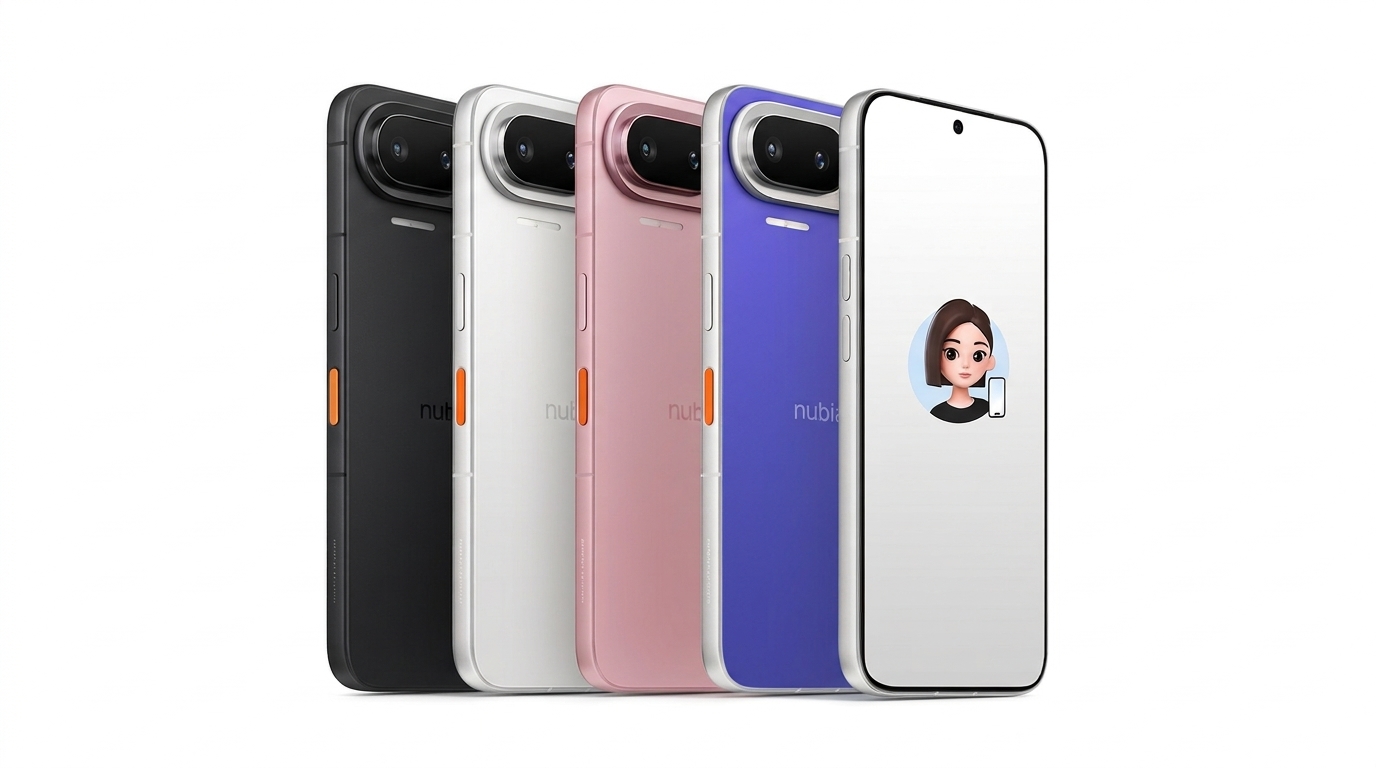
AI Phone
NaviX Ultra Review: The First AI Agent Phone Is Real. You Can't Buy It.
Nubia's NaviX Ultra launched in China on September 16 at roughly $770. It won't launch in the US or Europe — ZTE remains under an FCC ban. But the phone answers a questio…
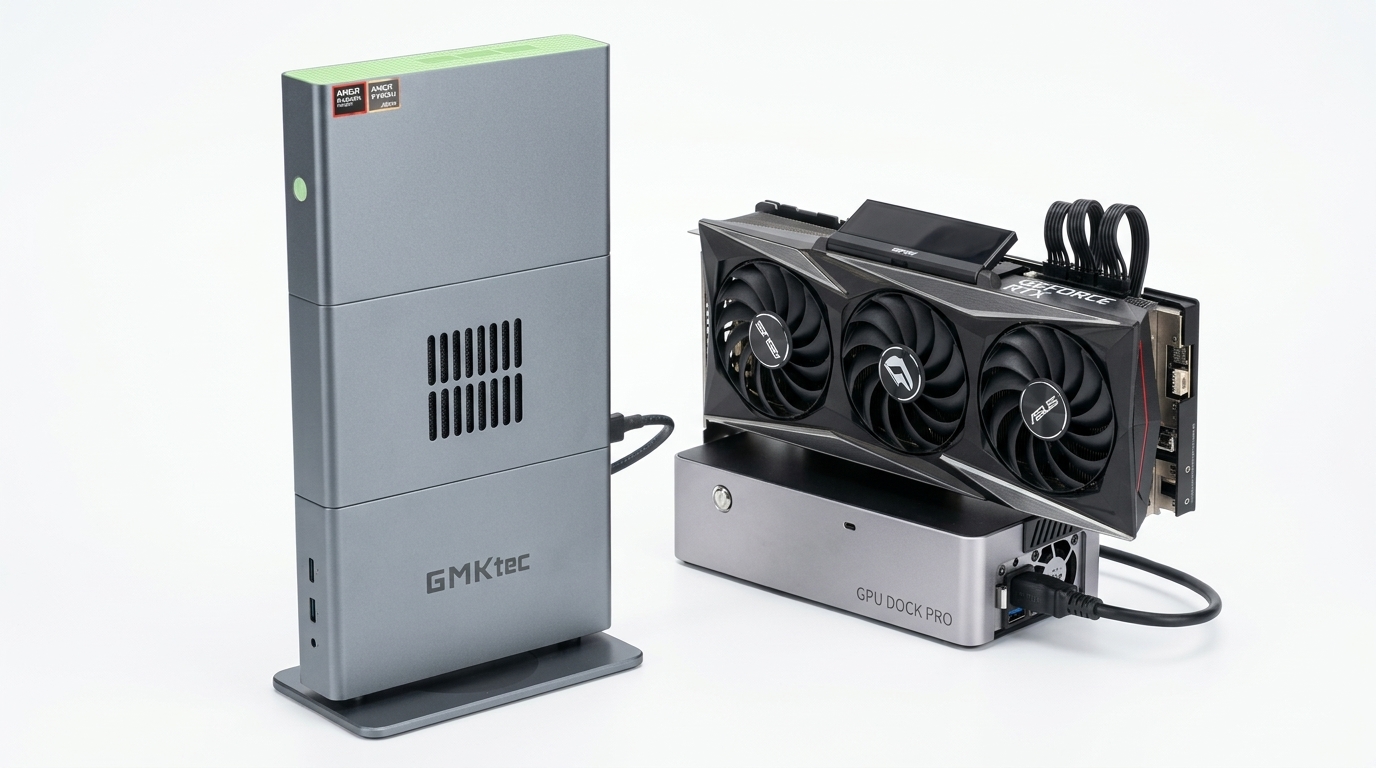
AI PC
Strix Halo Is the First Mini PC That Runs 120B Models at 50 Tokens/sec. Which Version Should You Buy?
AMD's Ryzen AI Max+ 395 puts 128GB of unified memory in a 4.5-liter box. The GMKtec EVO-X3 is the cheapest way to get it. Framework and HP sell the same chip with differe…
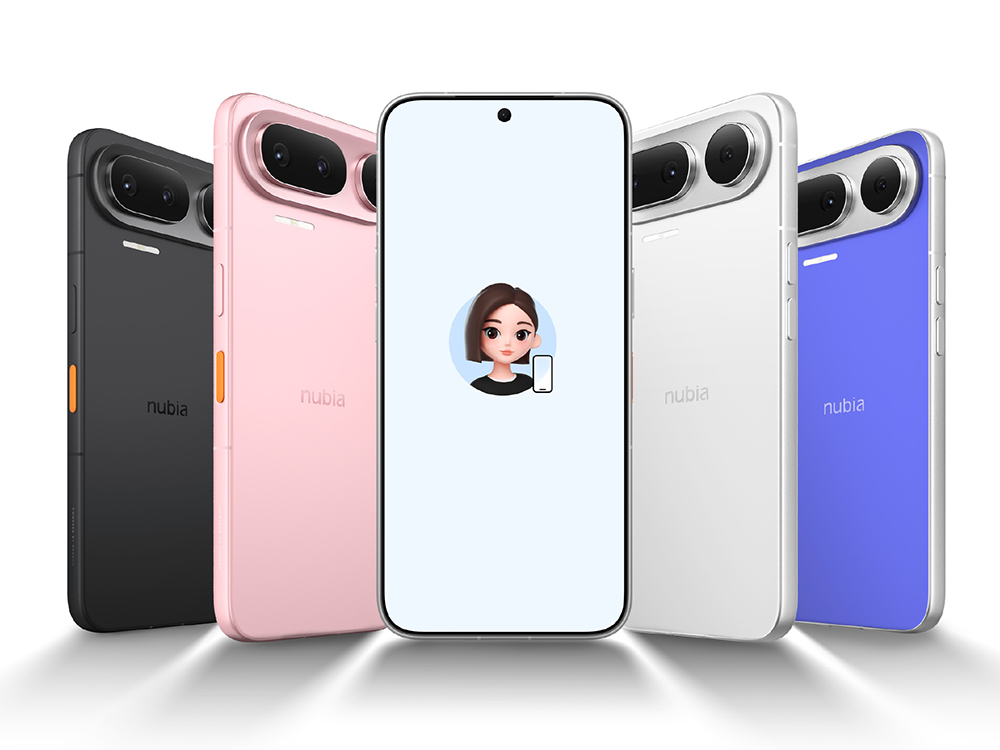
AI Phone
The First AI Agent Phone Isn't Coming From Apple. It's a $700 Experiment You Can't Buy.
Nubia's NaviX Ultra is the world's first mass-produced AI-agent smartphone. It launches in China on September 16. It won't launch anywhere else. The gap between those two…
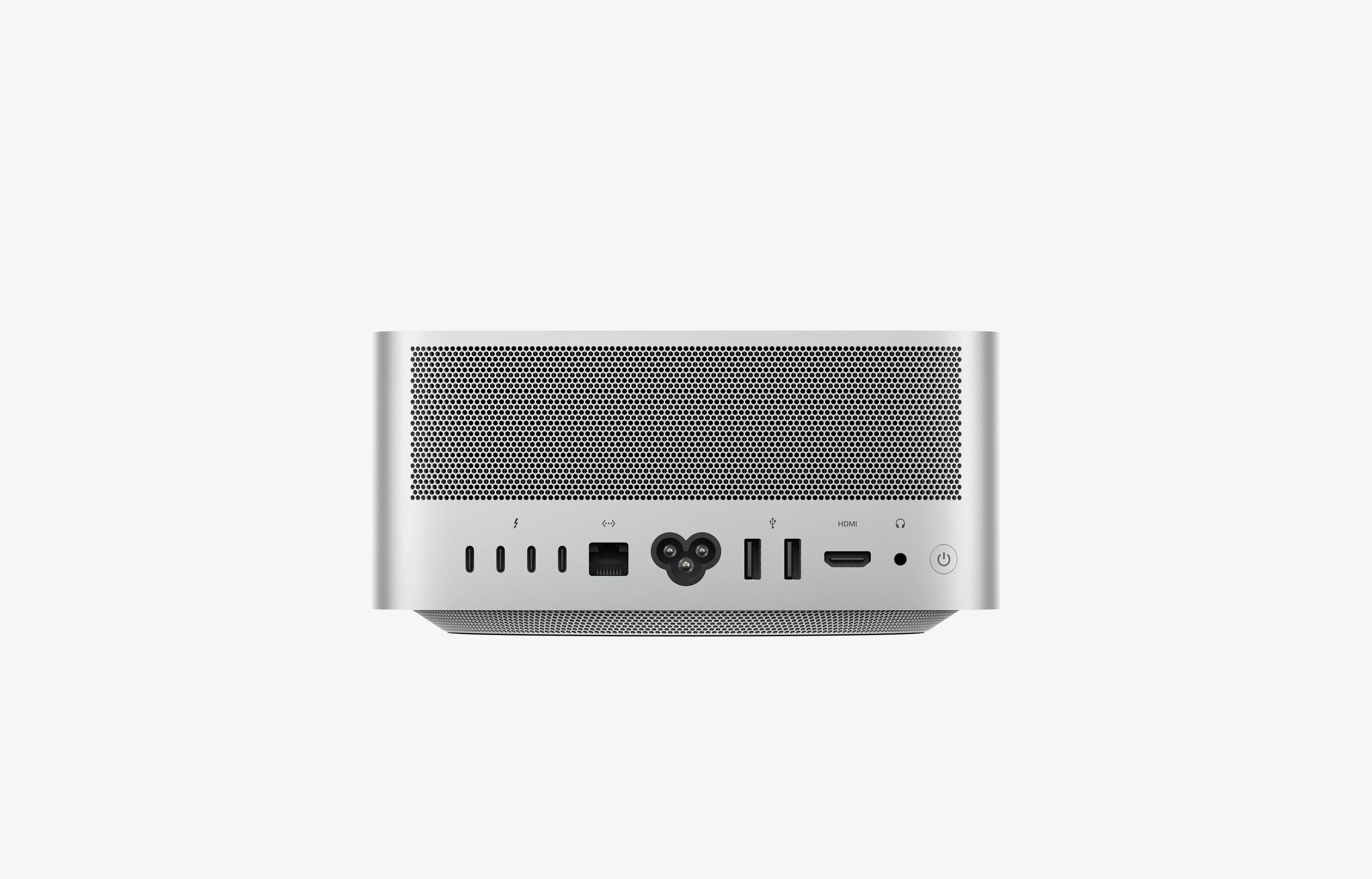
AI PC
Apple M5 Ultra Mac Studio: 512GB of Memory, 1.2TB/s Bandwidth, and a $15,000 Question
Apple's M5 Ultra Mac Studio can run 400B-parameter models entirely on device—no cloud, no token fees, no data leaving your desk. 512GB unified memory at 1.2TB/s bandwidth…
AI PC
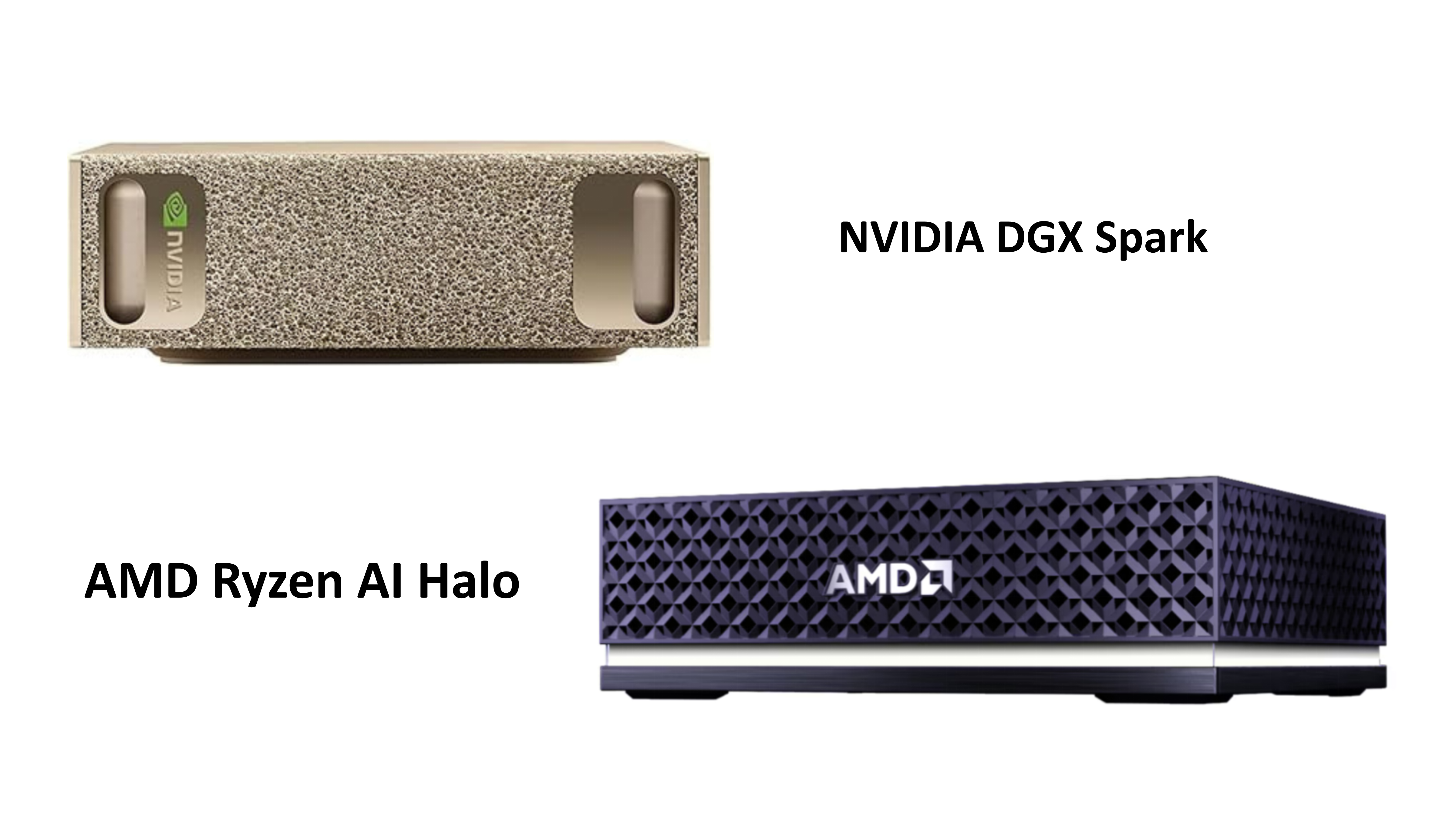
The $4,000 AI Desktop Showdown: NVIDIA GB10 vs. AMD Strix Halo
Two machines arrived this summer with 128GB of unified memory, both promising to run 120-billion-parameter models on a desk. One runs NVIDIA’s Arm-based GB10 superchip. T…
AI PC
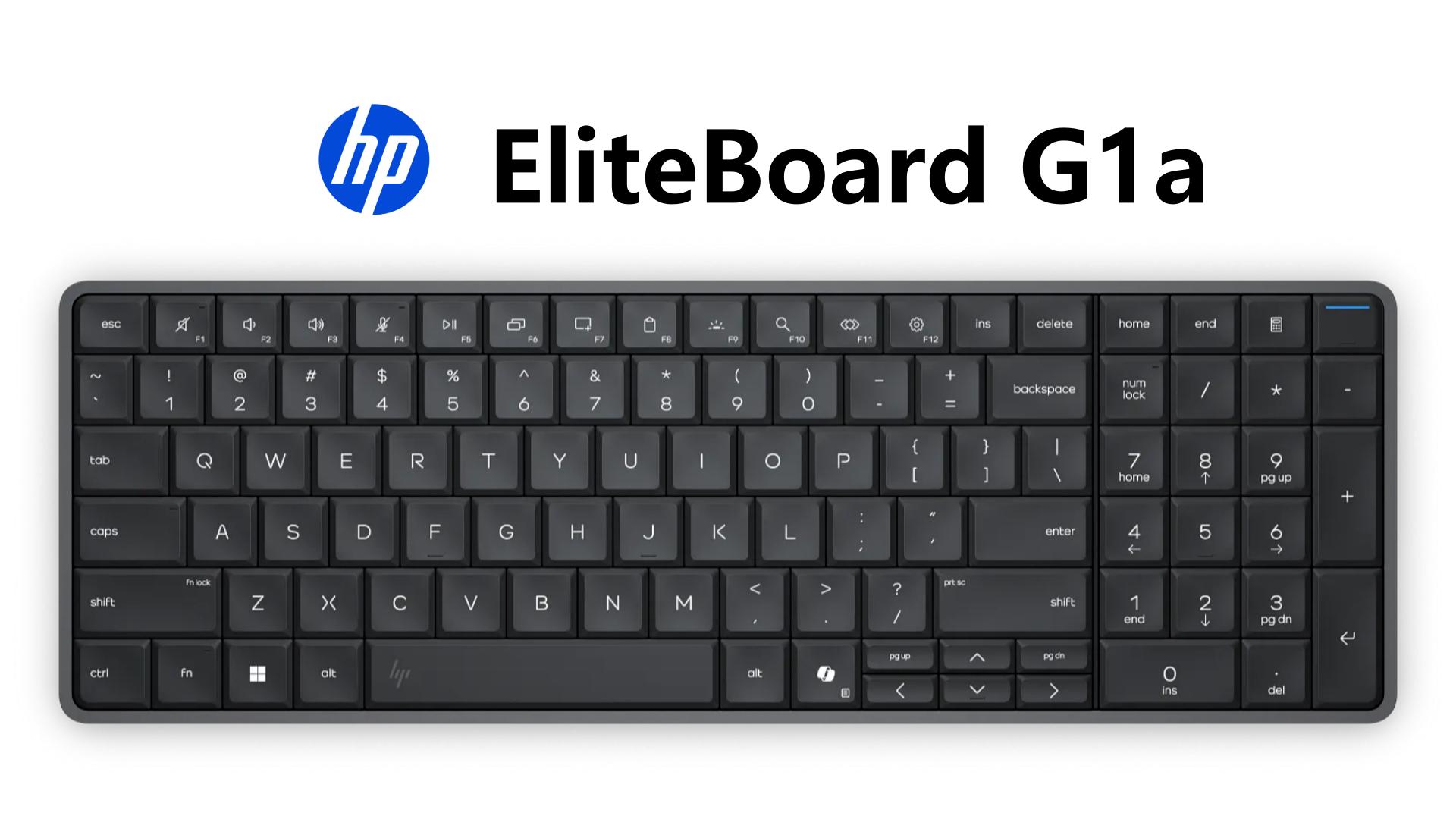
HP EliteBoard G1a Review: A Keyboard That’s Also a Desktop PC. But Who Is It For?
HP took a laptop motherboard, stripped off the screen and trackpad, and stuffed it into a keyboard. The EliteBoard G1a weighs about the same as a large mouse, packs an AM…
AI PC
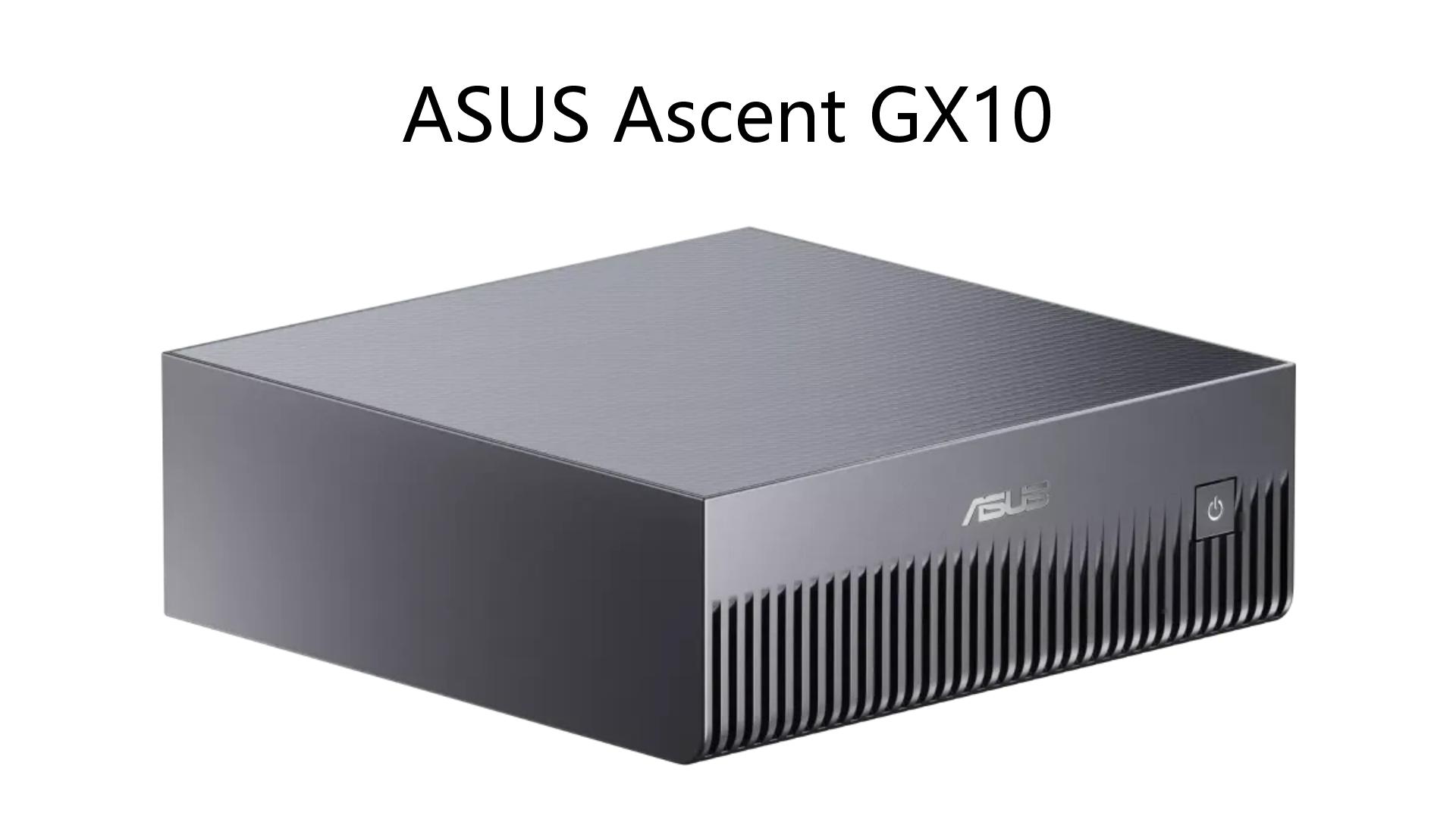
ASUS Ascent GX10 Review: 128GB of Memory and a 273GB/s Problem
The ASUS Ascent GX10 packs 128GB of unified memory into a 150mm square chassis, enough to run a 120-billion-parameter model locally. But there is a number on the spec she…
AI PC
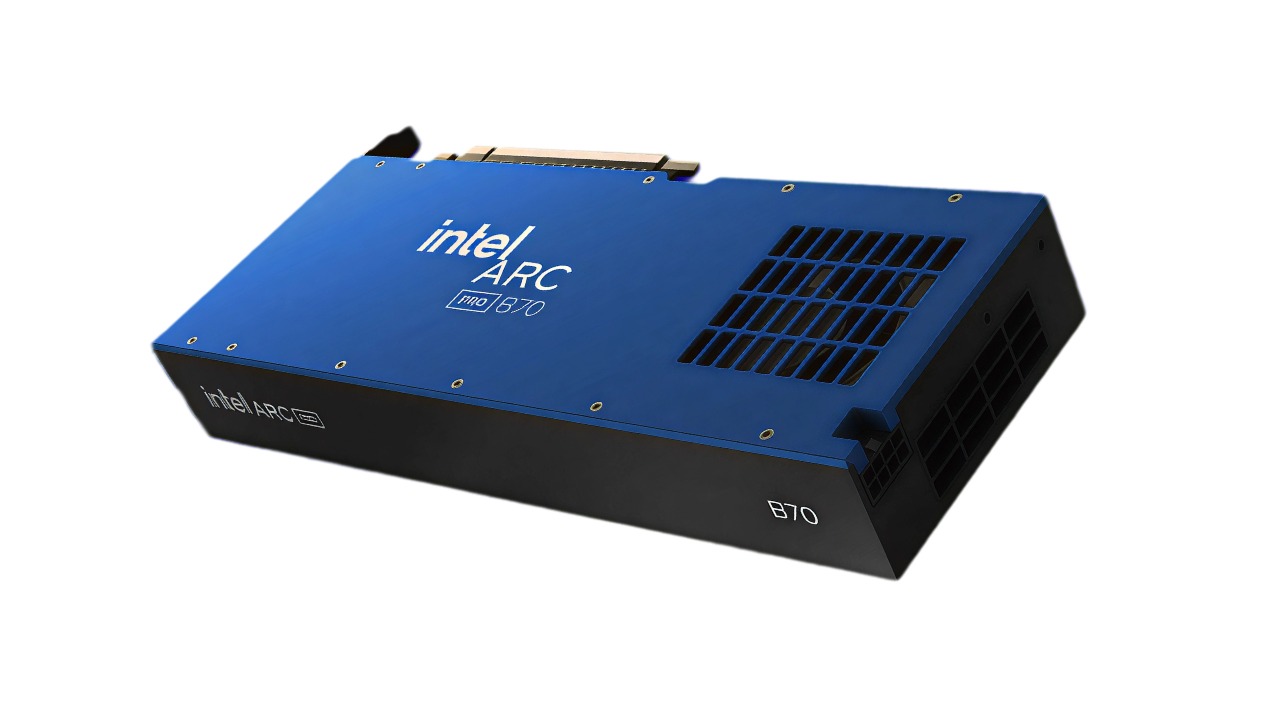
Intel Arc Pro B70 Review: $949, 32GB VRAM, and a Software Problem
Intel's $949 Arc Pro B70 packs 32GB of GDDR6 and 367 INT8 TOPS — enough to run 27B-35B FP16 models natively on a single card. Four of them can handle a 120B-parameter MoE…
AI Glasses
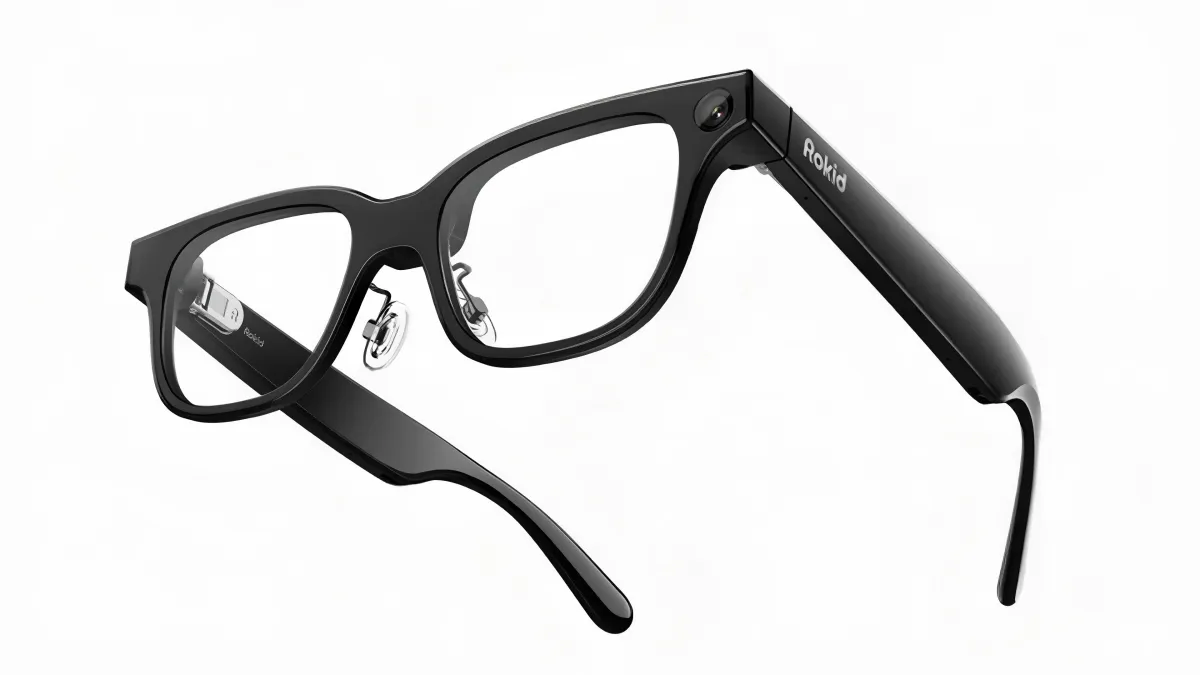
Rokid Glasses Review: An Operating System First, Hardware Second
The AI glasses market has been defined by a simple question: can you make a pair light enough to wear and smart enough to use? Rokid's answer is not a single product — it…
Earbuds
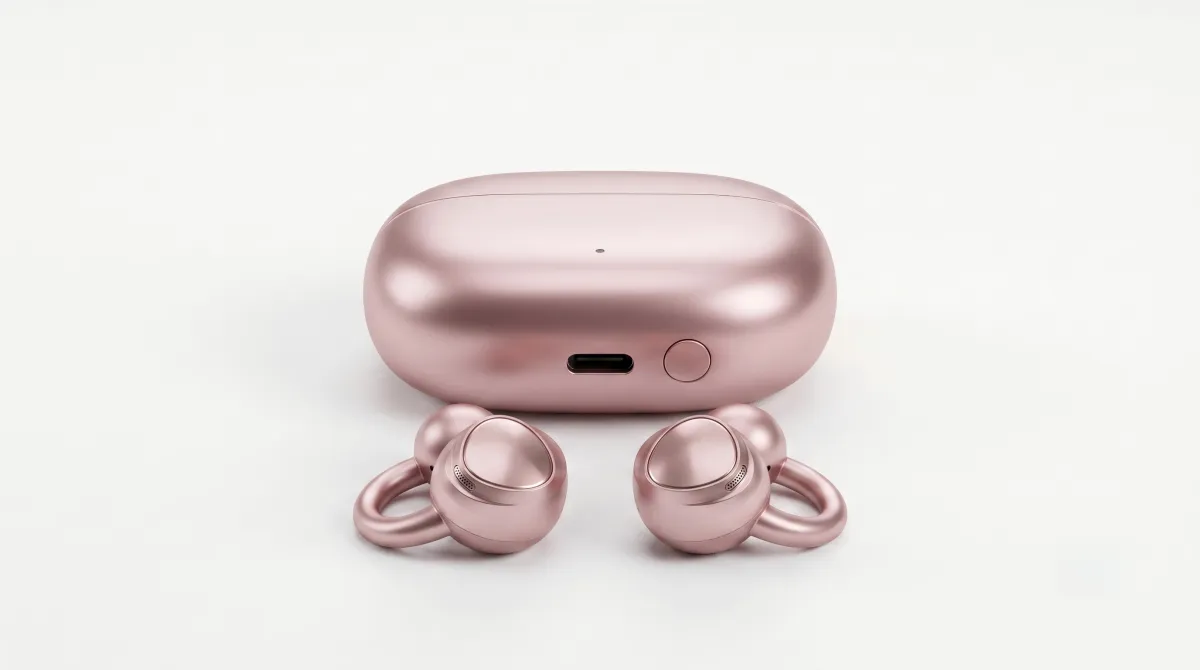
JOYROOM Openfree OE5 Review: The AI Headphone That Might Replace Your Recorder and Translator
A $150 open-ear headphone that records meetings, translates conversations in real time, and transcribes everything. It doesn't replace your phone. But it might replace yo…
AI Phone
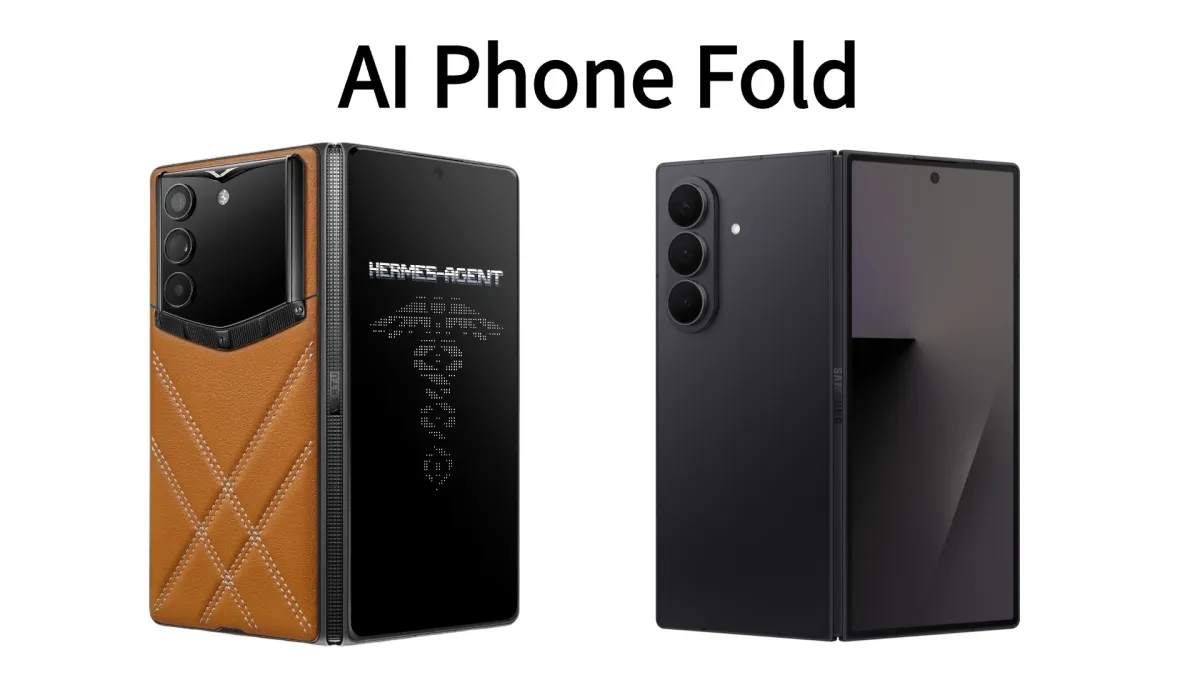
Vertu Alphafold Review: $6,880 for an AI Agent That Can't Set a Reminder
Vertu's Alphafold pairs luxury leather with an AI agent called Hermes. But when you ask it to set a reminder for 15 minutes later, it schedules it for 9:08 PM. That sums…
AI PC
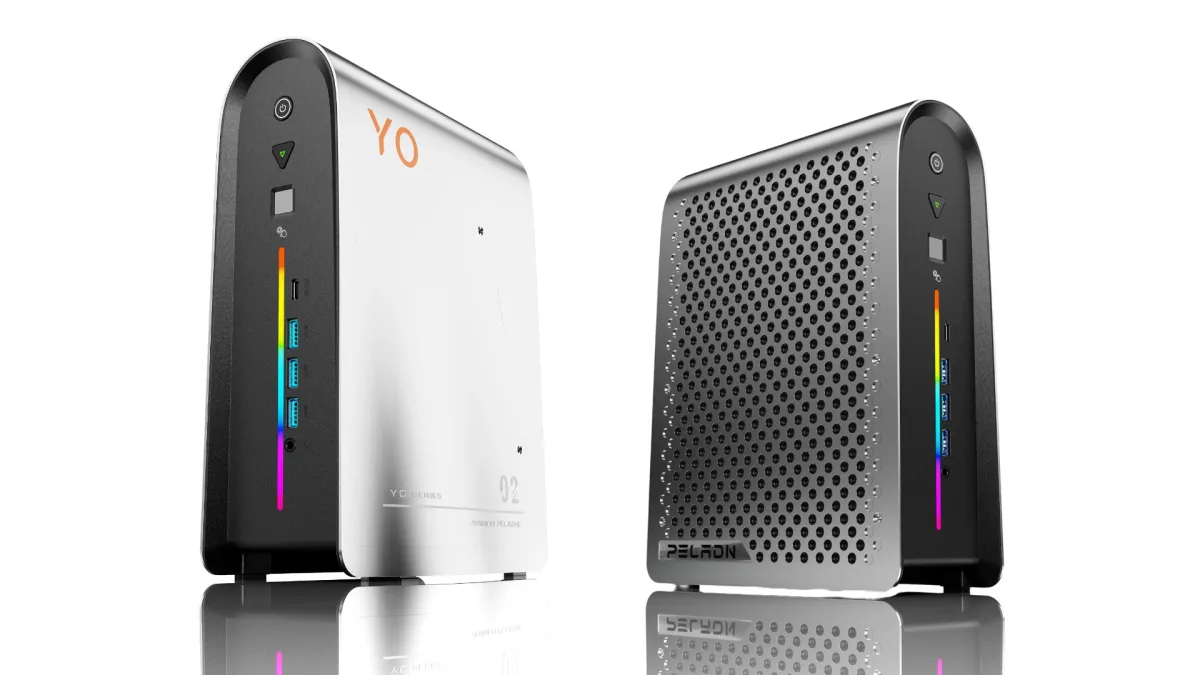
Panlei YO2 Review: 128GB Unified Memory Brings 70B LLMs to the Desktop
A 3.5-liter mini PC that runs a 70-billion-parameter model locally for under $2,900. This is not a concept. It's shipping.

Robotics
What Can a $1,400 Humanoid Robot Actually Do? We Went to WAIC to Find Out.
Over 300 robots were on display. The cheapest was just $1,400. But here's what the promo videos don't tell you: almost none of them can do household chores.
AI Phone
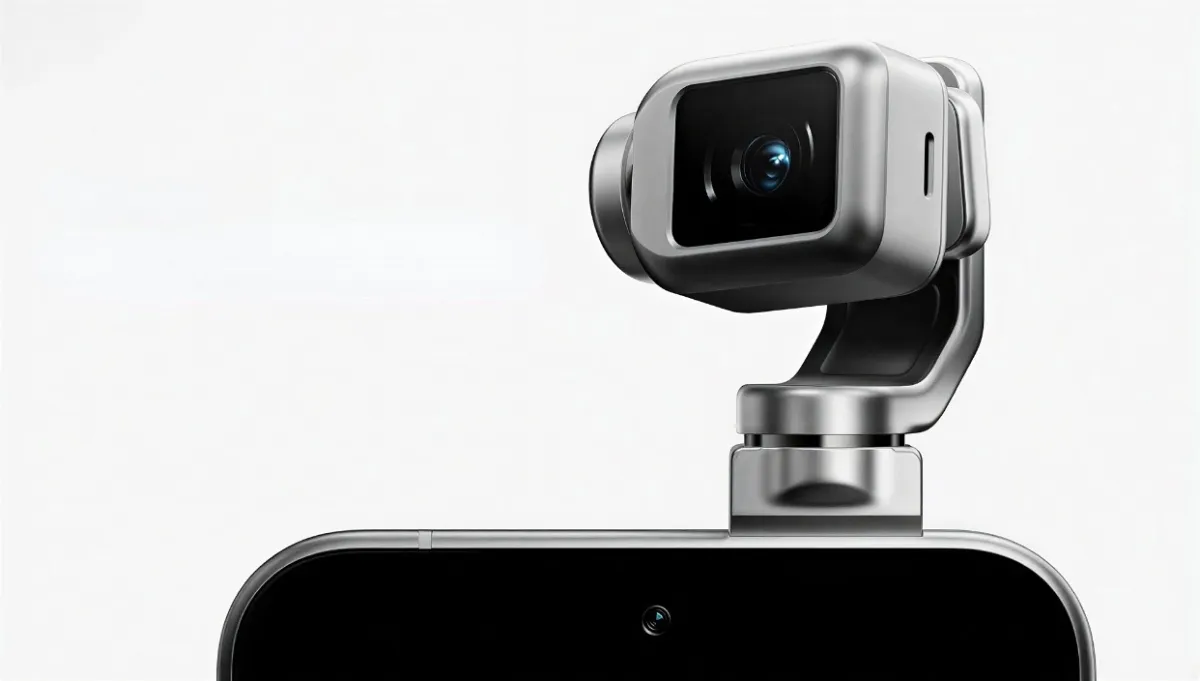
Three Paths, One Question: What Is an AI Phone For?
At WAIC 2026, three devices showed three visions of the AI phone — each claiming to be "world's first," each taking a radically different path. Here's what the hands-on e…

AI Glasses
Meta Glasses Review: Cheaper, More Comfortable, and Finally Adjustable
Meta ditched the Ray-Ban logo, dropped the price by $80, and added a three-way adjustable nose bridge. The result is the most comfortable pair of AI glasses the company h…

AI Glasses
AI Wearables 2026 — Rabbit R2 vs Humane AI Pin 2 vs Meta Ray-Ban Gen 3 vs Apple Vision Pro
2026's AI wearables stopped being jokes, but still need your phone like a toddler needs a hand.
AFTER THE VERDICT
When a review becomes an action question, Agent should take over.
Lab tells the reader whether a tool, workflow, or device is worth attention. Agent becomes the next layer when the user wants a more personalized recommendation or deeper operational help.