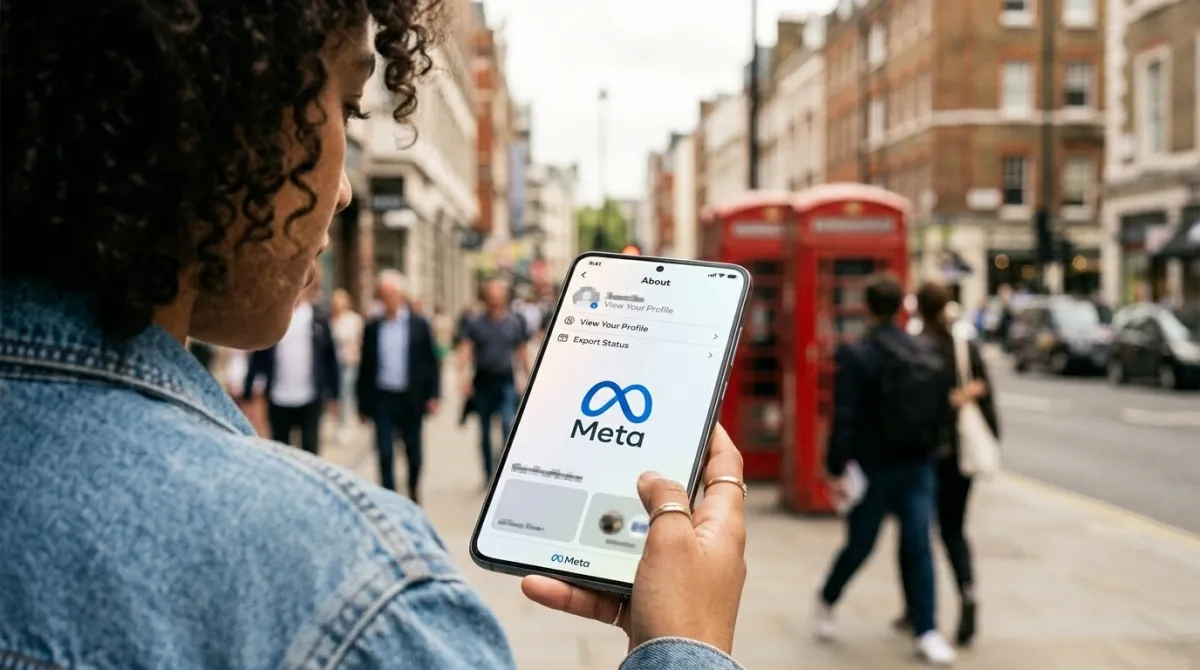
The Information obtained internal documents showing Meta’s plan to release Hatch, an OpenClaw-derived consumer AI agent platform, as early as late August or early September . In October, a new AI model codenamed Watermelon will follow . The launches are part of CEO Mark Zuckerberg’s broader effort to monetize Meta’s massive AI investments and diversify beyond its core advertising business .
Hatch is designed to interact directly with external web services, including DoorDash, Etsy, Reddit, Yelp, and Microsoft Outlook . A prototype includes a customizable dashboard for agent-built skills like automated fitness tracking or travel itinerary planning . Meta is also preparing to test WhatsApp integration for third-party AI agents starting this week .
This is not a feature. It is a pivot.
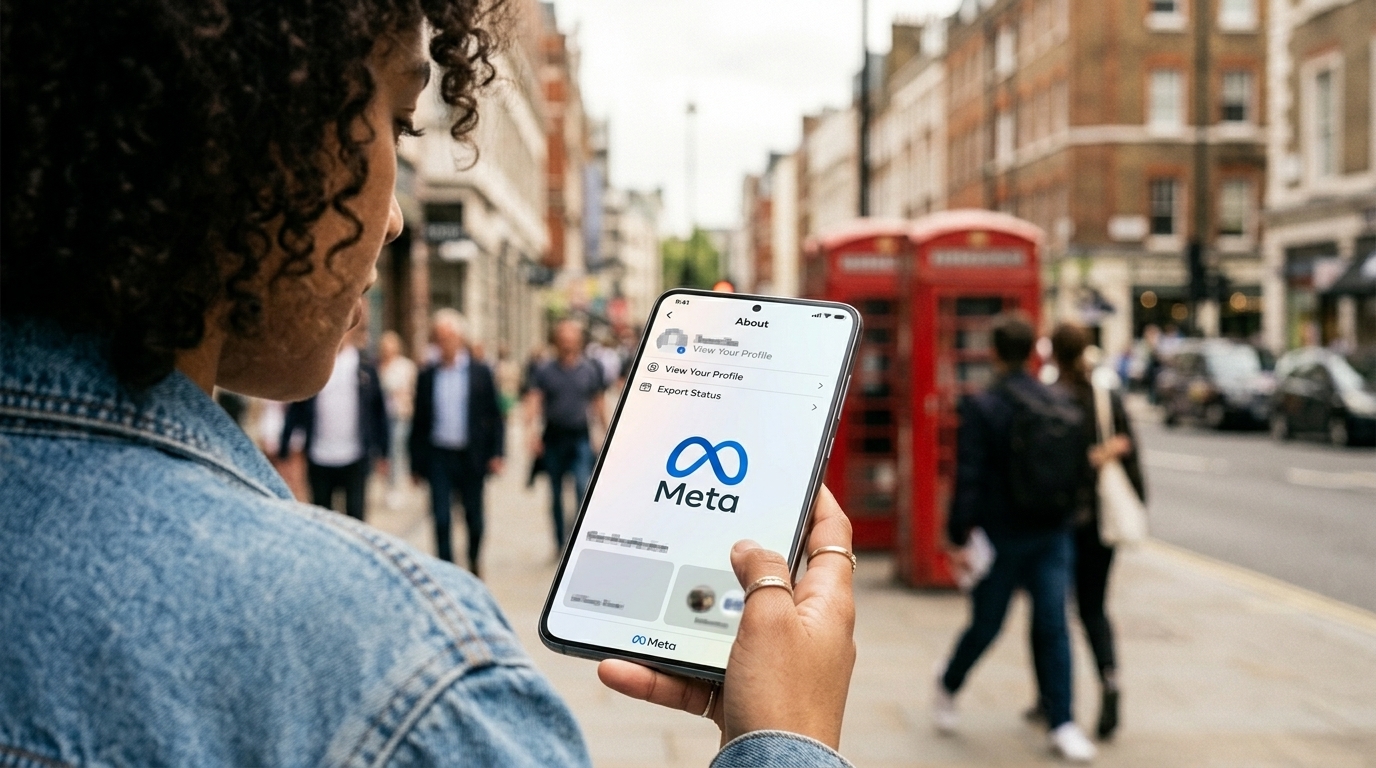
$199.99/Month Is Not a Price—It’s a Signal
Meta has considered a tiered pricing structure for Hatch, with a premium subscription costing up to $199.99 per month . For comparison, OpenAI’s ChatGPT Pro costs $200 per month. Anthropic’s Claude Pro is $40 per month. Meta is not pricing to compete on volume—it is pricing to signal value.
The question is whether consumers will pay $199.99 for an AI agent that can order DoorDash and check email. Meta is betting that deep integration with WhatsApp, Instagram, and its social graph makes the agent worth more than a standalone chatbot. But that bet depends on execution. AI agents have a track record of overselling and underdelivering. Hatch will need to demonstrate real utility beyond what users already get from ChatGPT or Claude for a fraction of the price.
The Dual-Track Strategy: Open Source for Mindshare, Premium for Revenue
Meta’s AI strategy now has two clear tracks. On one side, open-source models like Muse Glimmer and the promised open-weight version of Muse Spark 1.2 are designed to maintain developer mindshare and counter China’s open-source push . On the other, premium products like Hatch and Watermelon are designed to generate revenue .
The Hatch launch also follows a rapid pace of model releases: Muse Spark in April, Muse Spark 1.1 in July, Muse Spark 1.2 and Muse Code in August . Hatch and Watermelon are the commercial layer on top of that development pipeline—the way Meta turns research spend into cash flow.
This is a common playbook: give away the platform, sell the service. But Meta’s version is unusually aggressive. The company is not waiting for open-source adoption to drive premium conversion. It is launching both tracks in parallel, betting that the open-source ecosystem will expand its reach while the premium ecosystem captures the revenue.
What This Means for the AI Market
Meta’s entry into the consumer AI agent market changes the dynamics. OpenAI has ChatGPT with plugins. Anthropic has Claude with tool use. Google has Gemini with extensions. But none of them have Meta’s distribution—WhatsApp, Instagram, and Facebook reach billions of users.
If Hatch works, Meta could become the largest consumer AI agent provider overnight. If it doesn’t, the company will have spent billions on AI infrastructure and subscription revenue will remain marginal. The launch is not a test. It is a rollout. And the market will see the results within weeks.
P.S. The premium price point tells you Meta is not trying to win on volume. It is trying to win on value—and the only way that works is if Hatch does things no other consumer AI agent can do. That is a high bar. But it is also the only bar that matters.
Frequently Asked Questions
Q: What is Meta's Hatch AI agent?
A: Hatch is Meta's upcoming consumer AI agent platform, built on OpenClaw technology. It is designed to interact directly with external web services including DoorDash, Etsy, Reddit, Yelp, and Microsoft Outlook. Hatch is expected to launch in late August or early September 2026.
Q: How much will Meta's Hatch cost?
A: Meta has considered a tiered pricing structure with a premium subscription costing up to $199.99 per month. For comparison, OpenAI's ChatGPT Pro costs $200 per month, and Anthropic's Claude Pro costs $40 per month.
Q: What is the Watermelon model?
A: Watermelon is Meta's upcoming AI model, expected to launch in October 2026. The model will support Hatch's agent capabilities and represents Meta's continued investment in proprietary AI development alongside its open-source releases.
Q: How does Hatch integrate with Meta's apps?
A: Hatch is expected to have deep integration with WhatsApp, Instagram, and Facebook. Meta is also preparing to test WhatsApp integration for third-party AI agents starting this week. This distribution advantage—access to billions of users—is Meta's key differentiator from OpenAI and Anthropic.
Q: Why is Meta launching Hatch now?
A: Meta is launching Hatch to monetize its massive AI investments and diversify beyond advertising revenue. The launch follows a rapid pace of model releases: Muse Spark in April, Muse Spark 1.1 in July, and Muse Spark 1.2 in August 2026.
Q: What is Meta's dual-track AI strategy?
A: Meta is running two parallel AI tracks: open-source models (Muse Glimmer, open-weight Muse Spark 1.2) for developer mindshare and countering China's open-source push, and premium products (Hatch, Watermelon) for revenue generation. This is a "give away the platform, sell the service" playbook.
Q: What can Hatch actually do?
A: Hatch can interact with external services like DoorDash, Etsy, and Yelp. A prototype includes a customizable dashboard for agent-built skills like automated fitness tracking and travel itinerary planning. The agent is designed to act as a personal assistant that can execute tasks across multiple web services.
Q: How does Hatch compare to ChatGPT?
A: ChatGPT Pro costs $200 per month and offers general-purpose AI capabilities with plugin support. Hatch's premium tier is priced similarly but is focused on consumer tasks like food delivery, shopping, travel planning, and email management—with deeper integration into Meta's social apps.
Q: When will Watermelon launch?
A: Meta is planning to release Watermelon in October 2026, according to internal documents obtained by The Information. The model will likely power Hatch's agent capabilities and support broader AI features across Meta's product ecosystem.
Q: Is Meta abandoning open-source AI?
A: No. Meta is continuing to release open-source models. The company has promised to release the weights of Muse Spark 1.2 and has already launched Muse Glimmer. The open-source strategy is designed to maintain developer mindshare and counter Chinese open-source competition, while Hatch and Watermelon represent the commercial layer on top of that infrastructure.