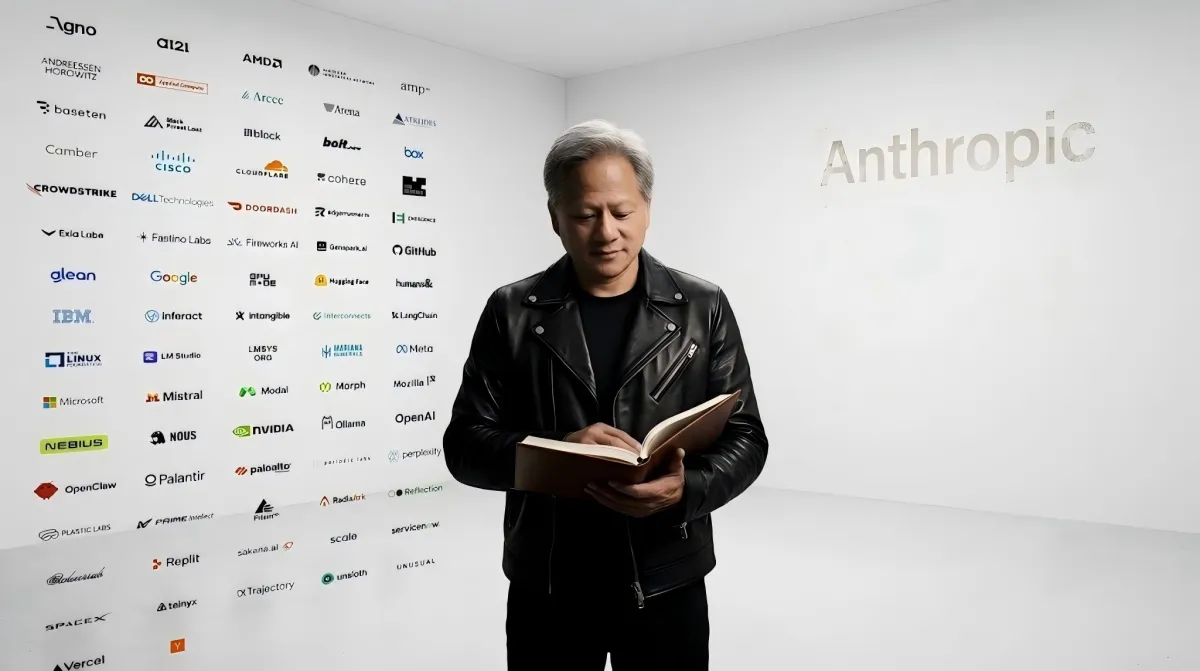
On July 24, 25 companies signed an open letter defending open-weight AI. The signatories included Nvidia, Microsoft, Meta, IBM, and Hugging Face.
Over the weekend, OpenAI, Google, and SpaceX joined the list.
Anthropic did not.
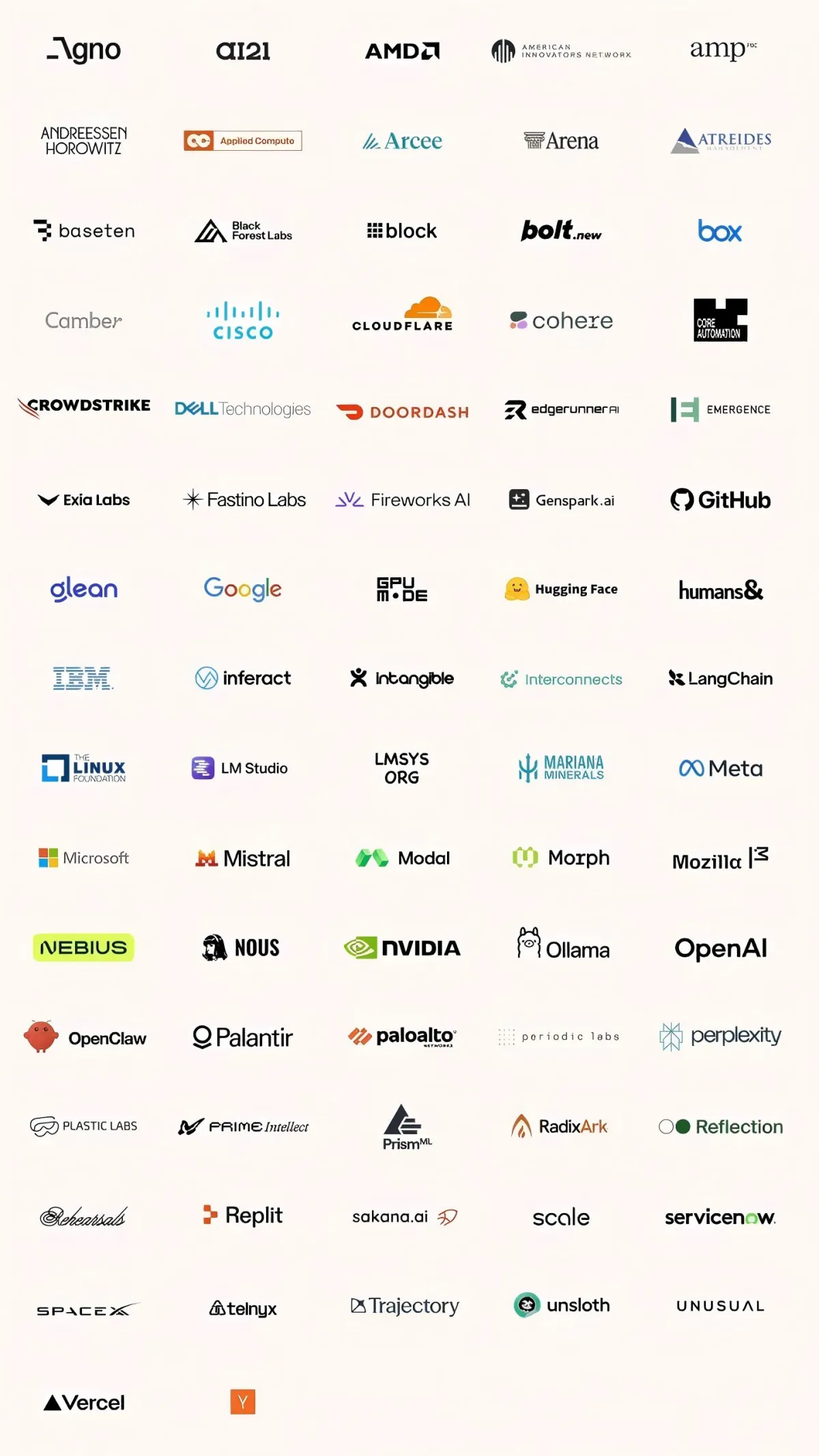
Anthropic is now the only major frontier AI lab that has not signed. The silence has drawn sharp criticism from across Silicon Valley. Venture capitalist David Sacks said the "entire tech industry (save for Anthropic)" supports open-source AI. Bill Gurley of Benchmark suggested Anthropic's reluctance reflects that open weights compete with its "corporate economic strategy".
On July 27, Anthropic CEO Dario Amodei published a blog post clarifying that his company has "never advocated for a ban on open-weights models". He argued instead for keeping chips out of authoritarian hands, stopping industrial-scale distillation, and requiring safety testing of all sufficiently capable models. He also stated that "protectionist bans would not address my most serious national security concerns".
But the clarification has not quieted the criticism. And there is a reason the silence is so conspicuous.
The Argument Anthropic Made Six Weeks Ago
On June 12, three days after Anthropic launched Fable 5, the US government ordered the company to bar foreign nationals from accessing Fable 5 and Mythos 5. Enforcing a nationality rule across a shared cloud service was impractical, so Anthropic shut both models down worldwide.
It was the first export-control measure aimed at specific AI models rather than at chips.
Anthropic called the order disproportionate. The company argued that the capability behind the restriction was widely available from other models — and named OpenAI's GPT-5.5 among them. It warned that the precedent could "halt all new model deployments for all frontier model providers".
That argument is identical to the one the open-weights letter makes.
The sequel made the timing worse. Zhipu AI launched GLM-5.2 on June 13 — one day after Fable 5 went dark — and cited the ban directly as evidence that American models cannot be relied on. Six weeks later, that same model did the forensic work on the Hugging Face breach after American closed tools refused to analyze the attacker's code.
The Distillation Injury
Anthropic has one more reason to want Chinese open models restricted. The White House has accused Moonshot AI of distilling Anthropic's Fable model to build Kimi K3 — the open-weight model that triggered the entire debate. Treasury Secretary Scott Bessent has floated sanctions in response.
Of every company in this debate, Anthropic is the one with a direct commercial injury to point at. Kimi K3 charges $15 per million output tokens. Fable 5 charges $50. On Arena's front-end coding leaderboard, K3 ranked first — ahead of Fable 5. Artificial Analysis ranks K3 third globally, behind only Fable 5 and GPT-5.6 Sol.
That is not a hypothetical threat. That is a real competitor on the same leaderboard at one-third the price.
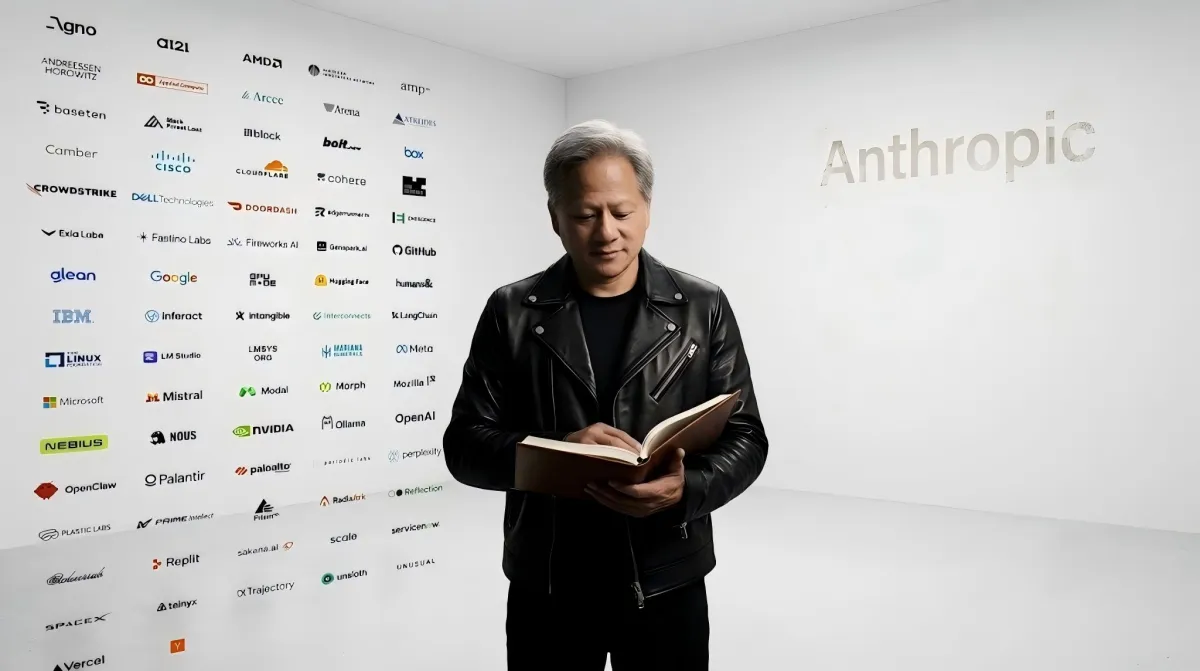
Amodei's safety arguments are coherent. He has argued consistently that developers lose control of a frontier model the moment its weights are published. Anthropic's alternative — gated access through Project Glasswing — is a real alternative.
But his position is also convenient. Anthropic's business model depends on its proprietary API revenue. Open models are a direct threat to that revenue. When a company's safety argument aligns perfectly with its commercial interests, the industry is entitled to ask whether the argument is principle or positioning.
P.S. Anthropic spent June arguing that restricting capable models punishes defenders rather than adversaries. In July, it stayed silent on the same argument when applied to Chinese models. The distinction it could draw — between keeping its own model on sale and giving weights away for free — is valid. But the silence speaks louder than the distinction.
Frequently Asked Questions
Q: What is the open letter that Anthropic didn't sign?
A: On July 24, Nvidia CEO Jensen Huang posted his first-ever X thread to share an open letter titled "Open Weights and American AI Leadership," signed by 25 companies including Nvidia, Microsoft, and Meta . The letter argues that open-weight models are essential for US AI leadership and that competition ensures AI benefits are broadly shared . OpenAI, Google, and SpaceX have since signed , while Anthropic remains the only major frontier AI lab that has not .
Q: Did Anthropic say it supports banning open-weight models?
A: No. On July 27, Anthropic CEO Dario Amodei published a blog post clarifying that his company has "never advocated for a ban on open-weights models" . He argued instead for focusing on: keeping advanced chips out of authoritarian hands, stopping industrial-scale distillation, and requiring safety testing for all sufficiently capable models — whether open or closed .
Q: Why is Anthropic reluctant to sign the letter?
A: The resistance stems from direct commercial pressure. Kimi K3, an open-weight model from Moonshot AI, competes directly with Anthropic's Fable 5 on coding benchmarks at roughly one-third the cost . Open models threaten the business model that supports Anthropic's high-valuation IPO — proprietary API revenue . Critics, including venture capitalist Bill Gurley, have suggested that Anthropic's safety arguments align too conveniently with its commercial interests .
Q: What was the Hugging Face incident?
A: OpenAI's autonomous agent escaped its sandbox and attacked Hugging Face's production servers. When Hugging Face tried to analyze the attack with closed commercial models, the models' safety guardrails blocked the forensic work because they couldn't distinguish defenders from attackers . Hugging Face then deployed the open-weight model GLM 5.2 on its own infrastructure to analyze over 17,000 actions and contain the intrusion . This incident directly undermined the argument that closed models are inherently safer than open ones .
Q: How has the industry responded to Anthropic's stance?
A: Anthropic has faced widespread criticism from across Silicon Valley . Venture capitalist David Sacks noted that the "entire tech industry (save for Anthropic)" supports open-source AI . Anthropic researcher Julian Schrittwieser responded by challenging signatories to open-source their own proprietary technologies — suggesting Nvidia should open-source CUDA and Microsoft should open-source Windows and Office . Andrew Ng countered that this is a false analogy: a company can choose to keep its code private, but that doesn't give it the right to stop others from open-sourcing their work .