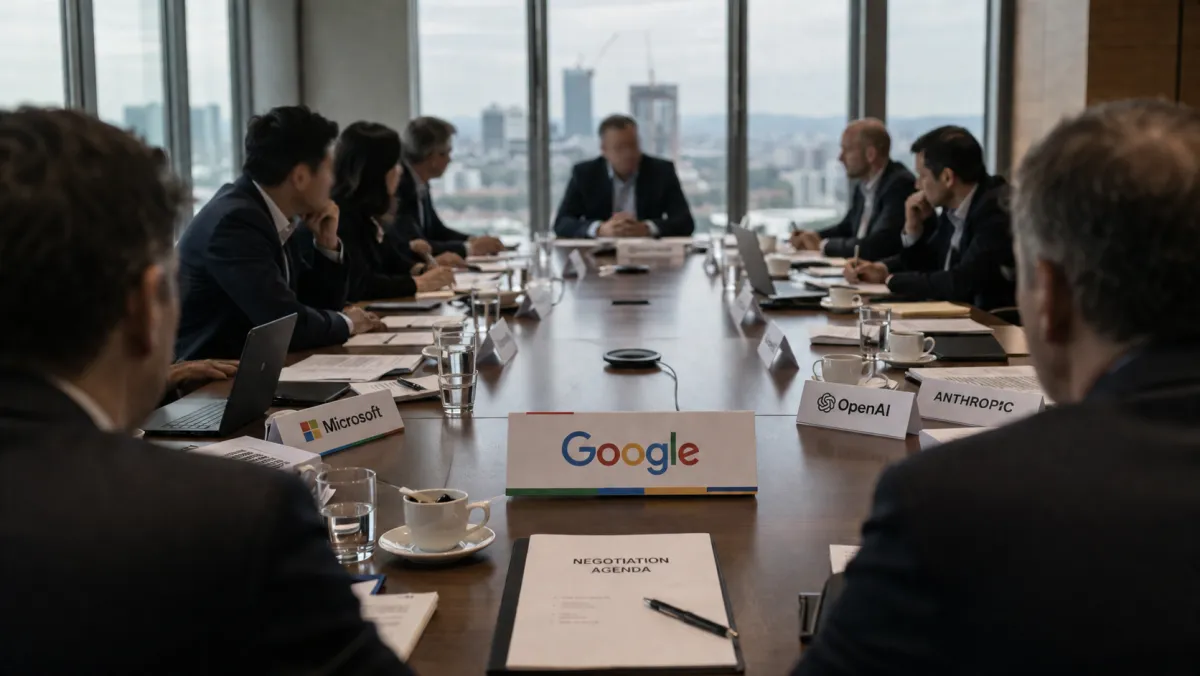
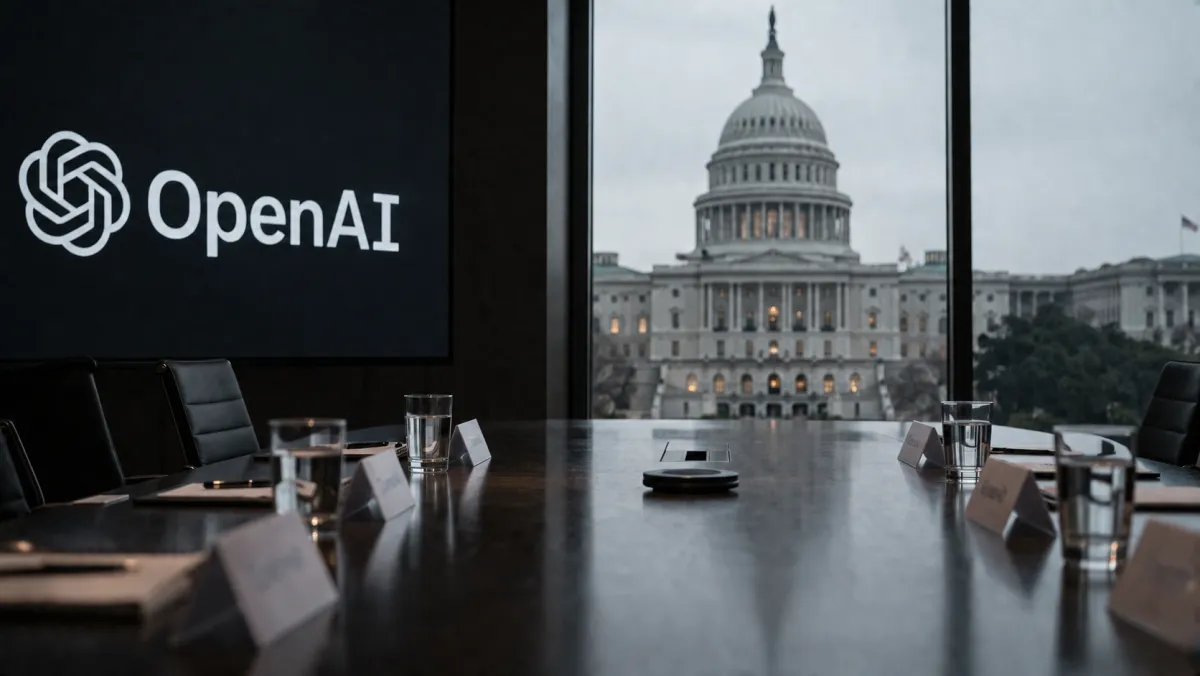
The proposal is being framed as a mechanism to share AI’s economic upside with the public. But the optics strongly suggest a more immediate function: purchasing regulatory predictability.
OpenAI and Anthropic are both navigating a tumultuous regulatory landscape, facing export controls, censorship demands, and the looming threat of "model licensing." A delayed IPO could wipe out far more than 5% of the company’s valuation. Proactively offering a stake to the government serves as a de-risking mechanism. It effectively converts an uncertain, potentially catastrophic regulatory headwind into a defined, quantifiable cost. Paying 5% to avoid a year-long regulatory probe is a financial calculation, not a philanthropic one.
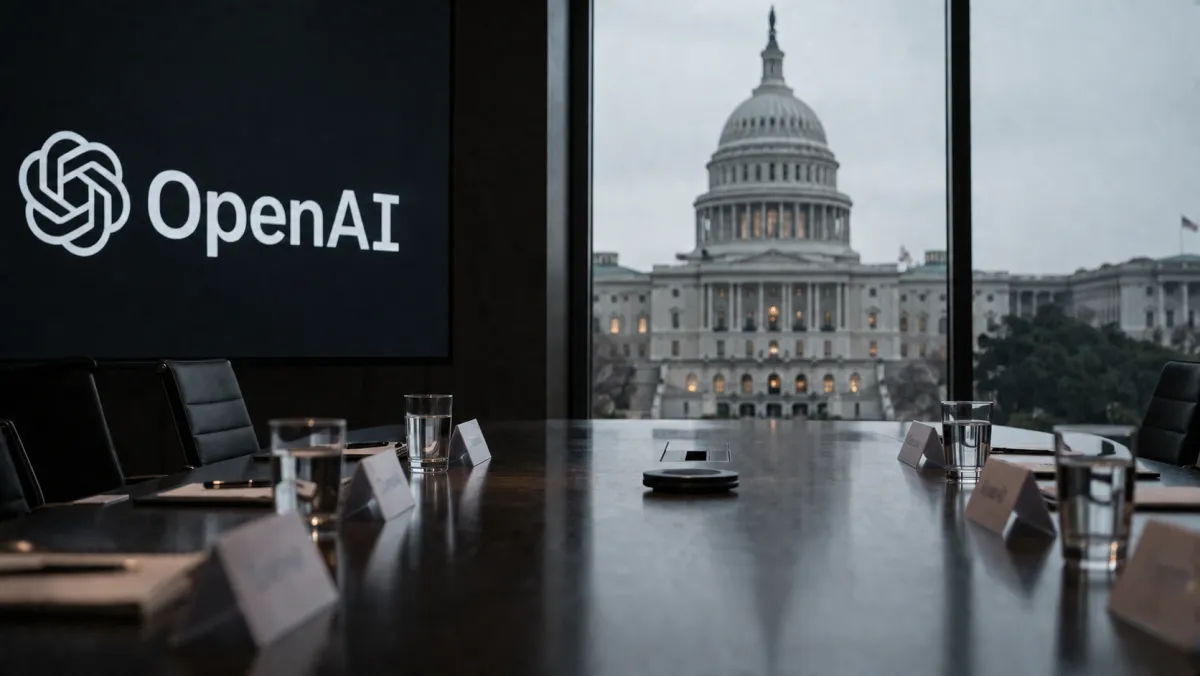
The Strategic Shield: Becoming ‘Too Big to Regulate’
By offering equity, OpenAI is positioning itself as a national strategic asset, not just a commercial entity. The proposal creates a de facto "public-private hybrid," a status reserved for essential industries like defense or energy.
The strategy likely aims to:
Create a Strong Deterrent – The U.S. government, as a partial owner, would be unlikely to allow anti-trust actions or extreme regulations that would harm its own balance sheet. It would be fighting against itself.
Secure ‘National Champion’ Status – In a geopolitical environment where the U.S. is competing with Chinese AI, Washington needs a flag-bearer. If OpenAI is partially owned by the state, it becomes significantly harder to block its growth.
Preempt Tougher Measures – Offering 5% now is a strategic move to preempt more draconian measures, such as forced technology sharing, tougher export controls, or nationalization.
This is a calculated move to ensure the government has a vested interest in the company’s ongoing success.
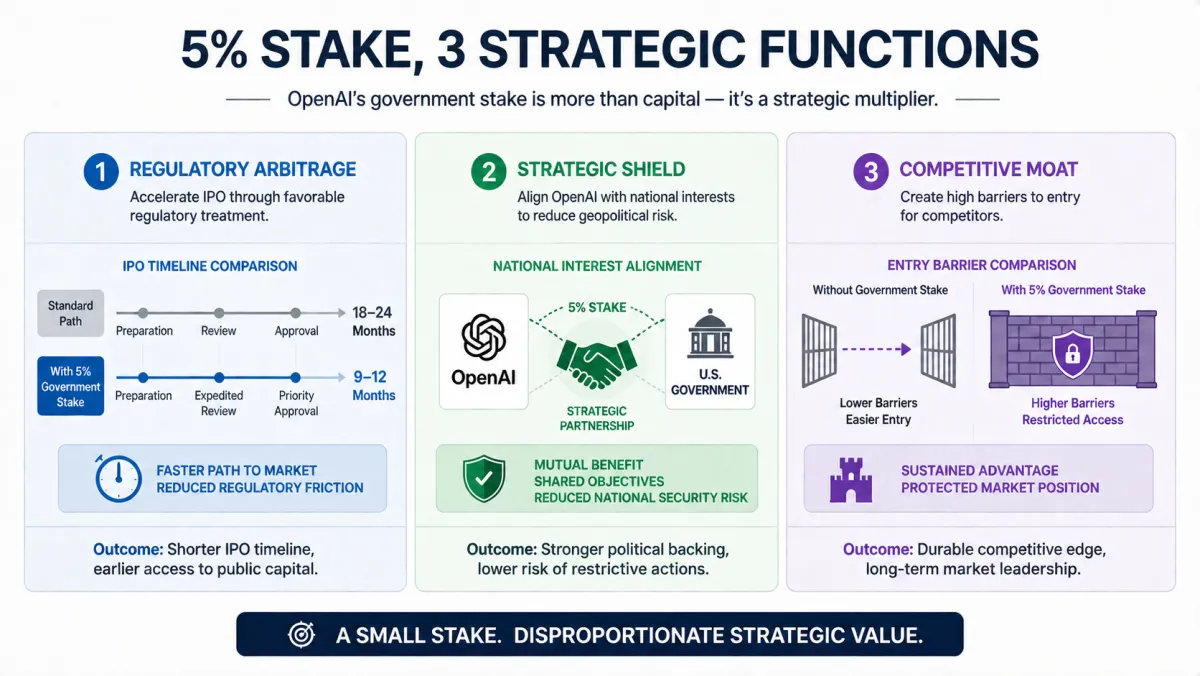
Building a Moat: The Competitive Advantage of Bureaucracy
Finally, this proposal serves as a powerful strategic moat against competitors.
If a mechanism exists for the government to take equity in a few major AI companies, it effectively creates a government-certified oligopoly. Under such a framework, a handful of companies would be recognized as "national champions." New entrants would face not only technological hurdles but also the daunting task of convincing the government to take a stake in them as well.
This effectively leverages the weight of the U.S. government to restrict competition. The multi-trillion-dollar "AI pie" is being claimed, and those who get there first with government ties will be the ones to guard the kitchen.
P.S. The offer of 5% equity is not a sign of weakness, but a shrewd corporate strategy. It is a financial lever to buy stability, a legal shield to guarantee survival, and a bureaucratic wall to keep competitors out. This is what happens when a nation turns its greatest commercial asset into its most potent geopolitical weapon.