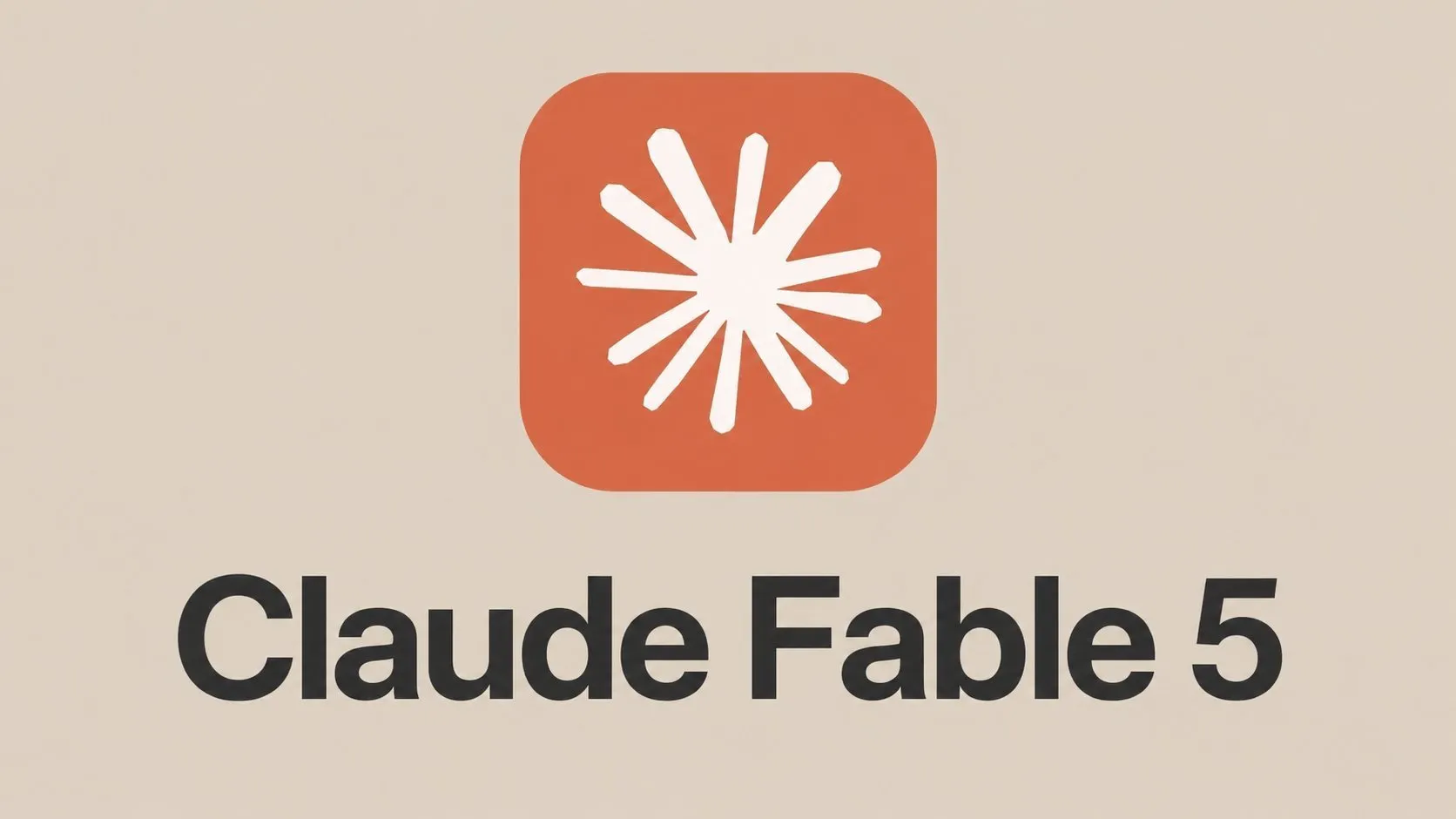
On June 26, Commerce Secretary Howard Lutnick sent a letter to Anthropic‘s chief compute officer Tom Brown, notifying the company that the government had revised its licensing requirements for Mythos 5. The letter cited “significant progress” and cleared the way for more than 100 U.S. organizations to regain access to Mythos for defensive cybersecurity purposes.
Axios reported on June 26 that the administration is close to allowing Anthropic to restore Fable 5 as well, with restrictions possibly lifted as soon as next week. Conversations are expected to continue over the weekend.
Two weeks ago, both models were abruptly shut down. Now one is back, the other is close. The government isn’t banning AI. It‘s learning how to let it back in—on its own terms.
The CEO Who Couldn’t Talk to Washington
The most revealing detail isn‘t in any official letter. It’s in who‘s doing the talking.
Multiple sources told Axios that Anthropic CEO Dario Amodei was sidelined from the negotiations because government officials found him “difficult to communicate with.” The company’s co-founder, Tom Brown, took over. And that‘s when the talks started moving.
This is a company built on safety rhetoric. Amodei has spent years warning about catastrophic AI risks. He’s testified before Congress, called for global coordination, and positioned Anthropic as the responsible alternative to OpenAI. But when his own company‘s models were actually at stake, he couldn’t get the government to listen.
Politico reported that the administration had imposed the restrictions after “a series of tense calls” with Amodei about whether the company‘s safety guardrails were as solid as promised. Government officials said Anthropic “walked to every single fork in the road and chose the wrong one every time.” Amodei was reportedly rigid and unwilling to engage with the government’s concerns.
Brown, by contrast, took a different approach. He engaged directly with Commerce Department officials and helped build trust. The reversal on Mythos came after Anthropic staff and senior White House officials met over the last two weeks to discuss ways to defuse the dispute.
Safety Narrative vs. Reality
Anthropic‘s brand is built on safety. It calls itself the responsible AI company, publishes papers on alignment, and has argued for global coordination to slow down frontier AI development. But when the government actually stepped in to enforce its own safety concerns, Anthropic fought back—until it had to change negotiators.
That’s the contradiction. Anthropic spent years arguing that AI is too dangerous to leave unregulated. But when regulation arrived, it resisted. The company built a public identity around“doing safety the right way.” But the government‘s version of safety—export controls, customer-by-customer approvals—was not the version Anthropic wanted.
Brown’s shift in negotiating style suggests the company recognized that the government wasn‘t going to back down. The administration had the legal authority to keep Fable 5 offline indefinitely. It had already shown it was willing to use it. The choice was between staying in a fight it couldn’t win and finding a way back to the table. Brown chose the table.
P.S. Dario Amodei built Anthropic‘s reputation on safety rhetoric. He warned about catastrophic AI risks, testified before Congress, argued for global coordination. But when his own models were at stake, he couldn’t get the government to listen. Tom Brown—the co-founder who stays out of the spotlight—took over, and the deal got done. That‘s not about the technology. It’s about who the government trusts to talk to.