On June 25, Apple did something it rarely does. It raised prices across its Mac and iPad lineup, with increases ranging from $100 to $300 depending on the model. MacBook Air jumped from $1,099 to $1,299. MacBook Pro rose from $1,699 to $1,999. iPad Air went from $599 to $749.
The reason? “We have never seen a component price increase this much, this quickly,” Apple said in a statement.
Numbers back that up. DRAM prices surged 98% in the first quarter of 2026 and are expected to climb another 58-63% in the current quarter, according to industry tracker TrendForce. Counterpoint Research estimates that memory costs have roughly quadrupled over the past three quarters.
Market reaction was brutal. Apple‘s stock fell 6.1%, wiping out $263 billion in market value. The sell-off spilled into Asian markets, with Korea’s KOSPI plunging over 7% the next day.
Tim Cook warned this was coming. In an interview with the Wall Street Journal, he called it a “hundred-year flood,” saying he had “never seen anything like this in any area in over 40 years.”
Structural problem is simple: AI data centers are consuming memory chips at an unprecedented rate. NVIDIA‘s H100 and Blackwell GPUs require five to eight times more high-bandwidth memory than standard servers. Samsung, SK Hynix, and Micron have shifted production capacity to HBM for AI accelerators, leaving consumer-grade DRAM in short supply. New capacity takes two to three years to come online.
Apple Is Asking Washington for Permission
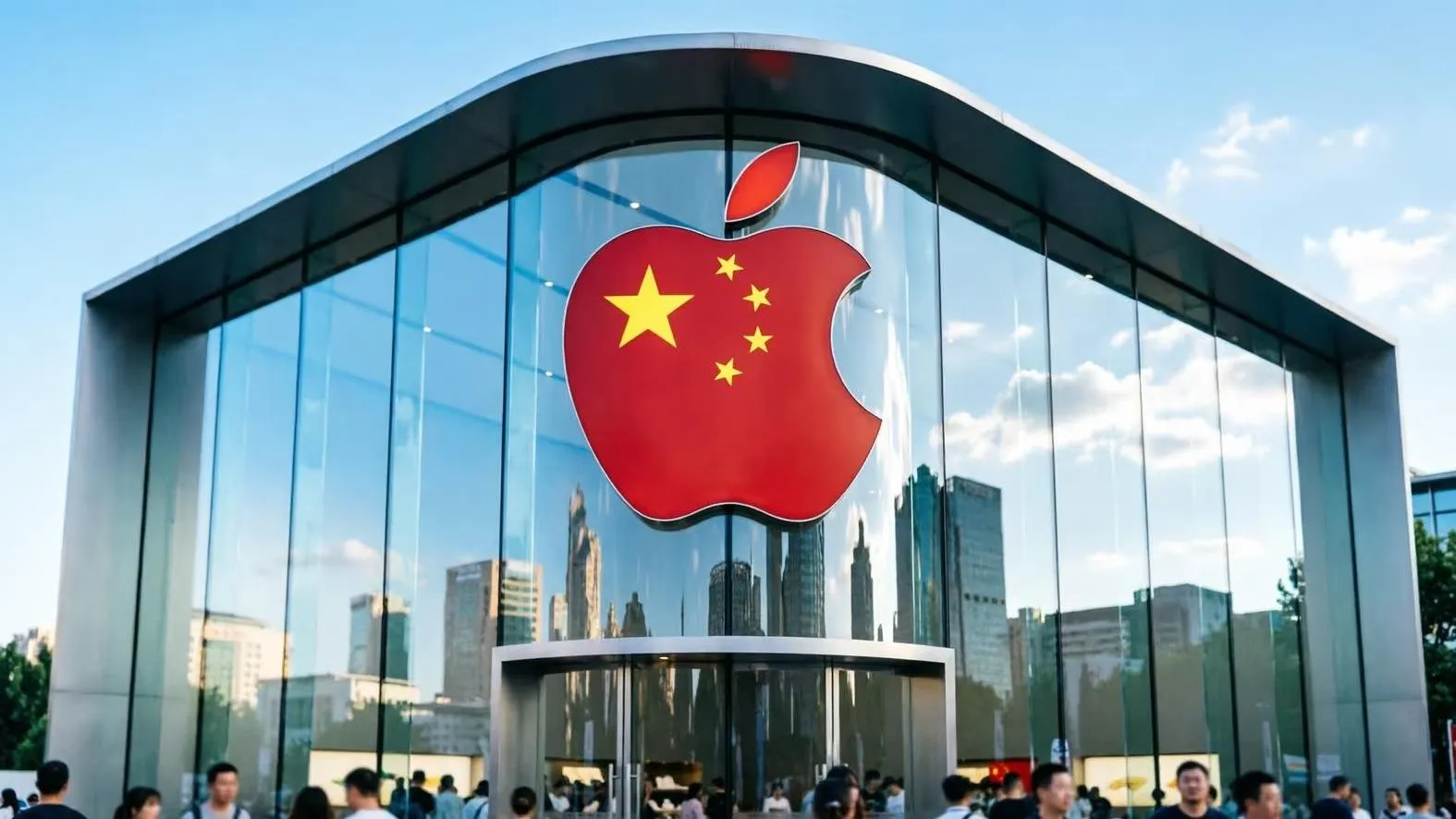
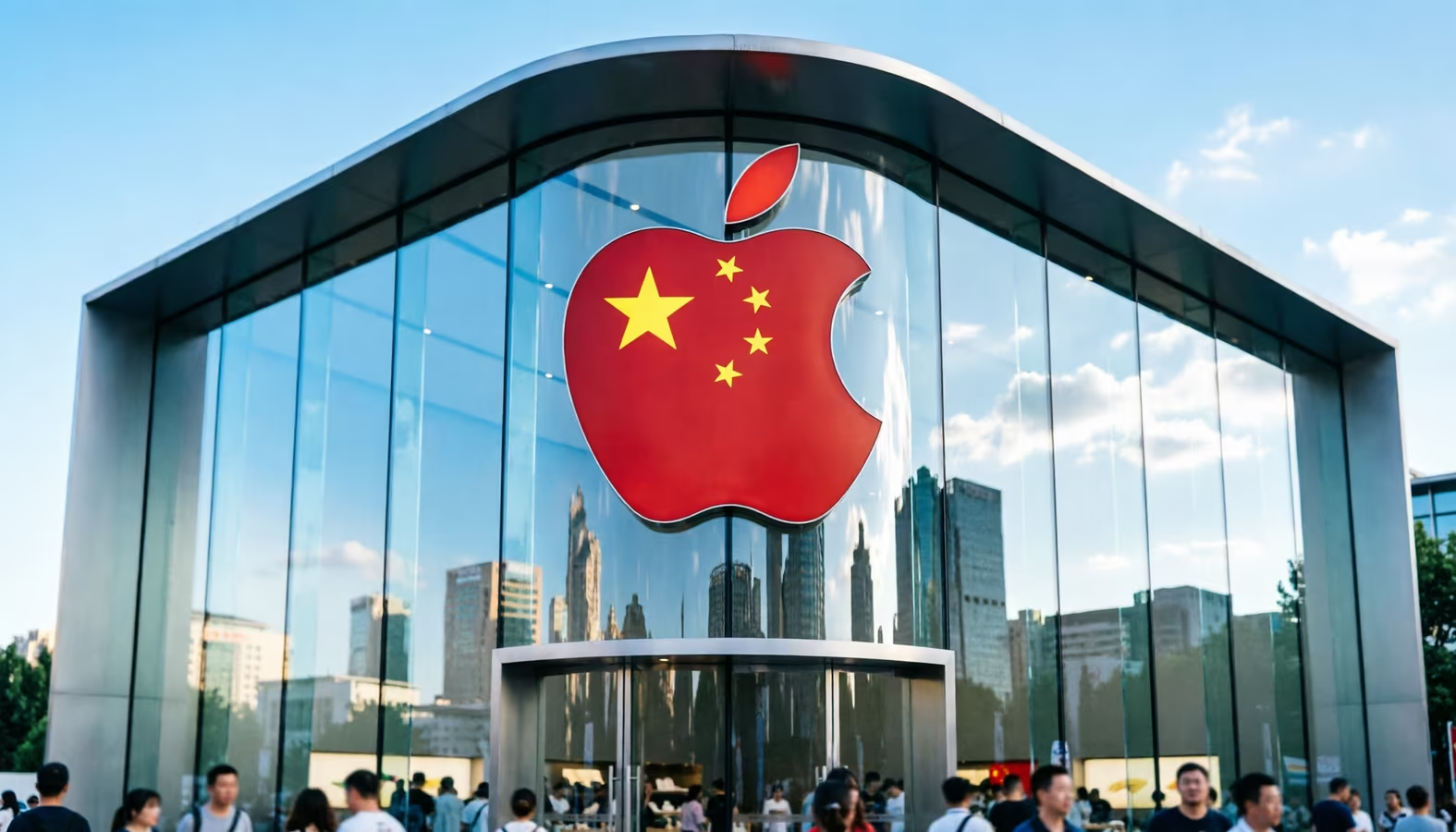
Apple has been lobbying the Trump administration for over a month, seeking approval to buy memory chips from CXMT. The company has approached the Commerce Department and engaged with other administration officials and allies in Washington.
CXMT is China‘s largest DRAM manufacturer. It’s also on the Pentagon‘s blacklist (Section 1260H) for alleged ties to the People’s Liberation Army and has been approved for addition to the Commerce Department‘s Entity List. Companies on the Entity List face substantial restrictions on doing business with US firms.
That creates a paradox. Apple can legally buy from a blacklisted company — there’s no automatic ban — but the reputational and political risks are severe. And with the Entity List designation looming, any deal could be blocked.
Political pushback is already underway. Rep. John Moolenaar (R-MI), chair of the House China Committee, told the Financial Times that Apple partnering with CXMT “would be a grave mistake,” arguing it would deepen US dependence on Chinese supply chains.
Why Apple Is Willing to Take the Risk
Apple‘s current DRAM suppliers are Samsung, SK Hynix, and Micron — a trio that controls roughly 95% of the global DRAM market. That’s a monopoly, and AI demand has given them pricing power.
CXMT represents the only credible alternative. The company‘s financials show why. First-quarter revenue hit $7 billion (508 billion RMB), up 719% year-over-year, with net profit of $3.4 billion (247.6 billion RMB), up 1,688%. The company is preparing for a $4.1 billion IPO on Shanghai’s STAR Market.
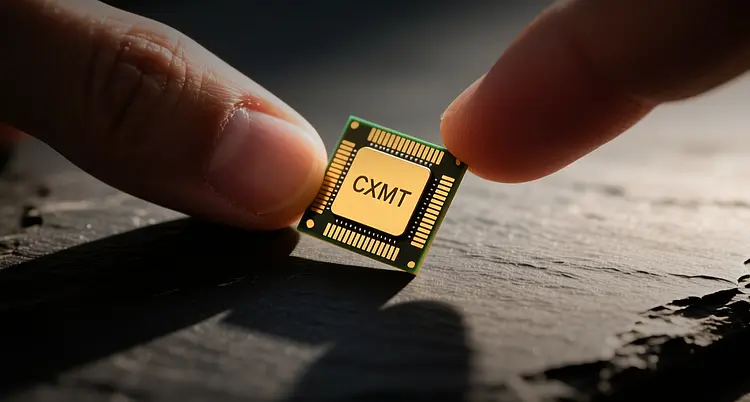
If Apple can bring CXMT into its supply chain, even as a secondary supplier, it would dramatically improve its negotiating position. As the FT notes, even if CXMT can‘t fully meet Apple’s needs, the mere existence of an alternative supplier strengthens Apple‘s hand.
For Apple, this is about cost. Memory and storage now account for about 10-15% of iPhone bill of materials, with JPMorgan estimates suggesting that could exceed 45% by 2027. iPhone 18 Pro memory costs could nearly triple from current levels. If component costs continue rising, iPhone prices will eventually have to follow.
P.S. Tim Cook called this a “hundred-year flood.” He wasn’t exaggerating. AI demand has turned memory chips from a commodity into a strategic asset. When a company like Apple — with its legendary supply chain management — starts begging Washington for access to a blacklisted Chinese supplier, it‘s not about geopolitics. It’s about math. A $263 billion market cap drop makes math very persuasive.