DeepSeek V4.1 is scheduled for release this month. The exact date hasn‘t been confirmed, but the window is June. This isn’t a routine point release. The upgrade covers four areas: native multimodality, MCP protocol support, an enterprise toolchain, and a major push into AI-powered coding. Together, they point in one direction — moving DeepSeek from “chat” to “work.”
Native Multimodality: Eyes for the Model
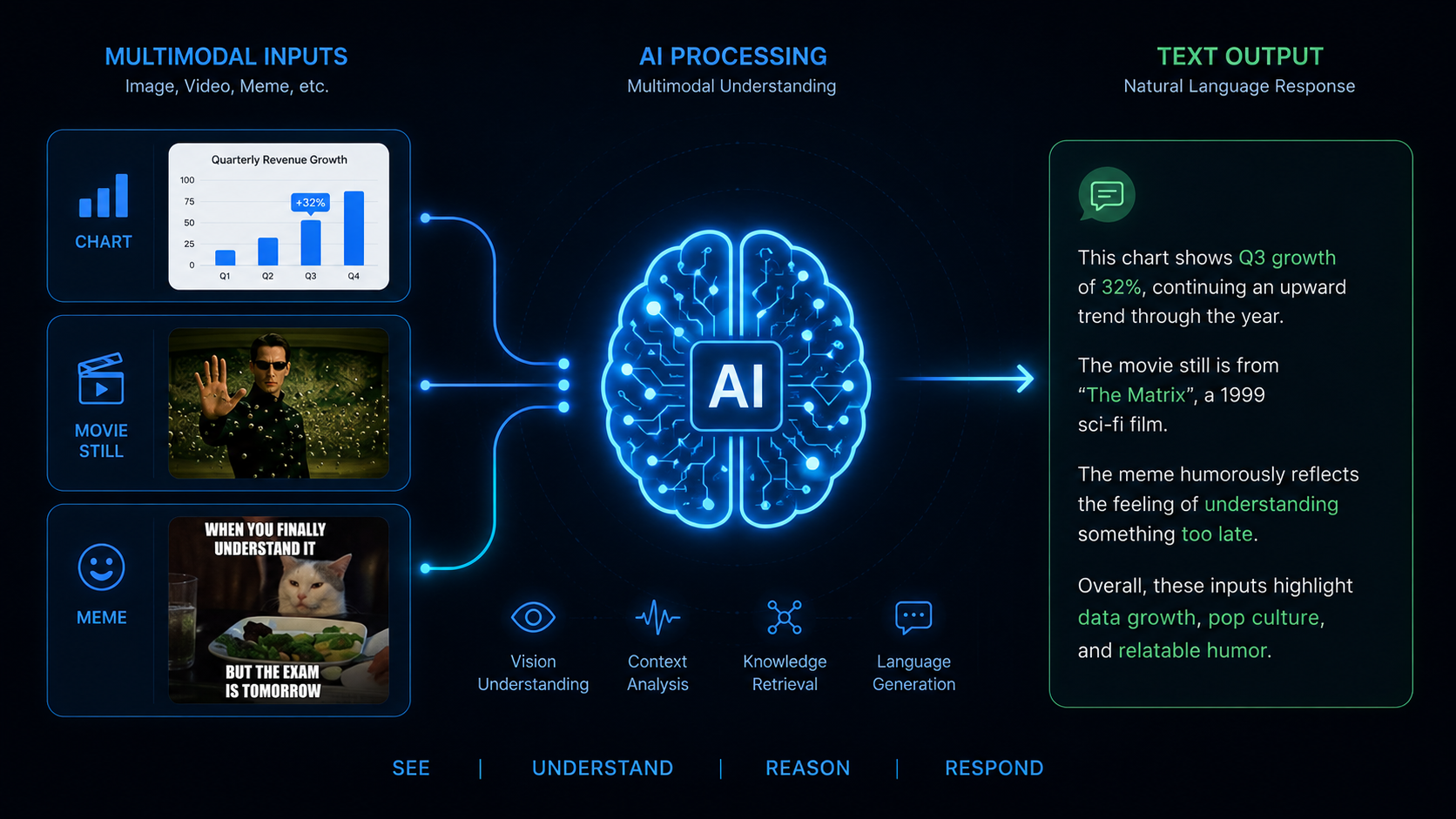
The biggest gap in the V4 series was the lack of image understanding. You couldn‘t show it a chart, ask it to describe a photo, or extract information from a screenshot. V4.1 changes that.
DeepSeek began quietly testing an “image recognition mode” in late April with a small group of users. According to multiple media reports, the model performs well in most scenarios — identifying movie stills, product photos, abstract images, and even interpreting memes. What stands out is its reasoning process. It asks follow-up questions, self-corrects, and thinks through what it sees rather than just describing it.
Limitations remain. Counting fingers, inverted colors, and hidden numbers still trip it up. Its knowledge cutoff means some newer content falls outside its scope. But for most practical use cases, the foundation is solid. According to Chinese tech media, V4.1 will support text, image, and audio inputs — though output remains text-only for now.
MCP + Enterprise Toolchain: From Chat to Work
V4.1 will natively support the Model Context Protocol (MCP), an open standard for connecting AI models to external software, tools, and data systems. Think of MCP as a universal interface for AI. Support for MCP means DeepSeek can plug into existing workflows with standardized integration.
Alongside MCP, V4.1 will ship with an enterprise toolchain covering fine-tuning, private deployment, and security auditing. This marks a strategic shift. DeepSeek is no longer just an API service for developers. It is moving into the enterprise market. According to media reports, DeepSeek employees have already started pitching the company’s models to enterprise customers across multiple industries.
The Harness Team: DeepSeek‘s “Hand”
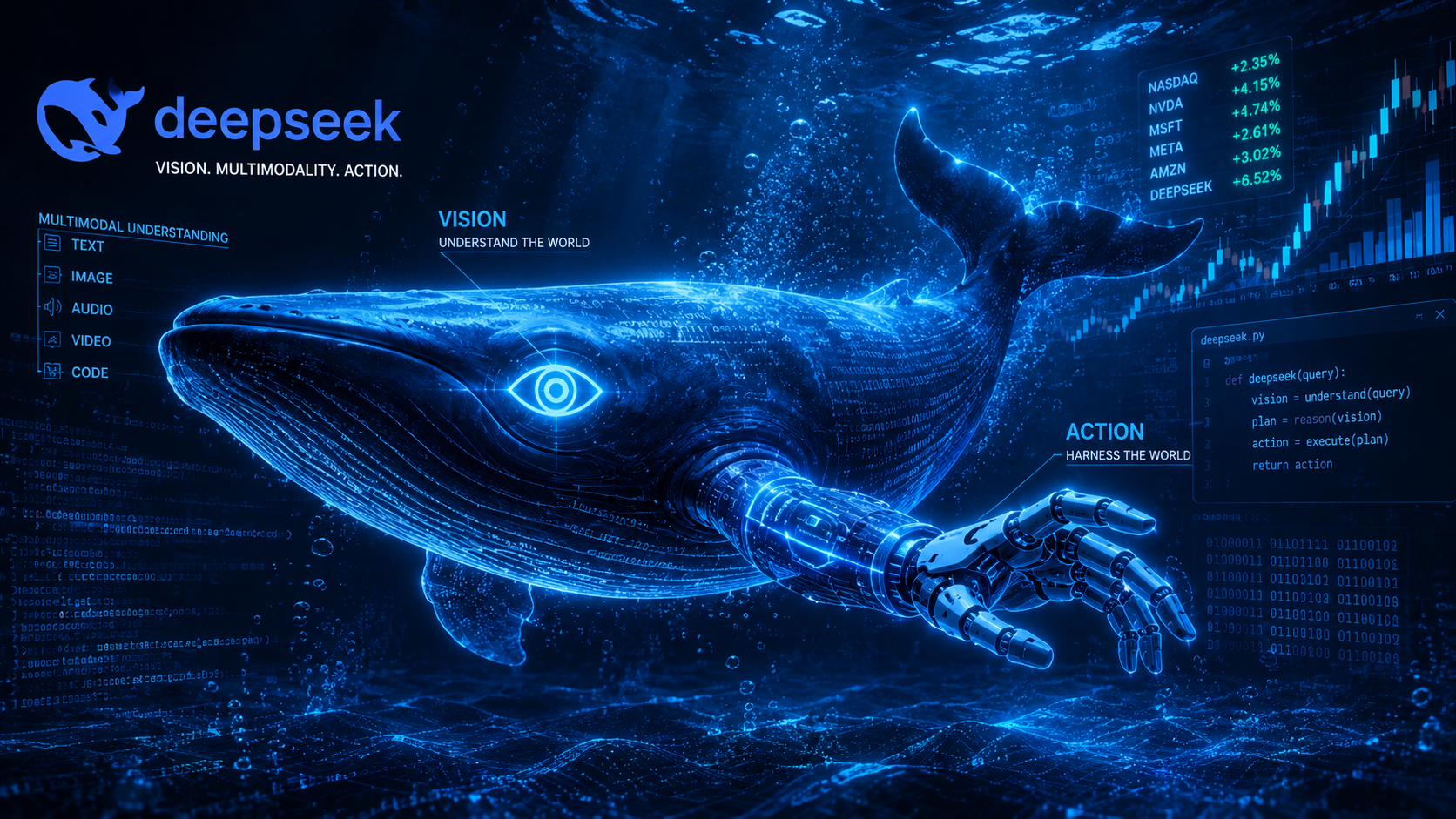
This is the most telling strategic move. In May 2026, a DeepSeek researcher confirmed on social media that the company is building a dedicated “Harness” team focused on DeepSeek Code Harness — a direct response to Anthropic’s Claude Code.
The recruiting materials feature a simple formula front and center: Model + Harness = Agent. That formula reveals DeepSeek‘s understanding of next-generation AI products. The model alone is just the base. Context management, tool calling, task planning, file read and write, terminal execution — that’s what turns a model into an agent that can actually work. Harness is not a plugin. It is DeepSeek‘s “hand.”
Why build this in-house? Claude Code has proven that AI coding competition is shifting from model capability to developer workflow integration. Anthropic’s terms of service explicitly block access from mainland China and restrict use by entities with majority Chinese capital. That gap is DeepSeek‘s opportunity.
The open-source community already validated the demand. Over the May holiday, developer Hunter Bown released DeepSeek-TUI, a command-line AI coding assistant optimized for DeepSeek V4. It gained more than 3,000 stars on GitHub in four days. The demand is real. Now DeepSeek is stepping in.
Roughly $7 Billion in Funding: A Cost Moat
The V4.1 release does not stand alone. According to multiple reports including The Information, DeepSeek is raising its first external funding round, targeting roughly 50 billion RMB (about $7 billion). Founder Liang Wenfeng plans to contribute roughly 20 billion RMB personally. A state-backed semiconductor investment fund is reportedly in talks to lead the round.
The post-money valuation is reportedly around $51.5 billion — up from roughly $10 billion in early April. DeepSeek had previously relied entirely on the founder’s personal capital and avoided outside investors. This funding round marks a major strategic shift.
On pricing, DeepSeek has been equally aggressive. Shortly after the V4 launch, it cut prices to one-quarter of the original. Competitors have since started matching those levels. DeepSeek is building a cost moat that rivals will struggle to cross.
Will V4.1 Succeed?
The challenges are real. Claude Code and OpenAI Codex have deep developer ecosystems and entrenched user habits. Previous coding assistants from Chinese tech giants have struggled to gain meaningful traction.
But DeepSeek has its own advantages: extremely low API prices, full-stack integration with Huawei‘s Ascend chips, an active open-source community, and direct understanding of local developer needs.
The V4.1 release date has not been officially announced, but the June window has been cross-confirmed by multiple sources. When it drops, a few key questions will get answered: How good is the multimodal capability in real-world scenarios? Can coding performance close the gap with Claude Opus? Will developers actually use the Harness toolchain?
Whatever the answers, one thing is certain. DeepSeek is no longer just “that cheap model.” It is getting bigger, broader, and more ambitious.
P.S. That formula — Model + Harness = Agent — tells you what DeepSeek is really building. Not a better chatbot. A developer entry point for the AI era. The model is the kernel. Harness is the shell. Whoever controls the shell controls how the next generation of developers works.