SpaceX is about to make history. The company plans to list on the Nasdaq on June 12 under the ticker SPCX, aiming to raise approximately $75 billion at a valuation of $1.75 trillion. That would more than triple the current IPO record of $25.6 billion set by Saudi Aramco in 2019.
The offering structure is unusual. SpaceX will sell newly issued shares, with all proceeds going directly to the company rather than existing shareholders. The retail allocation is set at 30 percent — far above the typical 5 to 10 percent for an IPO of this size. Individual investors in the U.K., EU, Australia, Canada, Japan, and South Korea will also have opportunities to participate.
But beneath the headline numbers, a fierce debate is unfolding about what SpaceX is actually worth — and whether its valuation rests on solid ground or thin narrative air.
The Valuation Gap
On one side sits SpaceX’s target: $1.75 trillion. On the other sits Morningstar analyst Nicolas Owens‘s fair value estimate: just $780 billion — less than half of the company‘s goal.
The gap is not small. It is not a rounding error. It represents fundamentally different views of what SpaceX is selling.
Owens’s discounted cash flow model values SpaceX‘s launch and Starlink connectivity businesses at approximately $611 billion. The remaining $170 billion comes from AI — specifically, the orbital data center concept that SpaceX acquired through its merger with xAI earlier this year.
Morningstar laid out three scenarios for the orbital data center project. In the most optimistic case, which the firm gives a 7 percent probability, the project could create $1.3 trillion in value. In the worst-case “shelved” scenario, which carries a 43 percent probability, it would destroy more than $81 billion in value.
The message is clear: the AI narrative that SpaceX is selling to investors carries enormous risk. The market has to decide whether the upside is worth the gamble.
The Three-Legged Stool
SpaceX has reorganized its business into three segments: Space (launch), Connectivity (Starlink), and AI.
The financial picture is mixed. In 2025, SpaceX generated $18.7 billion in revenue but posted a net loss of $4.9 billion. Starlink was the profit engine, with $11.4 billion in revenue and $4.4 billion in operating profit. The launch business added another $4.1 billion in revenue.
Then there is AI. The xAI division generated $3.2 billion in revenue in 2025 — but lost $6.4 billion. In the first quarter of 2026 alone, the AI segment consumed $7.7 billion in capital expenditures, representing 76 percent of SpaceX‘s total CapEx.
So here is the paradox. The most exciting part of the SpaceX story — the part that justifies the $1.75 trillion valuation — is also the part losing the most money and burning the most cash. Investors are being asked to look past the present losses and bet on a future that does not yet exist.
The Governance Question
There is another layer to this story that investors are quietly discussing. Elon Musk is expected to control approximately 82 to 85 percent of voting power through a dual-class share structure. He also serves as CEO, CTO, and board chairman simultaneously.
Danish pension fund AkademikerPension has already placed SpaceX on its investment blacklist. Its CIO called the governance structure “catastrophic.” The New York City Comptroller and CalPERS have jointly expressed “serious concerns.”
The offering structure itself has drawn criticism. Independent analyst Roger Montgomery described the IPO as “the greatest wealth transfer in financial history.” His argument: the company is selling 30 percent of shares to retail investors at a price that institutional investors may be unwilling to pay, while Musk retains near-absolute voting control.
What the Retail Allocation Really Means
The 30 percent retail allocation sounds generous. It is being framed as a thank-you to individual investors who have supported SpaceX and Musk over the years.
But there is another interpretation. If institutional investors are balking at the $1.75 trillion valuation — if the big funds are not willing to buy at that price — then SpaceX needs retail demand to fill the gap. The generous retail allocation may be less a gift and more a necessity.
This is unusual for an IPO of this size. Typically, mega-listings are dominated by institutions. SpaceX is flipping the script. Whether that reflects confidence in retail enthusiasm or skepticism from institutional buyers is an open question.
The Real Question
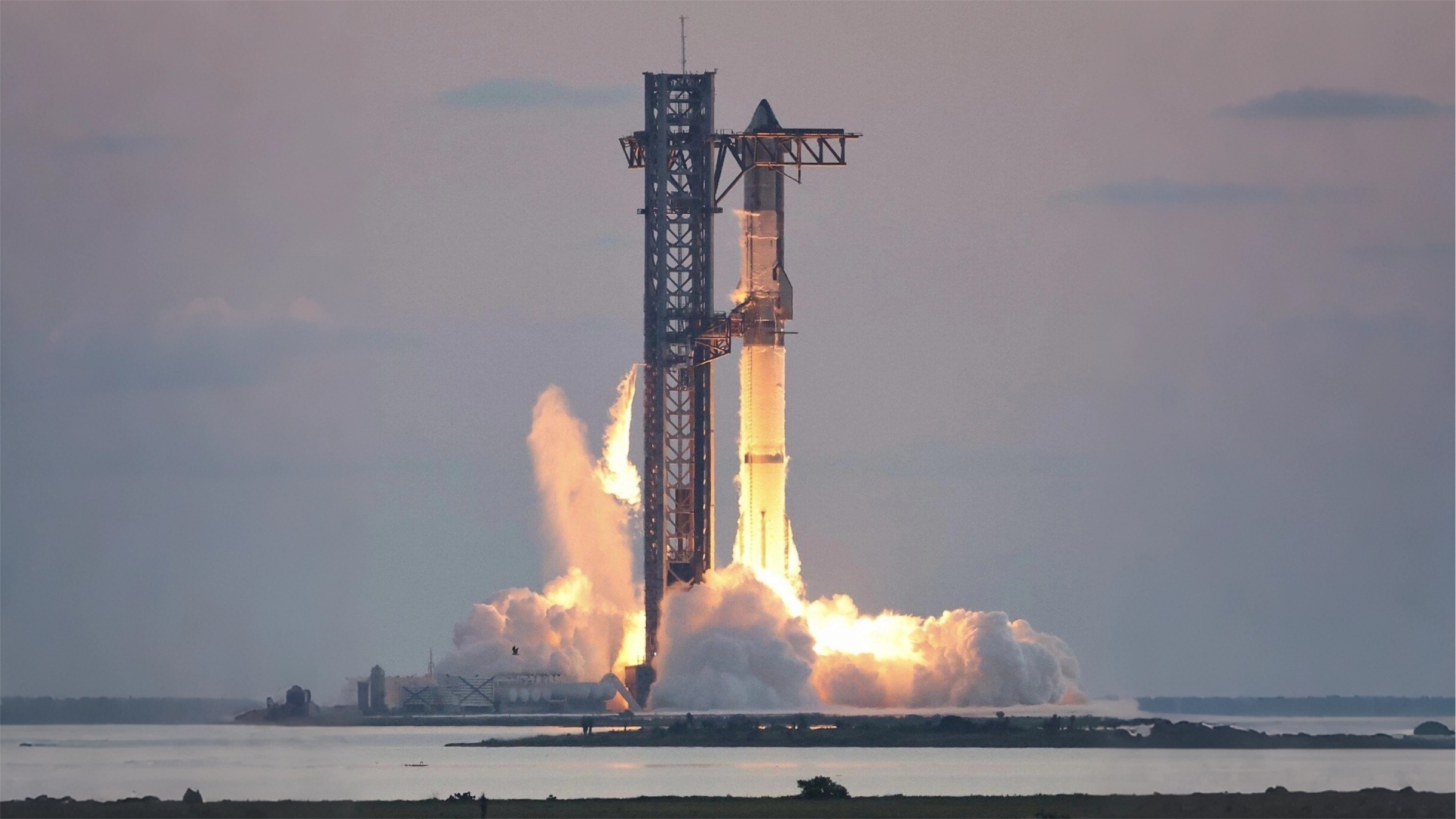
SpaceX is not just a rocket company anymore. It is an AI infrastructure company that also happens to launch things into space. The orbital data center concept — deploying AI compute satellites as early as 2028 — is the centerpiece of the valuation narrative.
Morningstar gives that concept a 7 percent chance of succeeding in its most optimistic scenario. SpaceX is betting everything on it.
The IPO will price on June 11. Shares begin trading on June 12. By the end of next week, we will have a much clearer answer to the question that has divided Wall Street: is SpaceX a $1.75 trillion company, or a $780 billion one?
P.S. The last time a company with this much retail enthusiasm and this much governance controversy went public, it was Facebook in 2012. That stock traded flat for 18 months. Musk is betting his rocket-powered IPO will fly higher. Eight days. We will know soon enough.