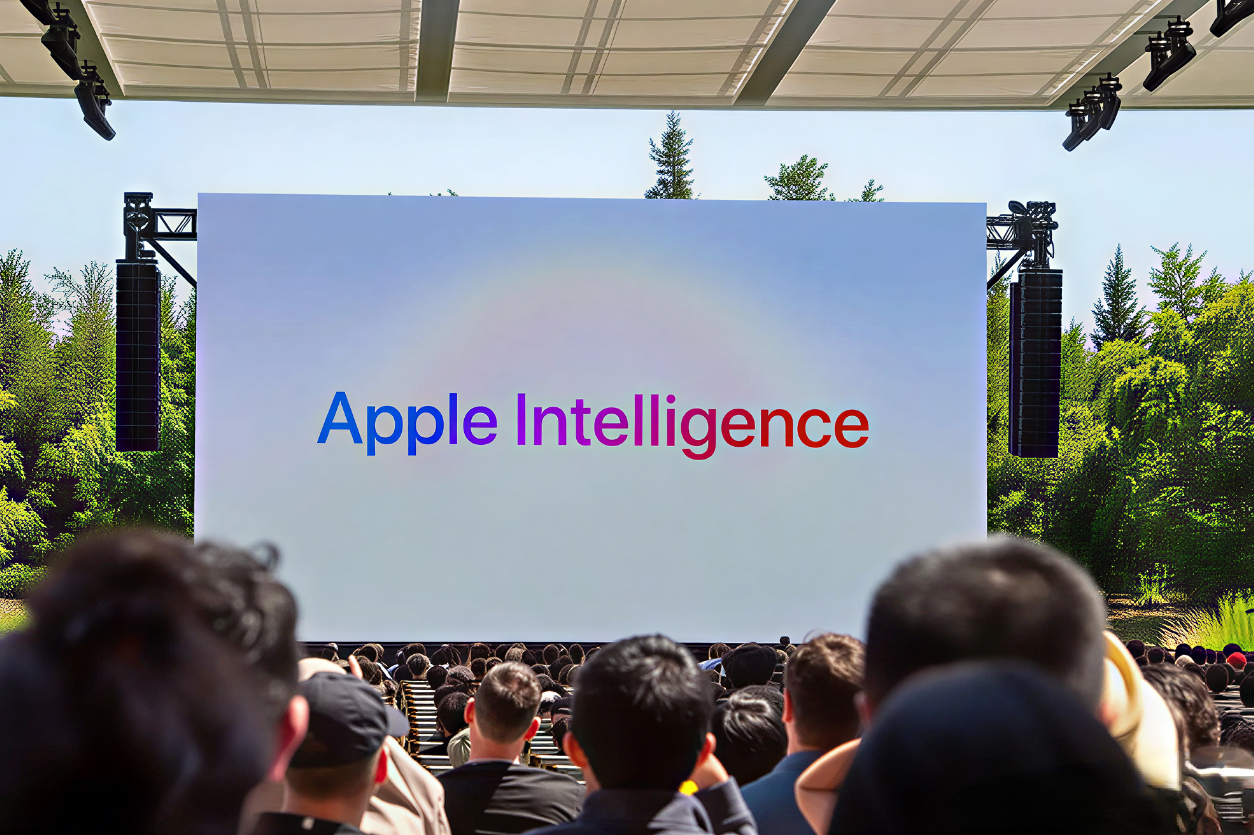
I have sat through three WWDC keynotes hoping Apple would finally say something smart about AI. Each time, I walked away thinking, “That‘s it?” Siri still felt like a voice-controlled timer. Apple Intelligence was announced with great fanfare and then barely shipped. Meanwhile, ChatGPT, Claude, and Gemini were having a three-way knife fight, and Apple was still trying to find the bathroom.
This year is different. Not because Apple suddenly became an AI research lab. But because they finally gave up trying to be one. Monday’s keynote — Tim Cook‘s last as CEO — is shaping up as the most important AI event in Apple’s history. Not because they invented something new. Because they finally decided to stop pretending they could go it alone.
Siri Is Getting a Real Upgrade. Finally.
The old Siri is going away. The new one — codename “Campos” — is a standalone app with a full chat interface. You can upload files. You can have actual back-and-forth conversations. You can ask follow-up questions without repeating yourself like you‘re talking to someone who just woke up from a coma.
But the bigger change is how you talk to it. Apple is adding a “Search or Ask” gesture — swipe down from the top of your screen, right into the Dynamic Island. It replaces Spotlight. That means every time you search for anything on your phone, you’re talking to Siri.
The camera is also getting a Siri mode. Point your lens at a building, a product, or some text, and Siri can tell you what it is in real time. Google Lens has had this for years. Apple is late. But at least it‘s here. Late is better than never, right?
Apple Is Finally Letting Other AI In
This is the part that surprises me. For years, Apple kept everything locked down. If you wanted to do something on an iPhone, you used Apple’s stuff. That was the whole point of the walled garden.
Now, Apple is building a framework called “Extensions” that lets Siri tap into other AI models when it cannot answer a query itself. Reports say users might eventually be able to choose their preferred model — Gemini, ChatGPT, Claude — like picking a default browser.
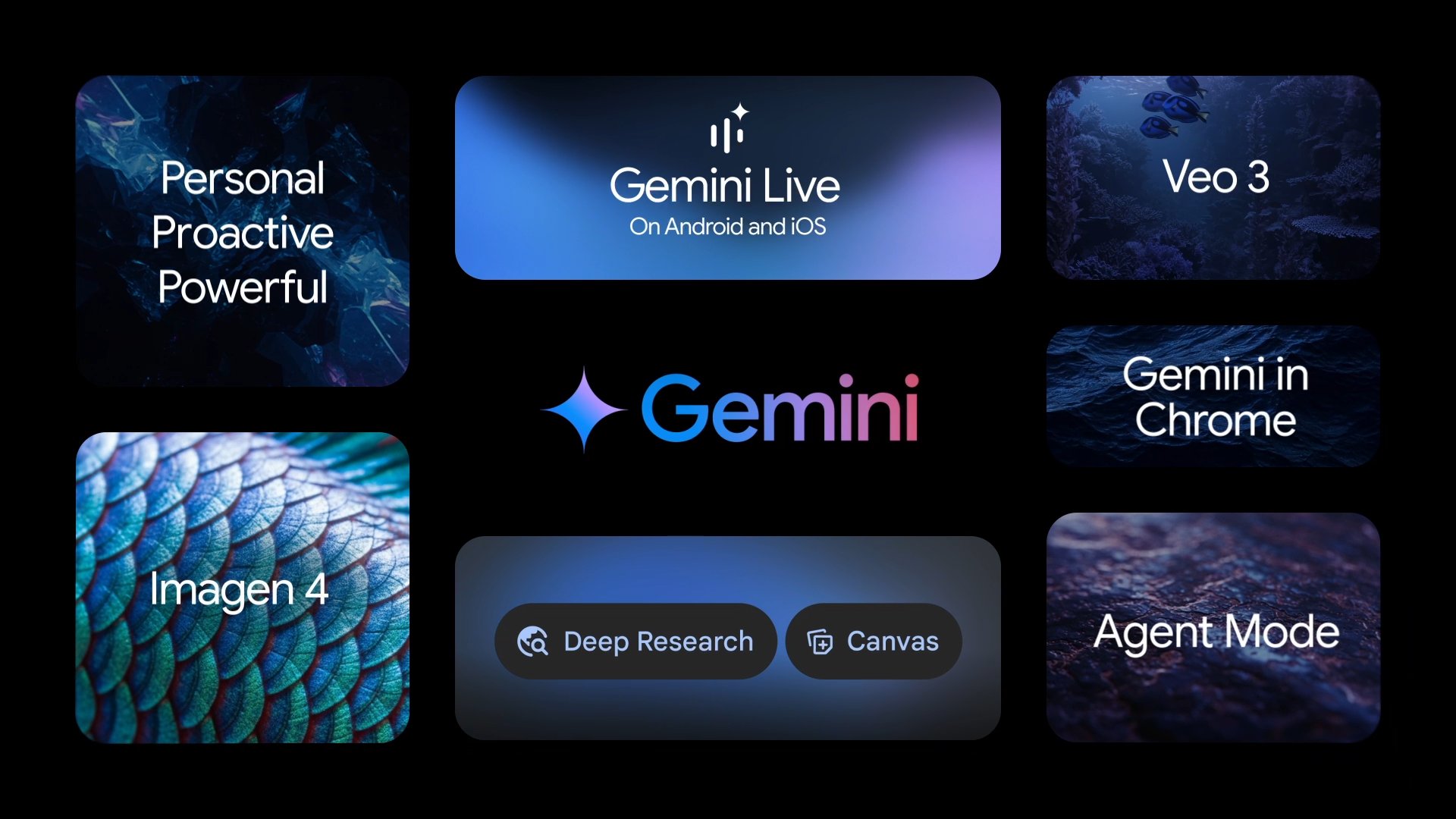
Behind the scenes, Apple struck a deal with Google worth about $1 billion a year. A custom 1.2-trillion-parameter Gemini model will power the new Siri, running on Apple‘s private servers. Your data stays separate from Google’s. But still — Apple paying Google for AI? That‘s not something I expected to write. Ever.
There Is a Third-Party AI Agent in iMessage Now
Here’s the most unexpected news. Apple quietly approved a third-party AI agent called Poke to run on Apple Messages for Business.
Poke is not a chatbot. You don‘t chat with it for fun. You text it to get stuff done. Schedule meetings. Draft emails. Control your smart lights. Generate images. Check you in for flights. Connect to Gmail, Outlook, GitHub, and a bunch of other services. No app downloads. No switching windows. Just text. The agent does the rest.
Poke is a tiny startup — ten people, about $25 million raised. It took them months to pass Apple’s review. The agent has to clearly identify itself as AI, follow Apple‘s design rules, and prove it can reliably deliver messages.
And here’s the kicker: Poke pays Apple a per-user fee. That‘s a new revenue stream for Apple — and a new cost for AI agent builders. If Apple opens this up further, iMessage could become a hub for dozens of specialized agents. One agent to book your travel. Another to manage your inbox. Another to control your home. You wouldn’t need a single AI to rule them all. You‘d have a team of them, living in your messages.
An AI Agent App Store Is Coming
According to reports, Apple is planning to integrate AI agents directly into the App Store. Details are thin, but the direction is clear.
If agents become the main way people use their phones, someone needs to decide which agents get access to which capabilities. Apple’s answer is the same as it has always been: the App Store does. Developers will be able to build agents that users can delegate tasks to — booking reservations, editing documents, managing daily routines. It‘s a new category of software. And Apple wants to control the shelves.

The Elephant in the Room
Apple has spent fifteen years telling you that privacy is a feature and that your data belongs to you. Now it’s paying Google $1 billion a year to power its AI. It‘s sending user requests — anonymized, allegedly — to third-party servers. It’s letting outside agents handle your personal information.
How do you build AI at scale while keeping privacy as a selling point? How do you partner with competitors without losing your identity? How do you catch up when you‘re two years behind? These are real questions. And Apple hasn’t fully answered them yet.
Apple also lost its head of AI, John Giannandrea, in April. The Siri lead is gone too. Multiple AI researchers got poached by Meta. The team is not in a great place. This WWDC is not just about new features. It‘s about whether Apple can still execute when it matters most.
This is Tim Cook’s last WWDC as CEO. On September 1, he hands the keys to John Ternus. The pressure to deliver something real — not just a slideshow — has never been higher.
For the first time in years, it looks like Apple might actually show up. If the rumors are true, Monday will be the most important AI event in Apple‘s history. Not because the company invented something new. But because it finally decided to stop pretending it could go it alone. The walled garden is getting a door. And AI agents are about to walk through it.
P.S. The last time a tech company played catch-up by opening its platform to everyone, it was Android. That worked out okay. Apple is betting the same playbook — open where it hurts, closed where it counts — will work for AI agents. If it does, your phone stops being something you operate and starts being something that operates for you. That’s the bet Tim Cook is leaving on the table as he walks out the door.