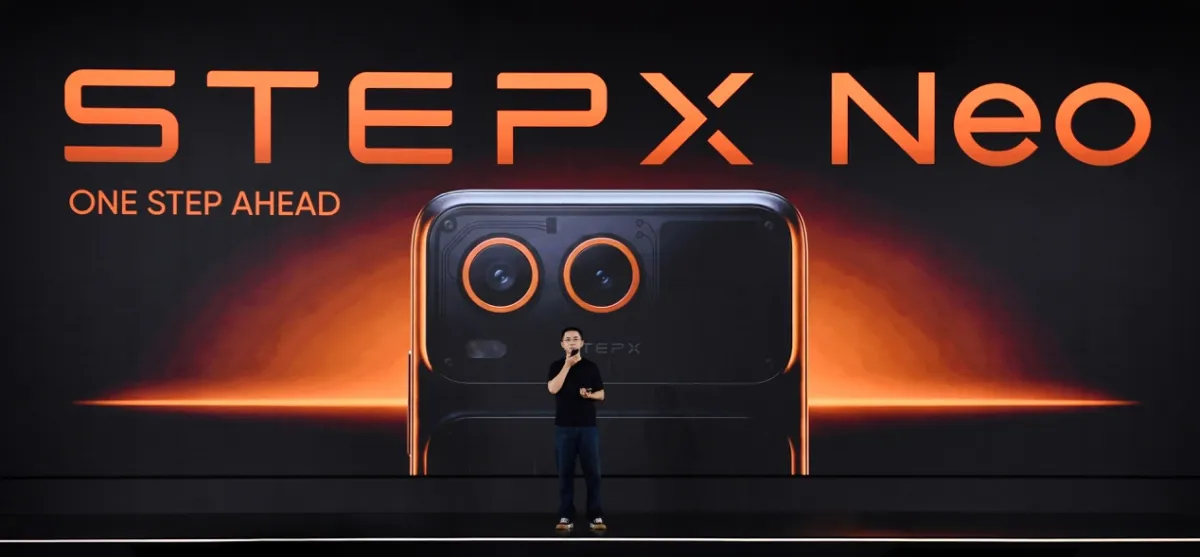
A Chinese AI company called StepFun held a product launch in Shanghai. No hardware specs. No price. No shipping date.
But it didn't call it an "AI phone." It called it a "foundation-model-native agentic phone."
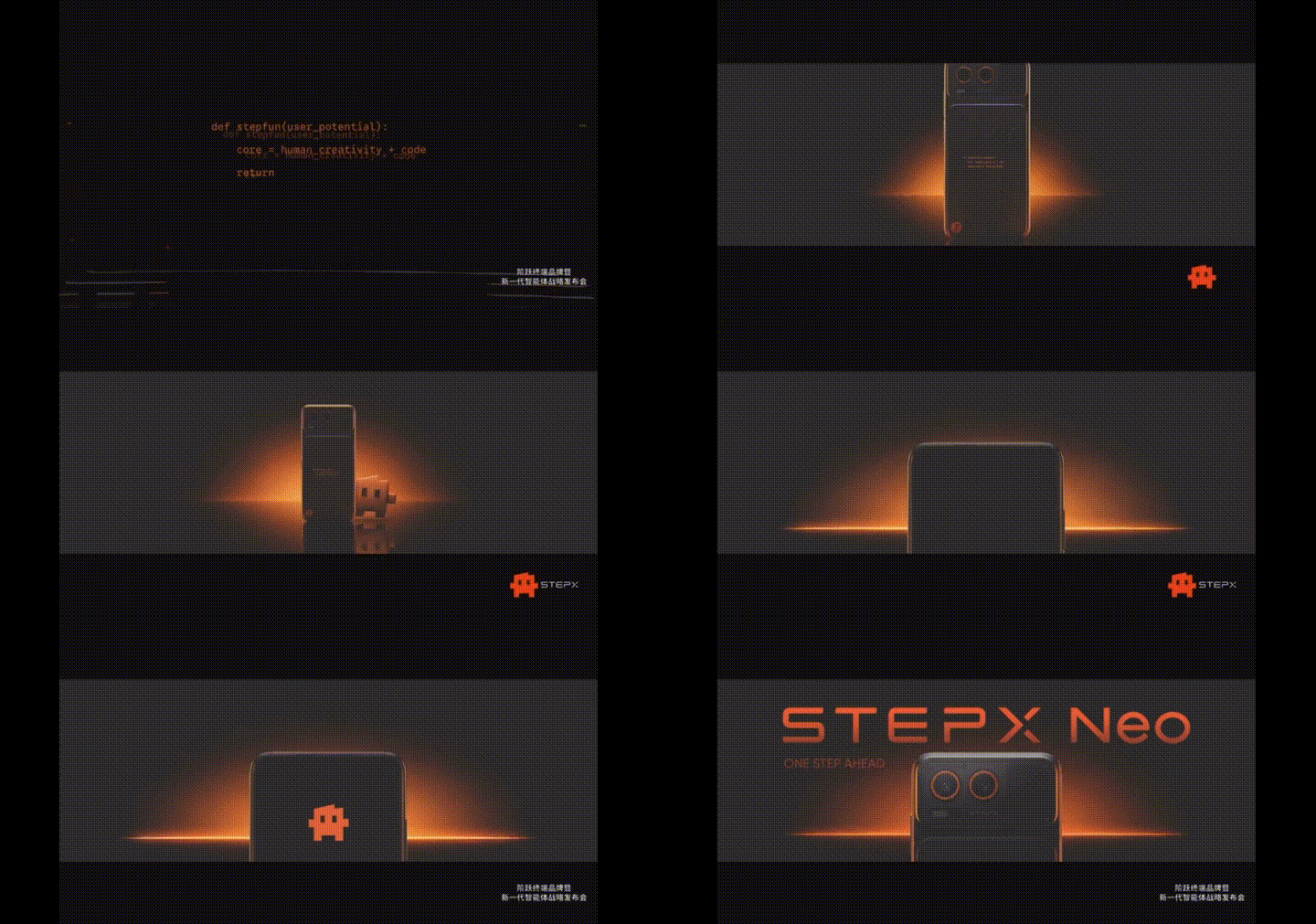
The device runs Step AOS, an operating system built from the ground up for agents, and Amoo, a built-in personal agent. Users speak natural language — "book me a flight to Beijing" — and Amoo automatically orchestrates Trip.com, Didi, Alipay, and other apps to get it done.
This isn't Android with an AI assistant bolted on. It's an operating system designed specifically for AI agents to act on the user's behalf.
The reason this matters to a global audience isn't that "China made another phone." It's that an AI company decided to build its own hardware — and got to market faster than OpenAI.
StepFun's founder Yin Qi said the team heard plenty of "don't do it" warnings. Everyone told them hardware was a trap. They listened at first. Then they decided to ignore the advice.
Why? Because foundation models can't make money just sitting in the cloud. Yin's calculation: if your AI only lives inside someone else's operating system, you're always at the mercy of the platform's permission and distribution rules.
Without a system-level entry point, an agent is just a plugin inside an app.
That explains why every major AI lab is suddenly obsessed with hardware: OpenAI is building headphones and an AI device (with Jony Ive's design firm). Anthropic is reportedly exploring hardware. StepFun went straight for the phone.
Six months ago, ByteDance's Doubao project tried a different approach. It built a prototype with smartphone maker Nubia, using system-level permissions to simulate taps — letting an AI agent operate WeChat and other apps on the user's behalf.
WeChat triggered its security system, flagged Doubao's actions as "abnormal non-human behavior," and locked some users out of their accounts. Tencent founder Pony Ma publicly called the approach "extremely unsafe and irresponsible."
That path was blocked.
StepFun took a different route: no simulated taps, direct API-style integrations. They built a protocol called GUI-MCP that lets partner apps actively expose their capabilities to the agent, rather than being forcibly operated by it. The first round of ecosystem partners includes Trip.com, Alipay, Didi, Meituan, WPS Office, and the video editing app Jianyin.
The strategy shifts from "breaking in" to "being invited in."
But there's a massive hole in this strategy: no WeChat.
Doubao's crash was directly caused by WeChat. Without WeChat in the ecosystem, cross-app task completion is fundamentally broken.
The issue isn't technical. It's economic. Agentic phones promise to "de-app" the user experience — getting users directly to the task outcome, skipping the app-to-app navigation. That threatens every super-app's control over traffic and user engagement.
Meituan worries about losing direct user engagement. WeChat fears losing its traffic gateway. Alipay is concerned about losing control of the payment loop.
StepFun's partners so far are mostly transaction-oriented apps — they need orders and traffic, so they're willing to try new entry points. But Tencent's apps — WeChat, QQ — haven't signed on.
Without WeChat integration, Step AOS's capabilities hit a ceiling. And that's not just StepFun's problem — it's the entire "agentic phone" category's problem.
On July 17, WAIC 2026 opens in Shanghai. Nubia and ByteDance will unveil the second generation of their "AI agentic phone." Two events in one week. Two companies. Both calling themselves "world's first."
The difference is in what each means by "AI-native."
Nubia's Doubao phone is "Android plus an AI agent" — deep integration of AI capabilities into an existing mobile OS. StepFun's STEPX Neo is a ground-up rewrite of the operating system itself. The goal: make AI a native of the system, not a visitor.
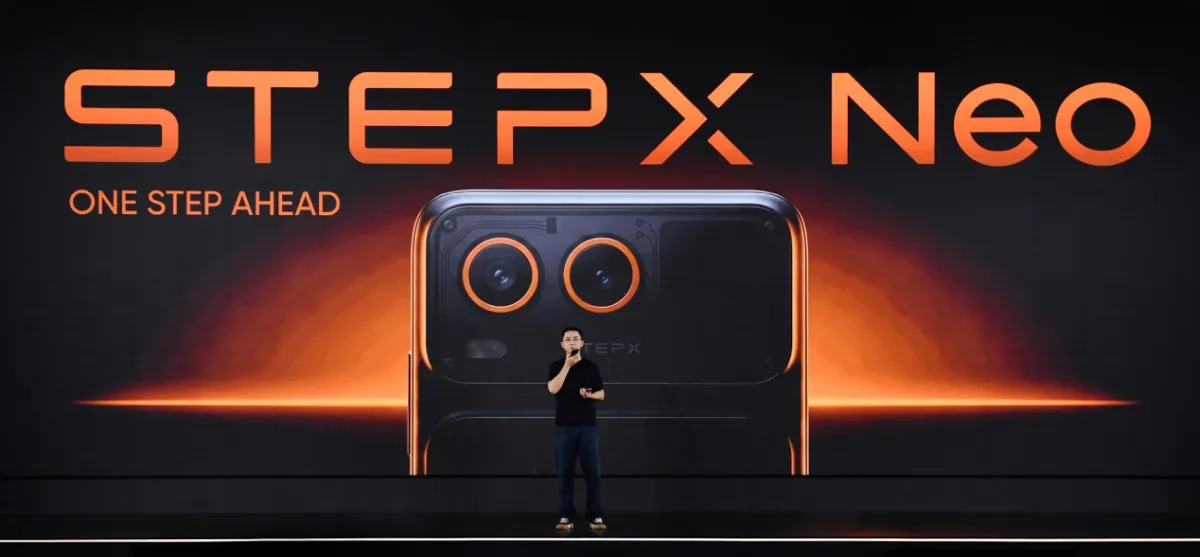
Which path wins? Too early to say.
But one thing is certain: if AI is the next operating system, whoever builds the first truly AI-native system gets a shot at defining the rules of the next era. StepFun is betting on that. OpenAI is betting on that too. StepFun just got there first.
The STEPX Neo has received an L3 certification — the highest level currently available for open testing. But its real test isn't a certification. It's three questions.
Can they get WeChat on board? Can they convince users to switch from iOS or Android to an AI-native OS? And if the answer to both is no, will this device end up in the collections of tech enthusiasts rather than in the hands of everyday users?
Yin Qi says he heard the warnings, and he still decided to build it. "We ultimately chose to do it ourselves." That statement isn't about shipping a product. It's about staying in the game.
P.S. If you're a product lead at a Silicon Valley AI lab reading this, there are two possible reactions: "it's just Android with a wrapper" or "why are we still waiting for Jony Ive's design files?" Which one you choose says more about your timeline than about the device.