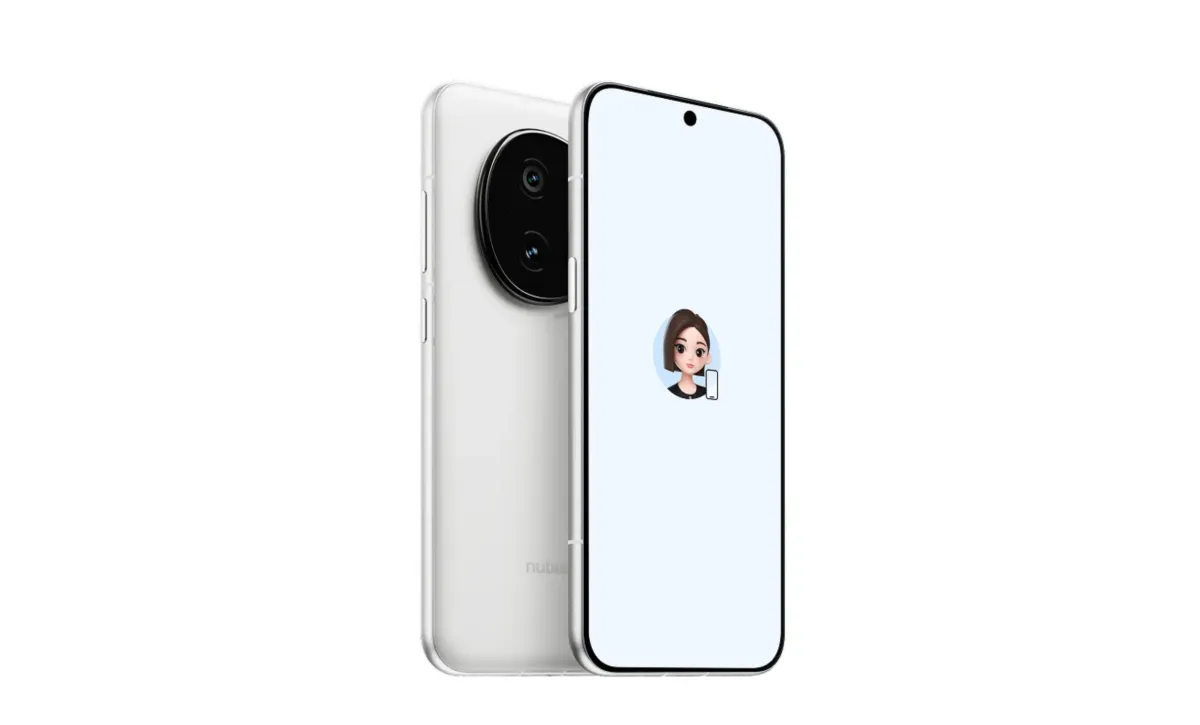
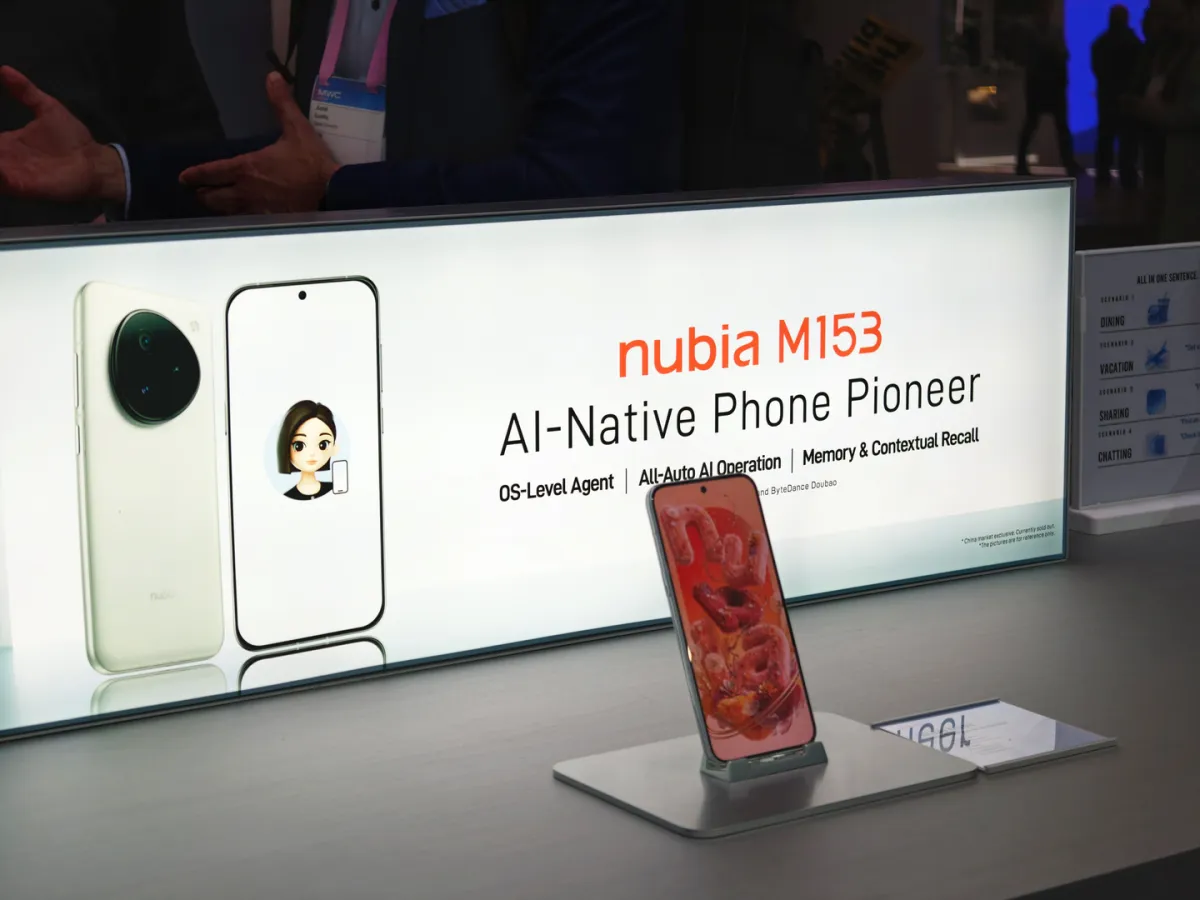
In December 2025, ByteDance and Nubia released a "Doubao Phone Assistant" technical preview, tucked inside a Nubia M153 engineering prototype. It cost $500, with 30,000 units available. It sold out overnight. Resale prices hit $1,800 on secondary markets.
The core selling point: complete a task across multiple apps with a single voice command. "Book a flight to Beijing." The AI would automatically open Trip.com, select a flight, fill in passenger details, and complete the order. No manual taps required.
Three days later, WeChat, Taobao, and Alipay all pulled the plug. The phone's ability to operate other apps relied on Android's INJECT_EVENTS system permission, allowing the AI to simulate taps and gestures. WeChat flagged it as "abnormal non-human behavior." Taobao triggered security controls. Banking apps refused to log in. Tencent founder Pony Ma publicly called it "extremely unsafe and irresponsible." The path was blocked.
The first-generation Doubao phone proved one thing in three days: using simulated taps to let an AI operate apps is fundamentally a fight against every app's underlying rules. This kind of fight can't be sustained. Every time the AI unlocks a new app, the app has to rewrite its detection logic. It's not a technology competition. It's a permission tug-of-war.
The second-generation Doubao phone will officially debut at WAIC 2026 on July 17. The biggest change is a shift from simulated taps to MCP and A2A protocols. Instead of breaking in, the AI is now being invited in — through standardized interfaces where partner apps voluntarily expose their capabilities.
The first batch will have 50,000 to 80,000 units ready for sale in the initial run, with total first-phase volume reaching 500,000 units. It will run on the Snapdragon 8 Gen 5, pack a 7,000mAh battery, and feature a dedicated orange AI button for quick summoning.
But the same problem remains: WeChat isn't on the partner list. ByteDance's solution this time is protocol-based, not permission-based. But the protocol only works if the other side agrees to follow it. Without WeChat in the ecosystem, cross-app task completion is fundamentally broken.
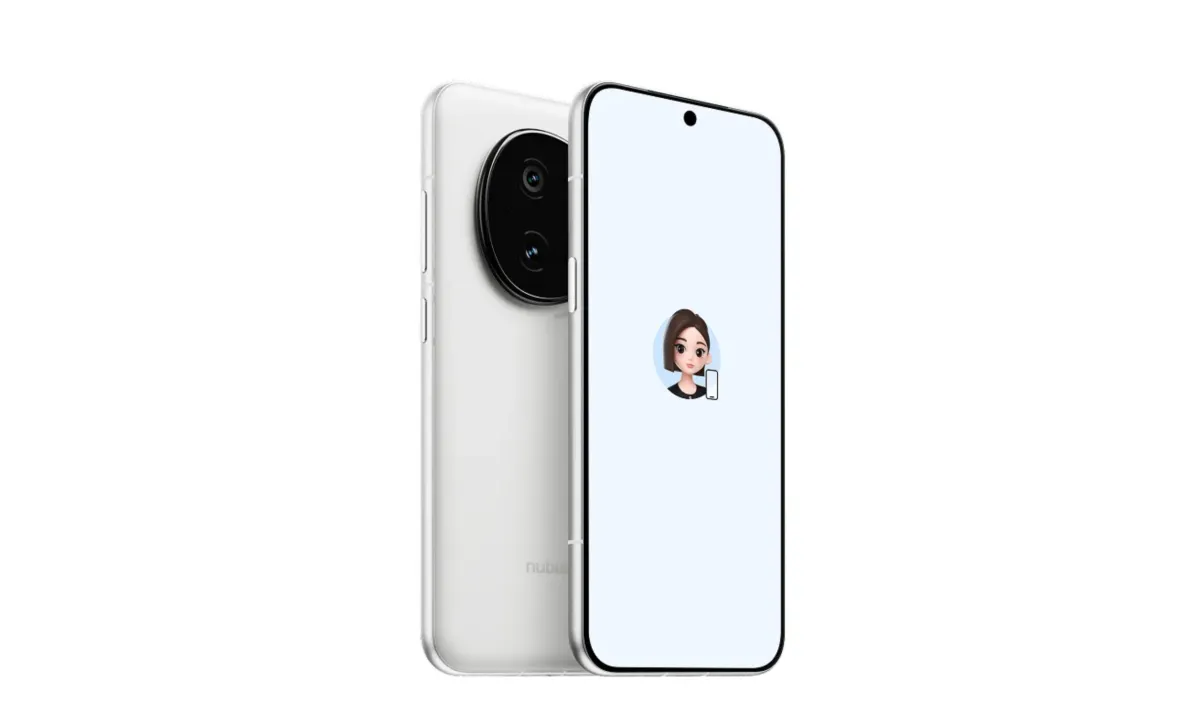
Here's the bigger picture. The first-generation Doubao phone earned a description from one outlet: "No other phone in the world has achieved this level of autonomy... the first true agentic phone may not come from Silicon Valley, but from China." The second-generation is now on the verge of mass production. The question is whether that judgment still holds.
Silicon Valley's AI hardware narrative is about headphones, AR glasses, and wearables. China's AI hardware narrative is about the phone. Two very different bets on where AI lives. What happens next depends on who blinks first. Can ByteDance and Nubia prove that an AI phone isn't just a "hack" — that it's a legitimate next step for the phone itself?
P.S. If you're a product manager at Apple or Google, the Doubao phone is a useful stress test. The real question isn't whether it gets into WeChat — it's whether users want a phone that does things for them, or one that lets them keep doing things themselves.