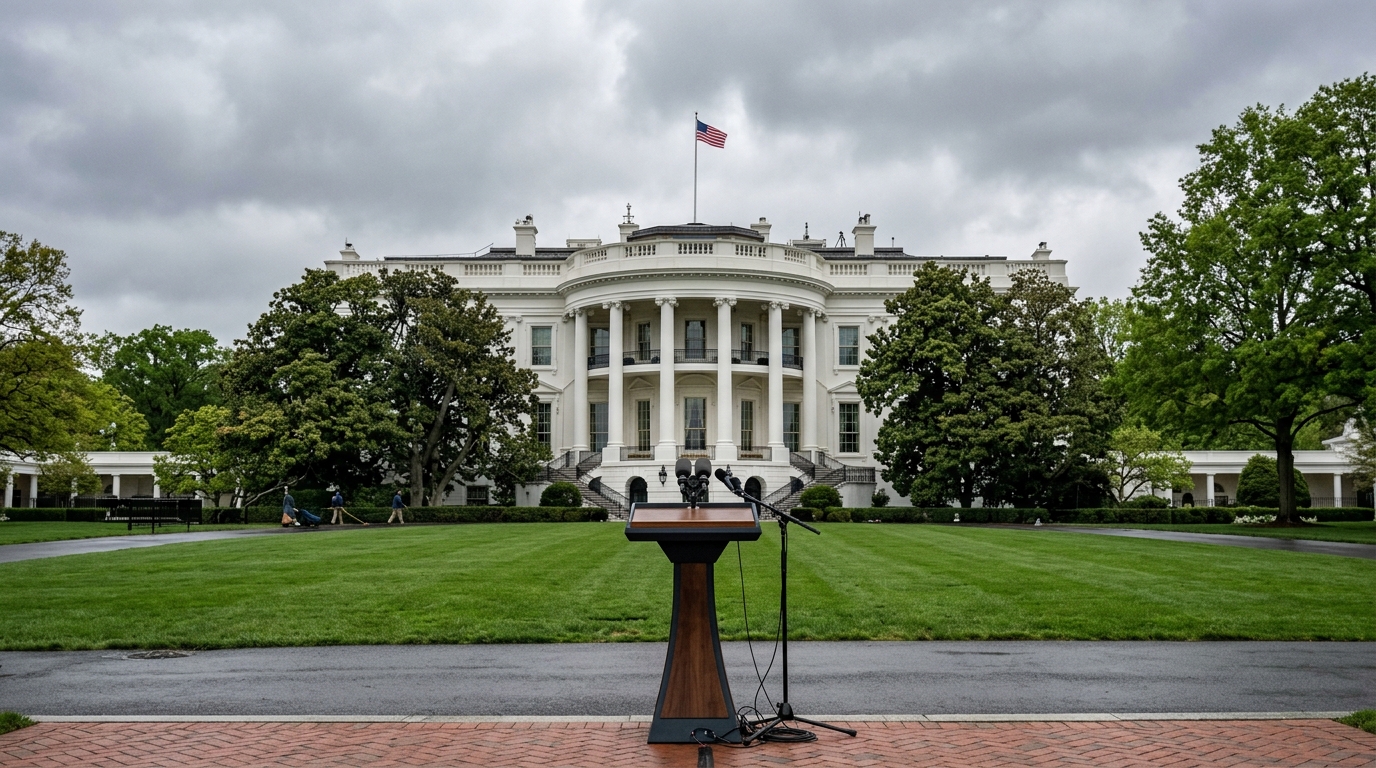
More than 200 economists and AI researchers released a statement on Monday. "We Must Act Now: A Statement on AI's Transformation of the Economy."
It's short. Four sentences. Eighty-eight words. The warning: AI could drive an economic transformation "larger than the Industrial Revolution, but unfolding over a vastly shorter time frame." That could mean "large-scale job displacement."
The letter is vague. No specific policy proposals. No timelines. Just a call for more research and "guardrails."
That's not the story. The story is who signed it.
Sixteen Nobel laureates. Google DeepMind's chief scientist Jeff Dean. OpenAI CFO Sarah Friar. Anthropic co-founder Jack Clark. Former Google CEO Eric Schmidt.
But the most interesting signature belongs to Daron Acemoglu. Acemoglu is an MIT economist. He won the 2024 Nobel Prize in Economics. And he has spent the last several years telling AI executives that their predictions about mass job displacement were vastly overblown.
When Anthropic CEO Dario Amodei warned of a "white-collar bloodbath," Acemoglu pushed back. He said technologists often fall prey to "motivated reasoning" — believing in their models' capabilities because it aligns with their competitive and fundraising incentives.
He cautioned that Amodei may be overlooking how "messy" many white-collar jobs are, with tasks like interpretation, empathy, and problem-solving that AI cannot easily replicate. He told The Times of India that "if we lose 20% of jobs in the United States, democracy won't survive." But he also said he expected only a modest negative impact on employment in the near term.
That was Acemoglu before.
Now he's signed a letter warning that AI could drive an economic transformation "larger than the Industrial Revolution" with "large-scale job displacement." He didn't just sign it — he released a statement alongside it: "I'm so happy to join other leading experts in calling for the urgent need to redirect AI so that its risks are minimized and it can work for the benefit of workers and society."
Something changed. The letter doesn't say what, exactly. And that's the point. Acemoglu's signature is not an endorsement of apocalyptic predictions. It's an admission that the speed of AI development has made the old complacency untenable.
"The scale, scope, and speed of the advances in AI" demand an "all hands on deck" approach, said Nobel Laureate Michael Spence.
Organizer Anton Korinek put it in the starkest terms: "Steam, electricity, and computers each gave societies decades to adapt; AI may give us only a few years. We cannot improvise our strategy and institutions in the middle of the transformation; waiting for certainty means arriving too late."
Korinek joined Anthropic's economic research team in March. He organized the statement with Stanford's Erik Brynjolfsson, who said: "There's been a notable change in the profession. But I still see a big gap there, a big mismatch, and I'm kind of worried that we're not going to be ready for the tsunami that's coming."
The letter itself is light on specifics. It calls for "incentives, guardrails, and institutions" but offers no blueprint. It's a signal, not a policy document.
But it's a signal from the people who are supposed to be the skeptics. AI pioneer Yoshua Bengio, who also signed, put it plainly: "We must be intentional and make collective, democratic choices, rather than letting market forces play out and risking leaving most citizens behind."
The letter isn't the story. Acemoglu's signature is. If the skeptic is worried, maybe it's time to listen.
P.S. What happens when the economists who told you not to panic start to worry? The answer is probably not panic — it's paying attention.