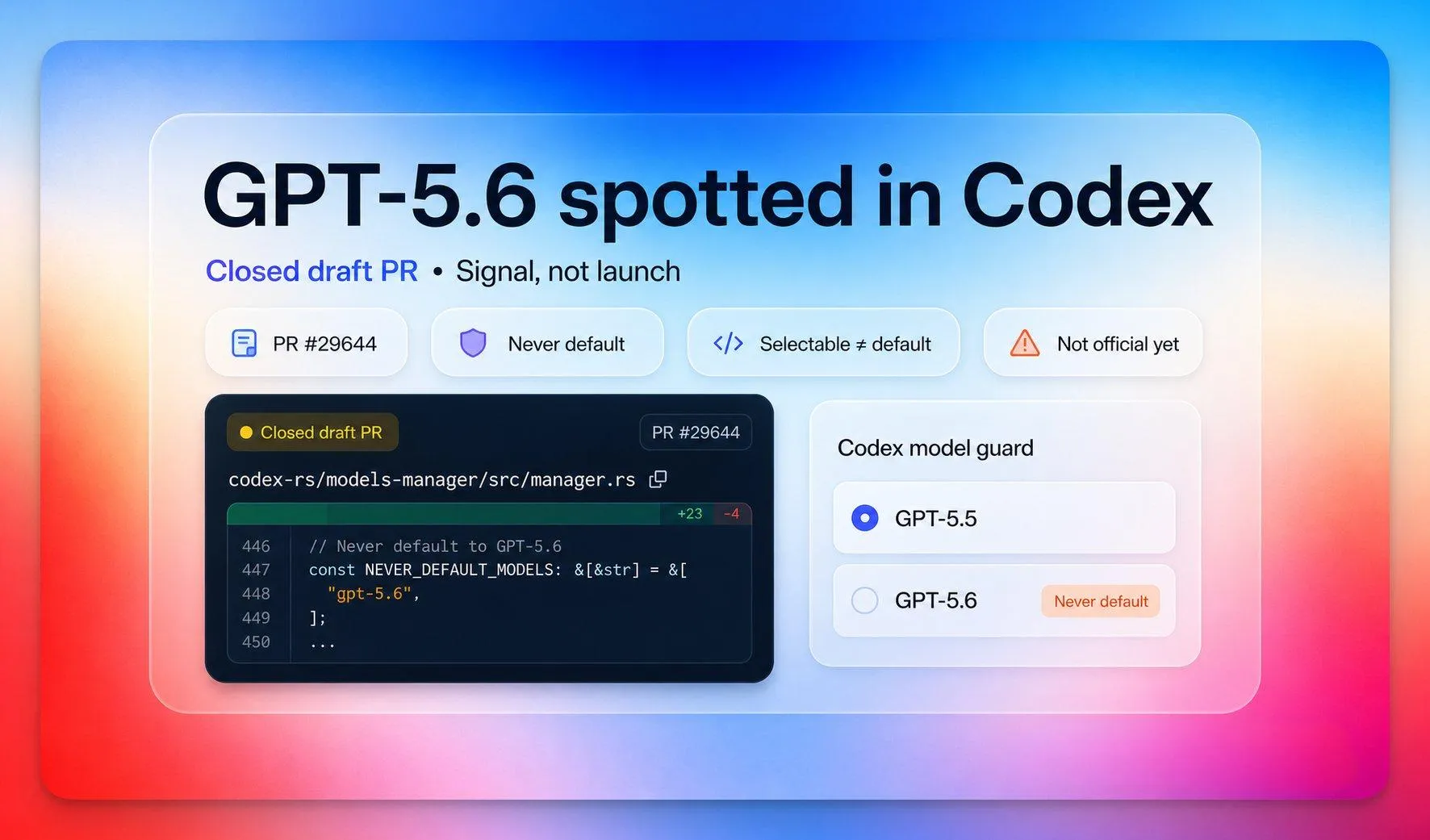
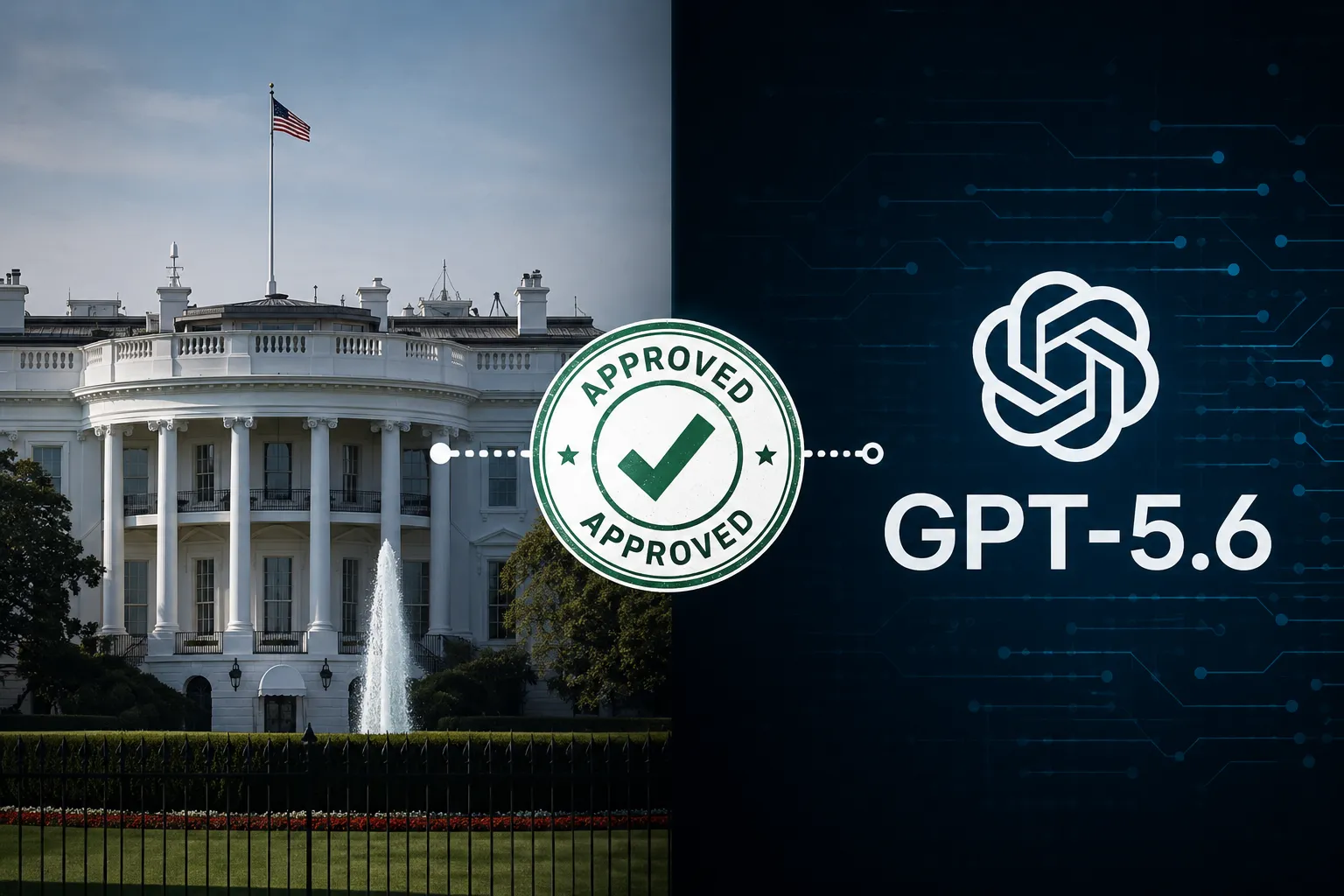
On June 25, OpenAI CEO Sam Altman told employees that the White House had requested a staggered release of GPT-5.6 — a limited preview with government-approved access “customer by customer.” The original launch, planned for this week, is now pushed to July.
The request came from the Office of the National Cyber Director and the Office of Science and Technology Policy. Altman was also called directly by Commerce Secretary Howard Lutnick, who made it clear that agencies wanted time to test the model before release. The administration’s reasoning? It views GPT-5.6‘s capabilities as “on par” with Anthropic’s Mythos, which was pulled from global access on June 12.
The pattern is not subtle. Two weeks ago, the government forced Anthropic to shut off access to its best models. This week, it is asking OpenAI to control who gets access to its next one. One policy stops a released model. The other shapes a pre-release model. The difference is not a matter of principle — it‘s one of timing. Both are about who gets to decide what the public can use.
Two Models, Two Rules, One Week
Anthropic and OpenAI are being treated differently under the same administration. But the difference is less about fairness and more about the lesson the government is learning.
Anthropic got an ultimatum: an export control directive that barred“foreign nationals,” including its own non-US employees, from accessing Fable 5 and Mythos 5. The Commerce Department acted after the models were already live, citing a“narrow potential jailbreak” — though Anthropic argued the same capability exists in other public models.
OpenAI is being asked to delay and stage its launch: a preview period where the government approves customers individually. The administration is not citing a specific vulnerability or threat. It is citing the model’s capability level.
The contrast matters. Anthropic was told to shut the door. OpenAI is being told to control who walks through it. The government is learning from each case — and refining its approach.
The “Voluntary” Framework Is Becoming a Permission Slip
President Trump‘s June 2 executive order on AI was explicitly voluntary. It disclaimed any “mandatory governmental licensing, preclearance, or permitting requirement.” The order gave developers the option to submit models for a 30-day review. Industry leaders signed on, viewing it as a manageable compromise.
The OpenAI request, however, applies new pressure. It is a “voluntary” framework with industry-wide implications, shaped through classified NSA benchmarking and selective government approvals. This process now includes an indefinite “trusted partners” tier, allowing the government and leading AI developers to restrict access to advanced models and privilege “trusted partners.”
The law firms analyzing the order are already warning that “voluntary today” could become “baseline tomorrow,” as standards adopted by the industry leaders could quickly harden into de facto requirements. Altman‘s remarks to employees — “We have made it clear to the U.S. government that this is not our preferred long-term model” — confirm that OpenAI sees the risk.
What This Actually Means
The shift from“voluntary review” to“customer-by-customer approval” is the real story. It‘s a smaller step than the Anthropic shutdown, but it’s a more enduring one. A ban can be lifted. A gatekeeping mechanism that becomes baked into the release process is harder to unwind — especially when the government is the one holding the keys.
P.S. The good news for OpenAI: the government wants to approve access to its model. The bad news: the government wants to approve access to its model. That‘s a difference of perspective. For the White House, it’s security. For Altman, it‘s a bottleneck. For everyone else, it’s the new reality.