
Samsung is about to make history. On July 7, the company is expected to report second-quarter operating profit of roughly 86 trillion won ($56 billion) — a 17-to-18-fold increase from the same period last year and the highest quarterly profit ever recorded by a technology company. For the full year, analysts project operating profit of about 300 trillion won ($200 billion).
That number carries a staggering comparison. Kim Yong-kwan, the head of Samsung‘s semiconductor strategy, told employees on July 3 that this single year’s profit will exceed the company‘s cumulative semiconductor profit over the past 40 years combined. “One year’s profit will exceed 40 years combined“ is not a metaphor. It‘s the company’s own internal forecast.
But the record numbers are only half the story. The other half is about what happens when a company‘s profits grow faster than its ability to distribute them — and when the same boom that creates the profit also plants the seeds of its own correction.
$26 Billion in Bonuses for 78,000 Workers
In late May, Samsung reached a last-minute deal with its labor union to avert a strike. The agreement tied bonuses for semiconductor division employees to 10.5% of the division’s annual operating profit — with an additional 1.5% cash component — for the next decade, as long as the company meets certain profit thresholds.
At current profit projections, that translates to roughly 40 trillion won ($26 billion) in bonuses for about 78,000 chip workers. The average payout is estimated at 513 million won ($340,000) per worker, though those in the memory division could earn around 600 million won.
The deal is unprecedented in the tech industry. 40 trillion won is more than Samsung‘s total operating profit for 2025 — which was 43.6 trillion won. The company is effectively giving away a year’s worth of profit to its semiconductor workforce.
The agreement wasn‘t universally welcomed. Samsung’s non-chip workers, who stand to receive only about 6 million won in bonuses, filed a court injunction to block the deal, arguing that it disproportionately favored the chip division at the expense of other units. The injunction failed. The chip workers‘ union ratified the agreement, and Samsung bought itself labor peace — at a price that rivals the GDP of a small country.
The Same Boom That Creates the Profit Also Creates the Liability
Here’s the tension. The same AI boom that‘s generating record profits is also forcing Samsung to share more of those profits with its workers — not because the company is generous, but because the workers have leverage. In an industry where any disruption to HBM production could ripple across the global AI supply chain, Samsung’s chip workers know they hold the cards.
The company‘s semiconductor division employs 78,000 people. They produce the HBM chips that go into every NVIDIA GPU. Their leverage is structural, not rhetorical.
But the profit-sharing agreement runs for 10 years. The cycle won’t. If memory prices fall — and they will, because they always do — Samsung will still be contractually obligated to distribute 10.5% of its operating profit to workers. A 10-year agreement signed at the peak of a cycle is a liability, not just a bonus.
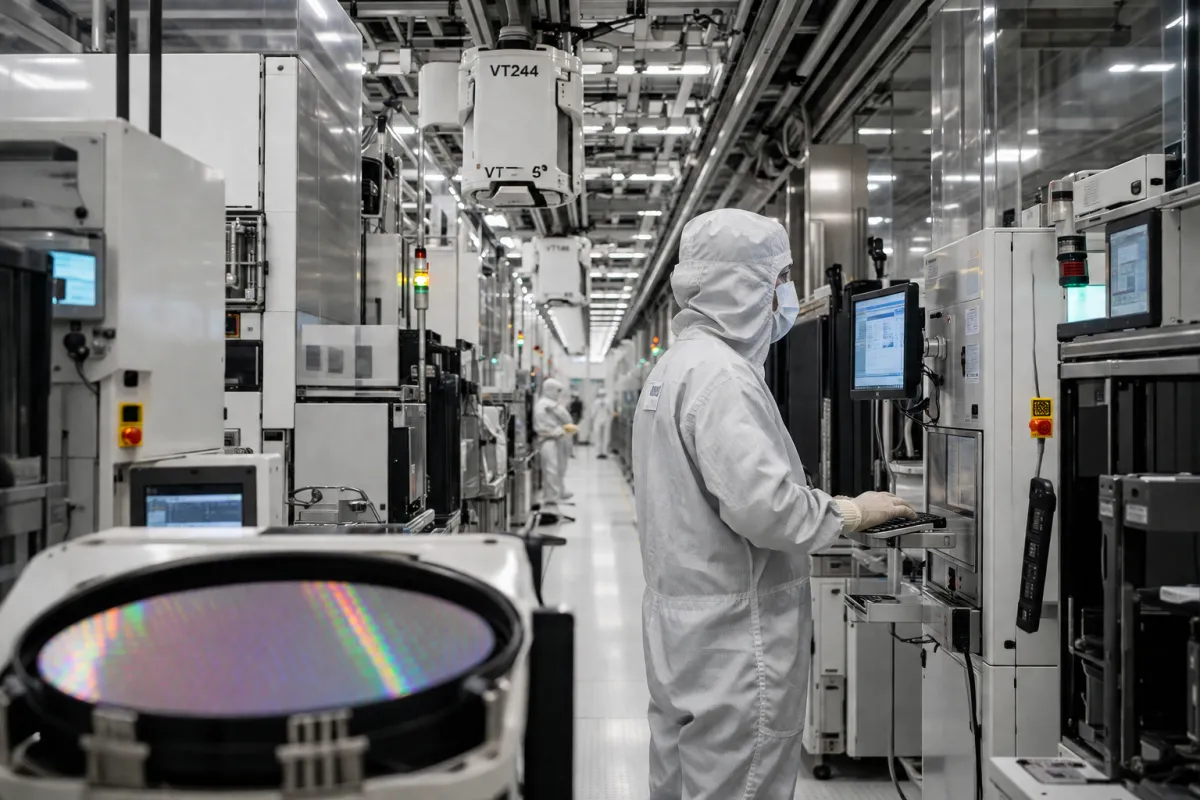
Memory Prices Always Come Back Down
Memory is a cyclical business. Prices are up 44-53% quarter-over-quarter on DRAM and NAND, with KB Securities estimating even higher at 60%. Customer memory demand satisfaction rates hovered around 50% in June, indicating severe supply shortages. But cycles don‘t last forever. Capacity is coming online. The same companies driving prices up today — Samsung, SK Hynix, and Micron — are planning expansions that will eventually drive prices down.
Samsung’s own executives are already signaling the peak. The company‘s full-year profit forecast of 300 trillion won is based on current conditions. But current conditions won’t last. The question is when the correction comes — and whether Samsung‘s 10-year bonus commitment becomes a burden when it does.
P.S. Samsung’s chip workers are about to receive an average bonus of $340,000 — equivalent to about four years‘ worth of the average U.S. household income. The company’s 2026 profit is projected to exceed its entire semiconductor profit from the past 40 years combined. And the AI boom is still in its early innings. But the 10.5% profit-sharing agreement runs until 2036. In memory, cycles don‘t wait for agreements. The bonus is a promise. The cycle is a fact.