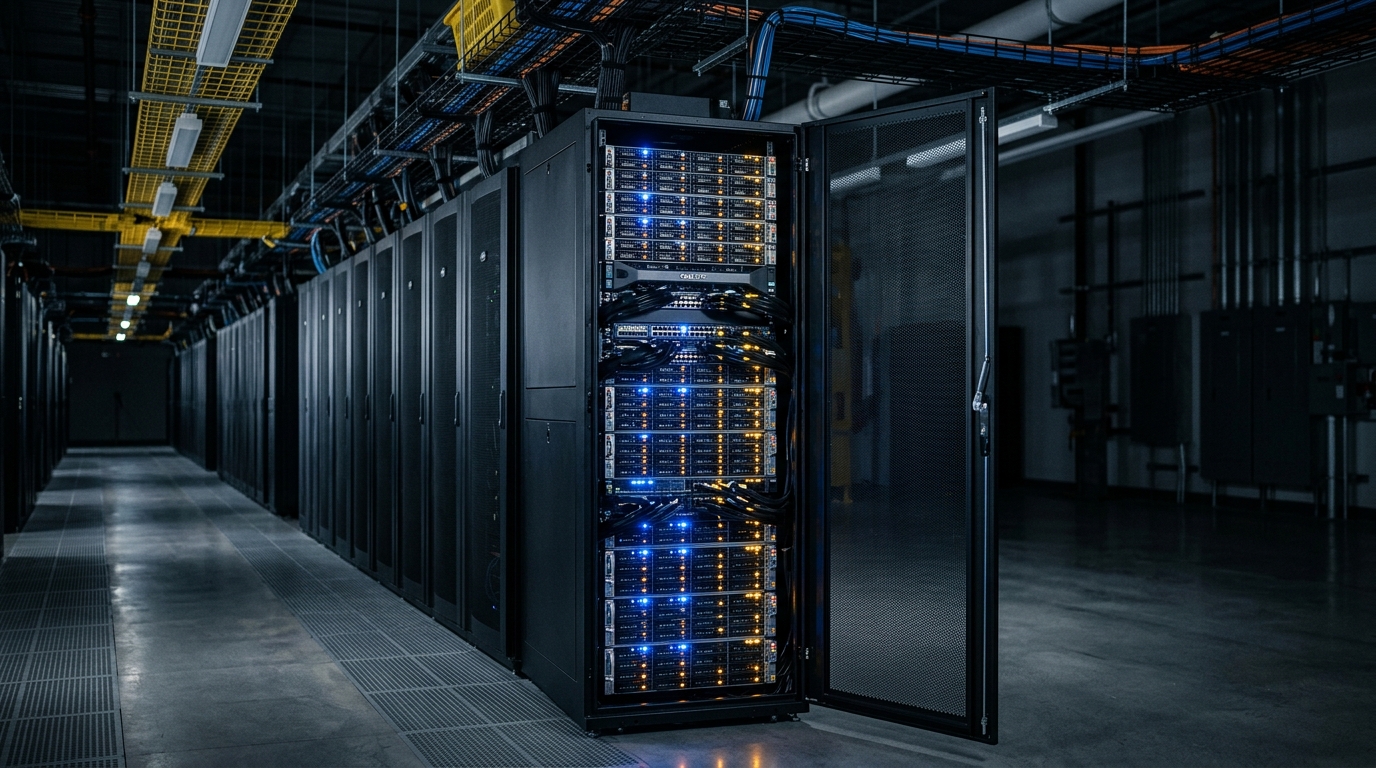
Anthropic has been telling anyone who would listen that AWS Trainium, Google TPU, and Nvidia GPUs are its "core compute strategy." Multi-vendor. No single point of failure. Flexible.
That was three months ago. Now it is talking to Samsung about 2nm chips. A custom ASIC. Advanced packaging. The whole stack.
What changed? The revenue curve. Anthropic's annualized run-rate revenue jumped from about $9 billion at the end of 2025 to more than $47 billion by late May 2026. Five months. Five times the revenue. The compute bill grew faster.
Anthropic itself acknowledged the strain. Demand for Claude — across API, enterprise, consumer tiers, and coding — is "accelerating." The infrastructure pressure is "inevitable."
So Anthropic is doing what every AI lab eventually does: it is building its own chip.
OpenAI just unveiled Jalapeño, its first custom inference ASIC, built with Broadcom and taped out in nine months. DeepSeek and Zhipu were both reported to be exploring custom inference chips on the same day — July 7.
The logic is uniform across the industry. When your compute bill hits tens of billions of dollars annually, every percentage point of efficiency improvement is real money.
Anthropic's chip plan is still early. The company is still defining what the chip will do. It hasn't locked in a final design. But three things are clear: it has begun talking to Samsung about 2nm and advanced packaging; it has hired Clive Chan, an early member of OpenAI's chip team; and its revenue growth has made the economic case undeniable.
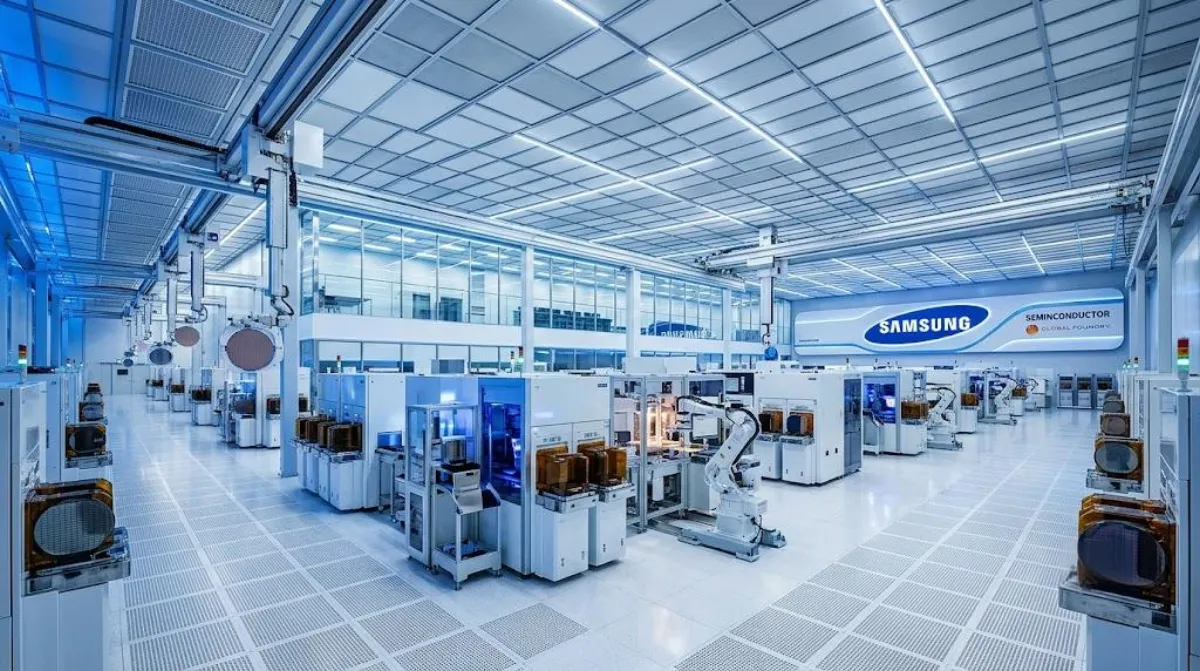
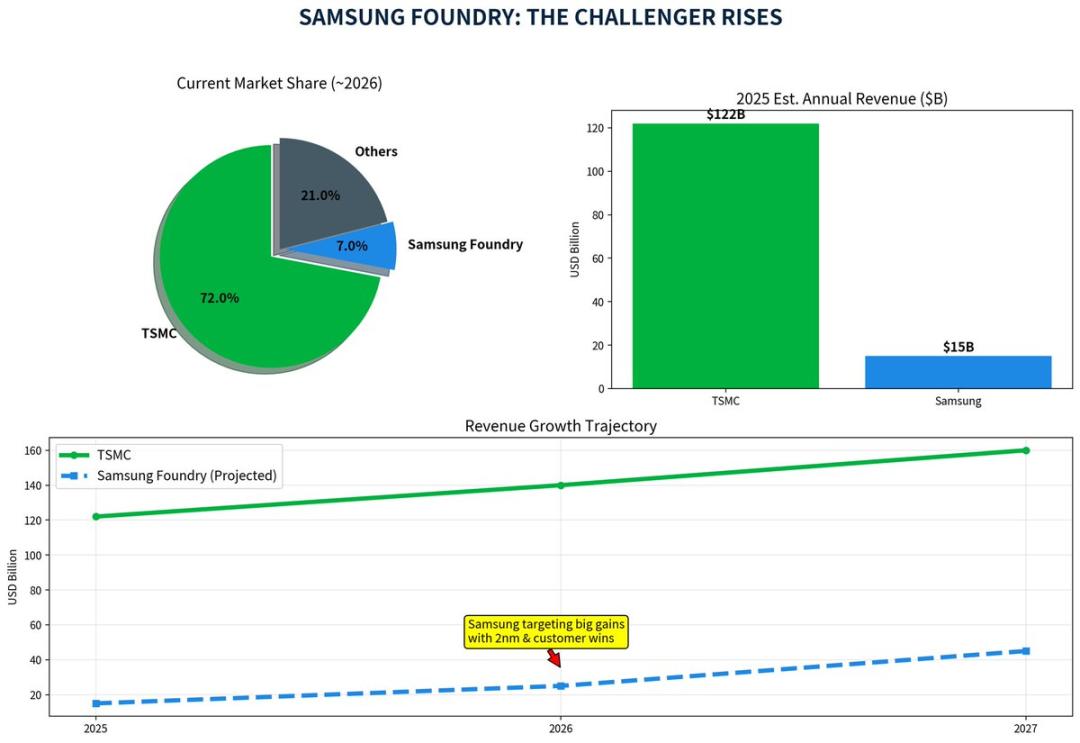
Why Samsung, not TSMC? Capacity. TSMC's advanced nodes are locked up by Apple, Nvidia, AMD, and Qualcomm through 2028. Samsung's Taylor, Texas, plant is ramping 2nm production and expected to hit volume in 2027. TSMC's 2nm capacity is already spoken for.
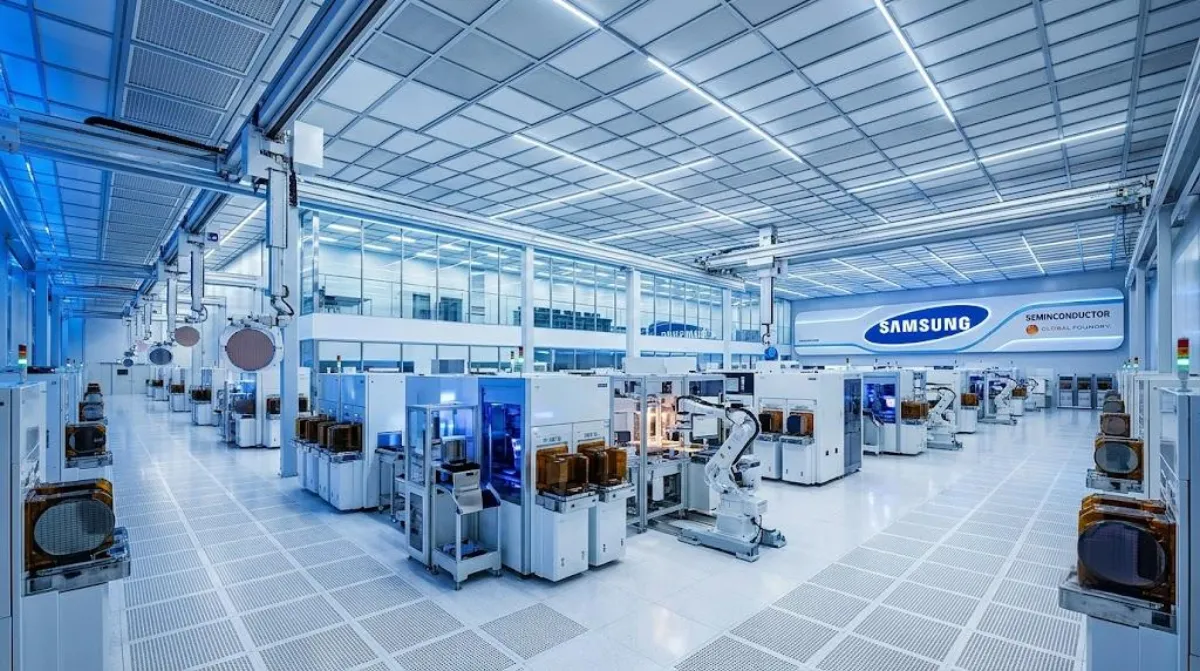
For Samsung, the Anthropic order is part of a broader wave. Tesla's AI5 chip has entered tape-out on Samsung 2nm. Meta is reportedly in talks for a $10 trillion+ ASIC contract with Samsung for its next-generation MTIA 3 chip, shifting from TSMC. Google is reportedly evaluating Samsung for future TPU production.
Samsung's foundry backlog is nearing 50 trillion won ($38 billion). The business is targeting Q4 2026 profitability.
The question for Anthropic is not "can they build a chip?" OpenAI already proved that. The question is: can they build one that actually reduces their compute bill before the revenue curve outpaces the hardware timeline? That is the bet Samsung is making too.
P.S. If you're an Nvidia product planner, you've seen this movie before: Google's TPU, Amazon's Trainium, OpenAI's Jalapeño, and now Anthropic. The narrative that Nvidia is the only game in town is still mostly true — but "mostly" is starting to do less work.