Oracle reported Q4 fiscal 2026 earnings on June 10. On the surface, the numbers looked strong. Revenue grew 21 percent year over year. Cloud infrastructure revenue jumped 93 percent. Remaining performance obligations hit $638 billion, far above estimates.
But the market didn‘t care about any of that. Investors focused on one number: capital expenditures. Quarterly capex hit approximately $165 billion — $557 billion for the full year, above the company’s own forecast. Free cash flow was negative $237 billion.
The stock dropped 5 percent after hours, despite being up 35 percent over the previous three months. Wall Street‘s narrative was simple: “out-of-control spending,” “burning cash,” “AI bubble bursting.” That narrative might be completely wrong.
Where the Money Is Actually Going — Not Just Chips
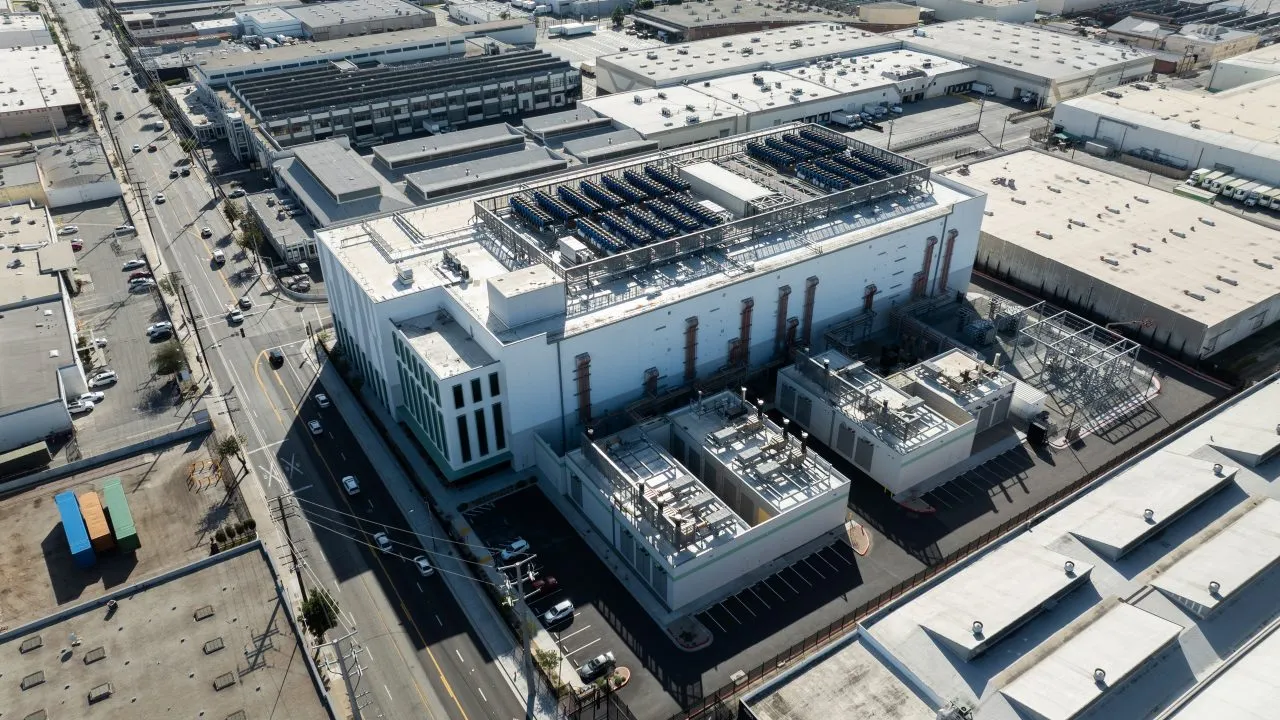
IEA data shows that five tech companies now spend more on capital expenditures than the entire global oil and gas industry spends on upstream exploration and production. Oracle’s $165 billion quarterly spend would rival the annual GDP of a mid-sized oil-producing country.
But an increasing share of that money isn‘t buying GPUs. It’s buying electricity and grid connections.
FERC is in the middle of a fight over who controls grid connection rights for large loads — primarily data centers. In October 2025, the U.S. Energy Secretary invoked Section 403 of the DOE Organization Act to force FERC to craft rules that would shift that authority from states to the federal level.
FERC Chair Laura Swett said something blunt to tech executives in March. “Hyperscalers don‘t speak FERC language. Their complaints about utilities reflect a fundamental lack of understanding of how utilities typically work.” That comment marked a turning point in tech’s “grid learning curve.” Google hired in-house energy regulatory experts. NVIDIA‘s energy policy director admitted, “NVIDIA is new in D.C. and figuring things out.”
The core mismatch is simple. Utility planning cycles run 5 to 10 years. AI company timelines run 2 to 3 years. The result is overspending — not on hardware, but on priority, on queue position, on time.
Oracle’s “Asset-Light” Model
The market also overlooked another number. Oracle‘s remaining performance obligations — essentially customer prepayments — hit $638 billion, up more than 300 percent year over year. Most of these prepayments come from large-scale AI contracts where customers pay for expensive server hardware upfront.
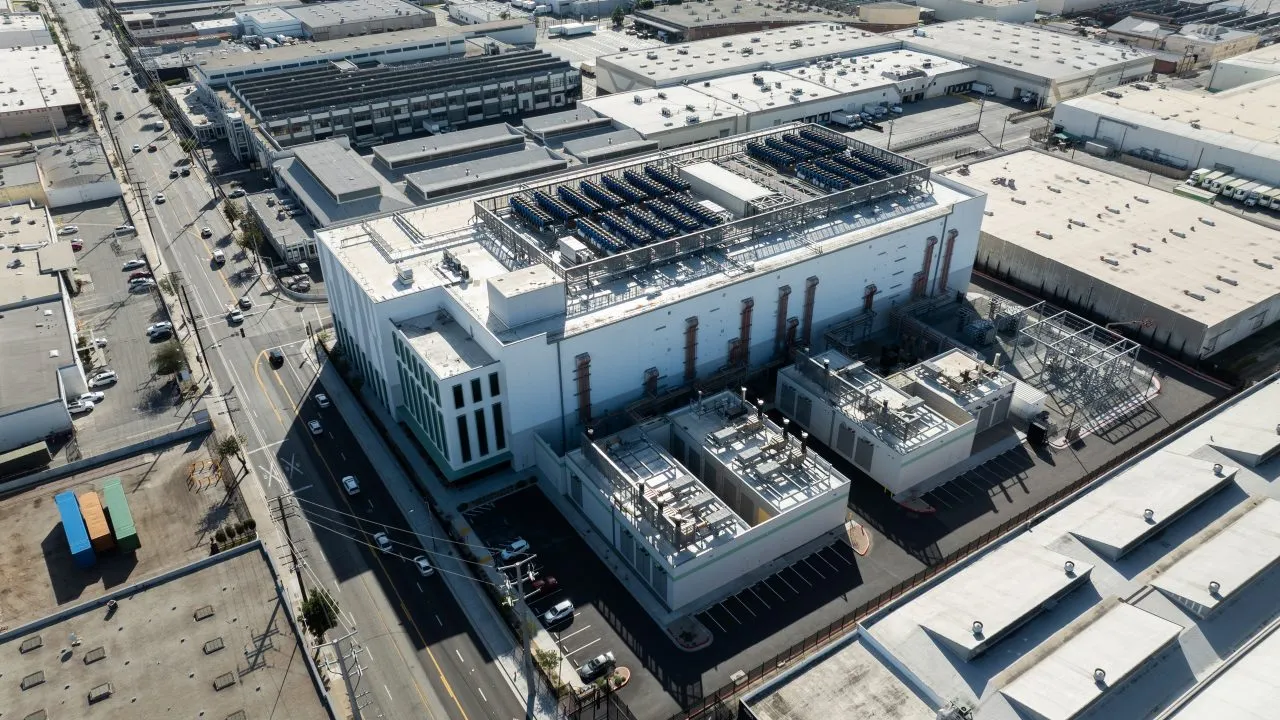
Oracle’s CFO explained: “This significantly reduces the amount of capital Oracle needs to raise to build AI data centers.” Oracle‘s strategy is to let customers buy the hardware while the company provides the facility and operations. Over 10 gigawatts of power and data capacity have been secured for AI infrastructure over the next three years, with more than 90 percent partner-funded.
This is an “asset-light” AI infrastructure model — expanding using customers’ balance sheets instead of its own. Why would customers prepay? Because they also need to buy time. When grid connection queues stretch 5-10 years, prepaying for hardware is the fastest way to secure compute supply.
Tech Companies Are Becoming Energy Companies
Oracle‘s model isn’t isolated. Tech companies are turning from software vendors into vertically integrated energy infrastructure companies.
Microsoft signed nuclear power agreements. Google buys wind power. Amazon is building its own natural gas power plants next to its data centers. Google also signed a $920 million per month compute deal with SpaceX running from October 2026 through June 2029.
Schneider Electric publicly stated that “data centers don‘t need to consume water to operate.” Closed-loop liquid cooling can cut water consumption by roughly half. But as of the end of 2025, less than 5 percent of data centers had adopted advanced cooling solutions. That means 95 percent are still cooling the old way — with water.
This isn’t a metaphor. Tech companies are doing what traditional energy companies do: generating power, transmitting it, and selling it — in the form of compute. Since 2022, more than two-thirds of new data centers have been built in “water-stressed regions.” A 550MW AI data center cluster in São Paulo has an annual water footprint equivalent to 100,000 Brazilian households. Forty-six percent of that is “virtual water” — water evaporated in hydroelectric power generation, not just server cooling.
What Wall Street Hasn‘t Figured Out Yet
Current valuation models treat capex as a cost that hits current earnings and cash flow. But if capex is buying capacity and grid access — not consumables — the valuation math looks different.
A deeper shift is underway. If tech companies move from selling software to selling bundled compute and power, both gross margin structures and valuation multiples will change. If Oracle’s customer prepay model becomes an industry standard, tech balance sheets will get lighter — expanding with customer cash instead of debt or equity.
But the physical constraints of power grids and water won‘t disappear. They will decide who grows and who stalls. The companies that are further ahead in the grid connection queue, that have water rights in stressed regions, that have a seat at the table when FERC writes its rules — those are the real moats of the next phase.
Chip shortages are the visible bottleneck. Grid constraints are the invisible one. Capex is mostly buying the second one.
What This Actually Means
Return to Oracle’s earnings. $165 billion in a single quarter is stunning. But reading it as “burning cash” or “out of control” misreads the direction.
When grid expansion takes 5-10 years and AI companies need 2-3, overspending is buying time — buying queue position for grid connections, buying priority for data center construction, buying a voice in FERC rulemaking.
Oracle‘s customer prepay model, Google’s compute deal with SpaceX, tech companies building their own power plants — together, they point to a fundamental shift. The AI industry is turning from a software business into an energy infrastructure business. Capex isn‘t an arms race. It’s a toll road.
P.S. Chip shortages are the visible bottleneck. Grid constraints are the invisible one. The capex war is mostly about the second one — and that‘s the real moat.