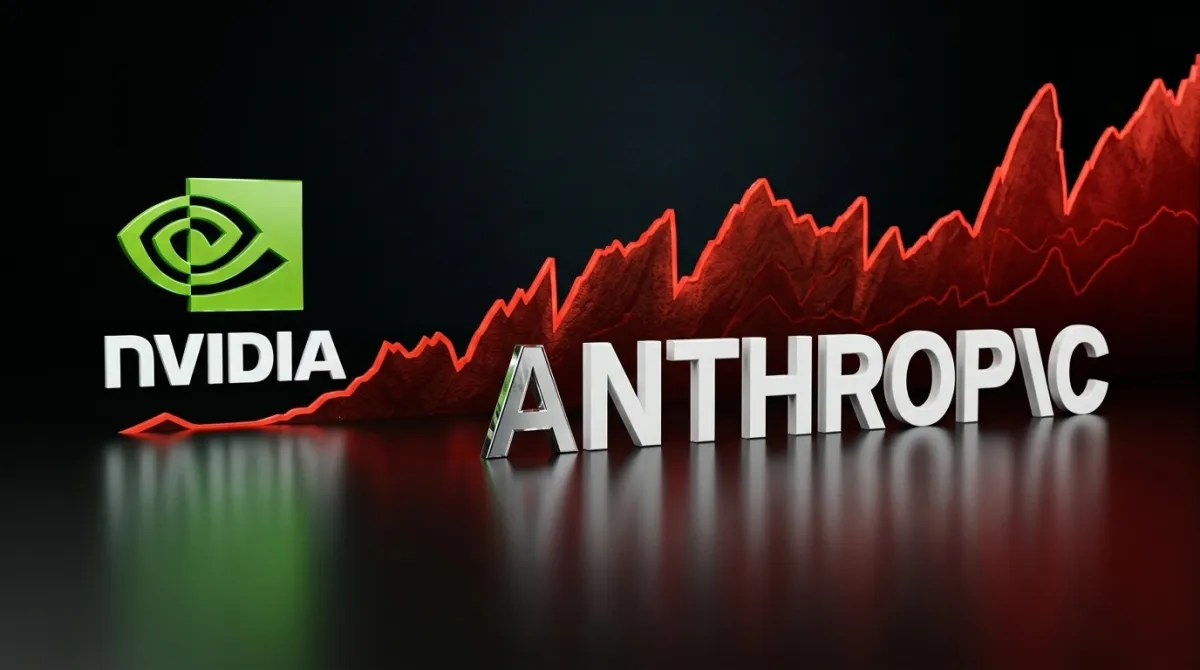
On September 11, Reuters reported that Anthropic is negotiating with Nvidia to become a cornerstone investor in its IPO, with Nvidia considering up to $10 billion. Anthropic is seeking to raise as much as $100 billion at a valuation of roughly $2 trillion — which would surpass SpaceX's $85.7 billion raise and $1.77 trillion valuation in June to become the largest IPO in history.
The listing could land before the November US midterms. The prospectus, originally expected in early September, has slipped to late September.
Anthropic's valuation has moved fast. In May, its Series H round priced at a $965 billion post-money valuation. Four months later, it is asking public markets for more than double that.
The revenue is there, at least on paper. Anthropic's annualized revenue run rate climbed from about $9 billion at the end of 2025 to over $65 billion by late July 2026 — a sevenfold increase in seven months. Internal projections call for $190 billion to $200 billion in 2028 revenue.
The $30 Billion That Makes the Anchor Look Different
In November 2025, Nvidia announced it would invest up to $10 billion in Anthropic as part of a broader partnership. Under that same framework, Anthropic committed to purchasing $30 billion of Nvidia-chip-powered Microsoft Azure compute.
Now Nvidia is considering another $10 billion — this time as a cornerstone investor in Anthropic's IPO.
Jensen Huang addressed the circular financing question directly at the Goldman Sachs conference on September 10. “I put in $1 and $100 comes back,” he said. “Is that circular?”
He called the structure “a very smart strategy” that helps Nvidia build distribution for its architecture.
The defense has a logic. Nvidia's chips are revenue-generating assets, not one-time hardware sales. But Nvidia's SEC filings show three direct customers accounted for 16%, 15%, and 13% of its first-half fiscal 2027 revenue. When your anchor investor is also your largest supplier, and your purchase commitment is three times the size of that investment, the line between “demand” and “financing” gets thin.
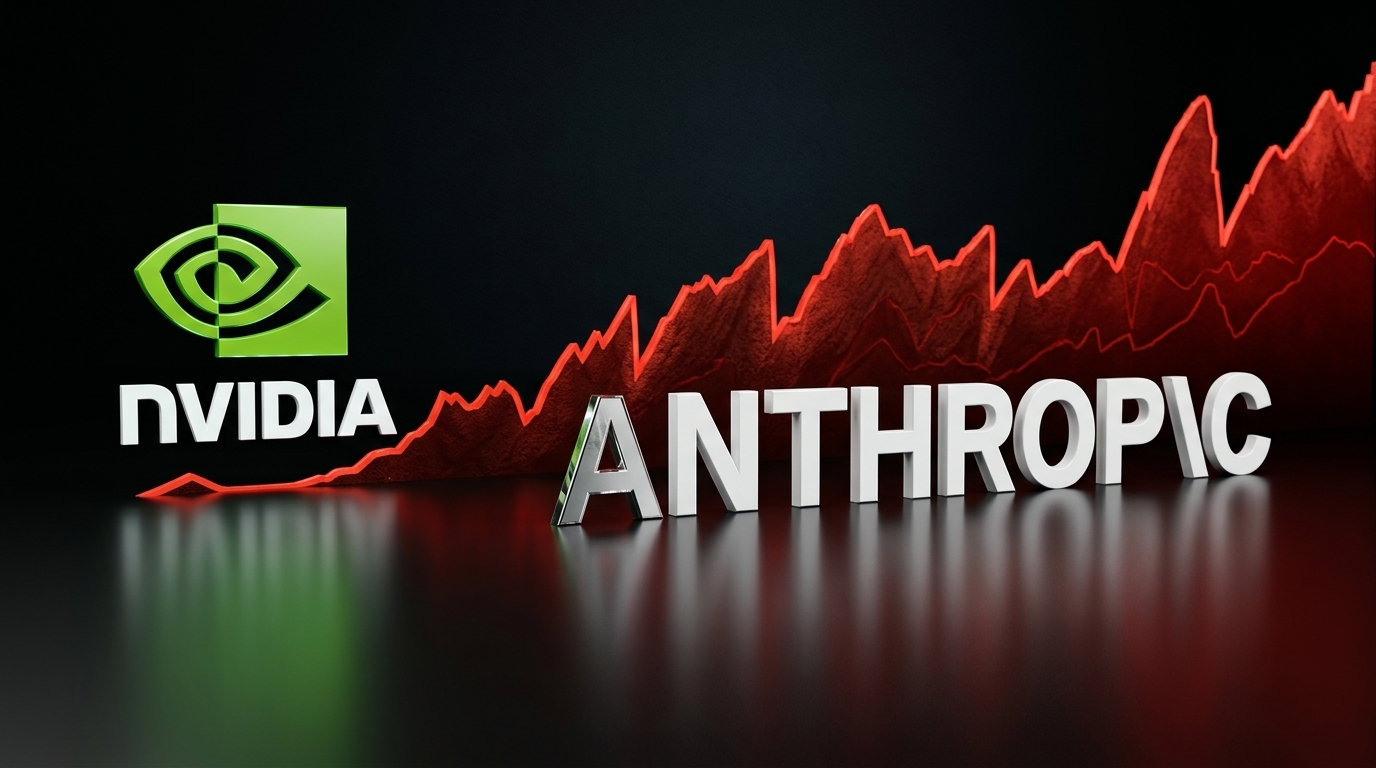
Anthropic Is Taking Nvidia's Money While Building Its Way Out
Anthropic is not passively accepting Nvidia's leverage. It is actively diversifying.
In April, Anthropic announced a commitment to spend over $100 billion on Amazon AWS over ten years, using more than one million Trainium2 chips. It also has an agreement with Google and Broadcom for multi-gigawatt TPU capacity. And it has hired Amir Salek, who led Google's TPU development from 2017 to 2022, to build an internal chip team.
The company currently runs a “multi-chip strategy” combining Nvidia GPUs, Google TPUs, and Amazon Trainium. Custom silicon is the next step — expensive, slow, and uncertain, but the only path to real bargaining power.
This is the dual strategy that public investors will need to price. Anthropic takes Nvidia's anchor investment to fund near-term compute expansion. It builds Trainium, TPU, and internal chip capabilities to reduce long-term dependence. Both can be true at once. But the valuation math depends on which one wins.
The Governance Question Nobody Is Pricing
Anthropic's corporate structure includes a Long-Term Benefit Trust with authority to appoint four of seven board members. The structure is designed to prioritize AI safety and long-term public benefit over short-term profit.
Once Anthropic is publicly traded at a $2 trillion valuation, shareholders will demand quarterly returns. The LTBT's mandate runs in the opposite direction. This tension has no precedent at this scale — a public company where a safety-focused trust controls board appointments, and where the largest shareholder is also the largest supplier.
The IPO prospectus, expected in late September, will be the first document to test whether that structure survives contact with public-market expectations.
P.S. Nvidia's $10 billion anchor is the confidence signal Anthropic needs. It is also the clearest data point yet that the AI industry's largest supplier is now its customers' banker. The prospectus will show whether public investors price that as validation or as risk.
Frequently Asked Questions
Q: What is Nvidia's role in Anthropic's IPO?
A: Nvidia is negotiating to become a cornerstone investor in Anthropic's IPO, with a potential investment of up to $10 billion. A cornerstone investor commits to buying a significant allocation before the IPO prices, signaling confidence to other investors.
Q: How large is Anthropic's IPO?
A: Anthropic is seeking to raise as much as $100 billion at a valuation of roughly $2 trillion. That would surpass SpaceX's $85.7 billion raise and $1.77 trillion valuation in June to become the largest IPO in history.
Q: Why is Nvidia's investment considered circular financing?
A: In November 2025, Nvidia invested up to $10 billion in Anthropic, and Anthropic committed to purchasing $30 billion of Nvidia-chip-powered Azure compute. Now Nvidia is considering another $10 billion as an IPO anchor. The concern is that the supplier is financing demand for its own products.
Q: What did Jensen Huang say about circular financing?
A: At the Goldman Sachs conference on September 10, Huang said: “I put in $1 and $100 comes back. Is that circular?” He called the structure “a very smart strategy” that builds distribution for Nvidia's architecture.
Q: Is Anthropic reducing its dependence on Nvidia?
A: Yes. Anthropic has committed over $100 billion to AWS over ten years using more than one million Trainium2 chips, has an agreement with Google and Broadcom for multi-gigawatt TPU capacity, and has hired former Google TPU lead Amir Salek to build an internal chip team.
Q: What is Anthropic's Long-Term Benefit Trust?
A: The LTBT has authority to appoint four of seven board members. It is designed to prioritize AI safety and long-term public benefit over short-term profit. Its mandate may conflict with public shareholders' demand for quarterly returns.
Q: What are Anthropic's revenue projections?
A: Anthropic's annualized revenue run rate climbed from about $9 billion at the end of 2025 to over $65 billion by late July 2026. Internal projections call for $190 billion to $200 billion in 2028 revenue.
Q: When is the IPO expected?
A: The listing could land before the November US midterms. The prospectus, originally expected in early September, has slipped to late September.