Meta is having a busy week. Two AI announcements. Two very different vibes. One is about catching up. The other is about trust.
First, the coding news. Meta Chief AI Officer Alexandr Wang confirmed the next Muse Spark update — codenamed "Watermelon" — is coming soon. Big improvements in coding and agentic capabilities. Internal benchmarks show it has caught up to OpenAI's GPT-5.5.
That's a big deal. The current Muse Spark, released in April, was a solid fourth-place model. It dominated medical and scientific benchmarks. It crushed visual reasoning. But on coding? It trailed badly. LiveCodeBench Pro: 80 vs. GPT-5.4's 87.5. Terminal-Bench 2.0: 59 vs. 75.1.
If Watermelon closes that gap, Meta finally has a real answer to OpenAI and Anthropic in the enterprise coding market. Analysts say a strong Meta model would increase competition, lower AI costs, and give enterprises another alternative. Forrester noted that Meta "wants to move beyond the foundational model layer to become the platform on which AI-native applications and agents are built."
But here's the twist. Watermelon is still in training. It uses "around ten times more computing power" than its predecessor. The model isn't here yet. It's coming "soon." And Meta has been saying "soon" for a while.
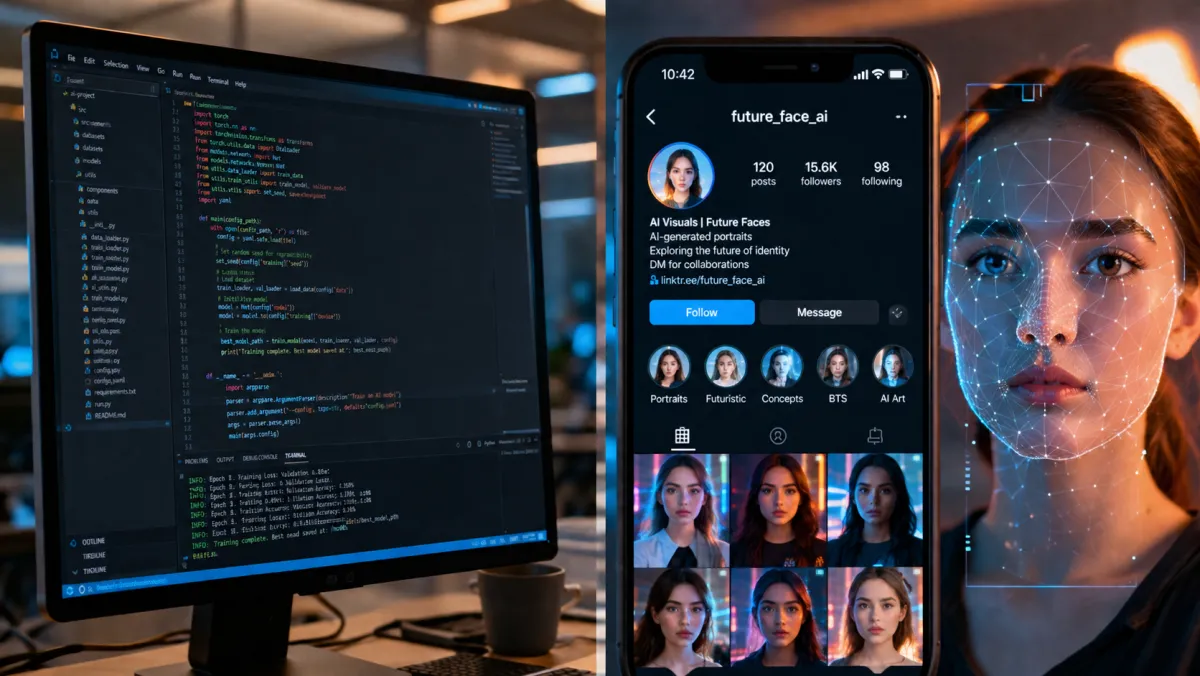
Now the other announcement. The one Meta shipped this week. Muse Image. An image generation model inside Instagram and WhatsApp. It writes code. It searches the web. It edits photos. It's genuinely impressive.
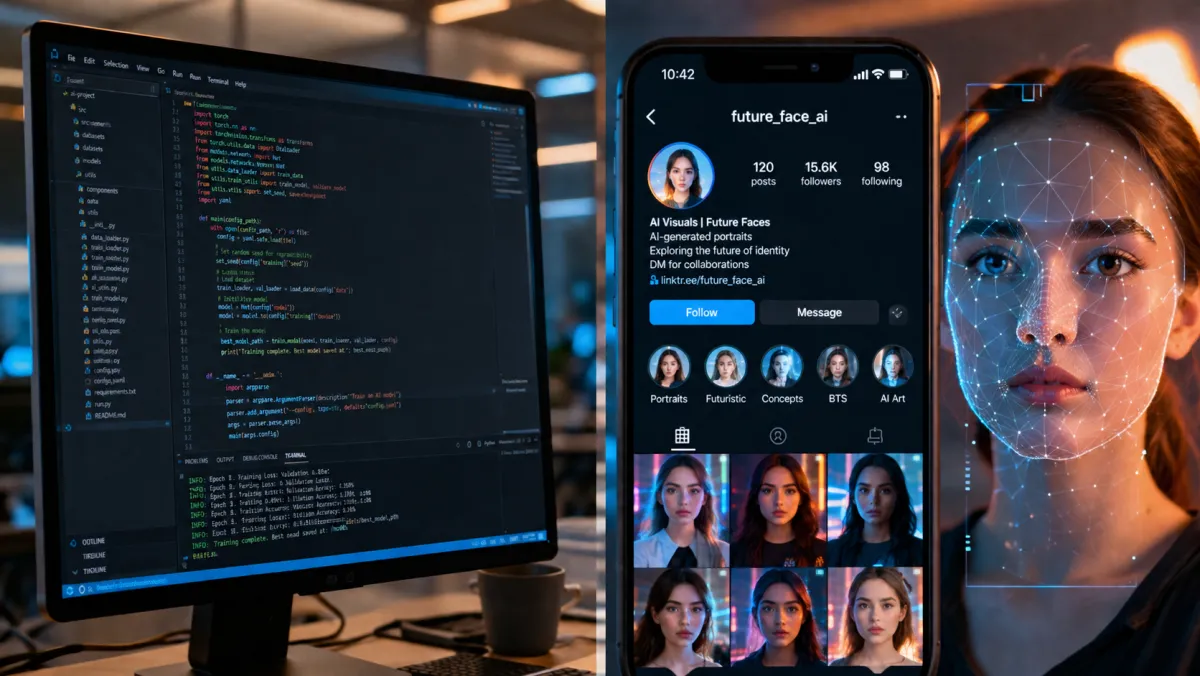
But here's the feature nobody asked for. You can tag any public Instagram account in a prompt. Muse Image will pull their public photos to generate new images. Default: on. Opt-out: buried in settings.
Want to generate an AI image of your ex? Of your boss? Of that influencer you hate? You can. They won't even know. No notification. Nothing.
The CAA is furious. Hollywood's top talent agency called it a violation of artists' rights. Public Citizen called it "an egregious invasion of user privacy." Privacy International said Meta is treating users as "extractable raw material."
The criticism is simple: Meta quietly defaults users into the system and buries the opt-out in account settings. Two toggles turn it off. But most users will never find them.
This is the same company that spent the last two years telling us open-source AI was the future. Then it released Muse Spark as a closed API. No public weights. No self-hosting. Nothing. The same company that said Llama would democratize AI. Then it locked down its best model because of "safety risks." Then it launched an image tool that lets anyone use your face without permission.
This is the trust problem. Meta wants enterprises to adopt Muse Spark for coding. It wants developers to build on its platform. It wants to compete with OpenAI and Anthropic in the AI assistant market. But enterprises care about privacy. Developers care about control. And everyone cares about consent.
Muse Image's default-on face-generation feature sends a clear message: Meta's priorities are not your priorities. The model might be good. Watermelon might finally match GPT-5.5 on coding. But enterprises don't just buy the best model. They buy the model they trust.
Meta's track record on trust is getting worse, not better. The company is spending billions on AI infrastructure. It's building cloud businesses. It's acquiring AI startups. But it's also treating user data as raw material for its models.
Forrester analyst Charlie Dai put it bluntly: "Meta must prove superior real-world coding quality, reliable agent execution, strong security and governance, and a vibrant developer ecosystem." That's a long list. And the company is failing on two of those before the model even ships.
Watermelon's coding improvements are real progress. But Meta's trust deficit is a bigger obstacle than any benchmark gap. The company built a great model. It built an impressive image generator. It also built a feature that makes everyone feel like a product.
That's the Meta way. And that's why enterprises will hesitate.
P.S. If you're an enterprise CIO reading this, ask yourself: do you want your developers building on a platform that treats user consent as an opt-out? Meta's code quality might catch up to GPT-5.5. But its trust quality is still stuck in 2020.