
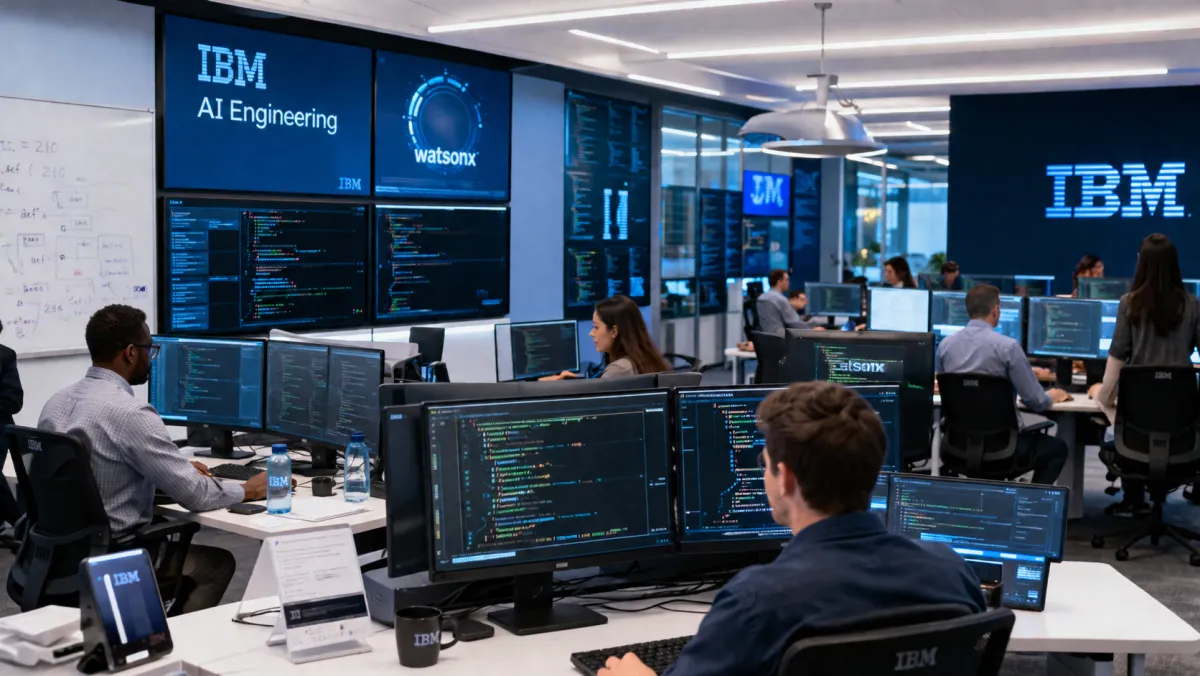
IBM dropped a major update to Bob today. Its agentic AI development platform. New multi-agent capabilities. Built-in cost analytics. And specialized workflows for modernizing COBOL and Java systems.
The timing is deliberate. AI has already changed how code gets written. Now it's changing how code gets reviewed. And that might be the harder problem. IBM cited a 2026 GitLab report: 85% of DevSecOps professionals say AI has shifted the development bottleneck from writing code to reviewing and validating it.
Bob's answer isn't a faster code generator. It's a multi-agent system that shares the cognitive load. The platform now supports parallel tool calling. Models can request and run multiple tools in a single turn. Subagents handle complex work in isolated contexts. This prevents context windows from bloating and driving up costs.
That's the architecture. The real story is what it unlocks. Bobalytics is the new feature nobody expected. A dashboard that monitors AI usage, resource allocation and cost. Because enterprise AI has a spending problem, and IBM just gave CIOs a way to see where the money is going.
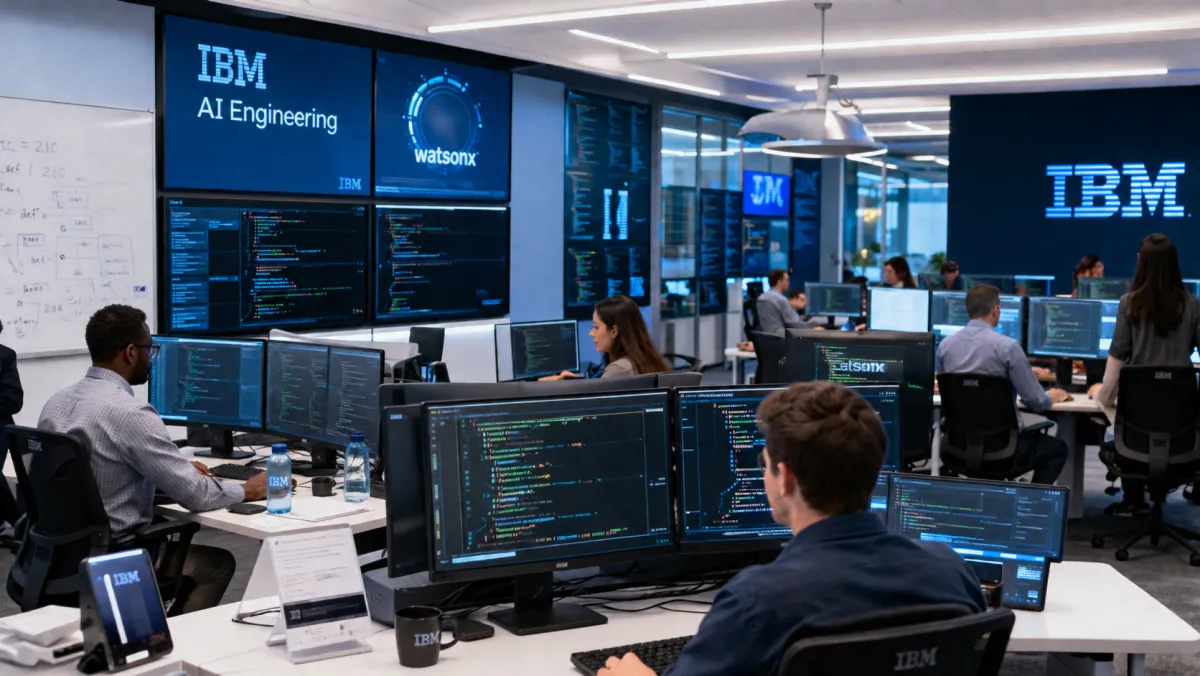
But the headline grabber is the premium packages. IBM Z for mainframes. IBM i for legacy enterprise systems. Java Modernization for moving to Java 25. These aren't generic AI tools. They're purpose-built workflows for the environments other AI platforms can't touch. COBOL. PL/I. RPG. The languages that run global banking, insurance and commerce. The languages that have been the hardest places for AI to help. IBM is betting its decades of enterprise experience against everyone else's general-purpose models.
Now let's talk about Blue Pearl. Because this is where the numbers get absurd.
A South African cloud consultancy needed to modernize its Java 11 platform. Moving to Java 25 LTS. The traditional estimate: around 30 days of engineering work. Using Bob, they did it in three days.
The results: 90% faster delivery. 160+ engineering hours preserved. Zero post-deployment defects. And about 15% faster response times across key workflows. The CEO of Blue Pearl put it this way: "Modernizing enterprise systems is not simply about rewriting code faster. It is about protecting business continuity while enabling innovation."
But here's the part the press release doesn't emphasize. The team spent about three hours constructing a detailed prompt upfront. Architecture diagrams. AWS workflow information. Inter-service dependencies. Data flow maps. They fed Bob the context. Bob did the heavy lifting. Senior developers reviewed every recommendation before implementation. The pattern wasn't "AI replaces developers." It was "context first, Bob second, validation third." That's the model that actually works. And it's the one IBM is selling.
The platform also resolved 127 deprecated API calls and achieved 92% test coverage — up from zero tests. No CVE-bearing dependencies after the upgrade. Zero production incidents post-deployment. The comparison that matters: 30 days to 3 days. A month to a long weekend. An estimated 15-20 client opportunities are already emerging from this single engagement.
IBM is pitching Bob as an "end-to-end agentic development partner" that works inside the systems teams already use. The pitch is smart. It acknowledges that most enterprises aren't building net-new applications. They're modernizing what they already have. And IBM has been inside those systems for decades. COBOL modernization isn't a sexy headline. But it's a real problem. And it's a problem every other AI company is ignoring.
IBM Bob doesn't replace engineering judgment. It accelerates it. The bottleneck is no longer writing code. It's reviewing it. Bob's answer: get smarter about how you deploy AI, not just how fast you generate code.
The challenge? 80,000+ IBM employees already use Bob internally. Self-reported productivity gains exceed 45%. The question is whether the tool can replicate Blue Pearl's success at scale across different codebases and enterprise environments. Because a three-day modernization is impressive. A repeatable three-day modernization is a business.
P.S. If you're an enterprise architect, don't look at Bob and think "AI writes my code." Think "AI knows where to look." That's the real superpower. And IBM has been in your data center since before "AI" was a marketing term.