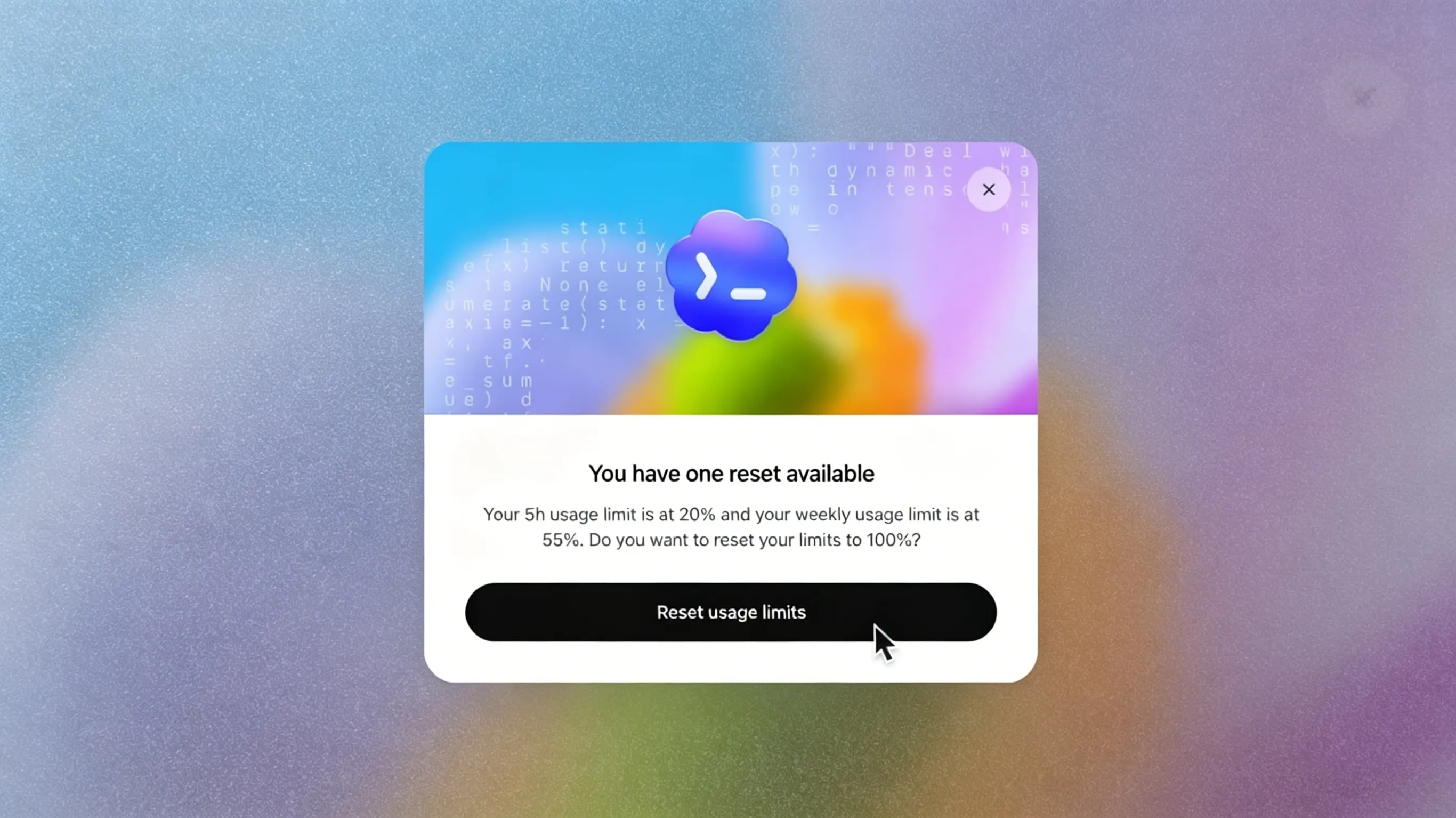
OpenAI pushed Codex version 26.609 today. The release notes are solid: rate limit banking, faster browser automation, and a new developer mode for debugging.
But the real story isn’t just what‘s in this update. It’s what‘s coming next. GPT-5.6 is rumored to arrive this month. Price cuts are reportedly being discussed internally. And Codex is quietly being repositioned — from a coding assistant into something closer to an agent platform.
Let’s break down what actually changed today, and then look at where this is all heading.
What‘s New in Codex 26.609
Rate Limit Resets: Save Them for Later
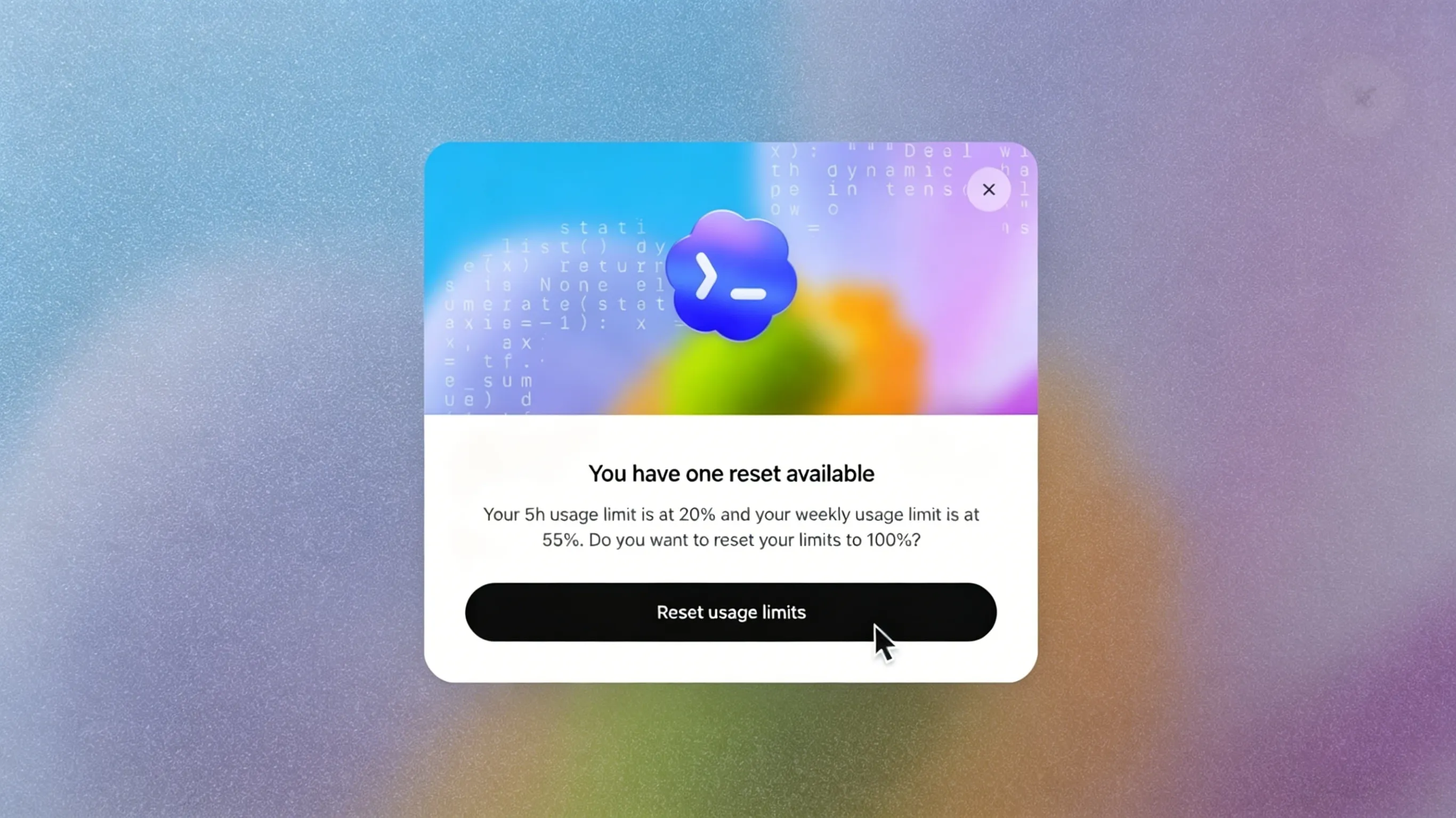
The most user-facing change is rate limit banking. Previously, Codex’s rate limit resets expired on a fixed schedule. If you weren‘t coding that day, you lost them. If you had a marathon session, you couldn’t bank resets from quieter days.
That‘s gone. Plus and Pro users can now store rate limit resets and use them when needed. At launch, each eligible user gets one free reset to start their bank. During the current two-week promotion (starting June 12), you can earn additional resets by referring friends — up to three resets per month.
The referral rules are worth noting. An invite only counts if the person you refer actually sends messages in Codex (not just signs up). And here’s the clever part: accounts inactive for more than 62 days also count if you reactivate them. OpenAI isn‘t just chasing new users. It’s trying to wake up the ones who left.
Browser Use: Up to 2x Faster
Codex‘s browser automation just got a significant speed boost. The update integrates Chrome DevTools Protocol (CDP) and optimizes DOM snapshots, reducing round trips between Codex and the browser. OpenAI claims speed improvements of up to 2x.
One caveat: OpenAI hasn’t released specific benchmark details, so we‘re taking their word on the number. But the technical approach — CDP integration — is a genuine improvement that should reduce latency in real-world browser automation tasks.
Developer Mode: CDP Access for Pro Users
Pro and Business users now get controlled CDP access in Chrome and the in-app browser. This means you can run performance profiling and deeper debugging on browser-based agent tasks.
For developers building complex web automation agents, this fills a real gap. Until now, debugging what Codex was doing inside the browser was largely guesswork. Developer mode doesn’t solve everything, but it gives you visibility into what‘s actually happening under the hood.
Plus users don’t get this feature. That‘s a clear signal: OpenAI sees debugging as a Pro-tier need.
The User Tier Breakdown
Feature | Free | Plus | Pro | Business |
|---|---|---|---|---|
Rate limit banking | No | Yes (3/month max) | Yes (3/month max) | Yes |
Browser speed improvements | Yes | Yes | Yes | Yes |
Developer mode (CDP access) | No | No | Yes | Yes |
Referral invites for resets | No | Yes | Yes | TBD |
Source: OpenAI release notes and subsequent reporting
What’s Coming Next (The Rumors)
The Codex update is useful. But it‘s not the main event. Here’s what OpenAI is reportedly preparing for the coming weeks.
GPT-5.6 This Month
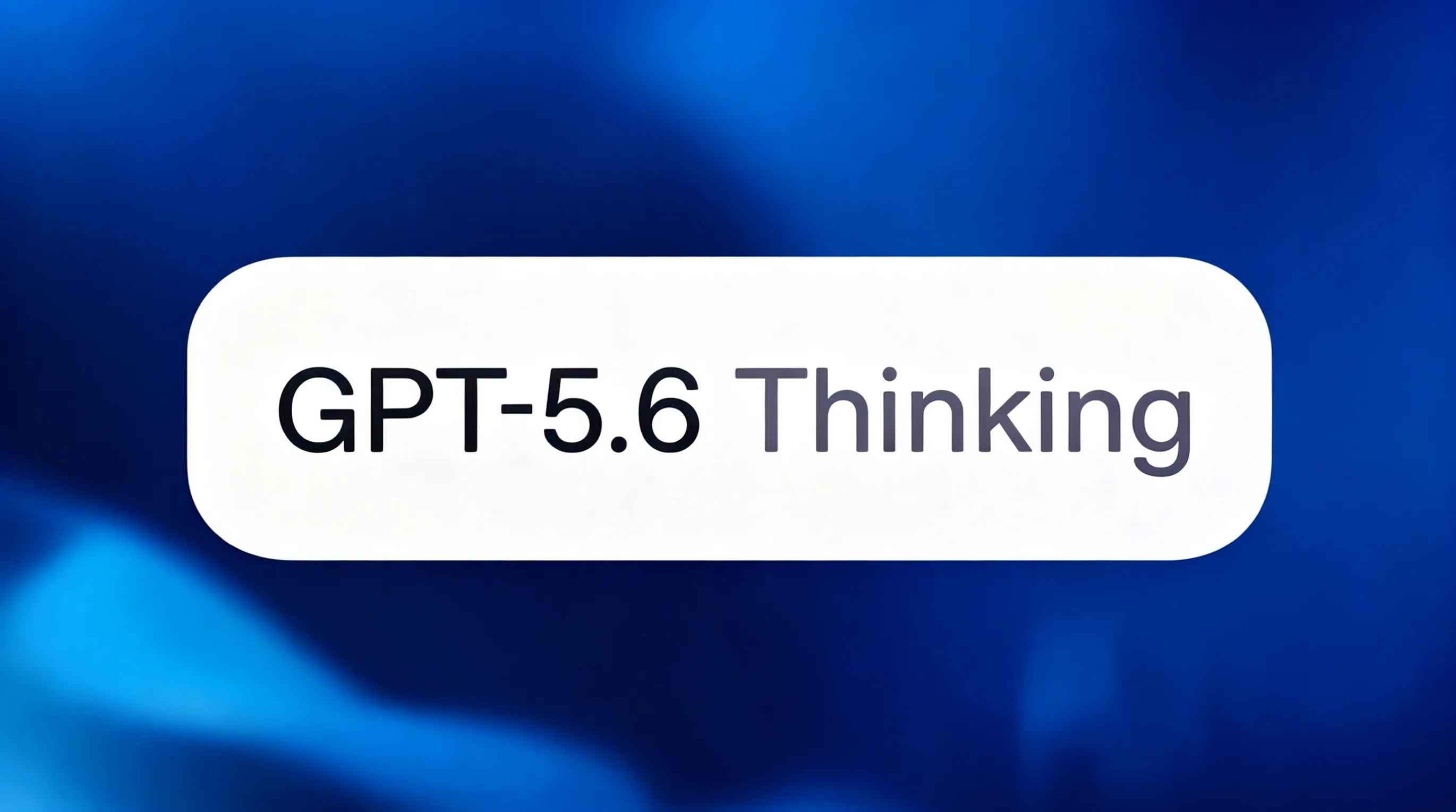
According to The Information, Chief Scientist Jakub Pachocki told employees that GPT-5.6 will be a “meaningful improvement” over GPT-5.5. The model is expected to ship in June 2026 — which means anytime now.
Developer communities have been tracking codenames (iris-alpha, kepler, kindle) for weeks. The current frontrunner appears to be kindle-alpha as the release candidate. Real-world tests suggest significant improvements in frontend and UI generation, agentic coding (reportedly competitive with Claude Fable 5 on certain benchmarks), and an expanded context window from 100K tokens (GPT-5.5) to an estimated 150K.
One note of caution: not all testers agree. Some have reported that newer checkpoints (kepler, kindle) show inconsistent gains, and the real release candidate may still be ahead. Treat the rumors as directional, not definitive.
Price Cuts Are Being Discussed
The Wall Street Journal reported that OpenAI is considering significant token price reductions to compete with Anthropic.
Anthropic’s Fable 5 currently leads on several benchmarks, and the company‘s valuation recently overtook OpenAI‘s. A price war would hurt both companies’ margins — but in a market where models are increasingly commoditized, cost is becoming a primary differentiator.
If OpenAI cuts prices and ships GPT-5.6 in quick succession, it‘s a direct response to Anthropic’s momentum. Codex‘s rate limit banking and browser improvements fit the same pattern: make the product stickier, lower the friction, and lock in developers before Anthropic can respond.
Putting It Together: Codex Is Becoming an Agent Platform
Rate limit banking isn’t just a nice-to-have. It‘s a feature for long-running agent tasks. When your agent needs to iterate for hours across hundreds of API calls, being able to bank resets from low-usage periods and deploy them during intensive sessions keeps the workflow running.
Browser use speed improvements aren‘t just about convenience. They’re about throughput. For agents that scrape data, fill forms, or navigate complex web apps, 2x faster execution means 2x more work in the same time window.
Developer mode isn‘t just for debugging. It’s a signal that OpenAI expects developers to build production-grade browser agents on Codex — and those need proper tooling.
Together, these three features point in the same direction: Codex is being repositioned from a coding assistant into an agent platform. It‘s not just helping you write code anymore. It’s helping you run tasks.
What This Actually Means
Codex 26.609 is a solid update. Rate limit banking fixes a real pain point. Browser speed improvements make automation faster. Developer mode gives Pro users the visibility they‘ve been asking for.
But the bigger story is what’s coming. GPT-5.6 is rumored to drop this month. Price cuts are reportedly being discussed. And Codex is quietly becoming the infrastructure for OpenAI‘s agent play.
If you’re a Plus or Pro user, the two-week referral promotion is worth your attention. Three resets per month isn‘t a lot — but it’s more than zero, and for marathon coding sessions, it matters.
If you‘re watching the OpenAI vs. Anthropic battle, the next few weeks will be telling. GPT-5.6, price cuts, and Codex’s continued evolution are all moves on the same board. The question isn‘t whether OpenAI can ship features. It’s whether it can ship a coherent strategy.
P.S. The referral promotion runs for two weeks starting June 12. After that, the ability to earn resets through invites may change or disappear. If you‘ve been meaning to pull a teammate into Codex, the window is now. And if you’re a Plus user wondering why you don‘t get developer mode — that’s OpenAI‘s way of telling you what Pro is for.