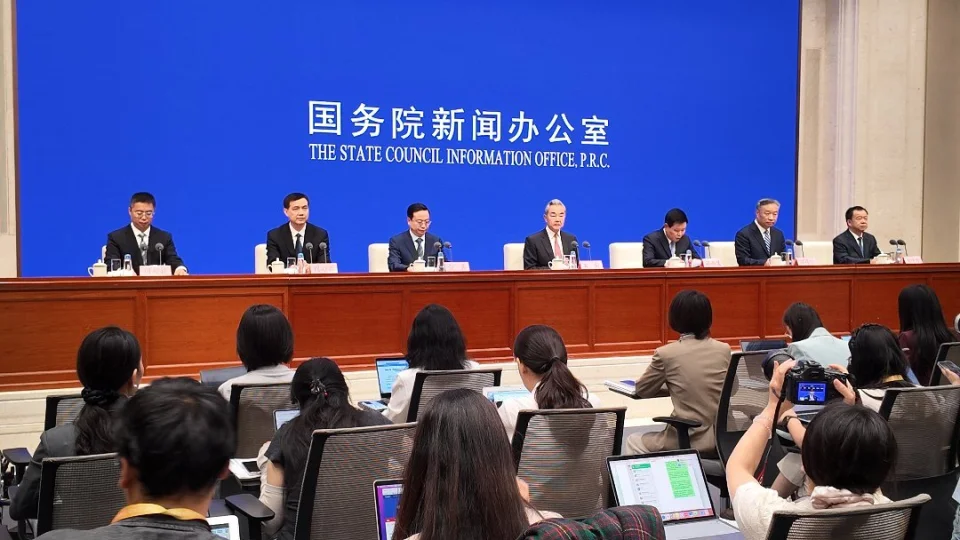
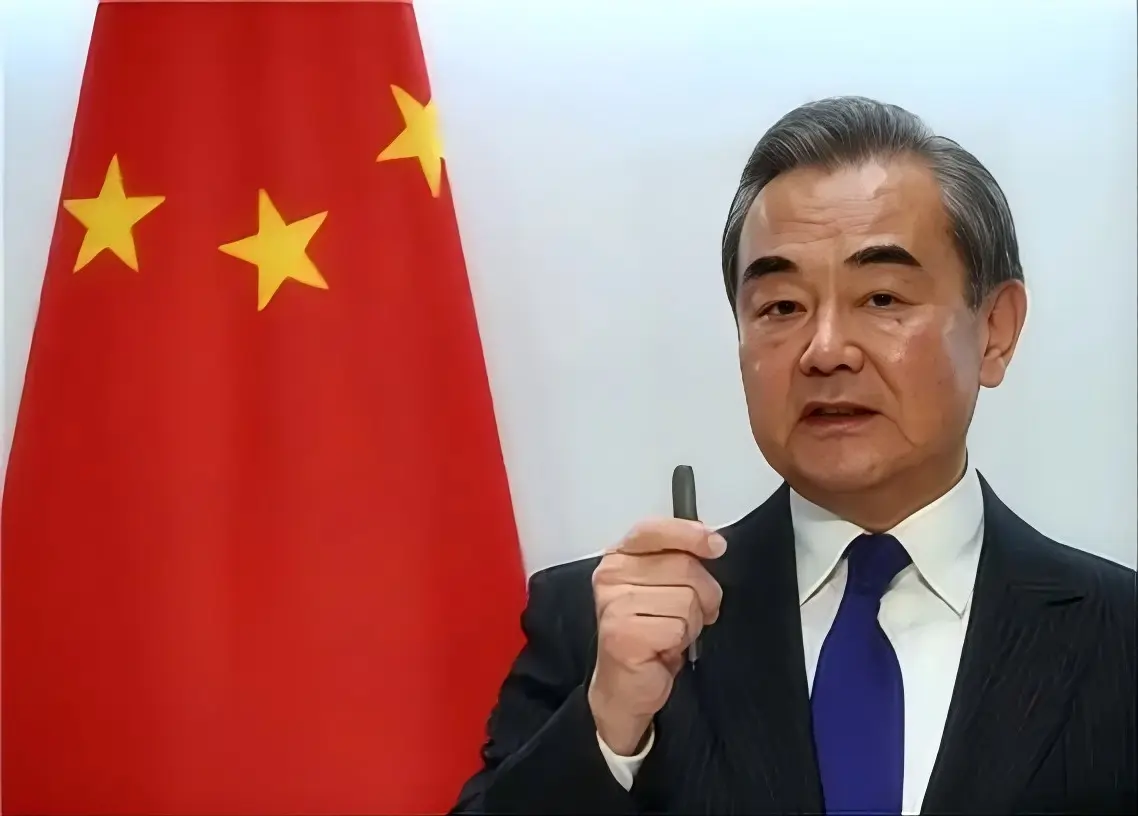
On June 17, Chinese Foreign Minister Wang Yi announced at a State Council press conference that China is accelerating preparations for the establishment of a World Artificial Intelligence Cooperation Organization. The invitation was explicit: “We welcome all parties to join” in promoting“AI for good.”
The announcement was timed with the release of a white paper titled“More Just and Equitable Global Governance: China‘s Principles, Proposals and Actions.” National Development and Reform Commission Vice Chairman Zhou Haibing added that China has“firmly rejected closed and exclusive development models, as well as technological monopolies.”
The timeline is now clear. China will host the 2026 World Artificial Intelligence Conference and High-Level Meeting on Global AI Governance in Shanghai in July. That’s where the organization will be formally advanced.
The Timing Is Not a Coincidence
On June 12 at 5:21 PM ET, the US government ordered Anthropic to cut off access to Fable 5 and Mythos 5 for all non-US citizens. Five days later, Beijing announced its global AI body.
The connection is explicit. Chinese officials did not name the Anthropic ban directly, but the subtext was unmistakable. Wang Yi‘s remarks on June 17 emphasized that the world is entering a“new period of turbulence and change” and that“multilateralism must be revived.”
China Information and Communications Technology Academy President Yu Xiaohui, writing in state-linked media, was more direct. He criticized that“certain countries” have adopted“deregulation, de-multilateralization, and export controls” as strategies, treating AI as“a strategic tool for great-power competition rather than a common object of governance.”
The White House chose export controls. Beijing chose a multilateral organization. Two approaches, one problem.
What the Organization Would Actually Do
The proposed World Artificial Intelligence Cooperation Organization is modeled loosely on the International Atomic Energy Agency — a framework for ensuring that technology is not diverted for military purposes. China has also laid out three governance principles: AI for good, safety and controllability, and inclusive and equitable access.
The organization would operate through the UN as the“main channel” for global AI governance, but with China hosting the secretariat and driving the agenda. It would also include provisions for helping developing countries address technology, talent, and governance gaps — a clear contrast to the US approach of restricting access.
What to Watch in July
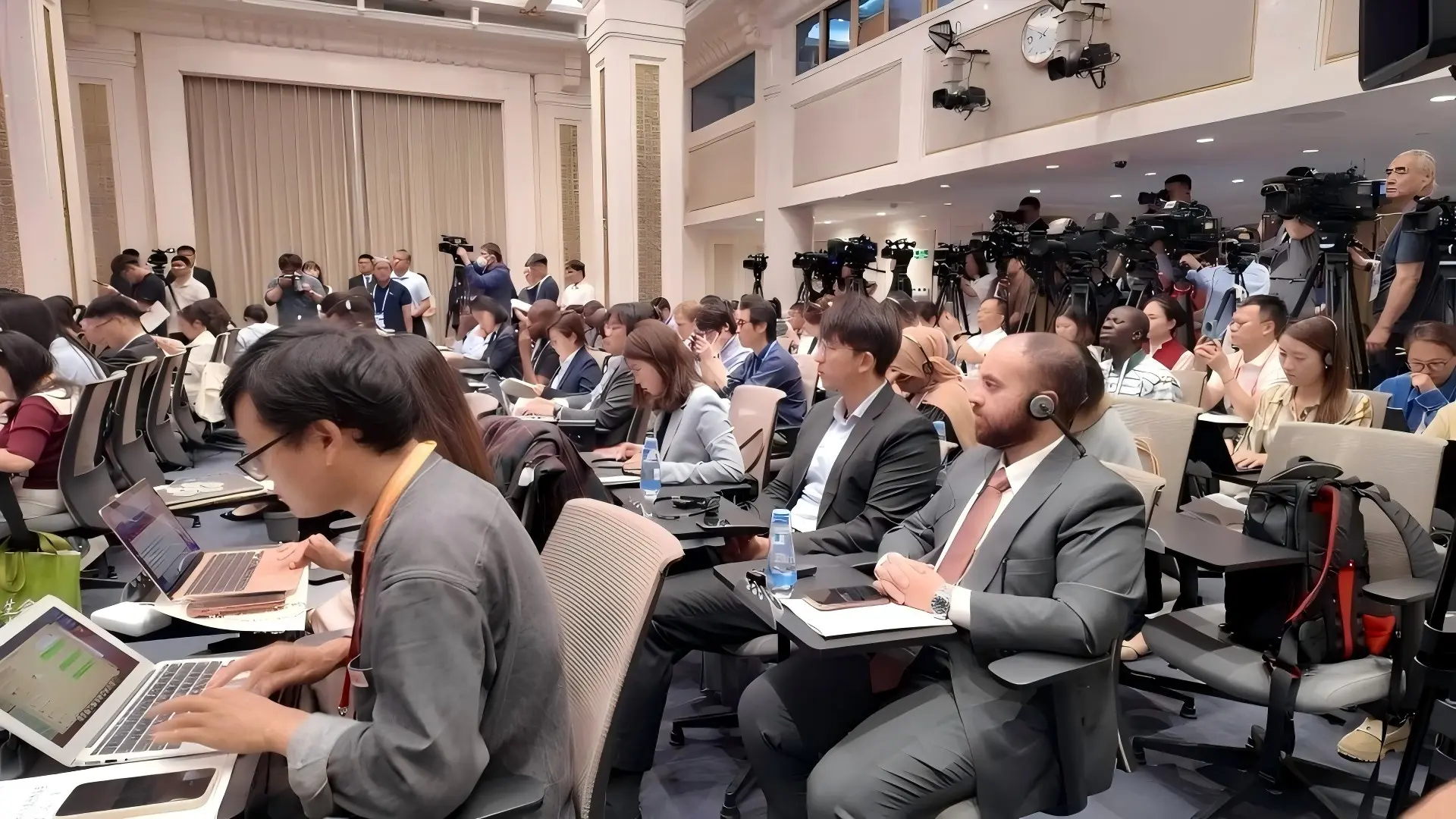
The Shanghai conference in July will be the first real test.
Who attends matters most. If the US sends representatives — even at a working level — it signals that the two countries still see room for dialogue on AI governance. If the US declines or sends a token delegation, the divide is wider than the market assumes.
What China proposes in Shanghai will define the organization‘s scope. Is it a discussion forum? A standard-setting body? A regulator with enforcement authority? The answer will determine whether this is a credible alternative to US-led governance or a symbolic counterweight.
Two Models, One Problem
The US approach is unilateral and restrictive. It says:“Our models are too powerful for some people to use. We will decide who gets access.”
China‘s approach is multilateral and inclusive. It says:“AI governance must be open to all. We will build the institutions.”
Both approaches are responses to the same problem: frontier AI capabilities are real, and the current governance structures are not keeping up. The US solution is to control access. China‘s solution is to build a new institution.
One is faster. The other is more scalable. Which one ultimately works depends on who can persuade more countries to join their framework.
The Shanghai conference in July is the first major test. The US showed its hand on June 12. China showed its hand on June 17. Now the rest of the world gets to decide which model makes more sense.
P.S. The contrast could hardly be sharper. One country says“you can‘t use our models.” Another country says“let’s build a system together.” The choice for the rest of the world isn‘t between the US and China. It’s between access and control. History suggests that open systems tend to win — but not always, and not quickly. The Shanghai conference will tell us which path we‘re on.