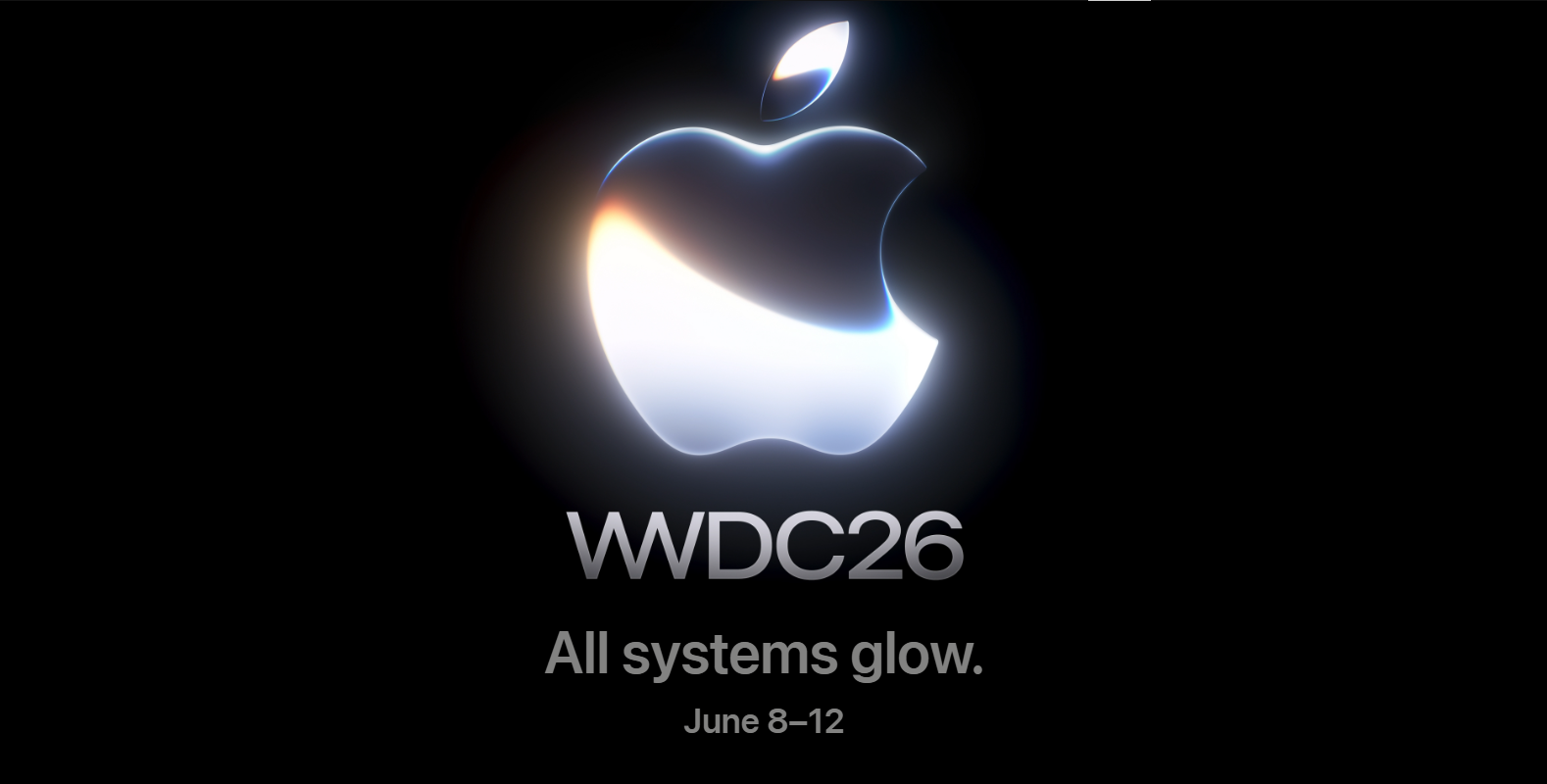
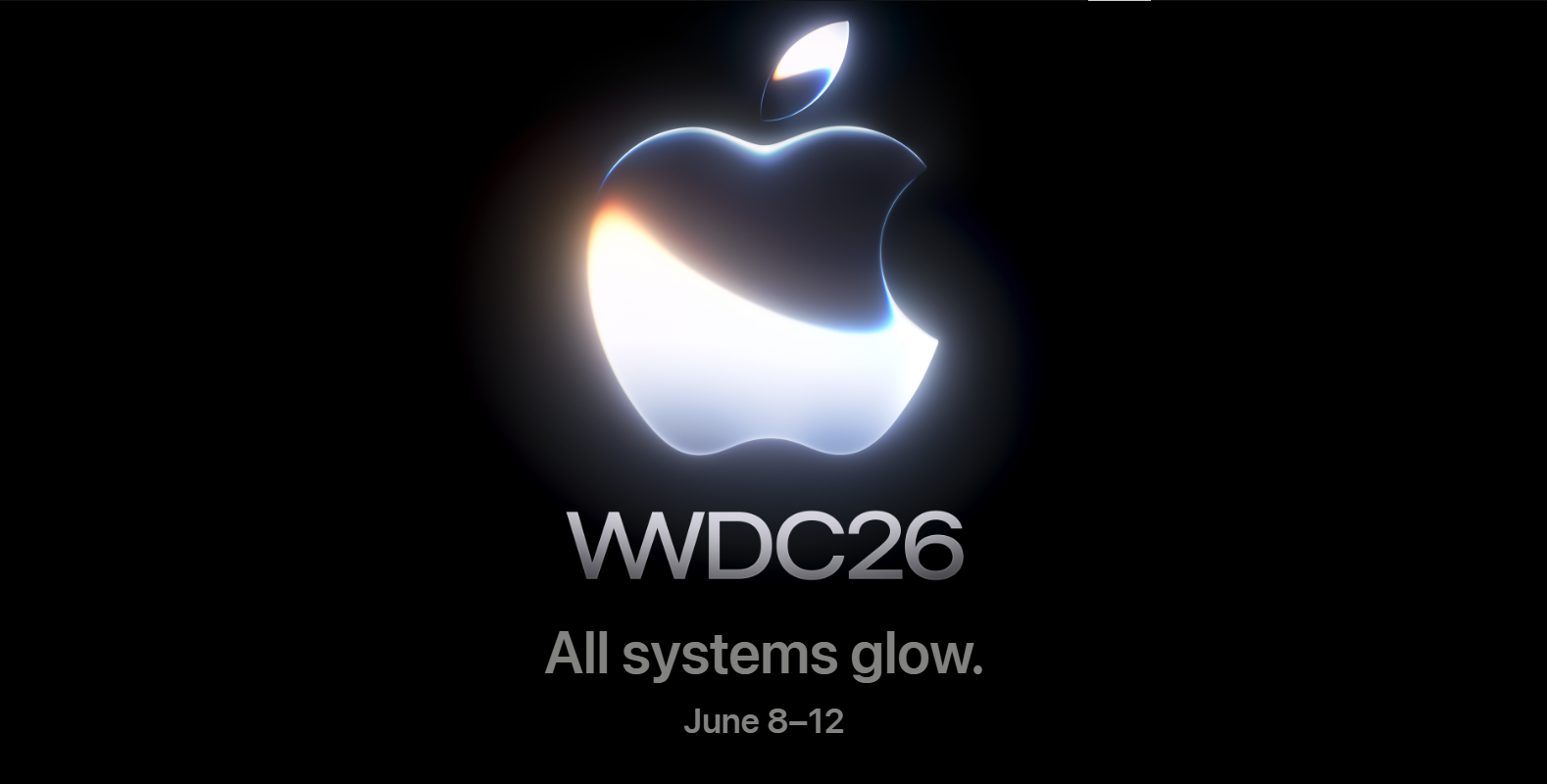
Apple is finally showing up. On June 8, WWDC 2026 kicks off in California. The keynote starts at 10:00 AM Pacific Time (1:00 AM Beijing Time on June 9). The tagline is “All systems glow“ — a pun about Siri’s rumored new glowing design.
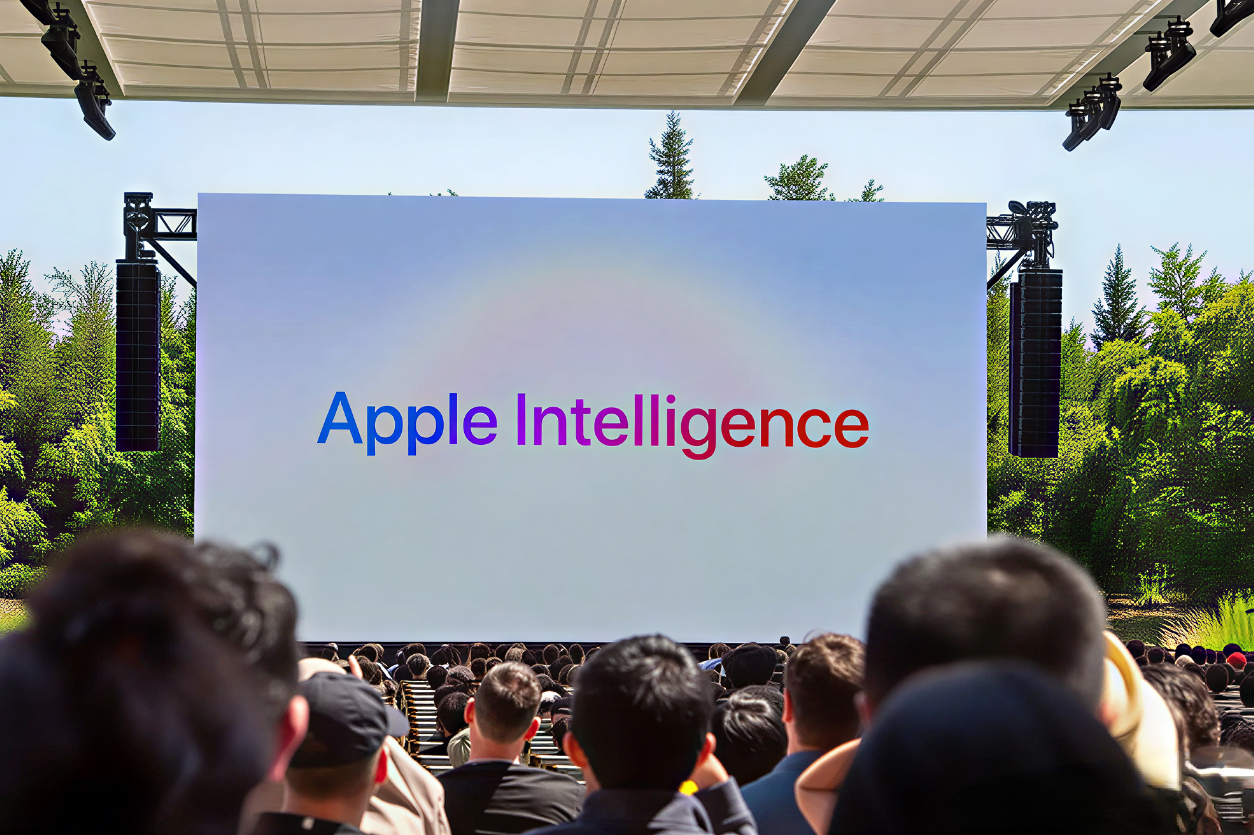
But this year's WWDC means more than just another OS update. For the past two years, Apple has been almost silent on AI. ChatGPT swept the world. Google launched Gemini. Microsoft shoved Copilot into every product. And Apple? Siri still feels like a 2016 product. It can set a timer. It cannot hold a conversation. This year, that changes.
A New Siri, Powered by Gemini
The main attraction is a brand new Siri. According to multiple reports, the new Siri will run on a custom version of Google‘s Gemini model — roughly 1.2 trillion parameters. Apple is reportedly paying Google about $1 billion per year. Siri will run on Apple’s private servers, keeping user data isolated from Google.
What does this mean in plain English? Siri can finally handle real back-and-forth conversations. You can ask “What time is my meeting today?” then “Summarize my emails” then “Send the summary to my team” — and Siri will understand the context, not treat each as an isolated command. If all goes well, this will be Apple's first real counterpunch after two years of AI silence. But here's a necessary disclaimer: none of the Google-Gemini details have been officially confirmed by Apple. On June 8, we‘ll know for sure.
Campos: The Internal Code Name
The new Siri’s internal code name is “Campos” — a small town in California, continuing Apple's tradition of using state names for codenames. Campos‘s core capabilities reportedly include multi-turn conversation, app intent understanding, personal context awareness, and on-device processing for most requests.
In other words, Siri is evolving from a voice command tool into an actual AI assistant. Google Assistant started this journey four years ago. Alexa started three years ago. ChatGPT redefined what an assistant could be two years ago. Apple is late. But it’s finally here.
Tim Cook‘s Final Act
There‘s no “if” about it this time. On April 20, 2026, Apple officially announced that Tim Cook will step down as CEO on September 1. He’ll become executive chairman of the board. His successor: John Ternus, Apple‘s head of hardware engineering.
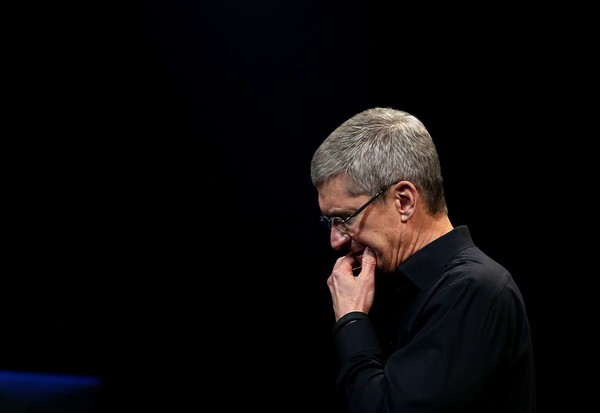
This means WWDC 2026 is Cook’s final keynote as CEO. He took over from Steve Jobs in 2011. In 15 years, he took Apple from a $350 billion market cap to $4 trillion. But AI is the last mountain he hasn‘t conquered. The success or failure of the new Siri could be the final chapter of his legacy. No pressure.
iOS 27 and Beyond
Beyond Siri, WWDC will bring iOS 27, macOS 27, watchOS 12, and more. iOS 27 is reportedly focused on stability and performance — rumored to be laying the groundwork for a foldable iPhone down the road. macOS 27 will continue the transition to Apple Silicon. The shift from Intel to Apple’s own chips is nearing completion.
What the Market Is Waiting For
Apple's stock is up more than 50% over the past year, trading at a P/E ratio around 37 times earnings. That premium is built on investor belief that Apple can turn its 2.5 billion active devices into AI-driven growth. Quick math: if just 10% of Apple users pay $5 per month for premium AI features, that‘s $15 billion in annual incremental revenue.
The question is: can Apple deliver? The new Siri is Apple’s first card on the table. If the June 8 demo disappoints, the stock could face pressure. If the demo wows, AI will reprice Apple — not as a hardware company, but as an AI platform.
The Countdown Begins
Six days until WWDC. Six days until Apple shows its AI hand. Whatever happens with Siri, one thing is certain: Apple is no longer sitting on the sidelines. It‘s finally stepping onto the field. And for Tim Cook, this is the last time he’ll do it from center stage.
P.S. If the new Siri just does what the old Siri could do — but with a shinier UI — Cupertino might have a very ugly Monday. And Tim Cook might leave with a very different kind of legacy.