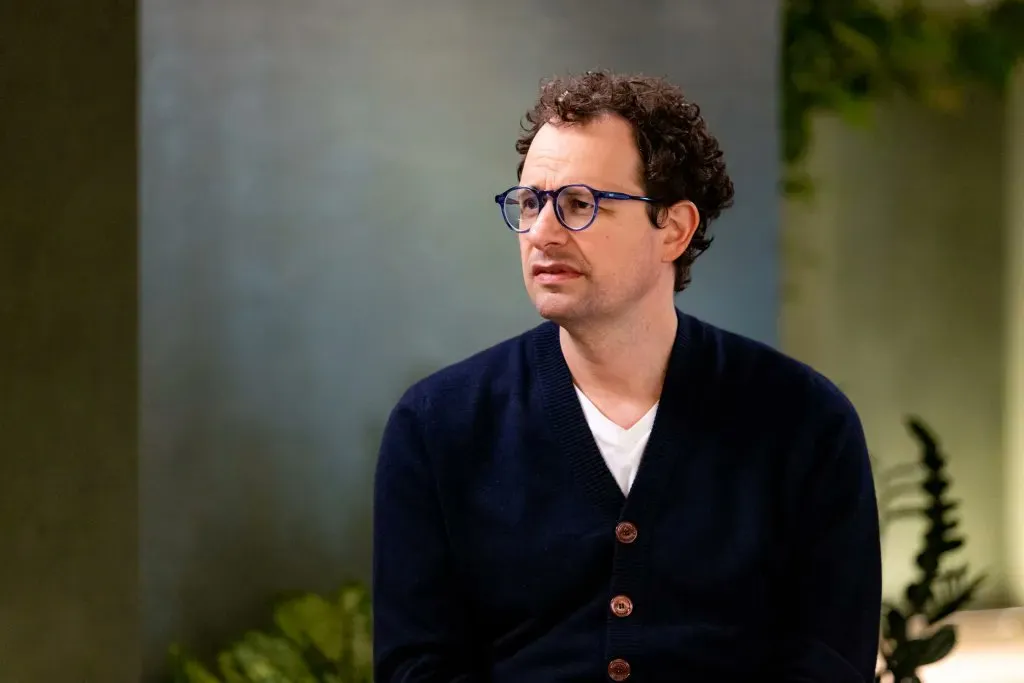
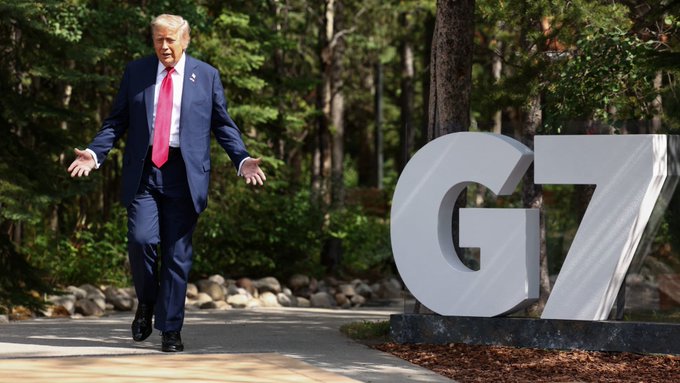
On June 17, at a closed-door G7 working lunch in Évian-les-Bains, the CEOs of the world‘s three most powerful AI companies sat across from world leaders. Dario Amodei of Anthropic, Sam Altman of OpenAI, and Demis Hassabis of Google DeepMind were there to discuss AI governance.
Amodei used the moment to make a direct plea. According to the Financial Times, he urged G7 leaders to “resist the temptation to splinter” on AI deployment. He said he understood efforts to keep AI out of hostile hands, but insisted that democratic nations should stand together rather than split apart.
Altman, Anthropic’s biggest rival, backed him. He called for an international forum to establish globally accepted testing standards and serve as a venue for cooperation among nations. Hassabis supported both. The three CEOs, who compete fiercely in the marketplace, stood on the same side of the table.
The Date That Makes This Awkward
The G7 lunch took place on June 17. Five days earlier, the same US government forced Anthropic to cut off non-US access to Fable 5 and Mythos 5 — including for its own foreign-born employees. The company took both models offline globally to comply.
Amodei‘s message to G7 leaders was: “Stay united, follow US leadership.” His company’s experience five days earlier was: “The US can shut you down without warning.” The gap between the speech and the reality was visible to everyone in the room.
The Two Reactions That Mattered
Emmanuel Macron was direct. He said the US directive was a“good thing” because it showed recognition that frontier AI models could be dangerous. But he also called it“strictly nationalist” and warned that if the US can“switch off access like a light switch,” it will eventually hurt the value of American AI companies themselves. He announced France would boost funding for its own AI industry as an insurance policy.
Narendra Modi expressed concern that democratic nations must have access to top AI models to protect critical infrastructure. Mark Carney said Canada agreed that the US could lead such a coalition.
Why This Matters
The meeting produced no binding commitments. But it exposed the central contradiction of the moment. AI companies want to sell their models globally. The US government wants to control where they go. And the allies who are supposed to be on the same side are realizing they can‘t fully trust either.
Macron’s“switch” metaphor captured it. If the US can cut off Anthropic — an American company with American models — it can cut off any other country too. The“US-led coalition” that Amodei proposed becomes a coalition where one member holds the only key.
Altman supporting Amodei was not altruism. It was self-preservation. If the US can do this to Anthropic, it can do it to OpenAI too.
The next AI supply chain won‘t be built by governments. It will be built by companies that figure out how to serve their customers without depending on a single switch.
P.S. The most telling detail in the entire G7 AI discussion wasn’t what Amodei said. It was what Macron said in response. A French president warning that American AI companies will lose value if they become unreliable suppliers. That‘s not a diplomatic signal. That’s a market signal. And markets tend to move faster than governments.