Geneva hosted two very different conversations about AI this week. One was about money. The other was about meaning. Both matter.
Anthropic's financials leaked through a SemiAnalysis report. Annual recurring revenue: $600 billion, up from $90 billion at the end of 2025. Third-quarter operating profit: over $10 billion. Gross margin: 60%+, up from -94% in 2024. API business gross margin: over 80%.
The AI industry has spent years answering the question: can these companies actually make money? Anthropic just answered it. Yes. And fast.
Seventy-five to eighty-five percent of its revenue comes from API usage, not subscriptions. Over 65% of ARR comes from coding scenarios. Claude Code now accounts for more than 7% of all GitHub commits. Customers don't just buy tokens — they buy productivity. And they keep buying. Net dollar retention is reportedly 500%. The same customers spent five times more a year later.
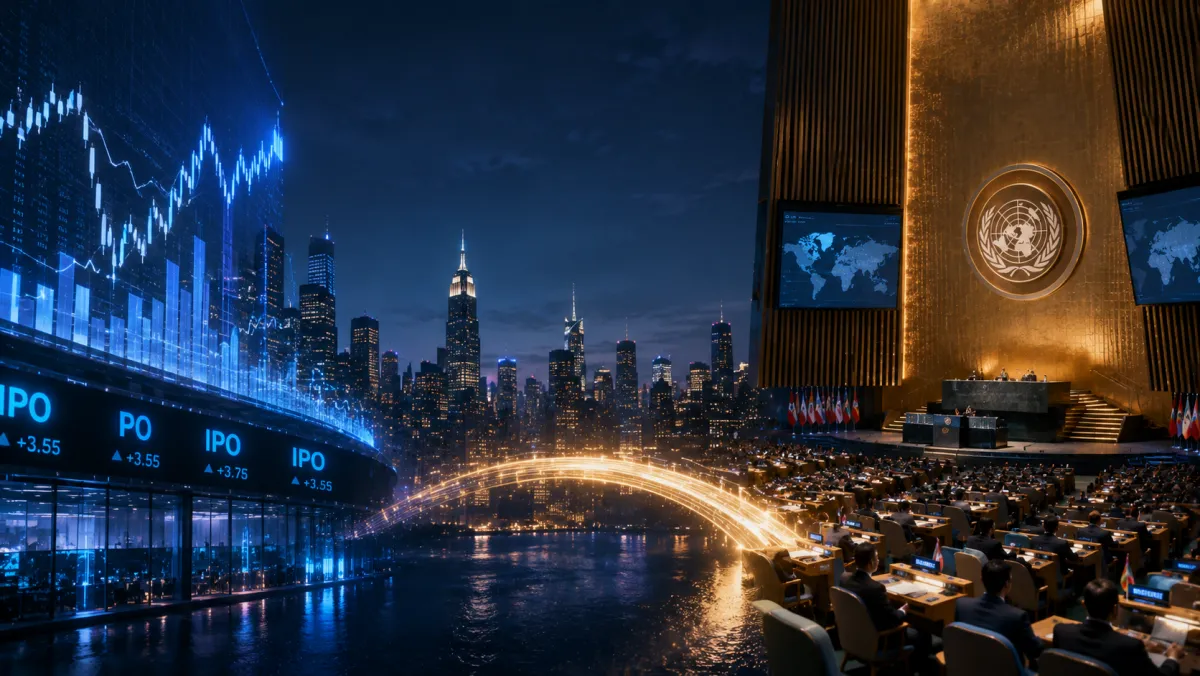
But here's where the math gets wild. SemiAnalysis estimates Anthropic could reach $6 trillion in market cap at IPO. That's not a typo. Six trillion dollars. It would surpass Nvidia.
The logic: 20x 2027 year-end ARR. If Anthropic hits $300 billion in ARR by then, with monthly net-new ARR at $150 billion, that's the number. The firm says this is a "highly achievable" assumption. Fable 5's release, new verticals like cybersecurity and biotech, and still-low penetration among Fortune 500 companies. Even in a conservative scenario — $200 billion ARR at 15x multiple — Anthropic is worth $3 trillion.
For context: OpenAI is still losing money. Second-quarter EBIT margin: roughly -100%. OpenAI's estimated ARR is $400 billion. But losing $1.22 for every dollar earned isn't a sustainable business model.
Anthropic is the first pure-play frontier model company to prove the model works. Not just revenue growth. Profit. At scale. And its IPO could set the valuation benchmark for every AI company that follows.
Meanwhile, across town, the AI for Good Global Summit wrapped up its fourth and final day. 170 countries. Over 12,000 attendees. Four days of sessions on health, agriculture, education, creative industries, and public policy.
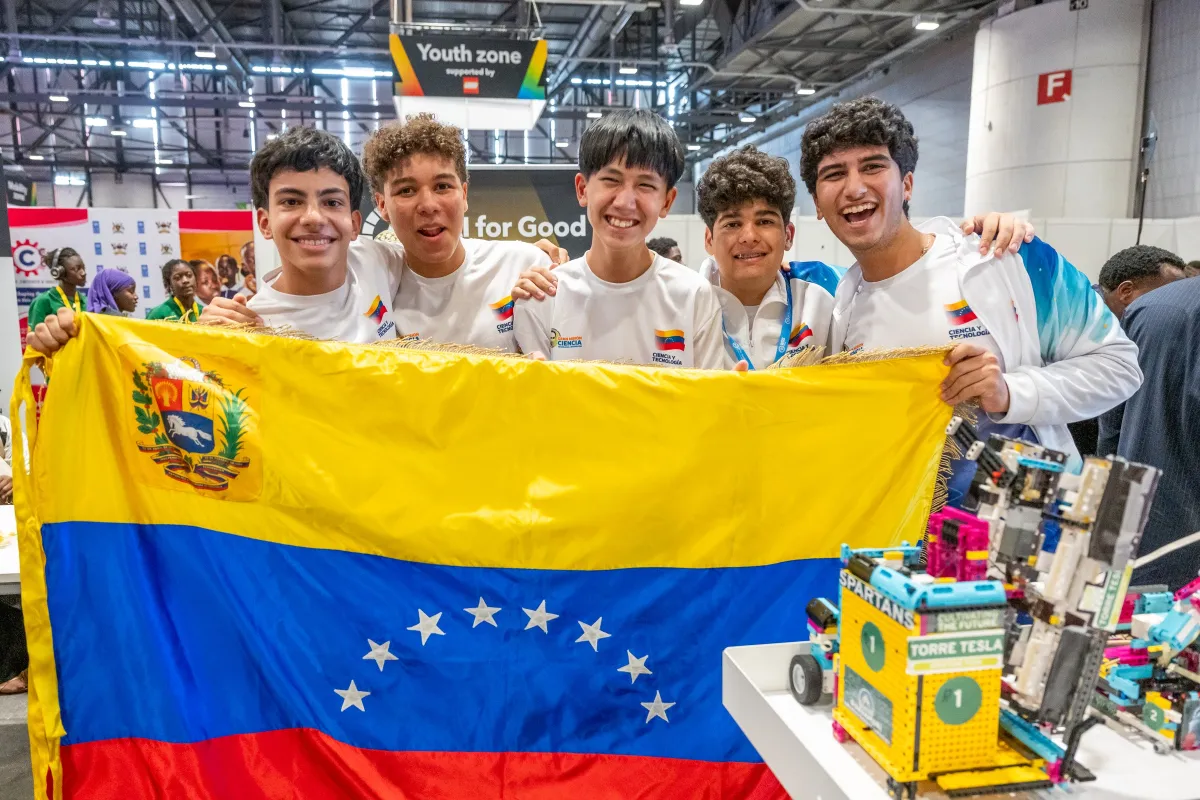
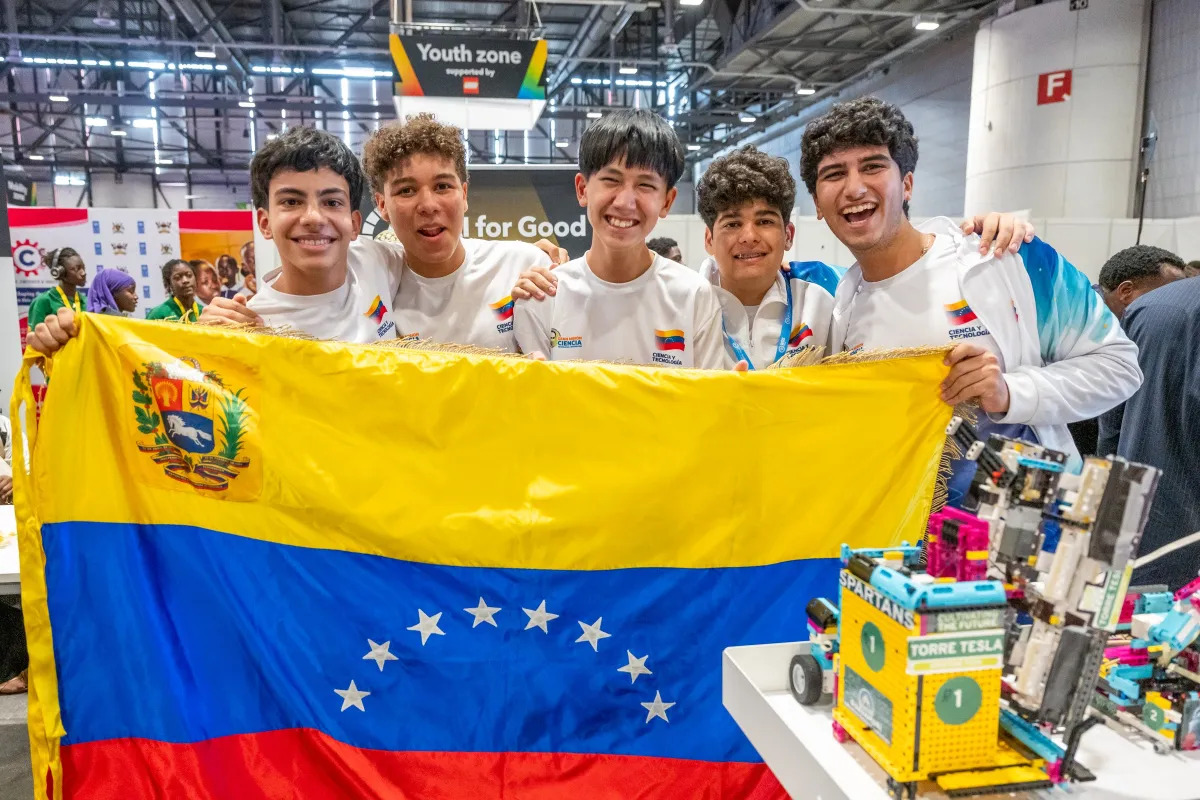
The headline: Venezuela won the Robotics for Good Youth Challenge in both junior and senior categories. Fifty countries. Food security theme. Kids aged 10 to 18 designing robots to solve real problems.
But the more telling moment was the Youth Zone's AI Safety Developer Challenge. Twenty young participants role-played as developers. Their job: establish safety principles for a new AI application, identify ethical risks, and align decisions with responsible-AI frameworks. The goal was to position them as "responsible architects" of AI's guardrails, not just consumers.
Ray Kurzweil delivered the closing keynote. will.i.am, the musician and ITU AI Skills Coalition goodwill ambassador, discussed AI and education with Arizona State University's president. Galaxy Corporation closed the summit with a human-robot collaborative K-Pop performance.
No model launches. No funding rounds. Just a bunch of people trying to figure out who gets to decide what AI should do.
Two conversations. One city. Same week. They're not the same conversation. But they're connected.
Anthropic is proving AI can generate enormous profits. AI for Good is proving the world hasn't agreed on what to do with them.
Anthropic's model is built by engineers in San Francisco. The summit's model is built by 170 countries, UN agencies, and teenagers from Venezuela. One is about efficiency. The other is about equity. One is about who builds the future. The other is about who gets to decide what the future looks like.
The question isn't which conversation is more important. It's whether they'll ever talk to each other.
P.S. If you're an investor watching Anthropic's IPO, the $6 trillion valuation isn't a prediction — it's a signal. If you're a policymaker who just spent four days in Geneva, the question is different: do you trust that same market to decide what AI does next?