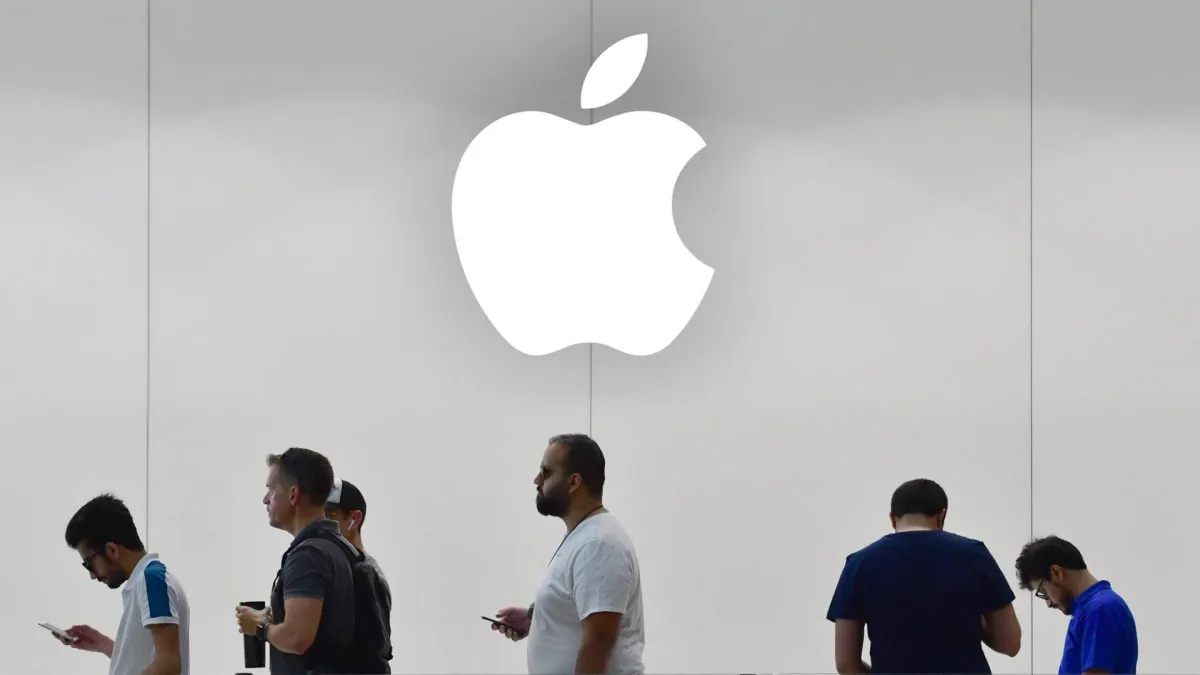
Apple sued OpenAI on Friday. The 41‑page complaint accuses the company of running a "coordinated pattern of misconduct at an institutional level" to steal hardware secrets. This is not a dispute between rivals. It's a war between former partners.
In 2024, Apple and OpenAI announced a deal to integrate ChatGPT into Apple products. The relationship soured quickly. By May 2026, Bloomberg reported OpenAI was considering its own legal action against Apple over insufficient promotion of its products. Now the relationship has moved from the boardroom to the courtroom. And the stakes are personal.
The two central figures are Tang Tan and Chang Liu. Tang Tan spent 24 years at Apple leading product design for the iPhone and Apple Watch. He's now OpenAI's chief hardware officer. Chang Liu spent eight years as a senior systems electrical engineer at Apple. He left for OpenAI in January.
The allegations against them are detailed and damning.
Tan allegedly used Apple's confidential project code names during OpenAI interviews. He asked candidates to bring "actual parts" from Apple — batteries, circuit boards, hardware components — for "show and tell" sessions with the OpenAI team. He emailed himself information about Apple suppliers before leaving. He coached Apple employees on how to leave the company without triggering security alarms.
Liu's conduct was even more direct. He took his Apple‑issued laptop when he left. He didn't return it. He didn't schedule an exit interview. He didn't sign the company's confidentiality reminder. Then, while working for OpenAI, he allegedly exploited a previously unknown authentication bug to access Apple's shared network folders using a former colleague's credentials. He downloaded "dozens of Apple's confidential hardware‑related files" — unreleased product details, engineering presentations, technical specifications.
When he realized he still had access, he texted a former colleague. "LOL."
But there's another name in this story. One that makes it even more complicated. Jony Ive.
Ive left Apple in 2019. He co‑founded io Products, a hardware startup, with Tang Tan and another Apple veteran. OpenAI acquired io Products last year for $6.5 billion. Tan joined OpenAI as part of that deal. Ive is not named as a defendant, but his company is at the center of the dispute.
The lawsuit alleges OpenAI has hired more than 400 former Apple employees. Apple says this is just "the tip of the iceberg" — it lacks visibility into what's been happening behind closed doors.
The complaint uses unusually harsh language. It claims OpenAI's hardware business "now rests on the shakiest of foundations, rotten to its core by its illegal reliance on misappropriated trade secrets." Apple is asking the court to block OpenAI from using its trade secrets, destroy any proprietary materials, and redesign upcoming products so they don't include Apple's technology.
OpenAI's response has been brief. The company said it has "no interest in other companies' trade secrets." But the case is still in its early stages.
The timing matters. OpenAI is reportedly preparing for a massive IPO in the coming months. Apple's lawsuit will likely delay that timeline. If the case proceeds, discovery will reveal just how deep the alleged misconduct goes. If Apple wins, OpenAI's hardware plans could be forced back to the drawing board.
The partnership that was supposed to bring OpenAI's AI to Apple's devices has now produced a lawsuit that threatens the future of OpenAI's hardware ambitions.
P.S. If you're following this story, the question you should be asking is: if Tan and Liu took this much from Apple, what did they take from their previous employers? And what's stopping them from taking OpenAI's secrets to the next company? Hardware expertise travels. Trust doesn't. And lawsuits have a way of exposing everything.