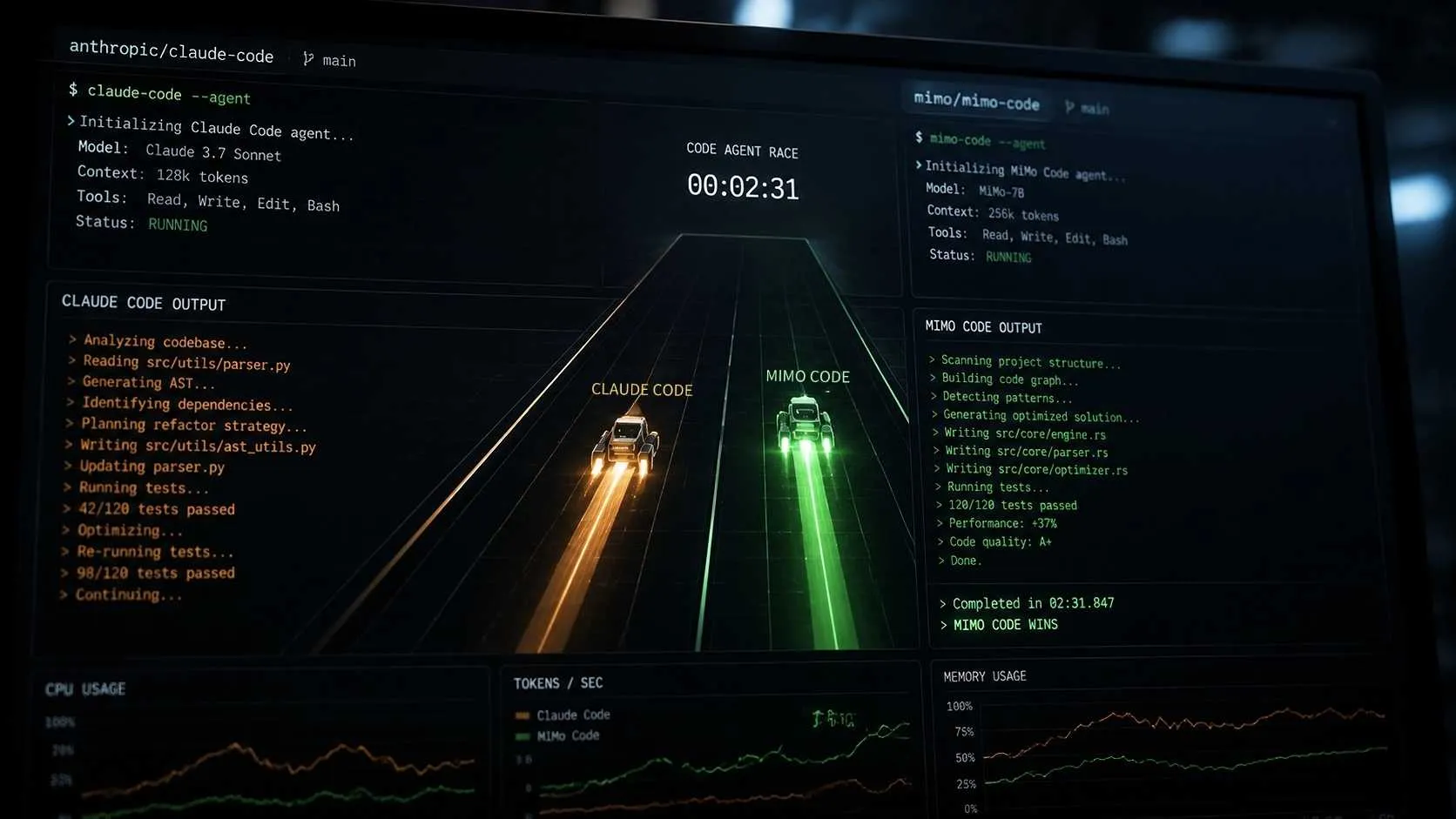
The 65% Stat
Let’s start with the number that matters.
MiMo Code was tested against Claude Code in a blind, head-to-head trial. Not on synthetic benchmarks. On real private repositories. With 576 real developers. Over 1,213 tasks.
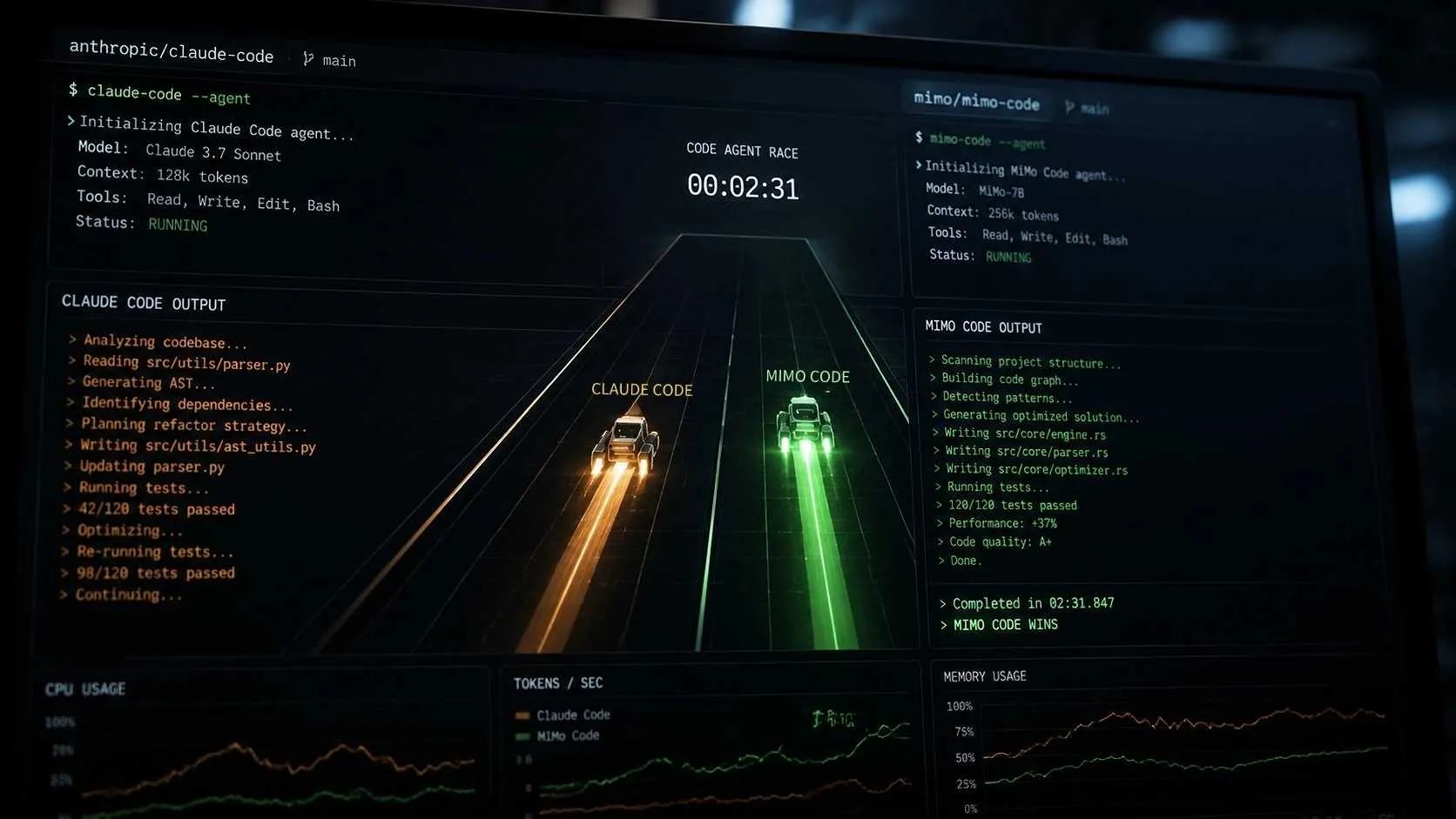
The result? When tasks required fewer than 200 steps, the two agents performed roughly the same. But when tasks stretched beyond 200 steps — the kind of complex, multi-file work that actually defines software development — MiMo Code won 65% of the time.
That‘s not a marginal improvement. That’s a meaningful gap. And it‘s the first time an open-source coding agent has publicly demonstrated a measurable advantage over Claude Code in real-world conditions.
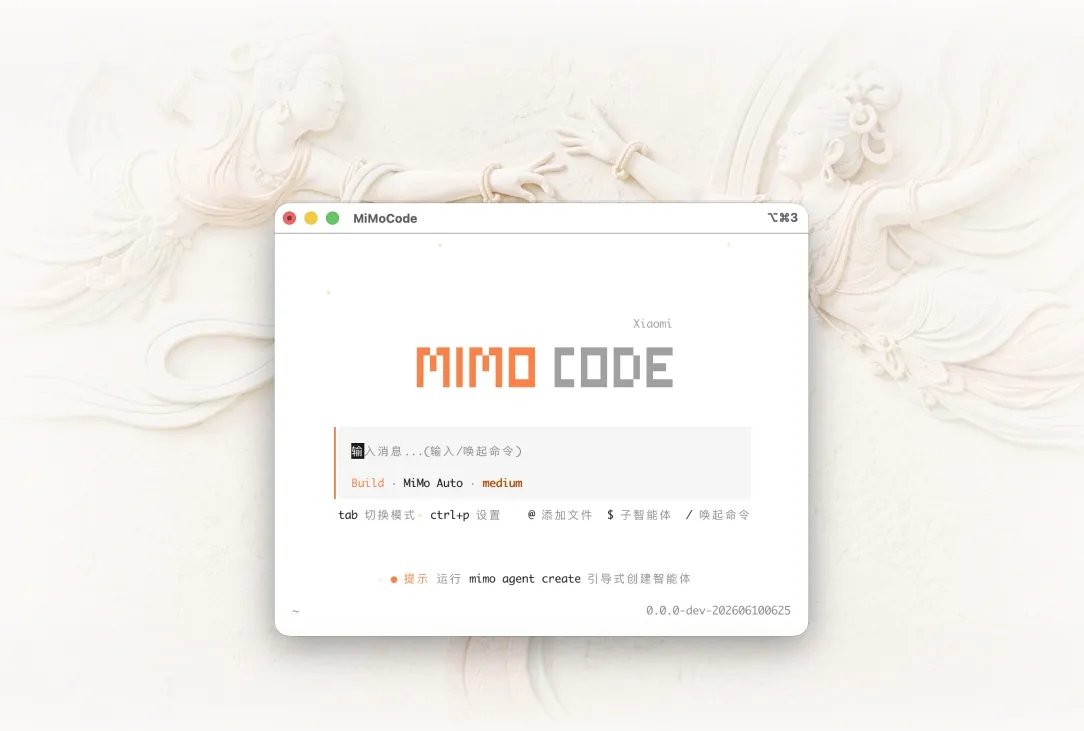
What MiMo Code Actually Is
MiMo Code is a terminal-based AI coding assistant released by Xiaomi’s MiMo team. It‘s a fork of OpenCode, MIT-licensed, and available right now.
It’s not a Claude Code clone. It‘s a different architectural approach. Where Claude Code excels at conversational, within-session coding, MiMo Code was built from the ground up for long-horizon tasks — the kind that take dozens or hundreds of turns, span multiple sessions, and require the agent to remember what it decided last week.
The GitHub repo went public on June 10. It already has over 600 stars. That number will grow.
The Memory Problem Claude Code Hasn’t Solved
Here‘s the dirty secret of AI coding agents. They‘re stateless. Every time you start a session, the model starts fresh. It doesn’t remember the architecture decision you made yesterday. It doesn‘t recall the bug you fixed last week. If you close the terminal, that knowledge is gone.
Claude Code works around this by keeping everything in context. That’s fine for short tasks. But as context grows, two things happen. The model‘s attention degrades — the well-documented “lost in the middle” problem. And you eventually hit the context window limit.
MiMo Code takes a different approach. It’s built around persistent memory.
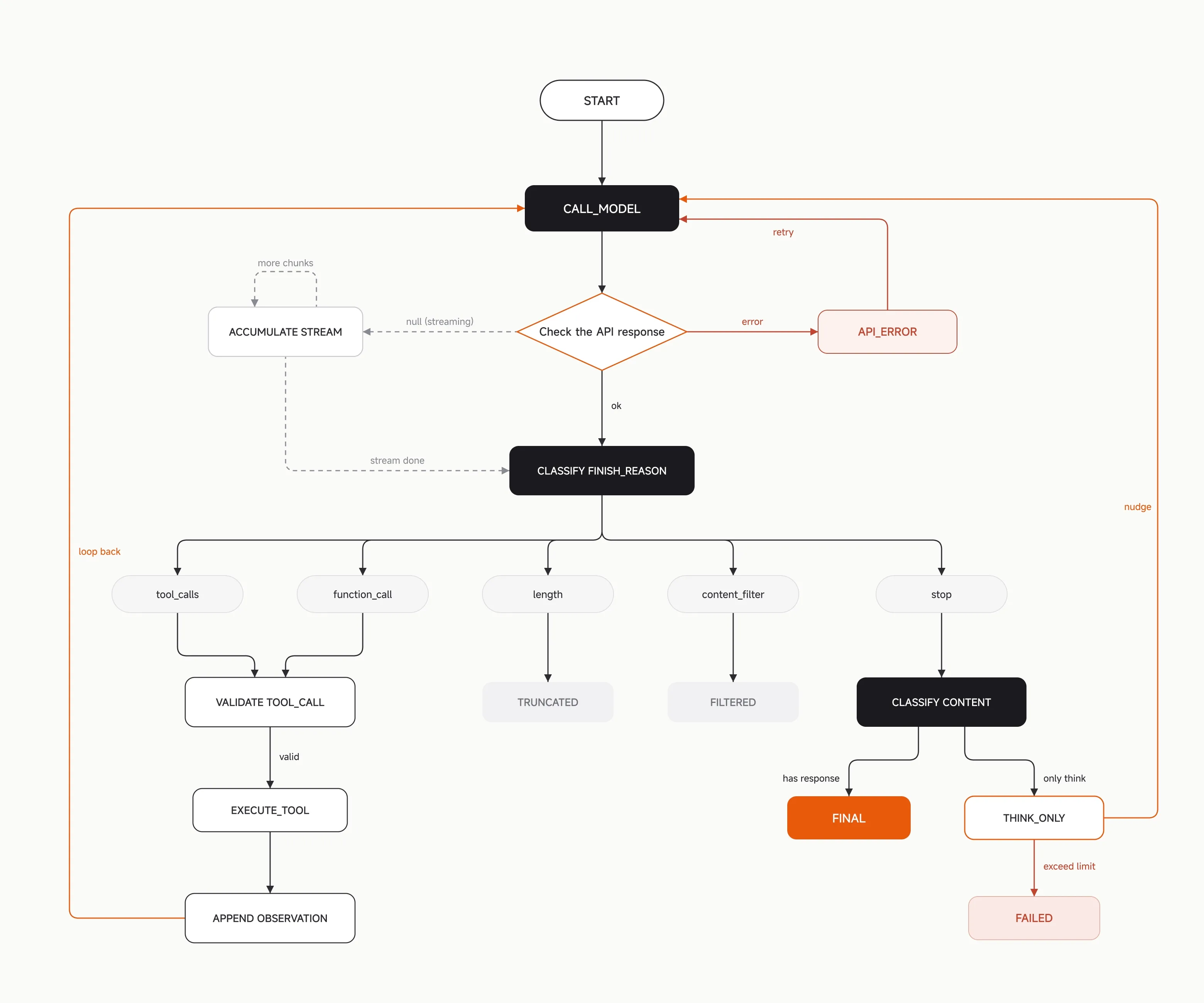
At 20%, 45%, and 70% of the context budget, an independent writer agent extracts a structured snapshot of the session — what‘s done, what’s left, what decisions were made — and writes it to disk. When the window fills up, the system rebuilds context from those snapshots. The agent wakes up knowing exactly where it left off.
The writer is a separate agent with its own token budget. The main agent never has to stop and summarize itself. That‘s the key insight: offload memory management to a dedicated process, don’t make the primary agent do two jobs at once.
Four Layers of Memory
MiMo Code‘s memory system has four levels, each with a different lifespan.
Session memory lives in checkpoint.md. It holds the current task, recent actions, and immediate context. This is rewritten every checkpoint. Project memory lives in MEMORY.md. When the writer sees the same fact appear across multiple sessions — “this project uses a specific auth pattern” or “this module has a known quirk” — it promotes that observation from session to project memory. Project memory persists indefinitely.
Global memory handles user preferences that apply across projects. And the full history lives in a SQLite database — every message, every tool call, stored raw. When the structured memory doesn‘t have an answer, the agent can query the raw history to find it.
The main agent has read access to all of this. Its only write access is a scratchpad called notes.md, where it can jot down observations. The writer reads that scratchpad at each checkpoint and routes the content to the right structured field.
The Evolution Mechanism: Dream and Distill
Memory is passive. Evolution is active.
MiMo Code runs two automated processes. Every seven days, dream scans recent sessions, extracts persistent knowledge, merges duplicates, removes outdated entries, and updates project memory. Every 30 days, distill looks for repeated manual workflows and packages them into reusable skills, custom agents, or CLI commands.
The agent doesn‘t just remember. It gets smarter the more you use it. That’s the kind of feature that sounds like marketing until you realize it‘s actually implemented in the code.
Max Mode, Goal, and Dynamic Workflow
Three other technical features worth calling out.
Max Mode runs five candidate plans in parallel for each step, then uses the same model as a judge to pick the best one. On SWE-Bench Pro, this improves success rates by 10-20 percent. The trade-off is 4-5x token consumption. You decide if it’s worth it.
Goal solves a different problem. When the agent tries to stop, an independent judge model reviews the entire conversation and decides whether the task is actually complete. No more “optimistic early termination” where the agent declares victory prematurely.
Dynamic Workflow turns orchestration logic from natural language into JavaScript code. The main agent generates a script that runs deterministically in a sandbox. Branches don‘t get forgotten. Loops don’t break early. Sub-agents run in parallel. This is compatible with Anthropic‘s Dynamic Workflow spec, with extensions for nested workflows and resumable execution.
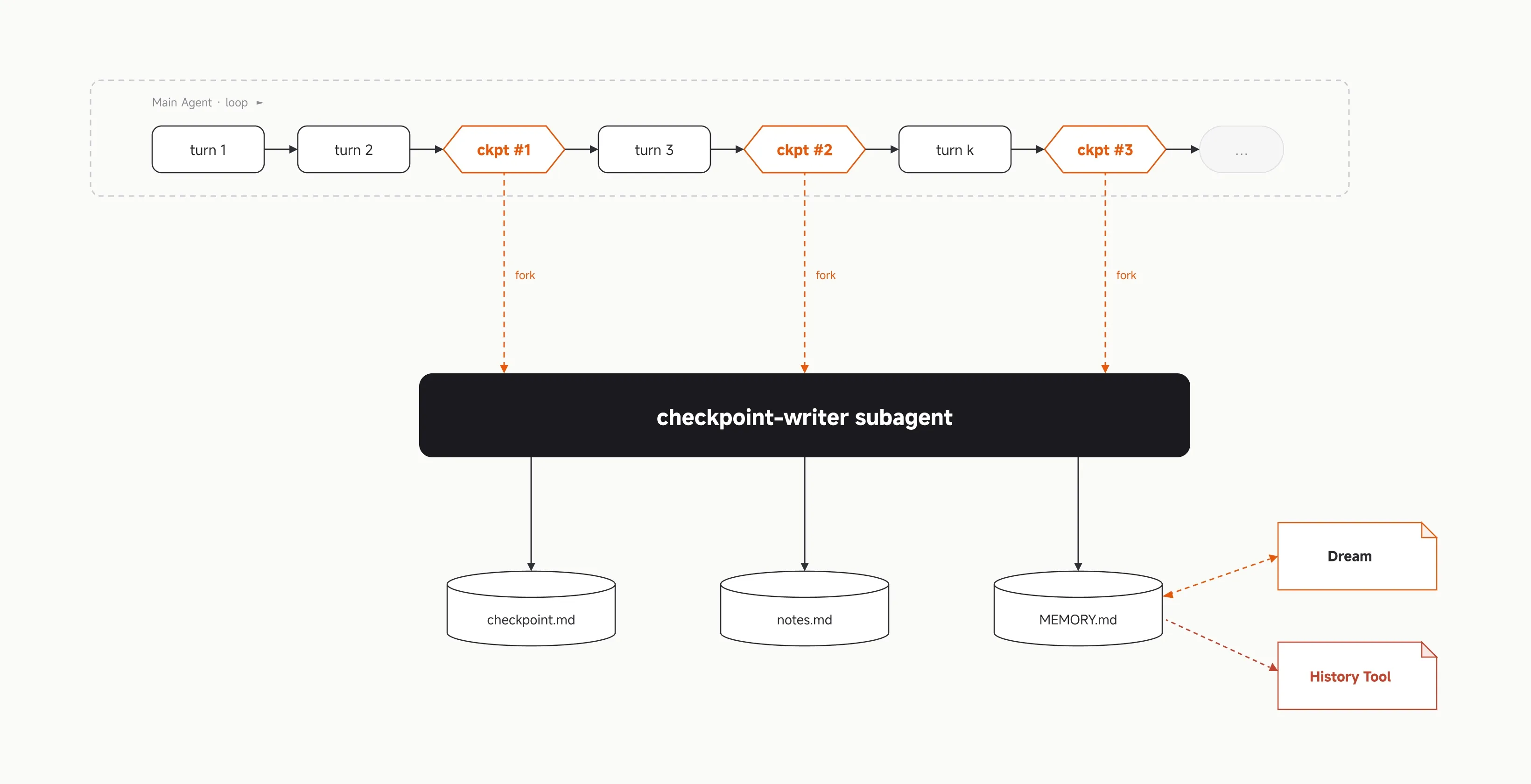
The Multi-Model Strategy
MiMo Code isn’t locked to Xiaomi‘s own model. It works with Anthropic, OpenAI, DeepSeek, Kimi, and GLM. You can import your Claude Code config and start using MiMo Code with the same API keys in minutes.
The MiMo Auto channel is free for a limited time, using Xiaomi’s MiMo-V2.5 model with a 1-million-token context window. That‘s a clever onboarding strategy. Try it for free. If you like it, you can switch to your preferred model or keep using Xiaomi’s.
This is the opposite of vendor lock-in. It‘s vendor optional.
What the Benchmarks Don’t Show
The offline numbers are solid. MiMo Code with MiMo-V2.5-Pro outperforms Claude Code with Claude Sonnet 4.6 on SWE-Bench Pro, SWE-Bench Verified, and Terminal-Bench 2.0.
But the real story is the blind test. Real developers. Real codebases. No cherry-picking. And a clear trend: the longer the task, the wider MiMo Code‘s advantage grows.
Below 200 steps, it’s a toss-up. Above 200 steps, MiMo Code wins nearly two-thirds of the time. That‘s not a fluke. That’s architecture.
What This Means for the AI Coding Market
Claude Code set the standard for terminal-based AI coding agents. It’s fast, capable, and well-designed. But it has a closed ecosystem and a stateless architecture.
MiMo Code is the first credible open alternative. It‘s not a copy. It’s a different design that solves a different set of problems — long tasks, cross-session memory, continuous improvement.
The 65 percent win rate on long-horizon tasks is the headline. But the real story is that the coding agent market is no longer a one-horse race. Open-source is catching up. And it‘s bringing features that the incumbent doesn’t have.
The code is on GitHub. The free tier is live. You know where to find it.
P.S. The MiMo Auto free tier won‘t last forever. Neither will Claude Code’s token pricing advantage. But right now, for the first time, there‘s a genuine choice. Install both. Run them side by side on your own messy, real-world project. The one that remembers what you did yesterday might surprise you.