
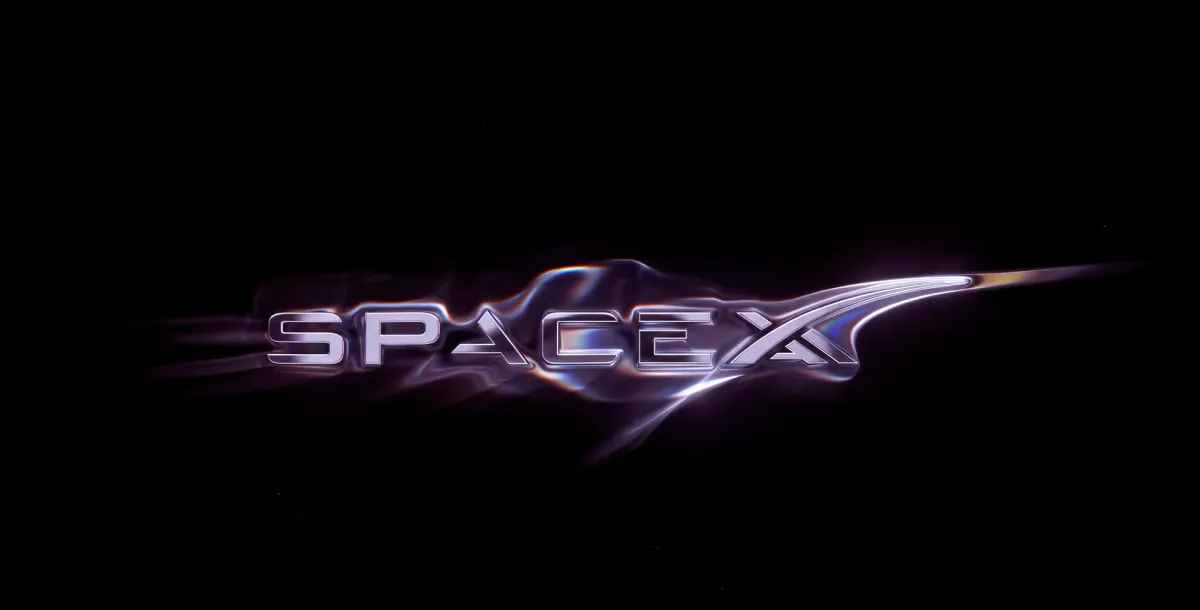
On July 6, xAI‘s account on X changed its name to SpaceXAI and posted a video of the xAI logo folding into a new SpaceXAI logo. The rebrand had been expected since May, when Musk announced that xAI would be dissolved as a separate company and folded into SpaceX. “xAI will no longer exist as a separate company,” he said at the time. “It will become SpaceXAI, the AI products from SpaceX.”
The timing is not random. The rebrand follows SpaceX’s record-breaking IPO in June, which raised $75 billion at a valuation of roughly $1.77 trillion. The company now trades on the Nasdaq under SPCX, and its public filings have already signaled a strategic pivot: SpaceX is no longer just a rocket company. It‘s an AI infrastructure company that happens to launch rockets.
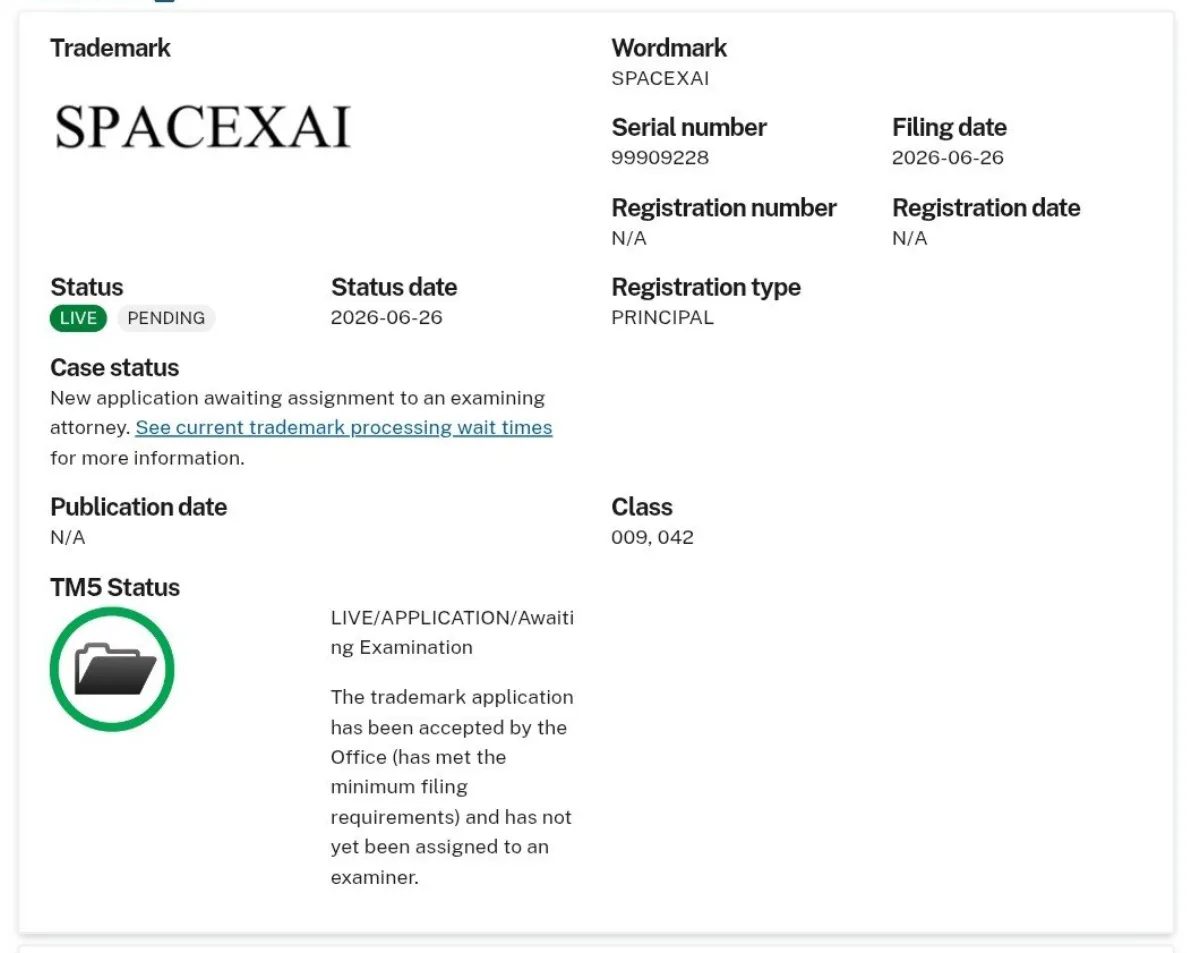
93% of the Addressable Market Is AI
SpaceX’s IPO prospectus revealed a number that should reframe how investors think about the company. The company claims a total addressable market of $28.5 trillion — of which $26.5 trillion is attributed to AI. Its traditional space business is valued at $370 billion, and Starlink at $1.6 trillion. AI is not just a side bet. It‘s 93% of the story.
The capital allocation confirms it. In 2025, SpaceX directed roughly 60% of its capital expenditures — about $20 billion — to its AI division. That’s more than three times what it spent on its space and connectivity segments, which include Starlink. The company‘s AI business is currently losing money — about $4.9 billion in 2025 on revenue of $18 billion — but the spending suggests SpaceX is willing to burn cash to build scale.
$2 Billion Per Month in Compute Rentals
The most immediate revenue from SpaceX’s AI division isn‘t coming from selling models. It’s coming from renting compute.
SpaceX has already signed two major AI infrastructure deals. Anthropic agreed to pay SpaceX $1.25 billion per month for access to compute at its Colossus data center in Memphis. Google is paying $920 million per month. Together, these two contracts generate more than $2 billion in monthly recurring revenue — before counting a single rocket launch.
The Colossus data center was originally built to support xAI‘s Grok chatbot. After xAI’s internal progress slowed — all 11 of the original co-founders left, and the team is being rebuilt from the ground up — SpaceX began monetizing its compute capacity externally. The company is now a “neocloud” provider: a data center infrastructure supplier for paying clients, rather than strictly developing its own AI models.
Orbital Data Centers by 2028
The longer-term play is even more ambitious. SpaceX plans to deploy orbital AI compute satellites as early as 2028. The idea is to put data centers in space, powered by solar panels, using radiation cooling to replace water or air cooling systems required by ground data centers.
The company has already filed applications to launch up to 1 million satellites in orbit for this purpose. The strategic rationale is straightforward: compute demand is growing faster than ground-based data centers can expand, and orbital deployment sidesteps some of the physical constraints — power, cooling, land — that limit terrestrial AI infrastructure.
The IPO prospectus explicitly ties Musk‘s compensation to this goal. His share grant includes a performance condition tied to creating space-based data centers capable of delivering “100 terawatts of compute per year.” That’s not a vague aspiration. It‘s a contractual obligation.
P.S. The name is gone. The infrastructure isn’t. Musk isn‘t trying to beat Anthropic anymore. He’s trying to bill them. And he‘s already making more money from renting GPUs than from launching rockets. That’s not a pivot. That‘s a new business.