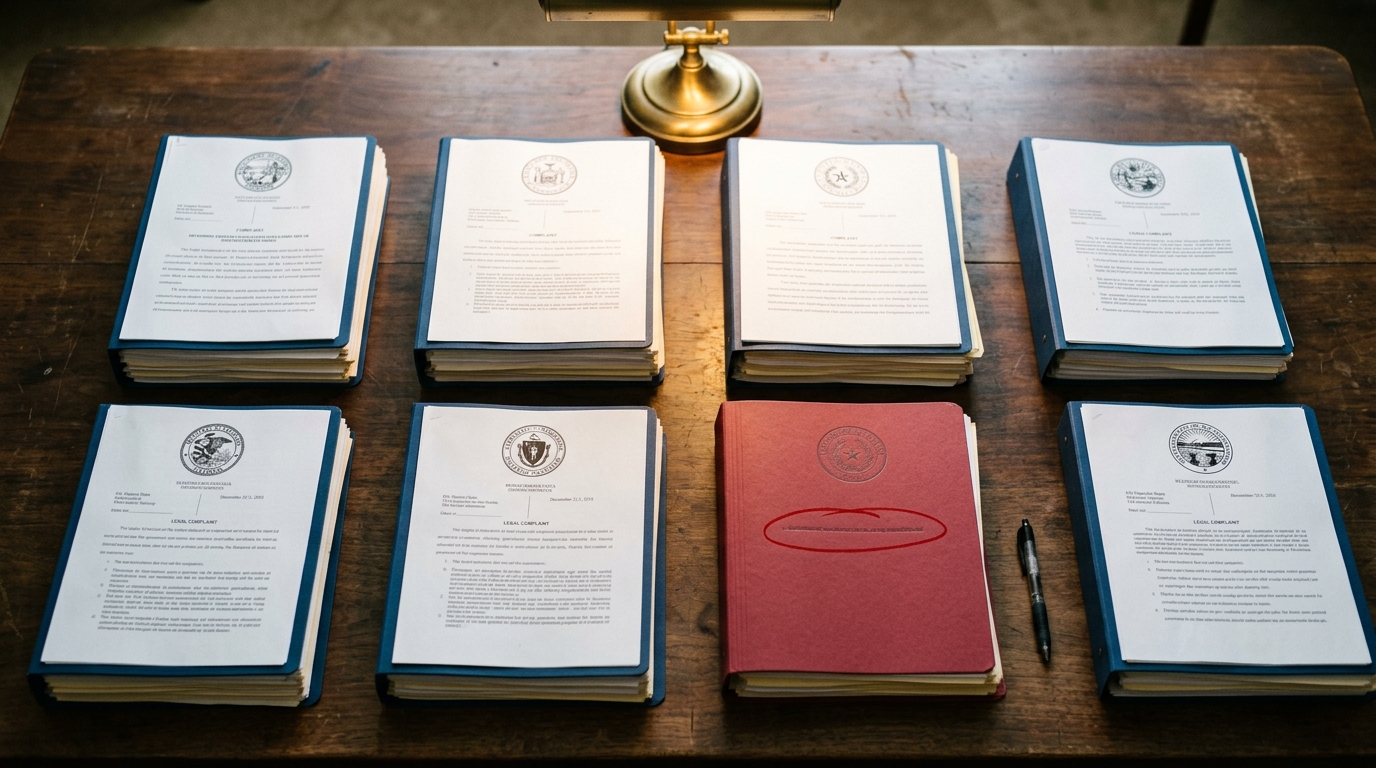
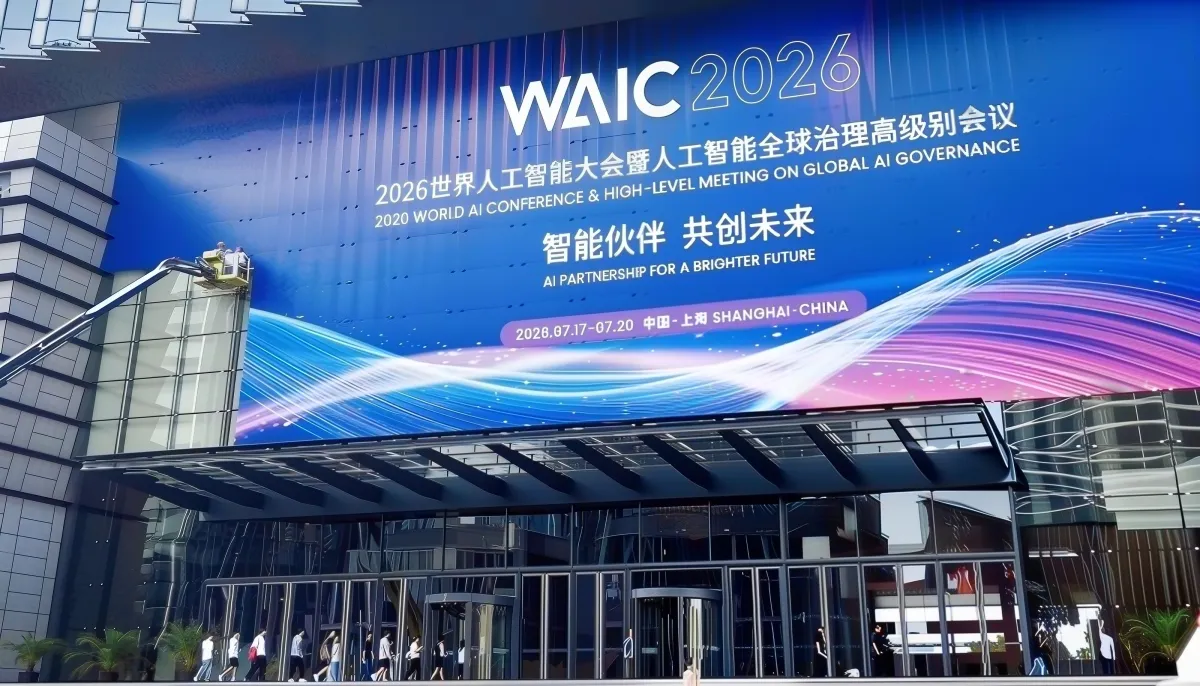
The World Artificial Intelligence Conference opened in Shanghai today. It is the largest in its nine-year history. 1,100 exhibitors. 100,000 square meters of exhibition space. 300-plus products making their global debut.
Huawei showed its Atlas 950 SuperPoD for the first time. It scales to 1,024 NPU cards in a single pod, with 256TB of shared memory and a unified address space that makes the whole system behave like a single computer. The hardware is real. It is shipping. It is designed to run Chinese AI models on Chinese chips.
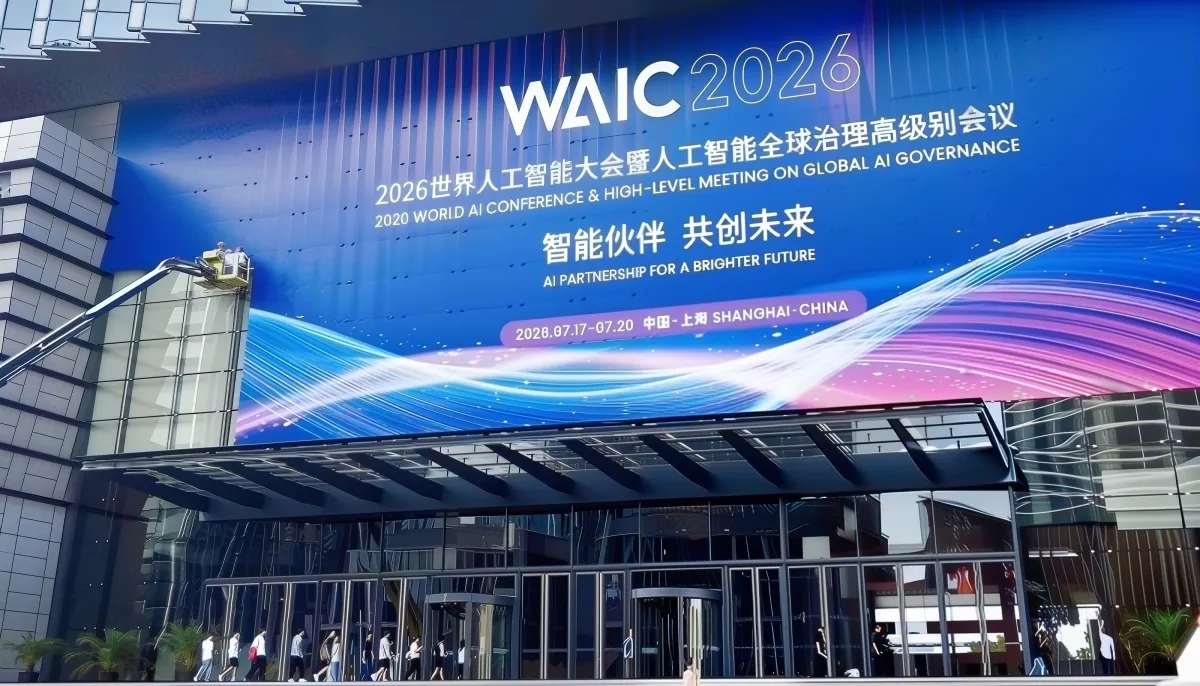
But the hardware is not the news. The news happened the day before.
On July 16, 29 countries signed the agreement establishing the World Artificial Intelligence Cooperation Organization in Shanghai. The signatories include Kazakhstan, Pakistan, Russia, Indonesia, Brazil, Cuba, Venezuela, Belarus, Serbia, and 10 African nations. The organization is an independent intergovernmental body. Its headquarters will be in Shanghai. Its stated purpose is to promote international cooperation on AI governance and ensure AI develops in a "beneficial, safe, and fair" direction. United Nations Secretary-General António Guterres attended the signing ceremony.
This is a deliberate move. The US and EU have been building their own AI governance frameworks. The G7 recently agreed on standards for frontier AI models. The UN has been pushing its own inclusive process. Now there is a third table — and it is in Shanghai.
The organization's founding members are not random. They are a mix of Global South countries, Eurasian powers, and states that have been reluctant to fully align with either US or EU AI frameworks. The message is clear: if you are not comfortable with the rules being written in Washington or Brussels, there is now another option.
China Daily published an op-ed by a former Argentine ambassador to China making the argument explicitly: "Countries that participate in shaping AI's governance today will help define the political and economic architecture of tomorrow." He also noted that "initiatives such as the WAIC and the WAICO offer an opportunity for the Global South to contribute proactively."
The counterpart to this governance move is the hardware. Huawei's Atlas 950 SuperPoD is not a research prototype. It is a production system with 1024 cards, 256TB of shared memory, and a proprietary interconnect protocol that Huawei has opened to other vendors. The hardware is designed to be independent of US supply chains. The governance body is designed to be independent of US-led frameworks. They are the same strategy, expressed in different materials.
There is a second headline today. It is not about WAIC. It is about the gap between governance talk and governance reality. The cURL project, an open-source tool used by billions, announced it is shutting down its bug bounty program because it is being overwhelmed by AI-generated "garbage reports." Project founder Daniel Stenberg said he received 7 reports in 16 hours — none of which were actual security vulnerabilities. In a different context, he noted the confirmation rate for vulnerability reports dropped from about 15% to under 5% after 2025, and he estimated about 20% of submissions are now AI-generated.
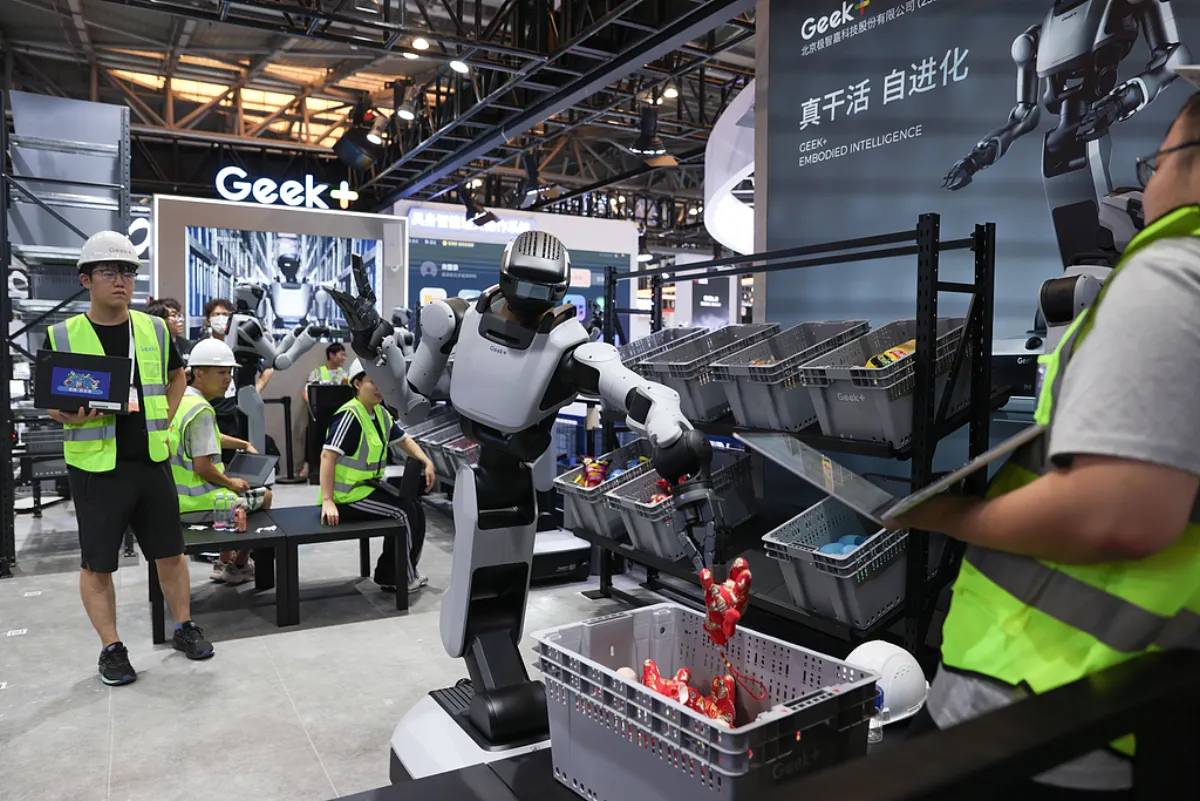
Stenberg said one of the reports was: "If a user opens a terminal and puts this very specific URL in there, it might write a file and potentially produce malicious code. But the user has to actively copy and paste it and then execute it." He called it "expensive noise."
On one side of Shanghai, 29 countries are signing a treaty to govern AI for the benefit of humanity. On the other side of the internet, an open-source maintainer is drowning in AI-generated reports from people who did not bother to verify what they were submitting.
The challenge is not just who writes the rules. It is whether the rules can keep up with what people are actually doing with the technology.
P.S. If you are tracking AI governance, the new organization is worth watching — not because it will change how models are built tomorrow, but because it offers a third option for countries that don't want to choose between Washington and Brussels. Whether it actually coordinates governance or just adds another voice to the noise is an open question — and if cURL's experience is any guide, the noise is already deafening.