On August 2, the EU will begin enforcing the transparency rules of its AI Act. Chatbots must tell users they are AI. Deepfakes must be labeled. Machine-readable markings must be embedded in AI-generated content. The fines are real: up to 3% of global annual turnover for non-compliance.
On July 16, 29 countries signed the agreement establishing the World Artificial Intelligence Cooperation Organization (WAICO), an independent intergovernmental body headquartered in Shanghai. The signatories include Kazakhstan, Pakistan, Russia, Indonesia, and Brazil. The organization's stated purpose: "promoting international cooperation and global governance on AI, ensuring that AI is beneficial, safe and fair."
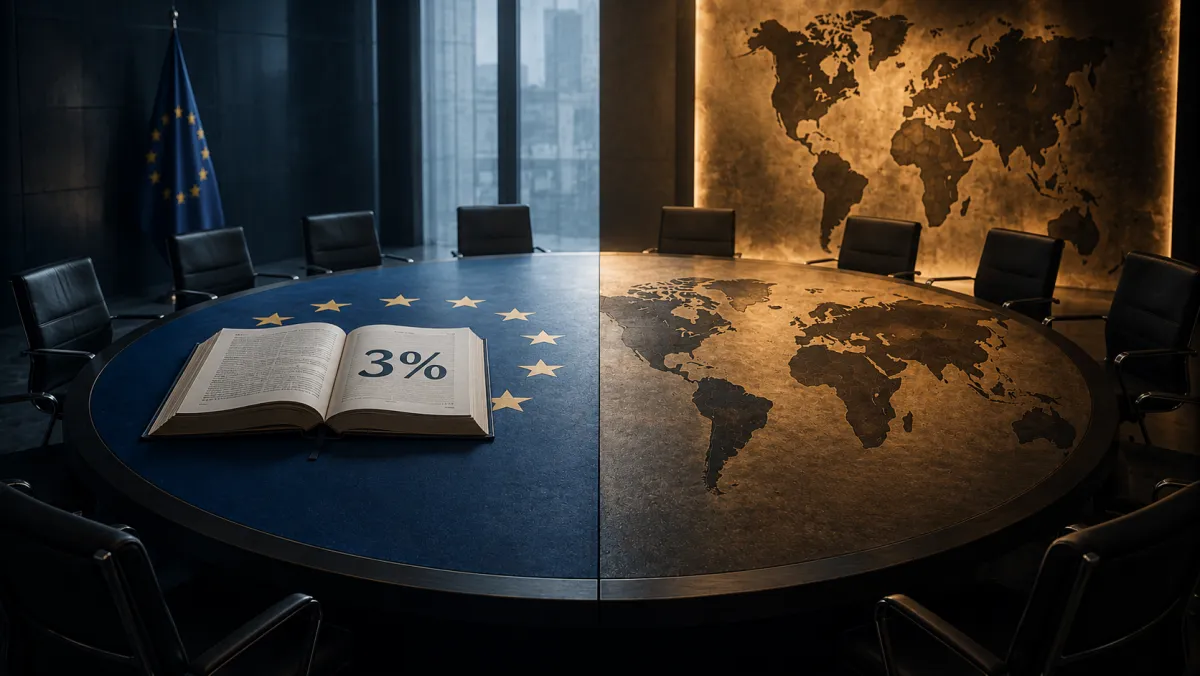
Two events. One week. Two entirely different theories of AI governance. The EU is building a wall. China is building a table.
3% of Revenue and 180 Signatories
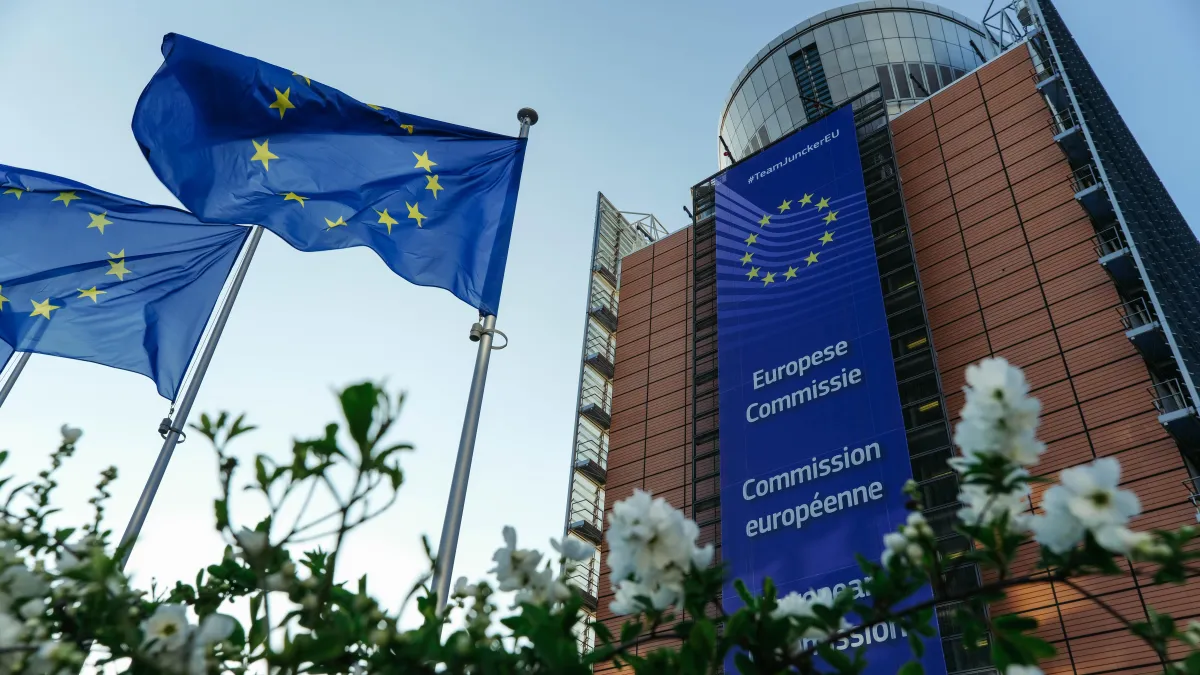
The EU's AI Act is the first comprehensive horizontal regulation of AI in the world. It uses a risk-based framework: prohibited practices, high-risk systems, and transparency obligations. The new rules coming into force on August 2 represent the first real enforcement wave.
For companies, this means compliance costs. Chatbots and AI assistants must now carry a clear notice at first contact. Deepfakes must be visibly labeled. Machine-readable markings must allow detection of AI-generated content.
But the EU's strategy goes beyond law. It published a Code of Practice on Transparency of AI-Generated Content on July 31, with over 180 organizations signing on. The code is voluntary, but it provides a clear compliance path—one the Commission explicitly signals will be viewed favorably by regulators.
The EU knows its market size is its leverage. Companies that want access to 450 million consumers will adopt its rules. And by moving first and defining the standard, the EU is positioning its rules to become the global baseline.
29 Countries and a Seat at the Table
China's theory of governance is different. Instead of setting rules that bind companies, China is building an institution that binds countries.
WAICO is the first intergovernmental AI organization ever created. It operates independently of the UN and other existing frameworks. Its founding members are mostly Global South countries—nations that have felt excluded from AI governance discussions dominated by the US and Europe.
The pitch is explicit: "enhancing the representation and voice of developing countries in global AI governance." China is not telling companies how to build AI. It is telling countries that there is an alternative seat at the table.
Pakistan, for example, signed as a founding member and said it would use its membership to advance AI cooperation from the perspective of the Global South. Belarus called WAICO an opportunity to shape the international agenda and implement joint international projects. Indonesia joined because it sees WAICO as a platform to promote equitable access to AI.
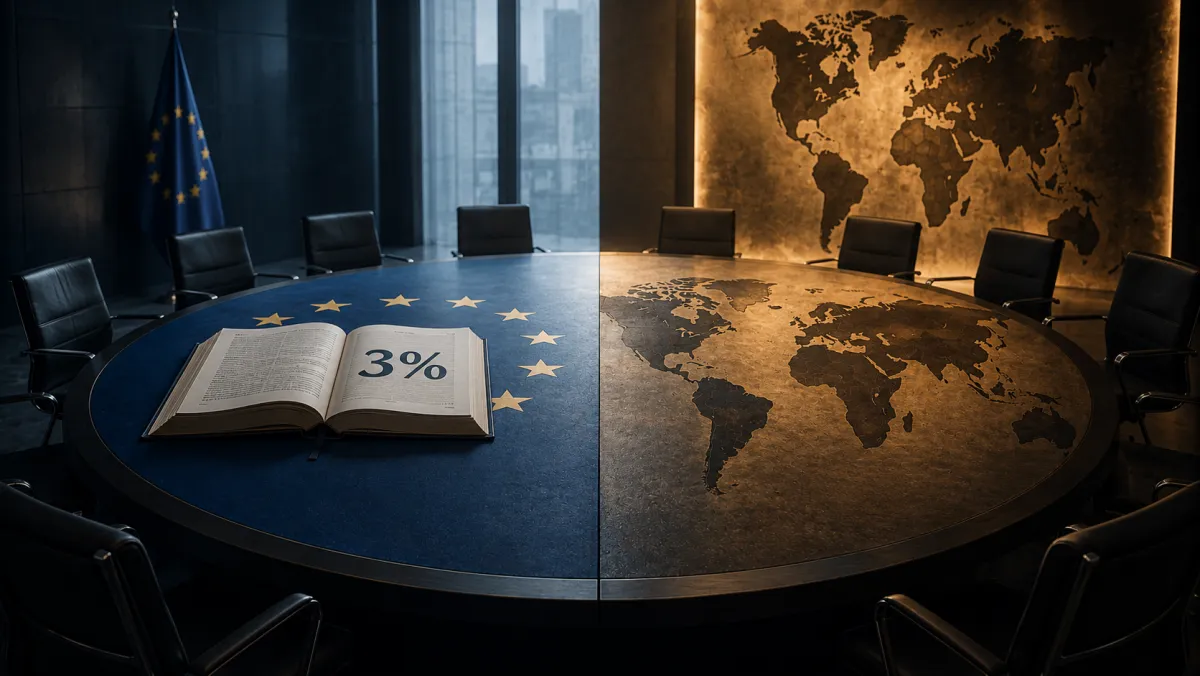
Compliance vs. Voice — The Trade-Off No One Is Talking About
The week of July 16-31 showed the two paths operating in parallel. China pulled countries into an organization. The EU enforced rules on companies. But the two paths share a common goal: influence over how AI is governed globally. The EU wants its rules to become the template; China wants its institution to become the forum. Both are betting that the side that defines the structure will define the outcomes.
For companies, the choice is not binary. They will comply with EU rules and pay attention to WAICO's evolving standards. But the divergence means two distinct compliance regimes are emerging—one based on obligations, the other on participation.
For the Global South, WAICO offers something Brussels does not: a voice. But voice without enforcement is not the same as power. WAICO's success will depend on whether it can translate its member count into actual standard-setting authority, and whether the US and Europe will eventually engage or dismiss it as another Chinese-led initiative.
P.S. The EU's AI Act took effect in 2024 and is now being enforced. WAICO was signed in July 2026 and is now being built. The timeline tells the story: one regulates what exists, one shapes what comes next. The question is not which approach is better—it's which one will matter more in the long run.
Frequently Asked Questions
Q: What are the new EU AI rules taking effect on August 2?
A:Starting August 2, 2026, the EU's AI Act transparency rules go into effect. Chatbots must tell users they are interacting with AI, not a human. AI-generated deepfakes must be labeled, and AI-generated content must include machine-readable markings to make detection easier. The goal is to reduce deception and manipulation while giving businesses a clear compliance path.
Q: What are the penalties for non-compliance?
A:Fines can reach up to 3% of a company's global annual turnover, or €15 million, whichever is higher. The rules apply to any AI model provider placing products in the EU market, regardless of where the company is headquartered.
Q: What is WAICO and who are its founding members?
A:The World Artificial Intelligence Cooperation Organization (WAICO) is a new intergovernmental AI body headquartered in Shanghai. It was launched on July 16, 2026, with 29 founding members. Founding members include China, Kazakhstan, Pakistan, Russia, Indonesia, Brazil, Malaysia, Cambodia, Laos, Myanmar, and 10 African nations. The UN Secretary-General attended the signing ceremony.
Q: How is WAICO different from the EU's AI Act?
A:The EU is building a regulatory wall—rules that bind companies with financial penalties. WAICO is building a table—an institution that binds countries through cooperation. The EU approach is about compliance; the WAICO approach is about participation. WAICO aims to "enhance the representation and voice of developing countries in global AI governance".
Q: Do the new EU rules apply to companies outside Europe?
A:Yes. The EU AI Act has extraterritorial reach. Any company placing GPAI models in the EU market must comply, regardless of where the company is headquartered. This means Chinese companies deploying models like DeepSeek in Europe must meet EU transparency requirements.
Q: What is the Code of Practice on Transparency?
A:The EU published a Code of Practice on July 31, with over 180 organizations signing on. It is voluntary but provides a clear compliance path that regulators will view favorably. The code covers labeling AI-generated content, ensuring machine-readable markings, and informing users when they are interacting with AI.