
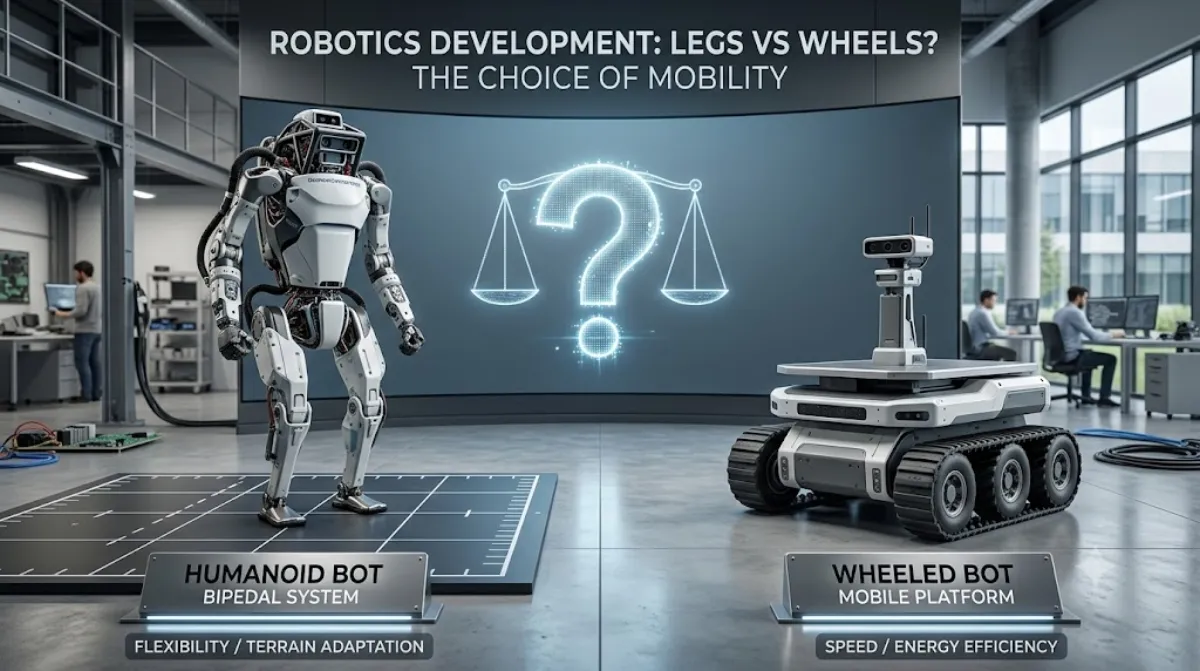
“There‘s a reason why humans fly airplanes and drive cars,” said Ajay Agarwal, a partner at Bain Capital Ventures and an early investor in Kiva Systems. “Wheels and wings are far more efficient than walking.” His view is not a fringe opinion.
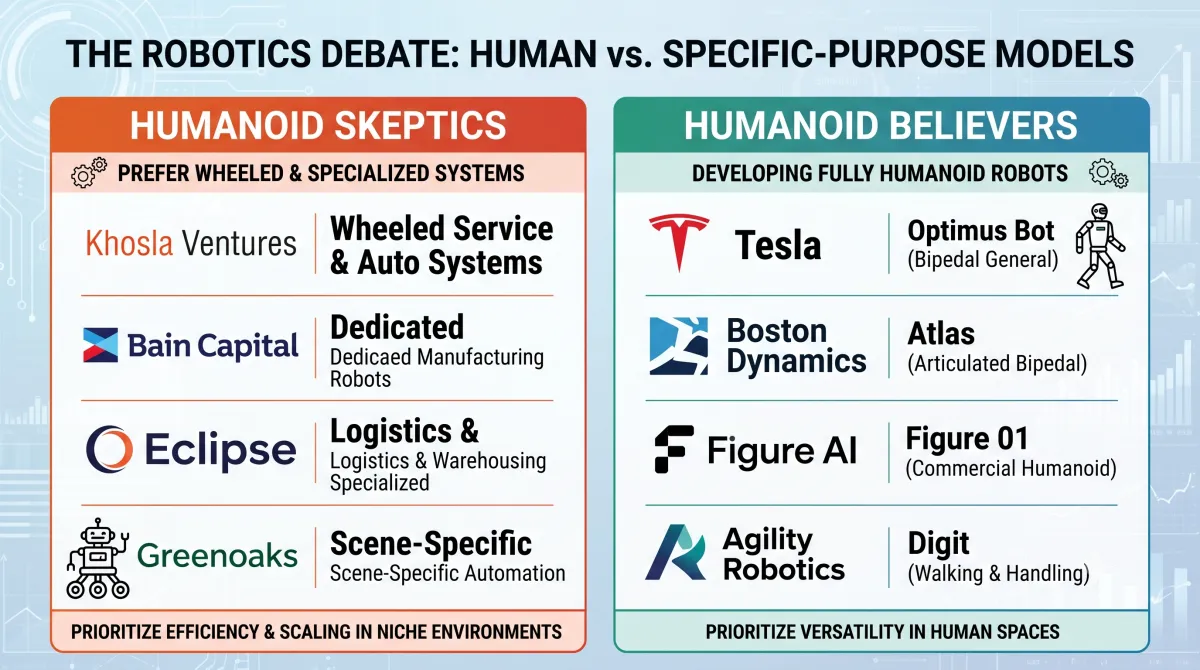
A group of prominent investors have coalesced around what some are calling the “humanoid fallacy.” Khosla Ventures and former Google CEO Eric Schmidt have backed Genesis AI, a company building a wheeled general-purpose robot with no head and no legs. Bain Capital and Conviction have invested in Sunday Robotics, a wheeled home robot. Greenoaks has backed The Bot Company, a wheeled domestic robot founded by a former Cruise CEO. Eclipse Ventures, a firm that has backed dozens of robotics companies, has invested in precisely zero humanoid startups.
Eclipse partner and former Rivian executive Jiten Behl put it bluntly: “Most factory operations don’t require walking or standing functions at all. A truly sophisticated approach starts by defining the use case first, then matching it with the right form factor.”
The World Was Built for Humans, Not for Robots
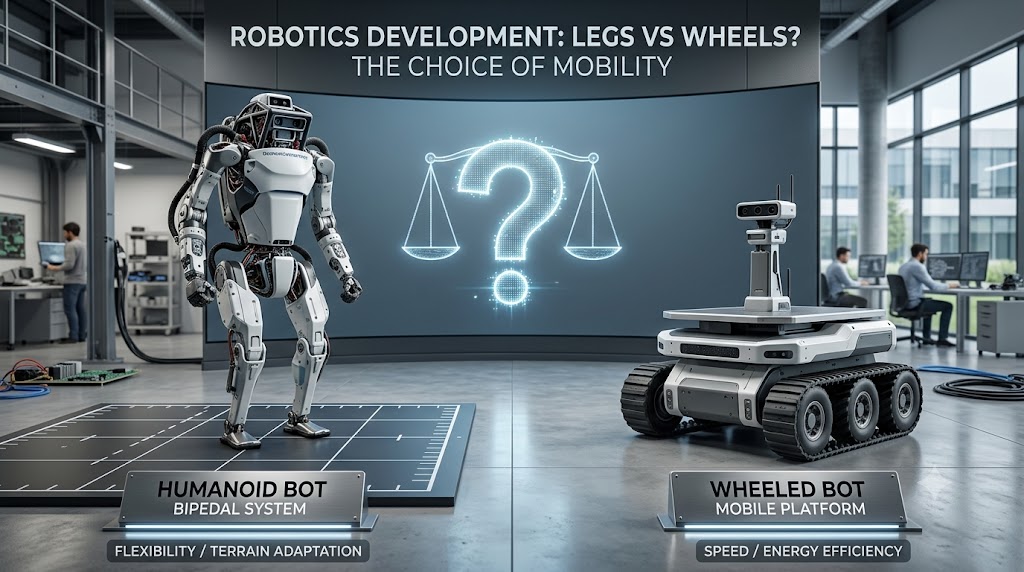
The opposing view is equally clear. The world was built for humans. It has stairs, narrow doorways, and tools designed for hands. A humanoid robot doesn‘t need the world to be redesigned. It can step into the world as it is.
Boston Dynamics is pushing Atlas toward factory deployment. Hyundai plans to put Atlas on its production lines by 2028. Agility Robotics’ Digit is already working in Amazon and Toyota facilities. Figure AI, valued at $39 billion, is deploying humanoids in logistics centers this year.
The investment thesis is straightforward: not because robots “look human,” but because the built environment is human-centric. Bipedal robots can climb stairs. Wheeled robots cannot. In factories, some shelving gaps are too narrow for wheeled chassis. Two legs give access where wheels don‘t fit.
China Is Mass-Producing Humanoids. Silicon Valley Is Asking Why.
The humanoid debate mirrors a deeper strategic divergence. Chinese companies are racing to mass-produce humanoids. Unitree Robotics, a Chinese player, is preparing for an IPO at a valuation of up to $7 billion, and it sells both bipedal and wheeled-legged robots. Its wheeled-legged robot can skate, perform backflips, and navigate stairs. The company’s product philosophy: humanoids are the most versatile form, but wheels can be added or removed as needed.
Meanwhile, U.S. venture capital is hedging across both categories. U.S. tech investment in robotics is diversifying, with funds flowing into companies building specialized, non-humanoid machines for specific tasks.
P.S. Oregon State University robotics professor and Agility Robotics co-founder Jonathan Hurst offered a balanced view. He expects specialized automation to vastly outnumber humanoids — but still sees a future where hundreds of millions, even billions, of humanoid robots are deployed. The debate isn‘t about which side is right. It’s about which side has the better timeline. A Creandum investor watched a humanoid demo and summed up the skeptics‘ frustration: “This robot put a plate in the dishwasher slower than my grandmother.” The question isn’t whether humanoids will work. It‘s whether they’ll work in time to justify the investment. No one knows the answer yet. But the bets are already being placed.