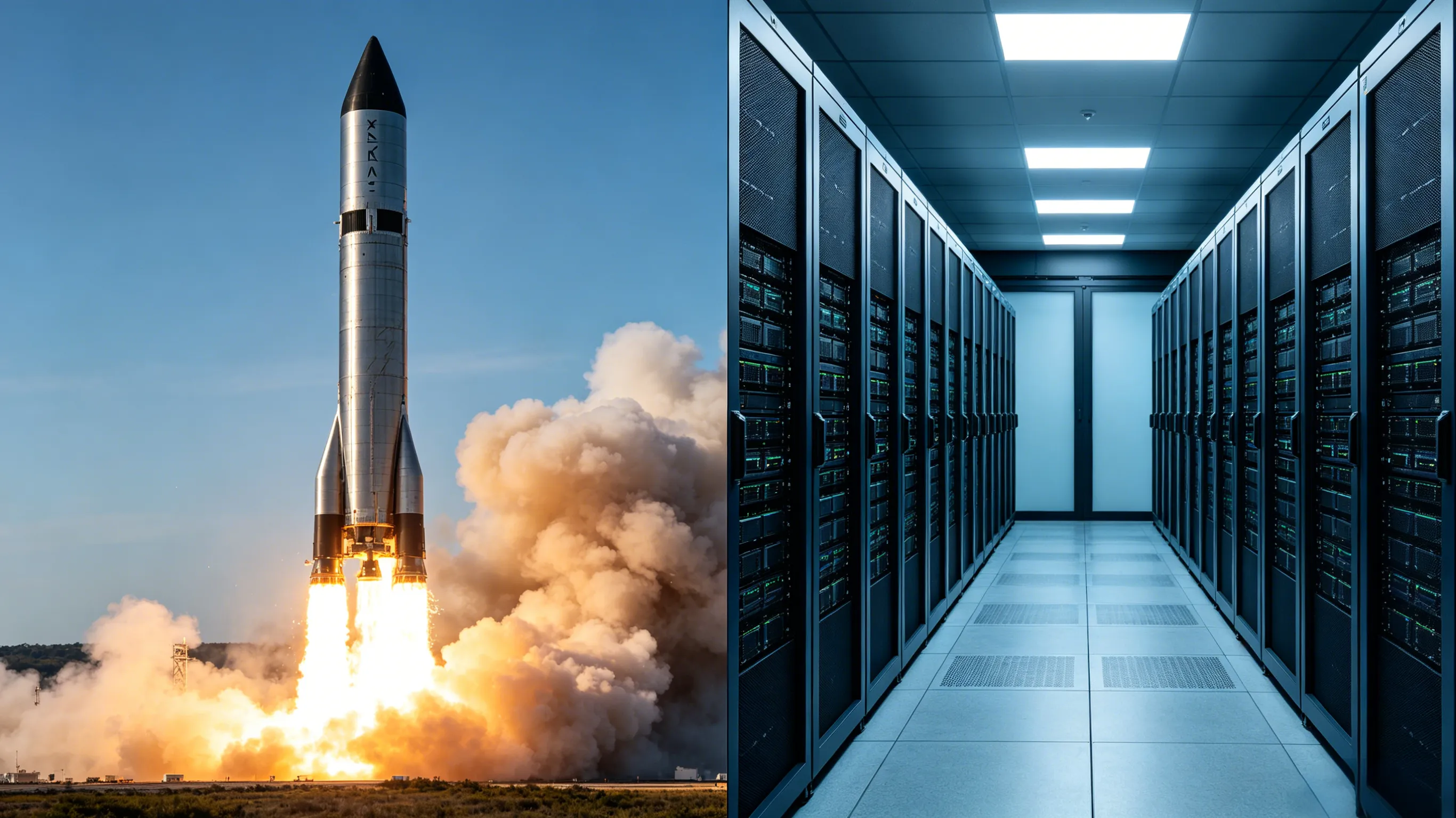
SpaceX has signed another AI compute agreement. This time, the customer is Reflection AI, an open-source AI lab valued at roughly $250 billion.
Reflection will pay SpaceX $150 million per month starting July 1, 2026, through 2029, for access to NVIDIA GB300 chips at SpaceX‘s Colossus 2 data center in Memphis, Tennessee. If the agreement runs its full term, total payments will reach approximately $63 billion.
The contract includes a flexible exit clause: after the first three months, either party can terminate with 90 days’ notice.
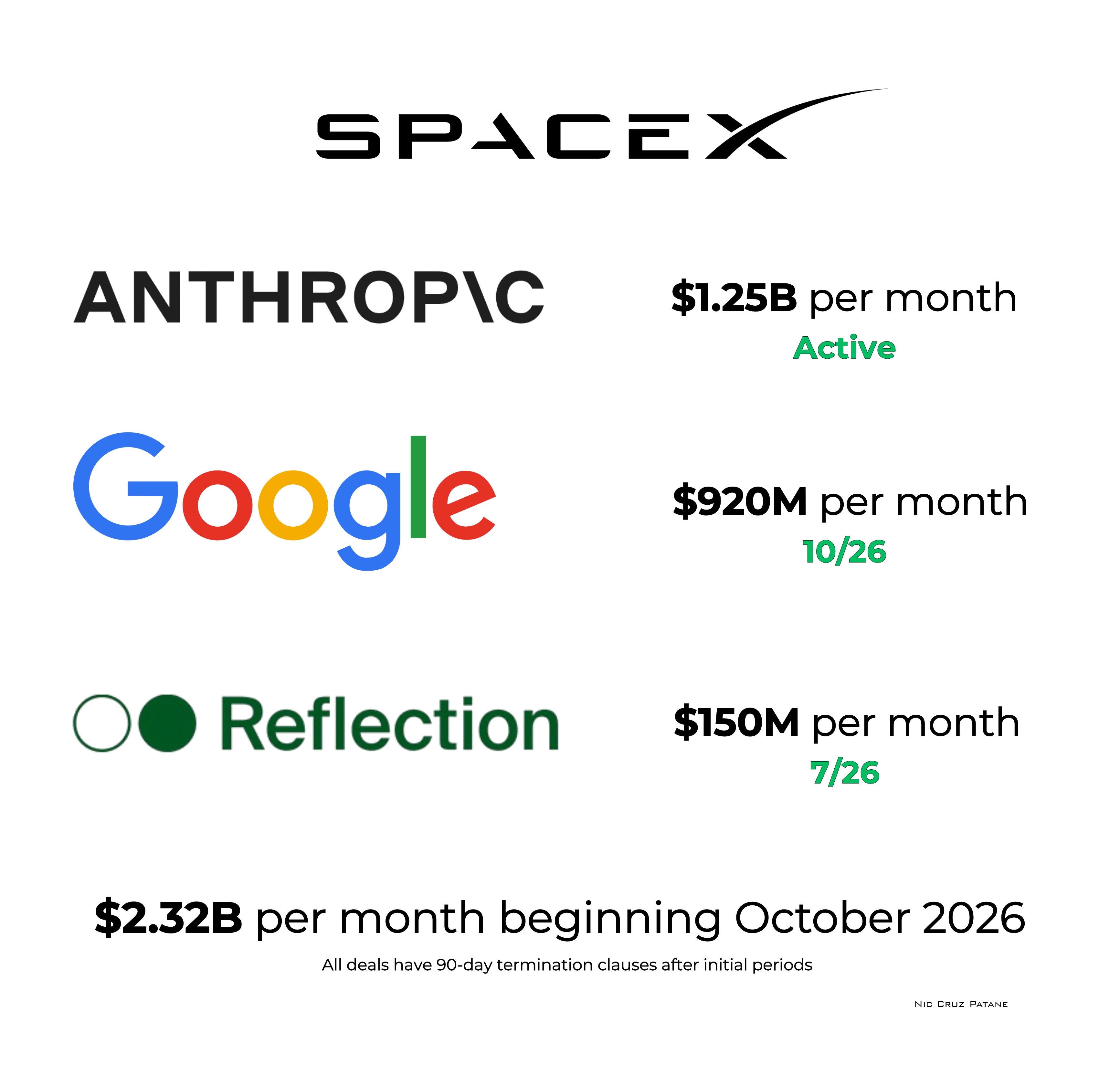
This is SpaceX‘s third major external AI compute deal. Anthropic pays $1.25 billion per month and Google pays $920 million per month for similar access. The Reflection deal is smaller in monthly terms but carries different strategic weight.

The Open-Source Angle
Reflection AI was founded in 2024 by two former Google DeepMind researchers. The company has raised over $3 billion and is backed by NVIDIA, Sequoia Capital, Lightspeed Venture Partners, and Eric Schmidt.
Its mission is explicit. Reflection is building “American open intelligence” — an alternative to closed models from OpenAI, Anthropic, and Google. The company‘s positioning is to be what DeepSeek is to China, but for Western markets: open-weight, deployable on-premises, and controllable by the customer.
A Reflection spokesperson put it directly: “Recent events have underscored the importance of open source in the AI ecosystem. More and more countries and enterprises recognize the risks and costs of relying solely on closed models.”
This is a direct reference to the US government‘s June 12 export control order that cut off non-US access to Anthropic’s Fable 5 and Mythos 5 models.
The Two Worlds of AI Compute
SpaceX is now selling compute to both camps. Anthropic and Google represent the closed frontier. Reflection represents the open frontier.
For Reflection, the deal is existential. The company hasn‘t released a flagship model yet. It’s competing against OpenAI, Anthropic, and Google — all of which have massive compute reserves. Without access to GB300-class chips, it can‘t train at scale. The SpaceX deal gives it a fighting chance.
For SpaceX, the deal continues a broader pivot. Colossus was originally built to support xAI’s Grok chatbot. After xAI‘s internal progress slowed, SpaceX began monetizing its compute capacity. With three major external customers now on board, compute leasing has become a real revenue stream — alongside rockets and Starlink.
What This Means
The Reflection-SpaceX deal is smaller than Anthropic’s or Google‘s, but the signal matters more. SpaceX is willing to sell compute to an open-source competitor. That means two things. First, compute has become a commodity that SpaceX is willing to monetize regardless of the buyer’s strategic positioning. Second, the open-source model ecosystem now has the infrastructure to scale.
Reflection has the funding, the team, and now the compute. Whether it can actually deliver a competitive model is still an open question. But the infrastructure barrier just got a lot lower.
P.S. The monthly payments for SpaceX‘s three compute deals now total approximately $2.32 billion per month. That’s a roughly $28 billion annual revenue stream from renting GPUs — before you count a single rocket launch. The company that builds rockets to put satellites in space is now making more money from selling time on chips that stay on the ground.