
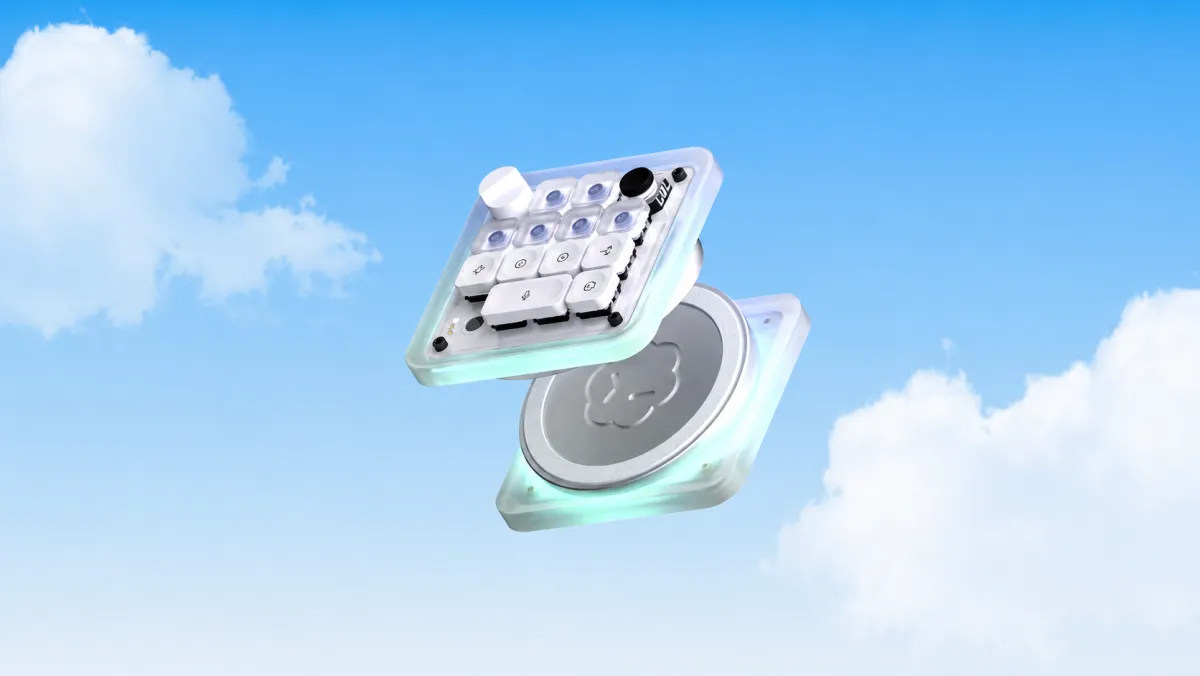
OpenAI's first branded hardware is here. It is not the Jony Ive smart speaker. It is not the mobile AI device that might replace your phone .
It is a $230 keyboard. A square pad with 13 mechanical keys, a joystick, a dial, and six RGB-lit buttons .
The company announced the Codex Micro on July 15 in partnership with keyboard maker Work Louder. It is designed for one thing: controlling Codex, OpenAI's AI coding agent .
The device looks exactly like Work Louder's Creator Micro 2, a general-purpose macro pad that sells for $199. OpenAI's version adds a custom firmware, branded keycaps, and a $31 premium .
The six illuminated keys show Codex agent status in real time. Green means a task is ready. Blue means an agent is thinking. Orange means it needs human feedback. Red means an error .
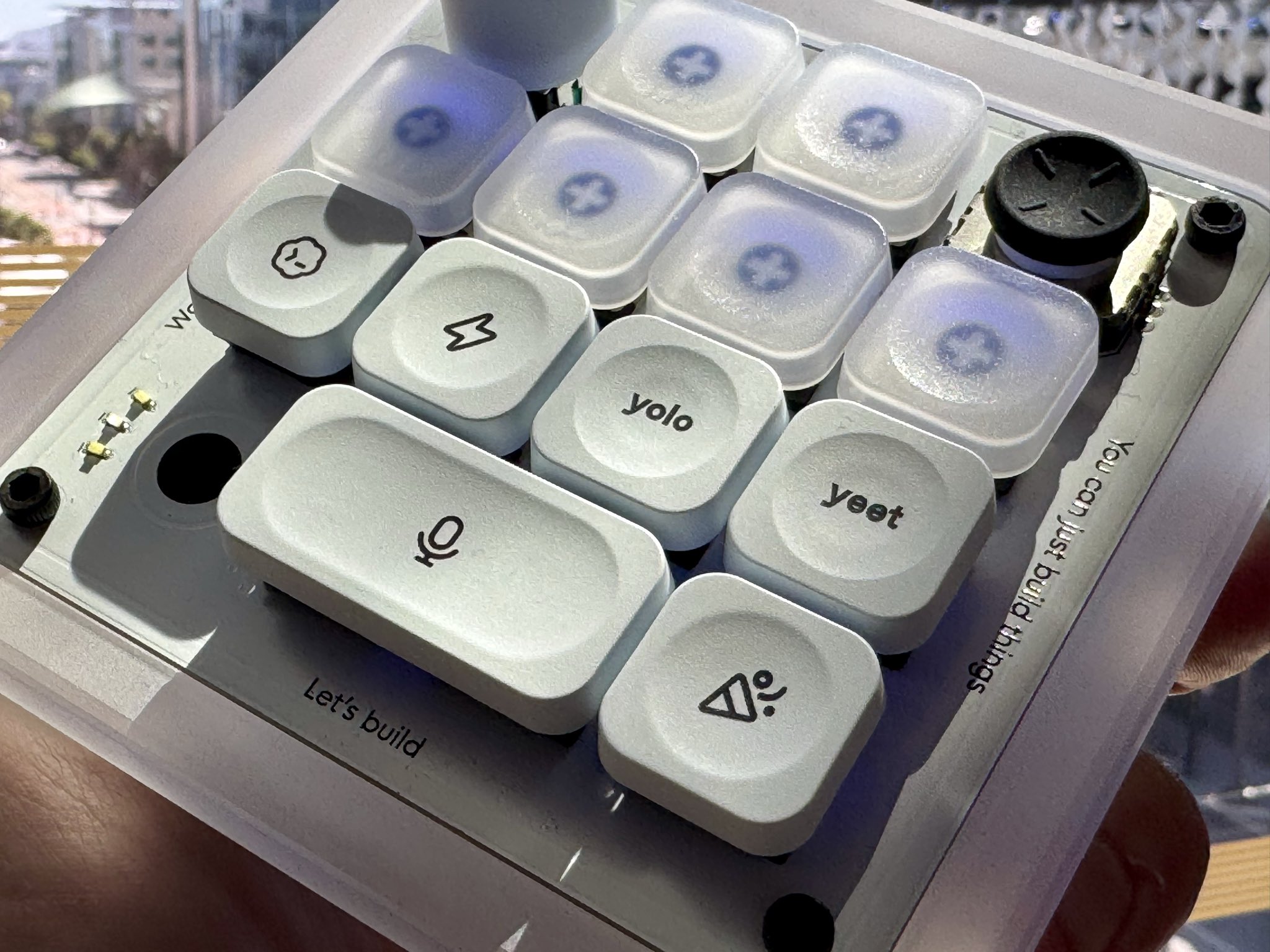
The joystick launches workflows like debugging or code review. The dial adjusts reasoning effort on the fly . All controls are configurable through the ChatGPT desktop app .
This is a product for power users. Heavy Codex users who spend hours managing multiple agent threads. People who want a physical interface for workflows they already do in software.
The reaction has been mixed. Hacker News users pointed out that any $20 number pad with QMK firmware can replicate the functionality . Others called it a "rebranded Work Louder pad" and a "$56 premium for the OpenAI skin" .
There is a deeper criticism here. OpenAI has been teasing hardware for years. It spent $6.5 billion to acquire Jony Ive's hardware studio io Products. It hired former Apple design leaders. It has been building expectations for a device that might redefine personal computing.
The first piece of hardware is a macro pad for developers.
Work Louder co-founder Mike Di Genova described the device as providing a "live view of your Codex threads." OpenAI's developer account posted: "Map the buttons and joystick to your workflow" .
The team does not pretend it is revolutionary. The product page calls it "a command center for agentic work" . The limited-run collaboration is available on Supply Co while supplies last .
It is also the least controversial hardware OpenAI has shipped all year. The smart speaker project with Jony Ive is tangled in Apple's trade secrets lawsuit .
The Codex Micro matters for one reason: it shows where OpenAI is placing its bets. Codex is important enough to justify branded hardware. Developers are important enough to justify the investment.
But if this is OpenAI's hardware entry point, the company is starting small. Very small.
P.S. If you are a developer who bought the Codex Micro, you are not paying for the hardware — you are paying for the OpenAI logo on a Work Louder pad. If you are a designer waiting for something revolutionary, you will have to wait a bit longer.