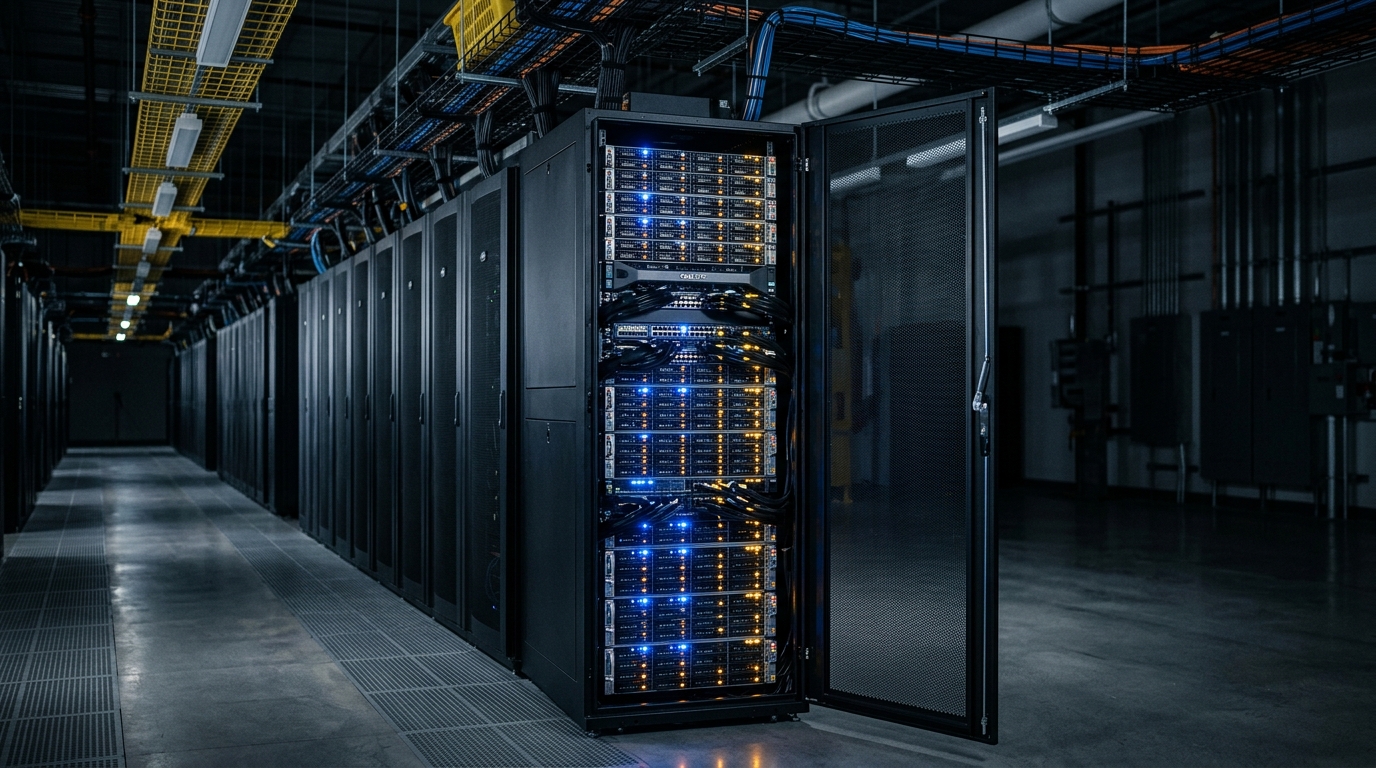
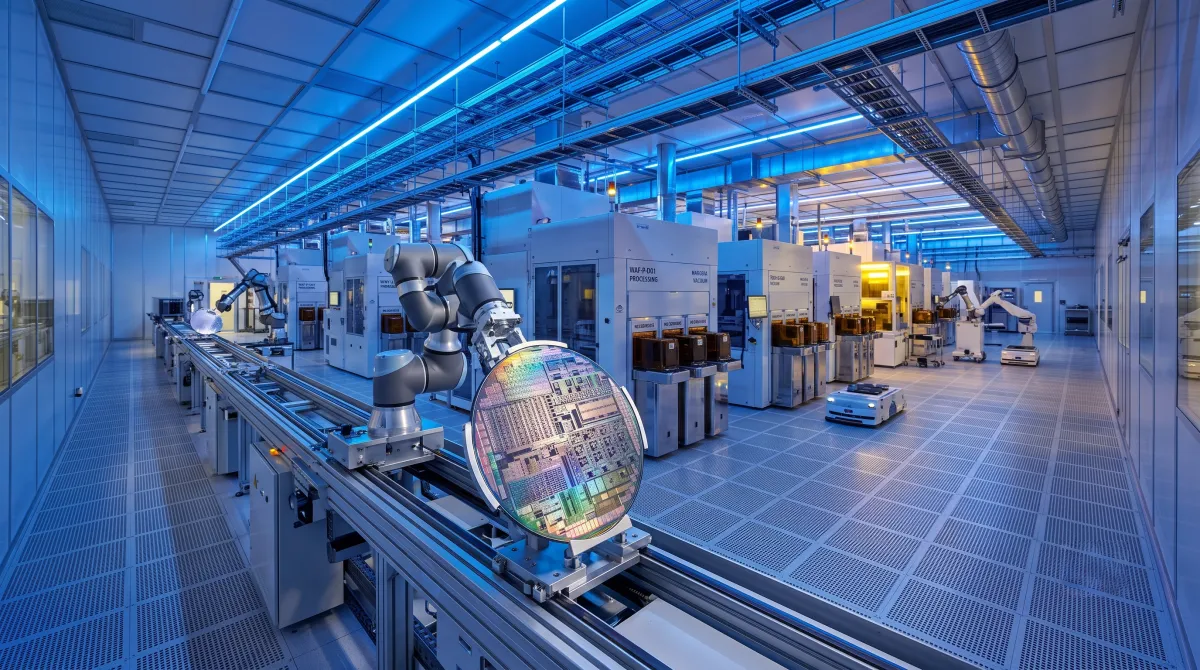
Meta's internal memo leaked through Reuters on July 9. The news: Iris, the company's custom AI chip, passed testing in just six weeks with no major issues. Production starts in September.
This is a breakthrough for a project that had been floundering for more than five years. Iris is the fourth-generation MTIA chip, designed in-house with Broadcom's help and manufactured by TSMC. Its primary job is inference — the heavy, ongoing work of running AI models at scale.
The chip is tailor-made for Meta's own workloads — Facebook ranking, Instagram recommendations, generative AI inference. It's not meant to replace Nvidia or AMD GPUs outright. But the internal memo is blunt: deploying the latest GPUs at Meta's scale "has been a heavy lift, and it has cost us time."

Meta plans to launch a new chip every six months through 2027, roughly double the industry's usual cadence. That's not just ambition. It's a statement: Meta is no longer waiting for Nvidia's roadmap.
But the same memo reveals the problem. Meta plans to deploy 7 gigawatts of compute capacity this year and double that to 14 gigawatts by 2027. AI infrastructure spending this year: up to $145 billion. That's roughly double its 2025 capital spending — and about the company's entire net profit for fiscal 2025.
The math has investors worried. The stock dropped nearly 3% on the news, despite the chip milestone. The concern is straightforward: Meta is spending more on AI infrastructure than it makes in a year, while its core AI product still trails OpenAI and Anthropic. The monetization path beyond better ad targeting is unclear.
The tension is real. Iris is a technical win. But it's a win inside a much bigger financial hole. The company spent more than five years getting to this moment. Now it needs to spend billions more to actually deploy the chips, build the data centers, and power them with dedicated gas plants.
For Nvidia, the threat is long-term. Iris won't replace GPUs this year. But if Meta can show that custom silicon works at scale, other hyperscalers will follow. That's not a collapse — it's a slow erosion of Nvidia's pricing power.
For Meta, the question is execution. The chip works. The production timeline is set. The compute expansion is locked in. The hard part isn't the silicon. It's the spreadsheet.
P.S. If you're a Meta shareholder, you're not worried about Iris — you're worried about whether 14 gigawatts of compute will ever generate 14 gigawatts of profit. That's the question the memo didn't answer.