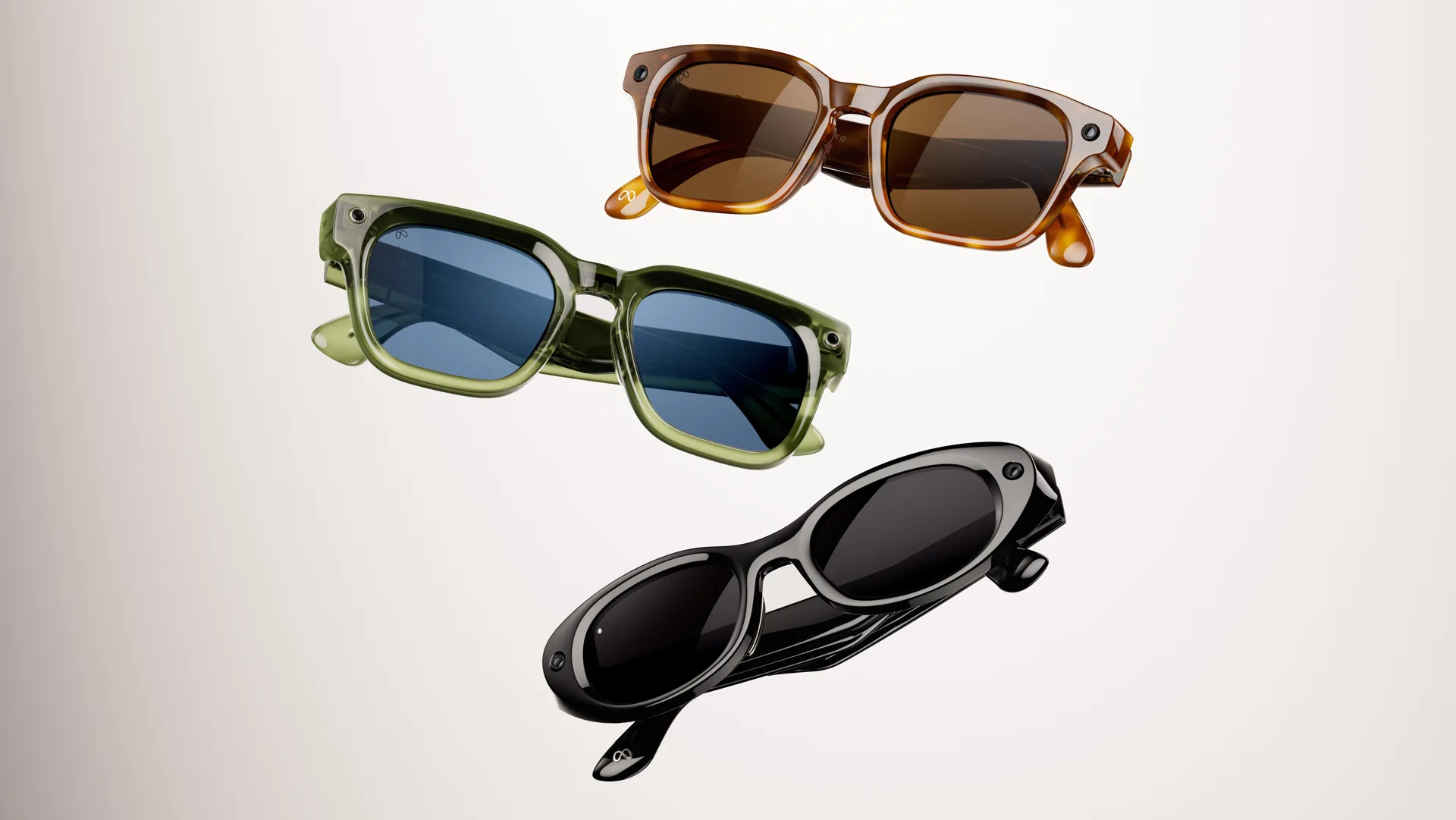
On June 23, Meta officially launched its first smart glasses under its own brand. The company partnered with EssilorLuxottica to manufacture the hardware, but the glasses no longer carry Ray-Ban or Oakley branding.
The lineup includes three styles: the rectangular Adventurer, the chunkier Fury, and a celebrity collaboration with Kylie Jenner called Meta Glasses by Kylie ($399). The core models start at $299 — $80 cheaper than the Ray-Ban Meta Wayfarer (Gen 2), which started at $379. Available in eight frame colors, four lens options, and prescription-compatible, the collection offers 26 unique combinations at launch.
The announcement marks a deliberate shift in strategy. According to Meta‘s wearables VP Alex Himel: “We just feel like we need to have a pair of glasses at a lower price point, and we were trying to figure out what could work there.” By dropping the trusted fashion-house badge, Meta is betting consumers now recognize the technology itself, not just the logo on the side.
Muse Spark AI: The Real Differentiator
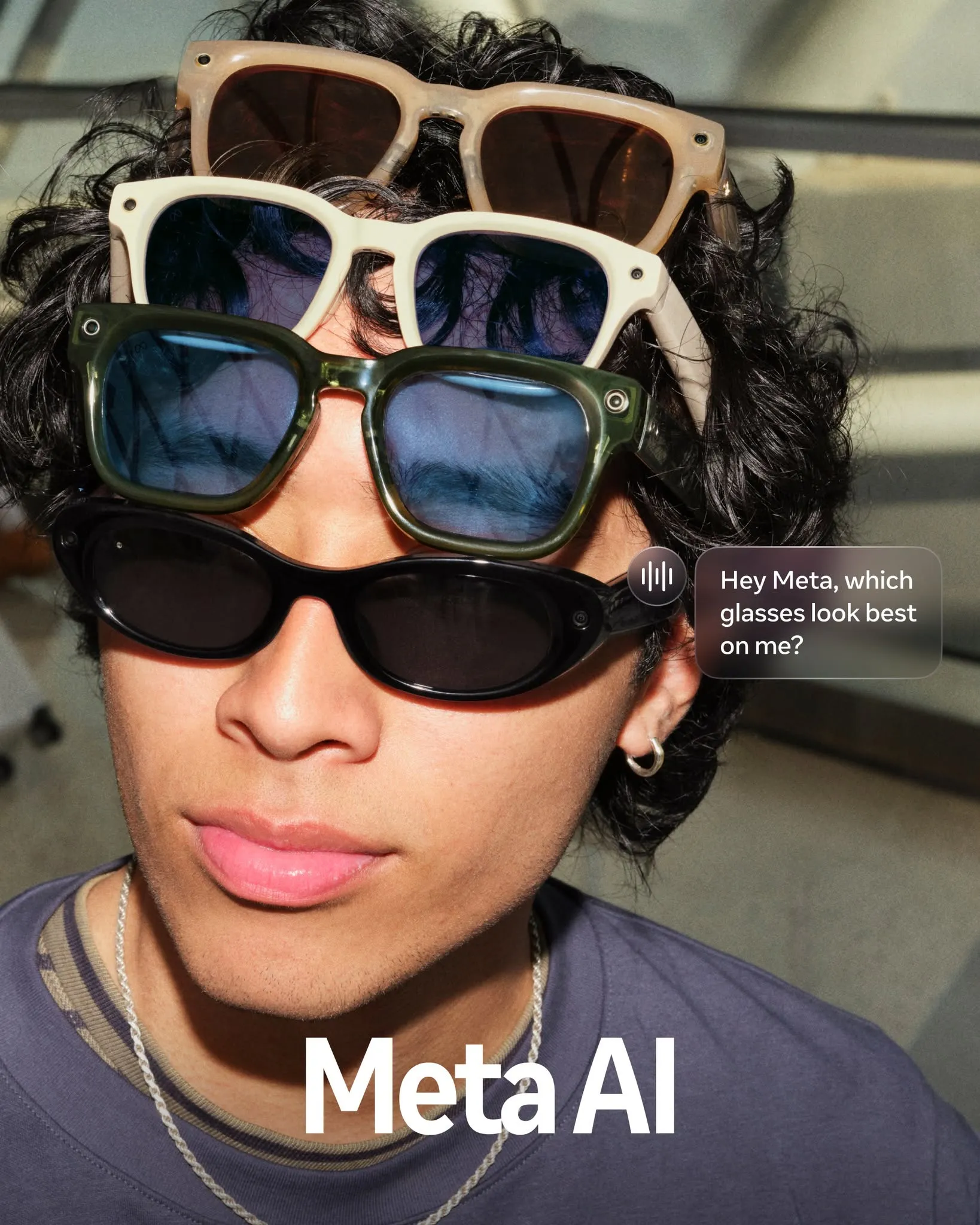
The new glasses debut Muse Spark, Meta’s foundational AI model designed natively for wearables and first teased in April. The AI upgrade is also rolling out to existing Ray-Ban Meta and Oakley Meta glasses.
Muse Spark brings three key improvements. Live translation now supports 14 new languages, including Mandarin, Hindi, Korean, Japanese, and Arabic. In demos, the translation execution was mostly seamless and effective.
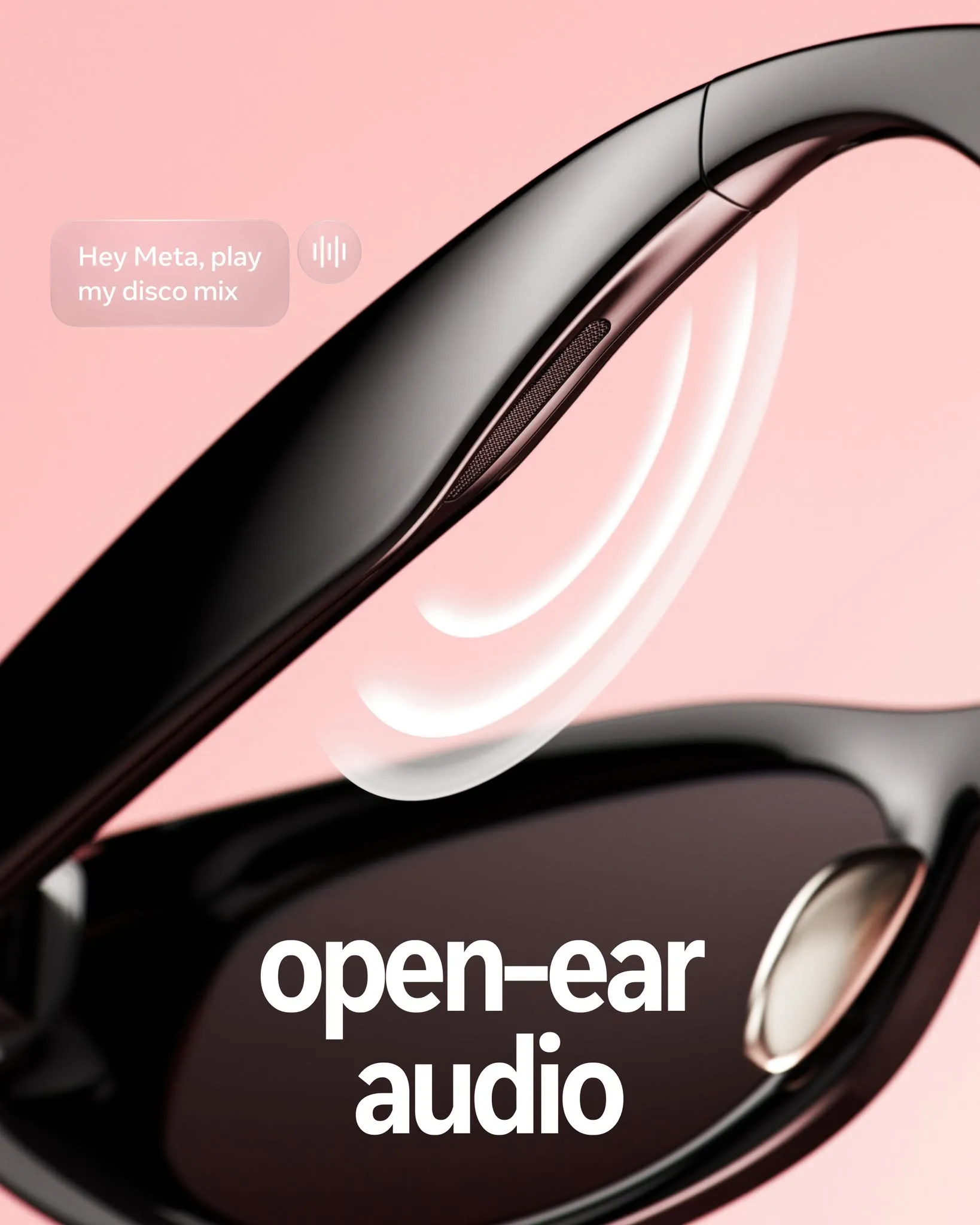
Social-infused insights pull local recommendations based on what real people are discussing on Threads and Facebook, factoring social chatter into location-based queries. Pedestrian navigation offers turn-by-turn walking directions using audio cues through the open-ear speakers — no display required.
One notable omission: the glasses lack a display. Unlike Meta‘s $800 Ray-Ban Display model, these are purely audio-camera AI devices. The company is focusing on affordability and ubiquity before adding more advanced heads-up functionality.
Hardware: Same Core, Better Fit
The hardware platform remains largely identical to the Ray-Ban Meta Gen 2: a 12MP ultra-wide camera, five-microphone array, open-ear speakers, and an 8-hour battery life (40 hours with the charging case).
But Meta has made significant comfort upgrades. The new glasses feature three-way adjustable nose pads, overextension hinges for wider head shapes, and adjustable temple tips with an internal core wire that can be molded for a custom fit. According to Meta, the improved fit and weight distribution should keep the glasses from slipping or pressing against cheeks — a common complaint with previous models.
The hardware is basically the same as last year — except now you can adjust the nose pads in three ways. Which is more innovation than most smart glasses get in a generation.
The Kylie Edition: Celebrity AI Voice
The $399 Kylie Jenner collaboration is worth noting. The sleek oval frames feature a gem accent on the left eye, metal nose pads designed to avoid makeup smudging, and a fold-flat case with a mirror.
On the software side, the collaboration includes a dedicated Kylie-inspired AI voice (complete with her signature vocal fry) and a custom“awake chime.” The voice isn’t Kylie herself, but a stylized AI approximation — a clever way to package personality into the assistant without requiring continuous celebrity recording.
The Ray-Ban Gamble
The removal of Ray-Ban branding is a risk. The original Ray-Ban Meta glasses gained traction partly because people would stop you to ask: “Are those the camera glasses?” That curiosity-driven word of mouth was free marketing. Without that recognizable logo, Meta loses that social signal.
Without the Ray-Ban logo, the only person stopping you might be your therapist.
The company is betting that comfort, price, and AI features will compensate for the loss of fashion-brand cachet. But the question is whether consumers actually want to wear Meta on their face — not Ray-Ban, not Oakley, but the same brand that runs Facebook and Instagram. Meta has been trying to build trust in its hardware for years. This is the biggest test yet.
Strategic Context: Apple Is Coming
Meta currently dominates the smart glasses market, accounting for 69% of shipments in Q1 2026. But competition is heating up. Snap‘s new Specs AR glasses start at $2,195, Google is reportedly working with Warby Parker and Gentle Monster on its own smart glasses, and Apple is expected to enter the market in 2027.
Apple is expected to enter the smart glasses market in 2027. Meta is selling $299 glasses now to make sure you don’t wait.
By lowering the entry price to $299 and using its own brand, Meta is aiming to build volume and user habit before Apple‘s entry. IDC data shows the smart glasses market is up 167% year over year — a wave Meta wants to own before competitors arrive.
The glasses also lack the display seen in Meta’s more expensive $800 Ray-Ban Display model. Navigation is audio-only, and AI responses are heard rather than seen. For a product priced at $299, that‘s a reasonable trade-off, but it also means the experience remains closer to a camera+earbud than a true spatial computing device.
P.S. Meta’s smart glasses strategy is now clear: sell volume at lower prices, build AI utility through software updates, and establish the platform before Apple shows up. Dropping Ray-Ban is a bold move — but it only works if consumers actually want to wear Meta on their face. The $299 price tag is designed to make that decision a lot easier. But losing the Ray-Ban logo might make it a lot harder. The real question isn‘t the price. It’s whether you want Zuck‘s name on your face.